
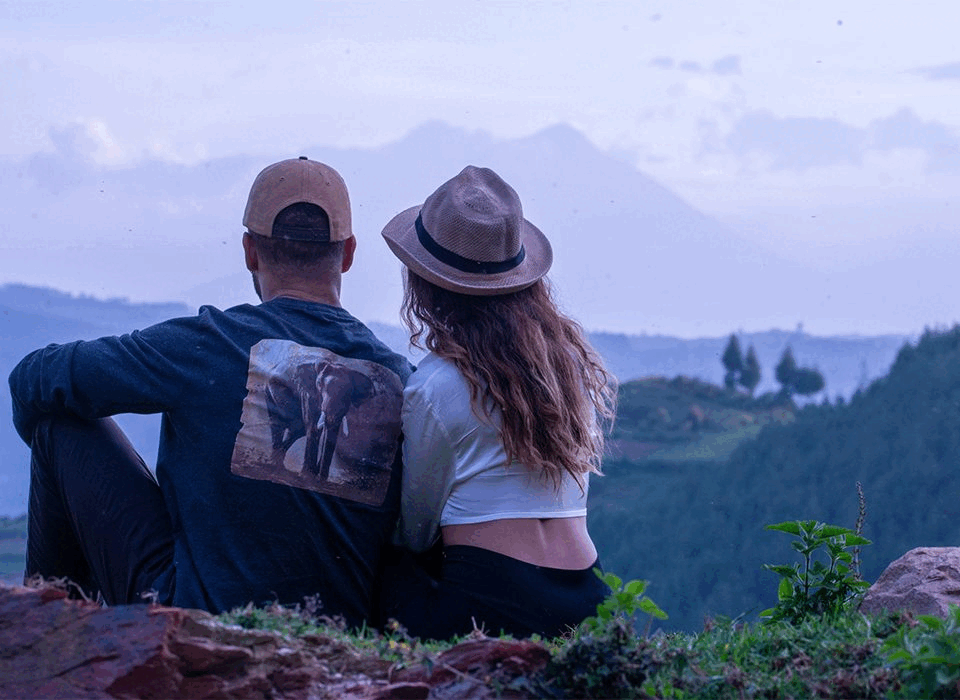
Most articles comparing Uganda safaris to Kenya and Tanzania trips reach for the same three talking points and stop there: Uganda has gorillas, Uganda is "less crowded," Uganda is "off the beaten path." All three are true. All three are also so overused across safari blogs that they've stopped meaning anything — and none of them actually explain the real difference between Uganda safari and Kenya Tanzania trips once you're standing in them.
The real answer isn't a marketing line, it's geology. Uganda's parks and Kenya or Tanzania's parks sit on opposite sides of the same Rift Valley system, and that one fact — which side of the Rift a country's parks are built on — is what quietly shapes everything else: the landscape you drive through, the animals you can realistically see, how the parks are managed, what a trekking day feels like versus a game-drive day, and even how much you'll pay for a permit. This is the difference between Uganda safari and Kenya Tanzania trips that most sites skip — written for people who've already read the "Uganda has gorillas" version and want to know what's actually happening underneath it.
Geography and Geology: Why Uganda Looks Different Before You Even See an Animal
Kenya and Tanzania's classic safari circuits — the Masai Mara, Serengeti, Ngorongoro — sit in the eastern Rift Valley basin: flat, dry, grass-dominated country shaped by volcanic ash soils and a long dry season. It's what most people picture when they hear the word "safari": endless horizon, dust, heat-shimmer, herds strung out to the edge of sight.
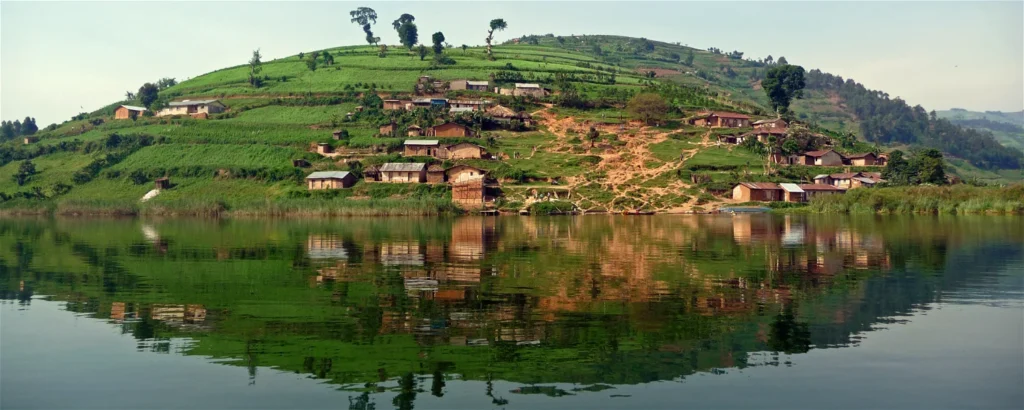
Uganda's major parks — Bwindi, Queen Elizabeth, Kibale, Murchison Falls — sit along or near the Albertine Rift, the western branch of the same Rift Valley system, where the Earth's crust has folded upward instead of just splitting apart. That's why Uganda has the Rwenzori mountains (Africa's third-highest range, with permanent glaciers near the equator), crater lake districts around Fort Portal, and montane rainforest thick enough to hide 400+ mountain gorillas. Uganda also gets roughly double the annual rainfall of the Serengeti-Mara ecosystem in most of its parks, which is why it stays green almost year-round instead of cycling through a hard dry season.
Practically, this means a Uganda safari changes scenery constantly — savannah, forest, wetland, crater lake, sometimes all in one day's drive — while a Kenya or Tanzania safari tends to hold one dominant landscape for most of the trip.
The Primate Factor — Uganda's Actual Point of Difference
This is the one comparison everyone makes, but rarely explains correctly. Uganda isn't just "a place with gorillas." It's one of only three countries on Earth where wild mountain gorillas exist at all (alongside Rwanda and the DRC), and it's the only country where a traveler can realistically combine gorilla trekking and chimpanzee trekking with a classic savannah safari in a single trip without a long overland journey between them. Rwanda has gorillas but very little else — no big savannah parks worth comparing. The DRC has both but is not a practical tourism destination for most travelers right now.
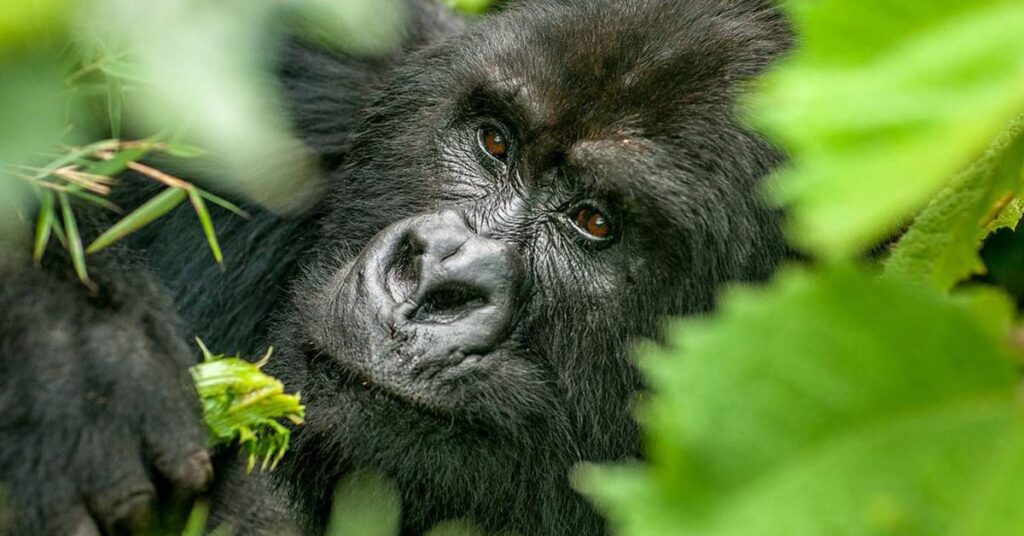
Kenya and Tanzania have no wild mountain gorillas and only limited, harder-to-access chimpanzee populations (Tanzania's Gombe and Mahale are remote and expensive to reach). So the primate trekking isn't just an add-on for Uganda — it's the one experience its neighbors structurally cannot offer, because it requires the specific rainforest habitat that only exists on the Albertine Rift side of East Africa.
What Uganda Doesn't Have — The Part Most Sites Won't Tell You
An honest comparison has to include this: Uganda is not the country to choose if your priority is the Great Migration or guaranteed Big Five sightings. The wildebeest and zebra migration is unique to the Serengeti-Mara ecosystem — Uganda has no equivalent. Uganda's black rhino population is also functionally extinct in the wild; the only rhinos travelers see are at the privately run Ziwa Rhino Sanctuary, not inside a national park. Big cat densities are lower too — lion sightings in Uganda are good in specific pockets (Ishasha's tree-climbing lions, Kidepo Valley) but nowhere near as reliable as the Mara or Serengeti, and cheetah are essentially absent outside Kidepo.
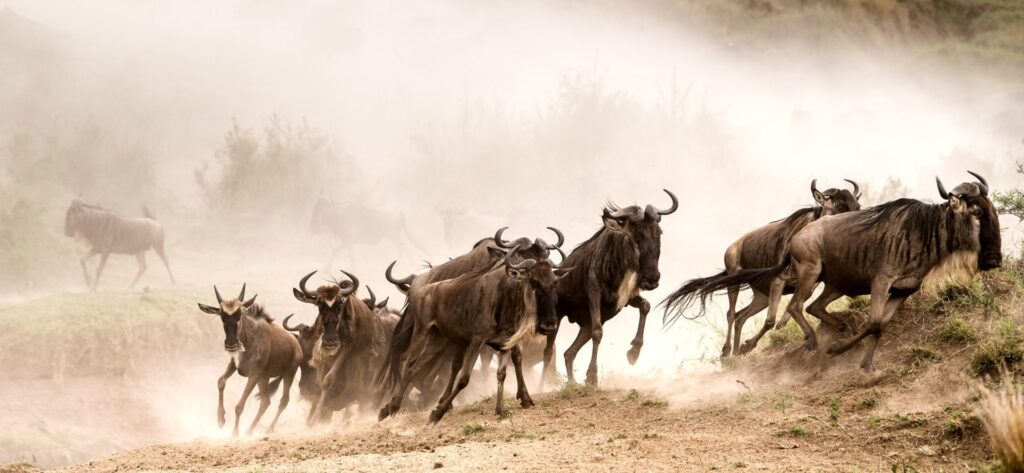
So the honest framing is this: Kenya and Tanzania are built for volume and spectacle — huge herds, high predator density, the Migration. Uganda is built for variety and proximity — a wider mix of landscapes and the only realistic access to wild primates on foot.
Cost and Access — The Real Numbers
Money is where the difference gets concrete rather than descriptive. A Uganda gorilla trekking permit costs around $700, compared to roughly $1,500 in Rwanda for the same experience — more than double for effectively the same encounter, just a different country. Uganda's chimpanzee permits run roughly $200, and general park entry fees across Uganda's national parks tend to run lower than Kenya's marquee parks, where conservancy and park fees have climbed steeply in the Mara ecosystem over the past several years.
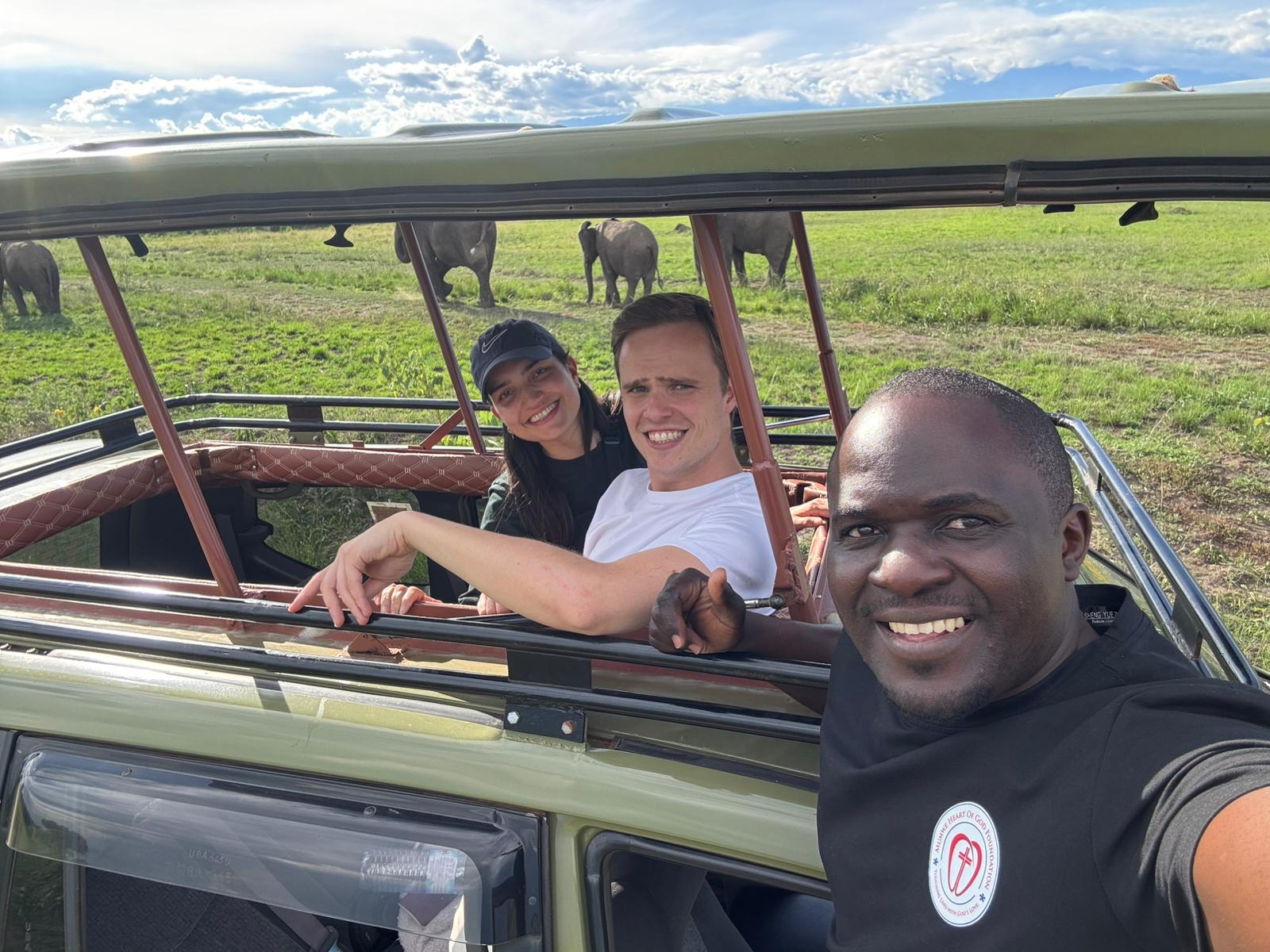
Uganda's road network inside parks is also less developed than Kenya's or Tanzania's — expect more unpaved, sometimes rough roads between parks, which means slightly longer transfer times but also far fewer vehicles competing around a single sighting.
Crowds and Conservation Model
Kenya's Masai Mara and Tanzania's Serengeti are, by visitor volume, among the busiest safari destinations on the continent — it's common to see a dozen or more vehicles around one lion sighting during peak season. Uganda's total annual tourist numbers are a fraction of Kenya's, and gorilla trekking is capped hard by design: only eight permits are issued per gorilla family per day, across a fixed number of habituated families. That cap isn't a marketing angle — it's a conservation rule enforced by the Uganda Wildlife Authority, and it's the mechanical reason gorilla trekking never feels crowded the way a Mara game drive can.
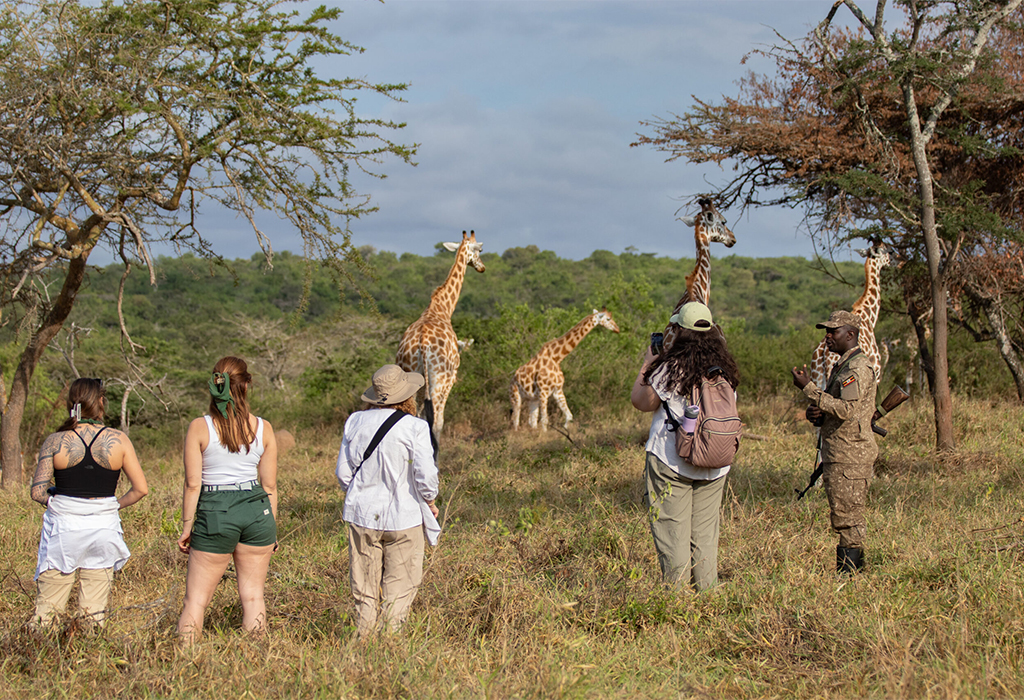
Uganda's tourism model also leans more heavily on community revenue-sharing around parks like Bwindi, where a portion of permit and park revenue is directed to neighboring communities — a structural difference from the more commercially driven conservancy-lease model that dominates around the Mara.
Which One Should You Actually Choose?
Not a sales pitch — a genuine decision framework:
- Choose Kenya or Tanzania if: you want the Great Migration, the highest possible predator density, classic open-plains scenery, and you're comfortable with more vehicles at sightings during peak season.
- Choose Uganda if: gorilla or chimpanzee trekking is a priority, you want varied landscapes in one trip (forest, savannah, water, mountains), you prefer fewer crowds, and you're comfortable with a mix of paved and unpaved roads between parks.
- Choose to combine them if: budget and time allow — many travelers pair a few days in Uganda for primates with a few days in Kenya or Tanzania for classic savannah game viewing, since the two experiences are genuinely complementary rather than redundant.
Uganda isn't a cheaper, quieter version of Kenya or Tanzania. It's a structurally different safari, shaped by which side of the Rift Valley it sits on — and that's the difference worth understanding before you book, not after.
Ready to Experience Uganda for Yourself?
Now that you understand the real difference between Uganda safari and Kenya Tanzania trips, the next step is simple — plan the one that actually fits what you're looking for. If gorilla trekking, chimpanzee tracking, and Uganda's mix of rainforest, savannah, and crater lakes sound like the safari experience you've been searching for, we're here to help you plan it properly, permit bookings and all.
Contact us now to book a Uganda safari package by - 📧 Email: info@ugandasafaribookings.com 📞 Phone / WhatsApp: +256-700135510 📍 Location: Kampala, Uganda