
Uganda sits directly on the equator, so unlike destinations with a single summer and winter, it doesn't really have "seasons" in the way many travelers expect. Instead, the country runs on a rhythm of two dry seasons and two wet seasons each year, with warm, fairly stable temperatures throughout. The short answer is that the best time to visit Uganda is during the dry seasons — June to September and December to February — when trails are firmer, roads are easier, and wildlife is easier to spot. But depending on what you're planning to do, the "right" time can shift quite a bit, so it's worth understanding how Uganda's climate actually works before you book.
Uganda's Seasons at a Glance
- Long dry season: June to September
- Short dry season: December to February
- Long rains: March to May
- Short rains: October to November
Because Uganda straddles the equator, daytime temperatures stay fairly consistent year-round, typically averaging around 25–28°C (77–82°F), with cooler nights in higher-altitude areas like Bwindi and the Rwenzori foothills. The real difference between seasons isn't temperature — it's rainfall, and how that rainfall affects roads, trails, and wildlife behaviour.
Best Time for Gorilla Trekking
Gorilla trekking in Bwindi Impenetrable Forest and Mgahinga Gorilla National Park runs year-round, since the habituated gorilla families are tracked daily no matter the season. That said, the dry months — June to August and December to February — are by far the most popular and heavily booked times to trek. Drier weather means firmer, less slippery trails, which makes a genuinely demanding hike noticeably more manageable, especially on Bwindi's steeper southern sectors around Rushaga and Nkuringo.
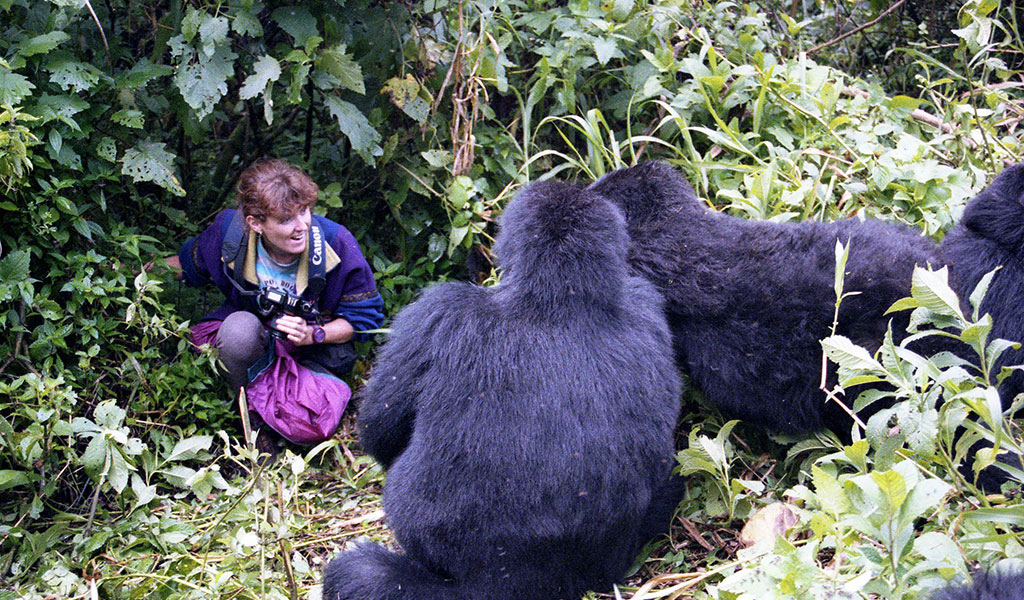
The trade-off is availability and cost: because these months are so popular, gorilla trekking permits for peak dry-season dates often sell out months in advance, and prices for accommodation tend to rise accordingly. Trekking during the wetter months (March to May and October to November) means muddier, more physically demanding trails, but also fewer other trekkers on the mountain and comparatively easier permit availability. Whichever season you choose, the forest itself stays humid year-round, so waterproof clothing and good hiking boots are worth packing regardless of when you go.
Best Time for Wildlife Safaris
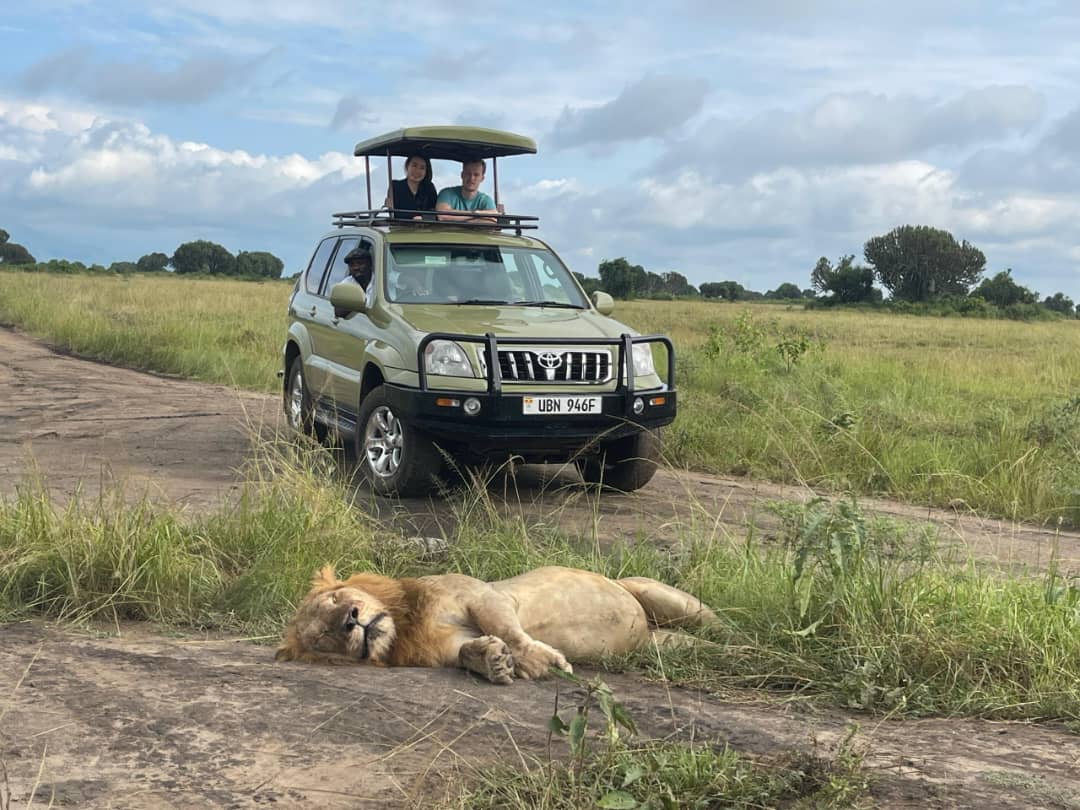
For Uganda's savanna parks — Queen Elizabeth National Park, Murchison Falls National Park, and Kidepo Valley National Park — the dry seasons are generally considered the best time for game drives in Uganda. As vegetation thins out and water sources shrink during the dry months, animals concentrate around the remaining rivers and waterholes, making sightings of elephants, buffaloes, lions, and even the elusive leopard more consistent. August in particular is often highlighted as one of the strongest months for game viewing across the country's parks.
The wetter months bring their own upside, though: newborn animals are common around March, as many species give birth around the start of the rains, and the landscape turns a vivid green that photographers tend to love. Birdlife is also at its best during the wet season, when migratory species are present alongside Uganda's resident birds, making this a strong window for keen birdwatchers even if it's not peak season for classic game drives.
Best Time for Adventure Activities
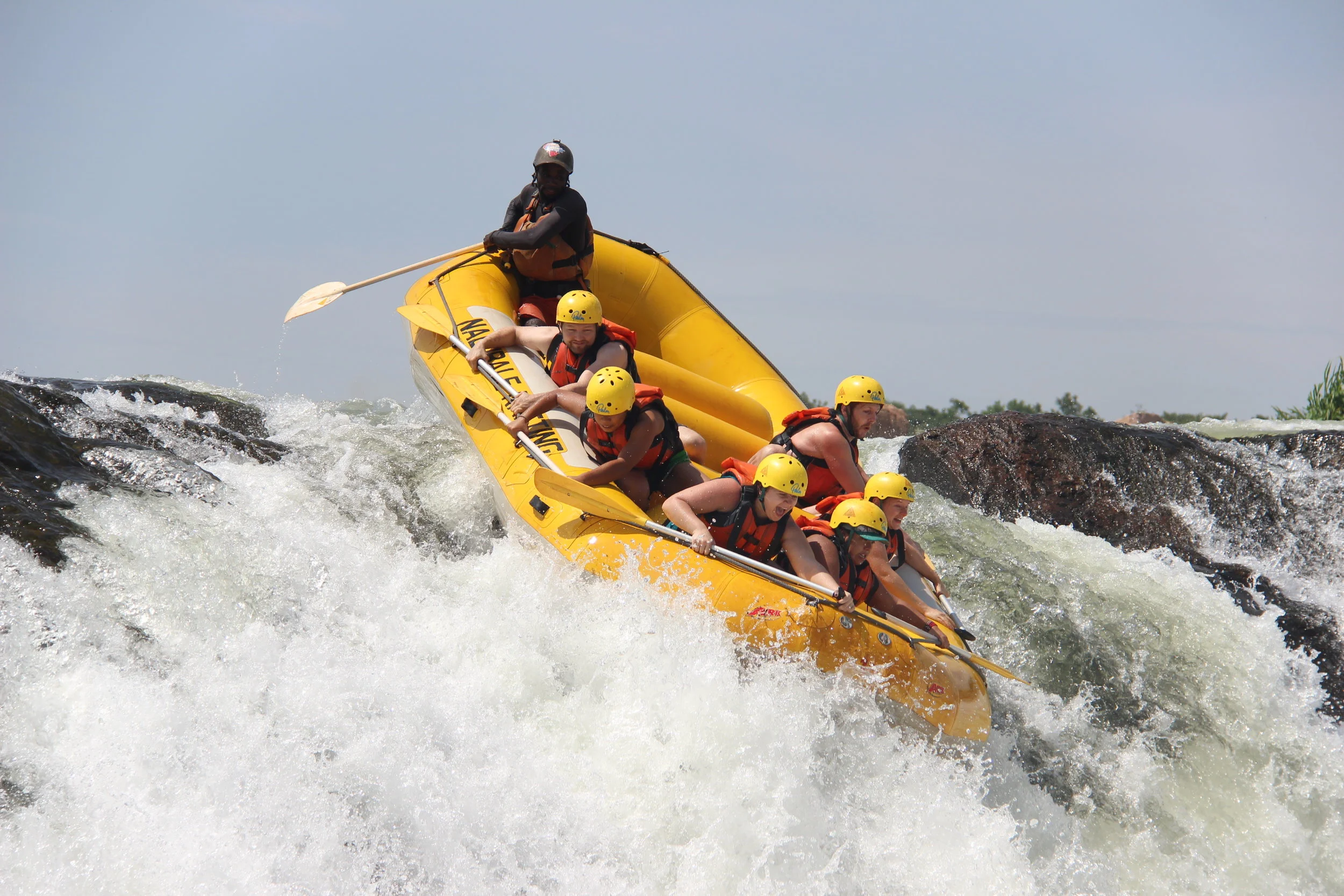
If you're planning activities like white-water rafting, kayaking, bungee jumping, or quad biking around Jinja, timing matters less than it does for trekking or game drives. The Nile's flow through Jinja is regulated by a dam rather than driven purely by rainfall, so rafting and kayaking run year-round. That said, water levels do shift with the seasons — higher water around May–June and October–November produces bigger, more dramatic rapids, while the drier months tend to offer calmer, more predictable conditions that suit first-time rafters. Land-based activities like quad biking, mountain biking, and abseiling at Sipi Falls are more weather-dependent, since heavy rain can make dirt trails and rock faces slippery, so the dry season windows are the safer bet if those are a priority.
Month-by-Month Highlights
- December–February: The short dry season, and one of the best windows for gorilla trekking and general travel. January and February tend to be the warmest, clearest months, making them popular for both trekking and safari.
- March–May: The long rains, with April typically the wettest month of the year. Expect lower prices and fewer crowds, along with lush scenery and newborn wildlife, but muddier trekking conditions.
- June–September: The long dry season and Uganda's busiest, most popular travel period. This window overlaps with summer holidays in Europe and North America, so book gorilla permits and accommodation well in advance.
- October–November: The short rains. Rainfall tends to come in bursts rather than lasting all day, and this shoulder season offers a good balance of manageable weather, greener landscapes, and lower prices, along with easier gorilla permit availability.
So, When Should You Go?
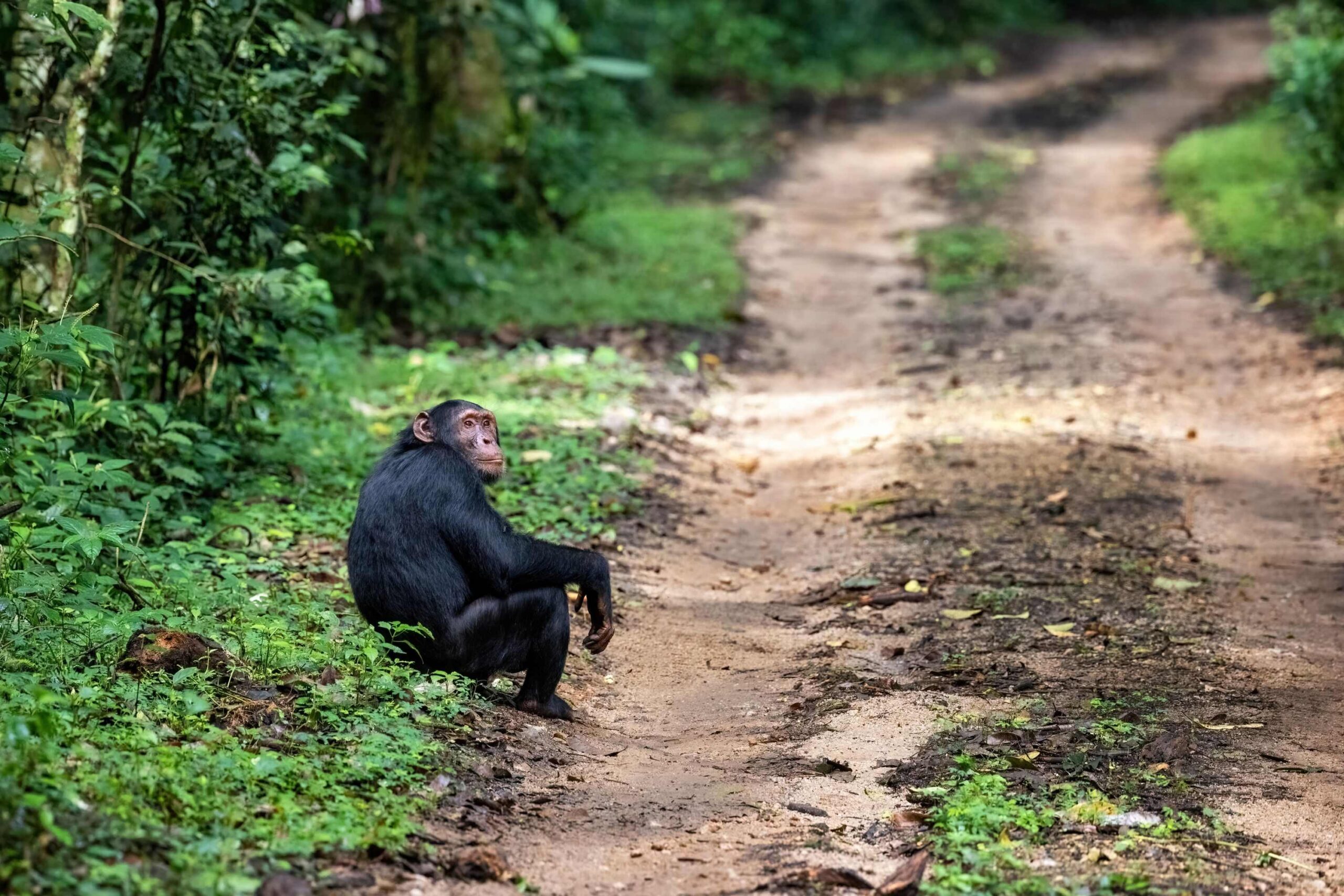
If your main priority is gorilla trekking or classic game drives and you don't mind planning ahead (and paying peak-season prices), aim for June to August or December to February. If you'd rather avoid the crowds, don't mind a bit of mud, and want to save on permits and lodging, the shoulder months of October–November or even March can be a smart compromise — you'll still get good wildlife viewing and trekking conditions without the peak-season rush. Whatever time of year you choose, Uganda's proximity to the equator means there's no genuinely "bad" time to visit — just different trade-offs between trail conditions, crowds, and budget.
Whichever season you travel in, a good local driver makes a real difference in Uganda — road conditions can vary significantly between the dry and wet months, and having someone who knows the current state of the routes to Bwindi, Queen Elizabeth, or Murchison Falls will save you time and hassle wherever your trip takes you.
Planning to visit Uganda this season, simply contact us now by emailing to info@ugandasafaribookings.com or call us now on +256-700135510.