
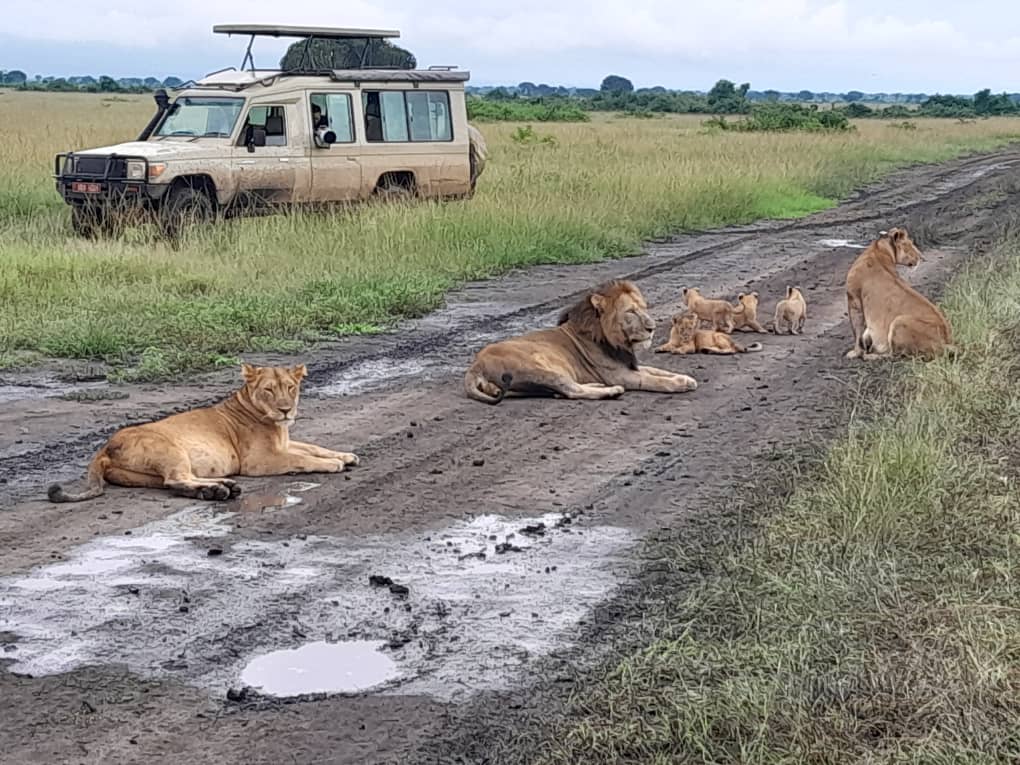
A Kasenyi Plains game drive is the activity most visitors remember from Queen Elizabeth National Park. The Kasenyi sector is open, golden grassland, ideal for spotting wildlife from a pop-up roof 4x4. It is the park's best-known area for lions, home to huge herds of Uganda kob and Cape buffalo, and an occasional stage for a leopard sighting.
This guide covers where Kasenyi is, the best time of year and day to go, what you can realistically expect to see, and how to plan a game drive that gives you the best chance of a great sighting.
Quick Facts: Kasenyi Plains Game Drive
| Location | Kasenyi sector, north-eastern Queen Elizabeth National Park, western Uganda |
| Best time of day | Early morning, around 6:30 AM, with late afternoon as a second option |
| Best time of year | Dry seasons: roughly December to February and June to September |
| Typical duration | 3 to 4 hours |
| Main wildlife | Lions, Uganda kob, Cape buffalo, elephants, hyenas, warthogs, waterbuck, plus occasional leopards |
| Park entry (foreign non-residents) | $40 per day |
| Optional upgrade | UWA lion tracking research activity, around $100 |
What Is the Kasenyi Plains?
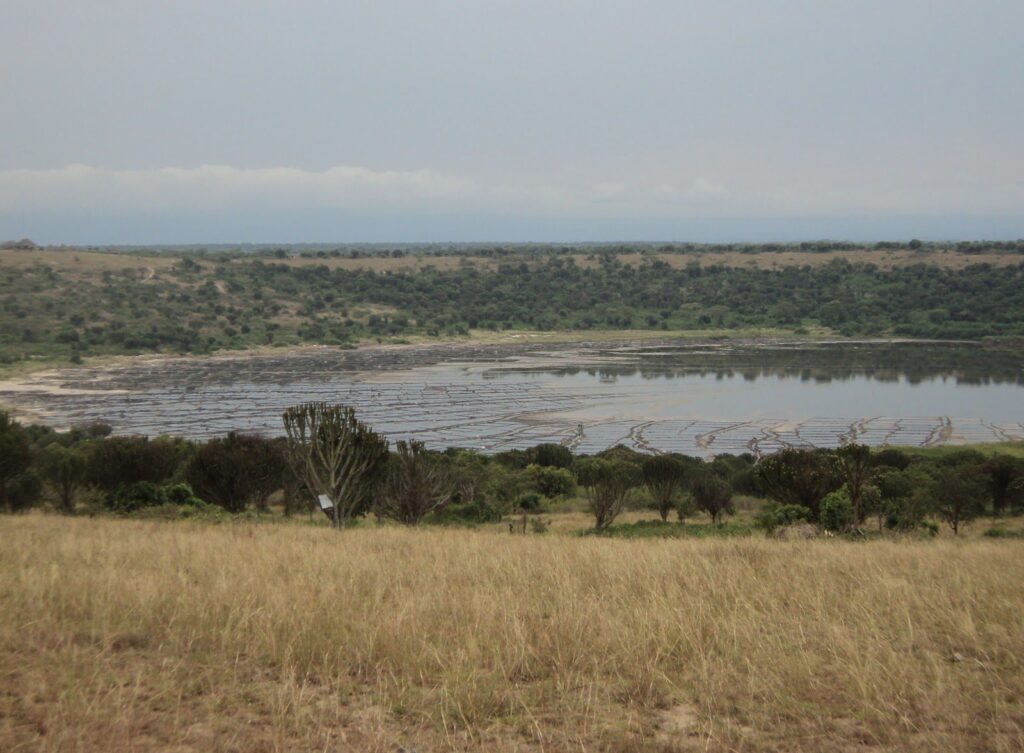
Queen Elizabeth National Park covers a mix of savannah, crater lakes, wetlands and forest. Kasenyi is the open savannah part, a wide plain of short grass dotted with acacia and bush, framed by the Rwenzori Mountains on clear mornings.
That openness matters. In thick bush, animals are heard more than seen. On the Kasenyi plains you can scan across the grassland, spot a group of kob scattering, a line of buffalo, or a cat lying in the grass, and get there before the moment passes.
Kasenyi is also an important area for the park's predators. Where there is a lot of prey in open country, there are lions close by.
Best Time of Day for a Kasenyi Game Drive
Early morning (best)
The best time for a Kasenyi game drive is dawn to mid-morning. Here is why:
- Predators are active. Lions are most likely to be moving, hunting, or finishing a kill in the cooler early hours, before the heat sends them into shade.
- Prey is on the move. Kob and buffalo graze in the cool of the morning.
- Light is better. Soft golden light makes for much better photographs.
- Fewer vehicles. Setting off early means you can have a sighting nearly to yourself.
Aim to leave your lodge around 6:00 to 6:30 AM, depending on how far you are from Kasenyi. This is why staying inside or near the park beats driving in from Kampala the same morning.
Late afternoon (good alternative)
From around 4:00 PM, cats become more active again as the heat fades. An afternoon drive is a good second chance if your morning drive was quiet, but morning sightings are generally better.
Midday (least productive)
Between roughly 11:00 AM and 3:00 PM, most predators rest under bushes and are hard to spot. Use that time for lunch and rest at the lodge.
Best Time of Year for Kasenyi Game Drives
You can see wildlife at Kasenyi year-round, but conditions change with the seasons.
Dry seasons (roughly December to February and June to September)
- Grass is shorter, so animals are easier to see.
- Roads and tracks are drier and easier to drive.
- Wildlife gathers near water sources, which concentrates sightings.
- This is the most popular time to visit and generally the best for game viewing.
Wet seasons (roughly March to May and October to November)
- The park is greener and the scenery is beautiful.
- Grass is taller, which can make spotting animals, especially cats, harder.
- Some tracks can be muddy.
- It is quieter, and lodges and safaris are often cheaper.
- It is excellent for birdwatching.
Our advice: if seeing lions is your priority, aim for the dry seasons. If you are flexible on sightings and want a quieter, greener safari, the wet seasons can still be rewarding. Our Best Time to Visit Uganda guide has a month-by-month breakdown.
What You'll See on a Kasenyi Plains Game Drive
Lions
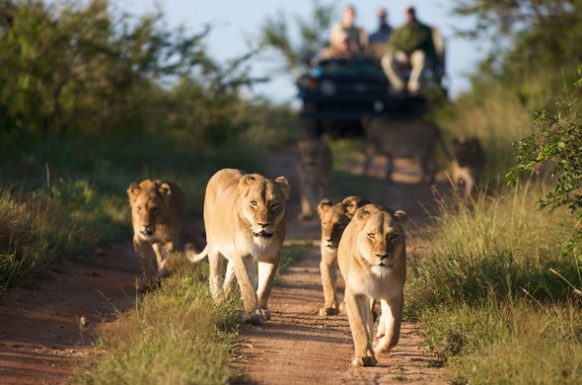
Lions are the main reason many people choose Kasenyi. Queen Elizabeth National Park has a healthy lion population, and the Kasenyi plains are one of the best places in the park to find them.
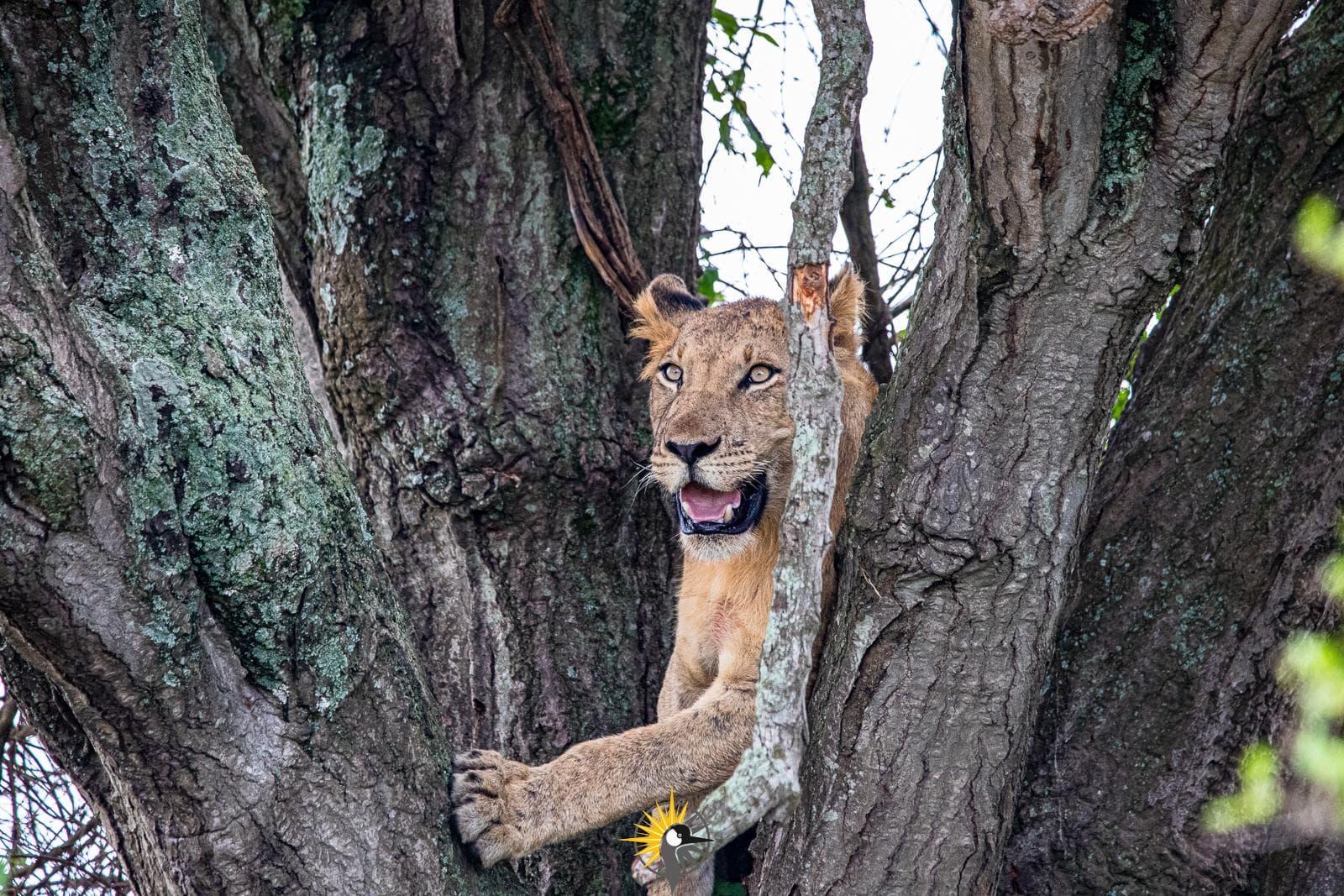
What to expect:
- Lions are often found resting in the grass, under bushes, or on slightly raised ground, usually in the early morning.
- You may see a pride with cubs, a lone male, or a group of lionesses stalking prey.
- Your guide will watch for clues: alarm calls from kob, vultures circling, or tracks on the road.
Be realistic: sightings are likely but never guaranteed. This is a wild, unfenced ecosystem and lions move widely. Going out early and being patient is the best way to improve your chances.
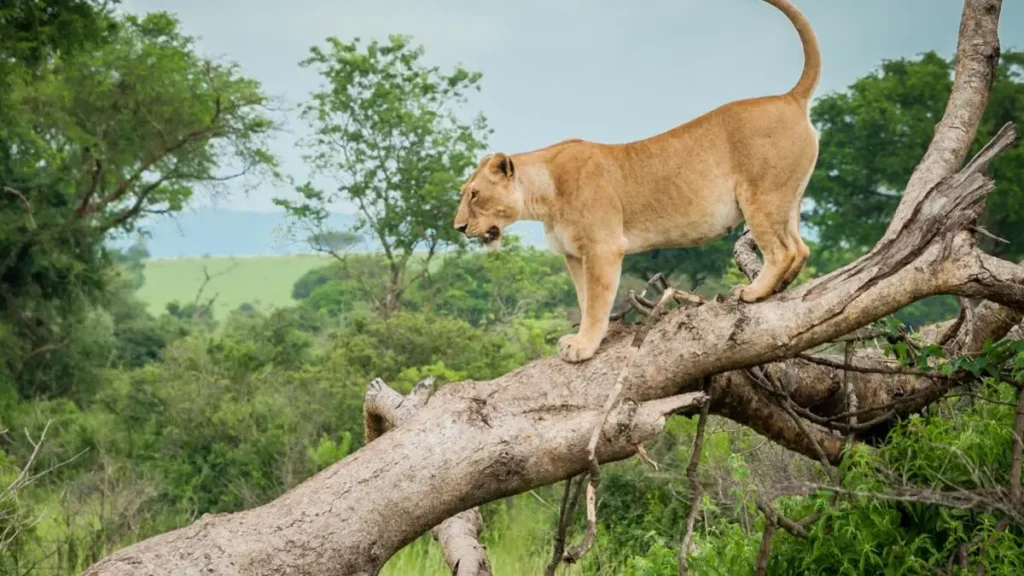
Tree-climbing lions: these are found in the Ishasha sector in the far south of the park, not in Kasenyi. If they are on your wish list, see our guide on how many days you need for Queen Elizabeth National Park to plan the extra time.
Leopards
Leopards live in the Kasenyi area, but they are secretive, mostly nocturnal, and much harder to find than lions.
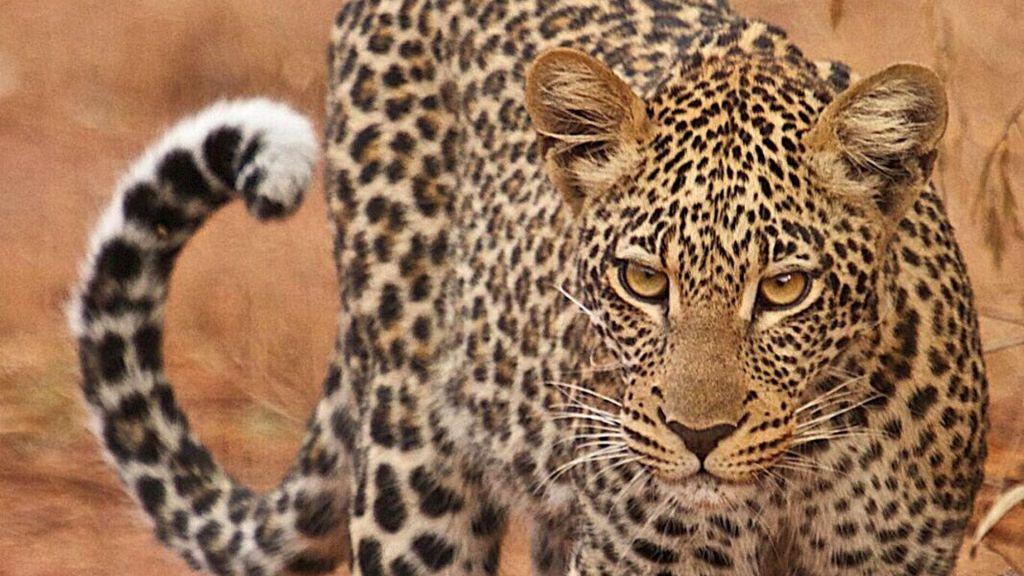
What to expect:
- Sightings are possible, particularly in the early morning, but they are a bonus rather than something to count on.
- Leopards rest in trees or dense bush during the day and are very well camouflaged.
- A guide who knows the area and keeps an eye out for tracks and behaviour gives you the best odds.
If you do see one, it will likely be a short, memorable sighting.
Cape Buffalo
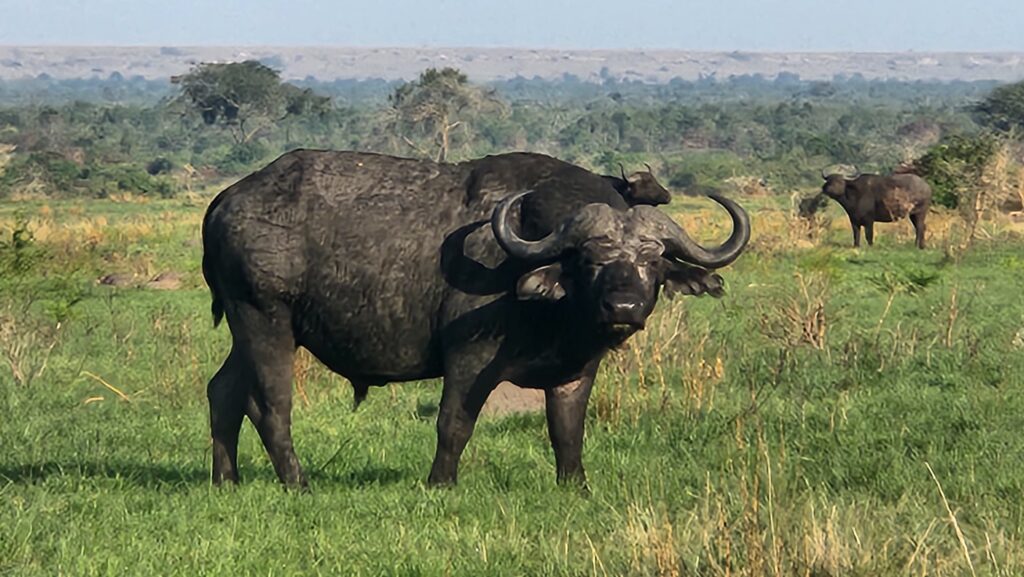
Buffalo are one of the easiest big animals to see at Kasenyi.
What to expect:
- Large herds, sometimes hundreds strong, grazing on the plains.
- Solitary older bulls, often called "dagga boys," resting alone, usually in mud or shade.
- Buffalo are an important prey species and are dangerous if surprised, so always stay in the vehicle and follow your guide's instructions.
Buffalo herds also attract lions, so a big herd is worth watching.
Uganda Kob
The Uganda kob is the star of the plains and the antelope you will see most often. It is a medium-sized, golden-red antelope, and it appears on Uganda's coat of arms.
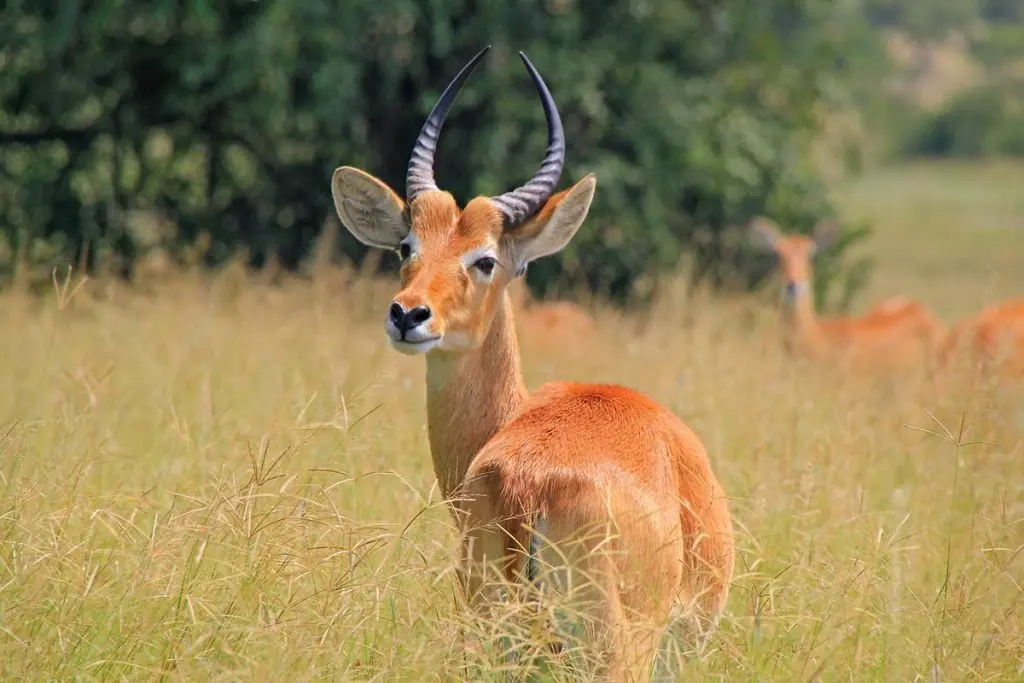
What to expect:
- Herds of females and young animals grazing across the open grassland.
- Leks (mating grounds): males gather on small, trampled territories and compete for the attention of visiting females. Seeing this behaviour is a highlight, and it is also where predators tend to hunt.
- Kob are the main food source for the park's lions, so kob behaviour often points toward the cats.
If the kob suddenly go quiet and all face the same direction, a predator is probably near.
Other Wildlife
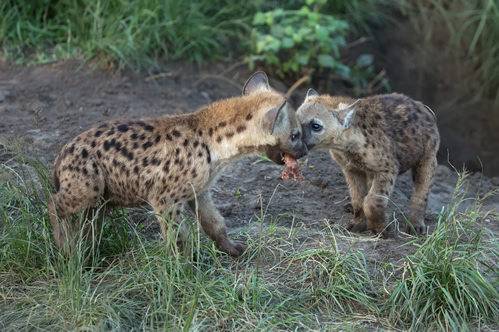
Besides the big four, Kasenyi regularly offers:
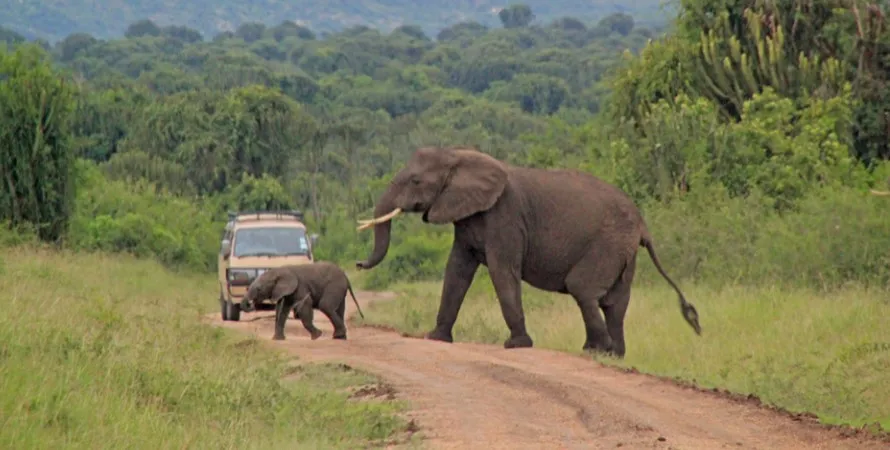
- Elephants, often in small family herds
- Spotted hyenas, especially in the early morning
- Warthogs, waterbuck and bush buck
- Topi and hartebeest in some areas
- Birds, including crowned cranes, bustards, raptors, and a range of grassland species
Game Drive vs. Lion Tracking: Which Should You Choose?
A standard Kasenyi game drive is included in most Queen Elizabeth safaris. If lions are your absolute priority, you can add a UWA Lion Tracking Research activity.
| Standard Game Drive | Lion Tracking Research | |
|---|---|---|
| How it works | Guide drives and scans for wildlife | Uses radio telemetry to locate collared lions |
| Cost | Included in our safaris | Around $100 extra per person |
| Chance of lions | Good, but not guaranteed | Higher, since researchers can locate collared prides |
| Best for | General wildlife viewing | Visitors who want to prioritise lions |
Our 3 Days Queen Elizabeth Park Safari includes a dawn game drive on the Kasenyi Plains, and you can discuss adding lion tracking with your guide.
How Long Does a Kasenyi Game Drive Take?
Plan for 3 to 4 hours. This gives you time to cover the plains, stop for sightings, and take photos without feeling rushed. If you find lions, your guide may stay with them for a while, so avoid scheduling anything tight straight afterwards.
A typical morning looks like this:
- 6:00 to 6:30 AM: Depart your lodge with a packed breakfast or a quick coffee.
- 6:30 to 7:30 AM: Reach Kasenyi and begin scanning for predators in the best light.
- 7:30 to 10:00 AM: Continue the drive, stopping for buffalo, kob, elephants and photography.
- 10:00 AM onward: Return to the lodge for breakfast or lunch and rest before an afternoon activity.
On our 3-day safari, the afternoon activity is the Kazinga Channel boat cruise, giving you a land safari and a water safari in one day.
Tips for the Best Kasenyi Game Drive
- Go early. This single choice improves your sightings more than anything else.
- Dress in layers. Early mornings in an open-roof vehicle are cold and windy, but it heats up fast. Wear neutral colours like khaki, tan or olive. Avoid bright white and dark blue or black, which attract tsetse flies. Our packing guide has a full checklist.
- Bring binoculars and a zoom lens. Many animals are viewed at a distance across the plains.
- Be patient. Wildlife does not follow a schedule, and waiting a few extra minutes can turn into the best sighting of the trip.
- Stay quiet and stay in the vehicle. Loud noises and sudden movements can disturb animals.
- Trust your guide. A professional driver-guide reads tracks, other vehicles, and animal behaviour to find sightings you would miss alone.
- Keep an eye on permit times. UWA park permits run on a 24-hour clock from the moment you enter, and leaving late can trigger an extra day's fee.
How to Include a Kasenyi Game Drive in Your Safari
You can experience the Kasenyi Plains on:
- A 3-day safari. The best balance of time and cost, with a dawn Kasenyi drive and a Kazinga Channel cruise.
- A 4-day safari. More time for Ishasha's tree-climbing lions, optional activities and a slower pace.
- A longer Uganda itinerary. Queen Elizabeth pairs well with Bwindi gorilla trekking or Kibale chimpanzee tracking.
Frequently Asked Questions
What is the best time for a Kasenyi game drive?
Early morning, around 6:30 AM. Predators are most active, the light is soft, and it is cool enough for animals to be on the move.
Will I definitely see lions at Kasenyi?
Not guaranteed, but it is one of the best places in the park to find them. Going early and adding lion tracking improves your chances.
Can I see leopards at Kasenyi?
Occasionally, but they are secretive and mostly active at night, so treat a leopard sighting as a bonus.
Are there tree-climbing lions at Kasenyi?
No. They are found in the Ishasha sector in the south of the park.
What is a Uganda kob?
A golden-red antelope found on the Kasenyi plains, and one of the animals on Uganda's coat of arms.
How much does a Kasenyi game drive cost?
Park entry for foreign non-residents is $40 per day, and a standard game drive is included in our Queen Elizabeth safari packages. Lion tracking is an optional extra of around $100.
What should I wear?
Layers in neutral colours, a hat, sunglasses and sunscreen. Mornings are cold, midday is hot.
Conclusion
A Kasenyi Plains game drive is the heart of a Queen Elizabeth safari: open grassland, big herds, and a real chance of lions at dawn. Go early, dress in layers, be patient, and book enough days to enjoy it without rushing.
Ready to see it for yourself? Book or inquire about our 3 & 4 Days Queen Elizabeth safari packages today by emailing to info@ugandasafaribookings.com or call/chat with reservations on +256-700135510.