
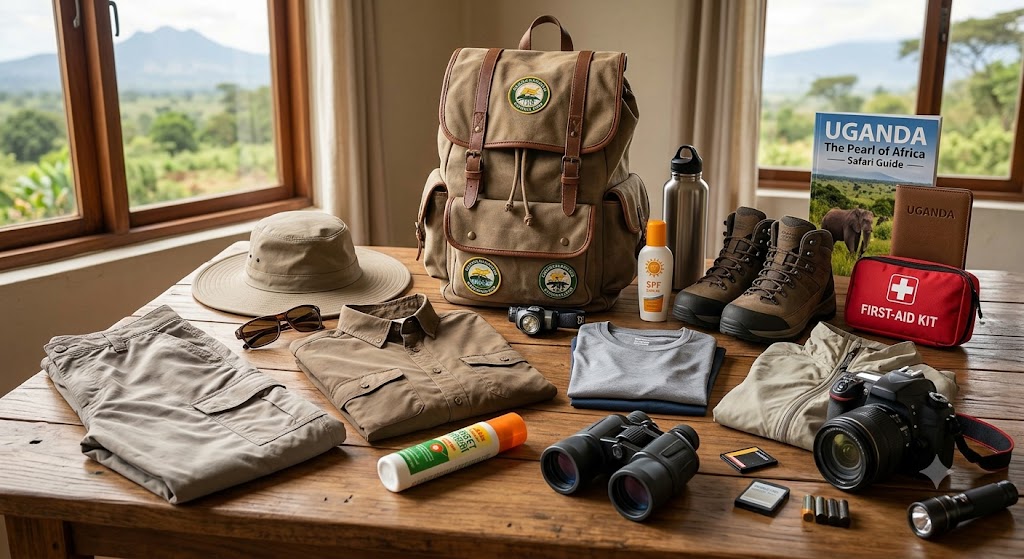
Packing for a Uganda safari is a bit different from packing for a beach holiday or a city break. You'll move between warm savanna afternoons, chilly high-altitude forest mornings, and the occasional unexpected downpour — sometimes all in the same day. Get the packing list right, and you'll spend your trip enjoying gorillas, game drives, and Nile-side adventure instead of fighting the weather or your own luggage. Here's a complete, practical guide to what to bring.
Top Things To Pack For A Uganda Safari Adventure
Clothing: Pack for Layers, Not for Fashion
Uganda's temperature doesn't swing wildly by world standards, but it does shift a lot between early morning, midday, and evening — especially at altitude in places like Bwindi Impenetrable Forest and Mgahinga, where nighttime and early-morning temperatures can drop into the low-to-mid teens Celsius even though the country sits on the equator. The smartest approach is to dress in light layers you can add or remove as the day warms up.
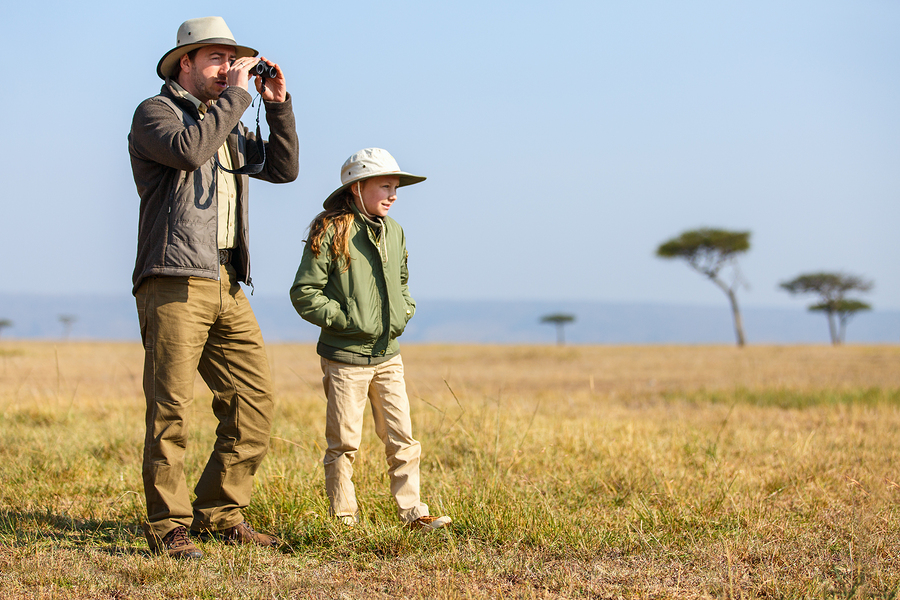
Pack for your trip:
- Long-sleeved shirts and long trousers — these protect against sun, insect bites, thorns, and nettles during forest walks and gorilla treks. Khaki, olive, and other neutral, muted colours are best; avoid bright colours and pure white or black in the bush, since bright tones can startle wildlife and dark colours attract tsetse flies.
- A warm fleece or light sweater — essential for early morning game drives and evenings at higher-altitude lodges, where temperatures can feel surprisingly cold after dark.
- A waterproof rain jacket — rain can appear with little warning in Uganda's forests at any time of year, dry season included.
- Quick-drying, lightweight shirts and shorts — comfortable for warmer midday stretches, around the lodge, or on relaxed days.
- Swimwear — useful for lodge pools, crater lakes, or coastal-style stops along Lake Victoria.
- Modest, non-revealing clothing — worth having on hand for visits to cultural or religious sites such as the Uganda National Mosque, Kasubi Tombs, or the Kabaka's Palace.
- A wide-brimmed hat and sunglasses — sun exposure adds up quickly, even on overcast days near the equator.
Footwear
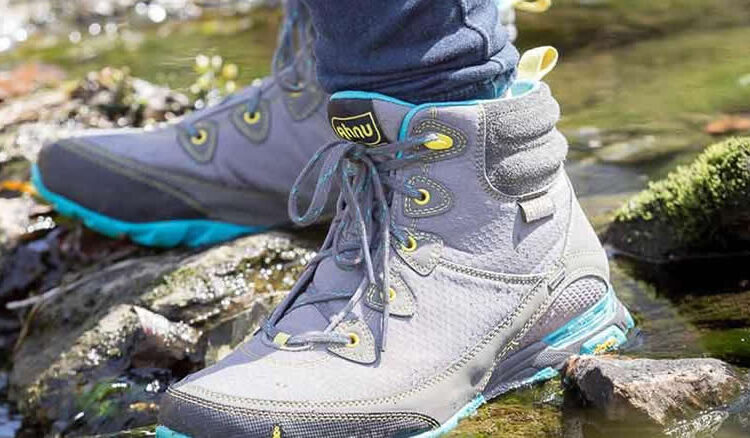
- Sturdy, broken-in hiking boots — non-negotiable for gorilla trekking. Bwindi's terrain is steep, often muddy, and sometimes trail-less, so ankle support and a solid grip matter far more than style.
- Gaiters (optional but useful) — help keep mud, biting ants, and debris out of your boots on the trek.
- Comfortable closed shoes — for game drives and general wear around camps and lodges.
- Sandals or flip-flops — for relaxing at the lodge or by the pool.
Gorilla Trekking Essentials
Gorilla trekking deserves its own packing focus, since it's the highlight of most Uganda itineraries and has genuinely specific gear needs:
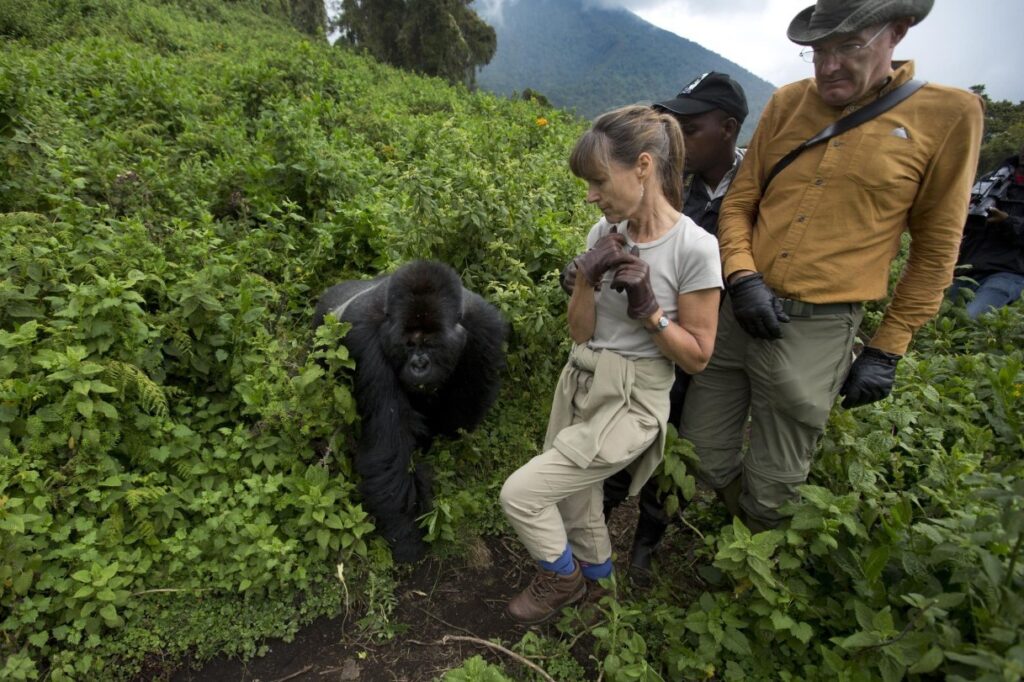
- Gardening gloves or thin trekking gloves — protect your hands from stinging nettles and thorny vegetation as you push through dense forest.
- A walking stick — usually provided free at the park briefing, but bring your own if you prefer.
- A daypack — small enough to move comfortably through the forest, big enough for water, snacks, and a rain jacket.
- A reusable water bottle — trekking can take anywhere from one to several hours depending on where the gorilla family is that day, so staying hydrated matters.
- Energy snacks — trekking is physically demanding, and a packed lunch or snack bar goes a long way.
- A face mask — required by park regulations when in close proximity to the gorillas, to protect them from human respiratory illness.
- A dry bag or plastic bag for your camera/phone — forest weather is unpredictable, and gear doesn't dry out quickly once wet.
Health and Safety Items

- Insect repellent — ideally containing DEET, to help guard against mosquito and tsetse fly bites.
- Anti-malarial medication — Uganda is a malaria-risk country, so consult your doctor about the appropriate prophylaxis before you travel.
- A basic first-aid kit — plasters, antiseptic, blister care, and any personal medication, since minor scrapes and sore muscles are common after a day of trekking.
- Sunscreen — high SPF, even on cloudy days.
- Hand sanitizer and wet wipes — useful throughout, especially after treks and game drives.
- Prescription medication and glasses — bring more than you think you'll need, along with copies of prescriptions.
Documents and Money
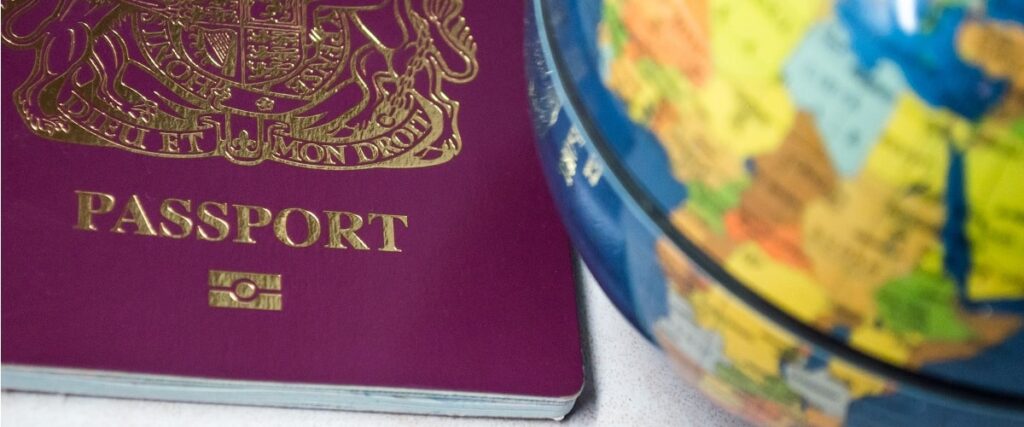
- Passport and visa — with the required validity period remaining.
- Yellow fever vaccination certificate — generally required for entry into Uganda.
- Gorilla trekking permit confirmation — printed or saved digitally, along with your booking confirmations.
- Cash in small denominations (USD and Ugandan shillings) — useful for tipping guides, porters, and drivers, and for small purchases in areas where cards aren't accepted.
- Travel insurance details — including emergency contact numbers.
Electronics and Extras
- Camera with a good zoom lens — for wildlife and gorilla photography from a respectful distance.
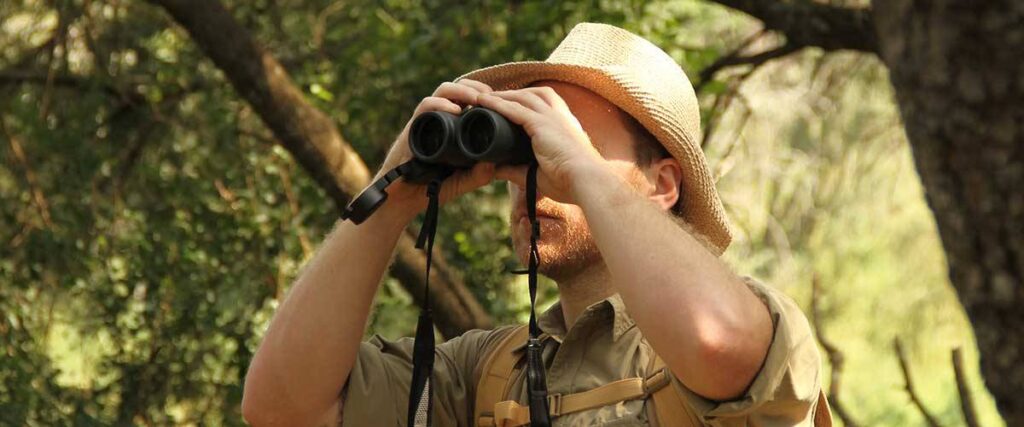
- Binoculars — genuinely useful for both game drives and birdwatching, since Uganda is home to over 1,000 recorded bird species.
- Spare batteries and a portable power bank — charging points can be limited at remote lodges.
- A universal adapter — Uganda uses the UK-style three-pin plug (type G).
- A headlamp or torch — handy for early starts and evenings at camps without full lighting.
What to Leave at Home
- Camouflage clothing — in many African countries, including Uganda, camouflage-patterned clothing is restricted to military use and best avoided by travelers.
- Excess luggage — if you're taking any domestic flights between parks, weight limits are often strict (commonly around 15–20 kg per bag), so pack light and consider a soft-sided duffel bag rather than a rigid suitcase.
- Valuables and flashy jewelry — keep it simple and low-key, particularly in busier towns and cities.
A Few Packing Tips
Choose a duffel bag over a hard-shell suitcase — it's easier to fit into safari vehicles and small aircraft holds, and easier for porters to carry on gorilla treks. Pack a smaller daypack inside your main bag for day-to-day trekking and game drives. And don't over-pack: Entebbe and Kampala both have well-stocked travel and outdoor stores, so if you forget something, it's usually easy to pick up locally before you head out to the parks.
Ready to Plan Your Uganda Safari?
Getting your packing list right is one part of a great safari — getting the right itinerary, guide, and vehicle is the other. If you'd like help planning your trip with advice on what to pack for a Uganda safari, matching it to the right season, or arranging a car and driver for your Uganda adventure, get in touch and we'll take care of the details. To book a safari in Uganda today, simply contact us now by sending an email to info@ugandasafaribookings.com or call +256-700135510.