
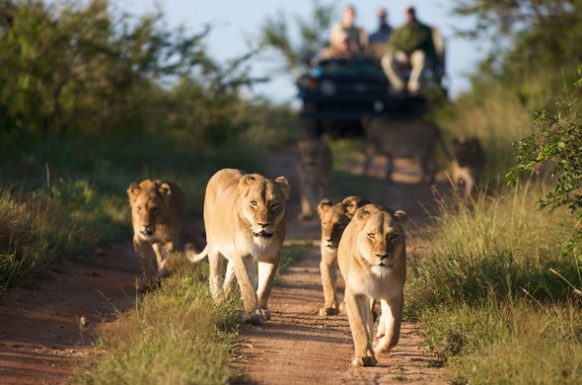
Uganda is often called the Pearl of Africa, and for good reason: it's one of the only places on Earth where you can trek face-to-face with mountain gorillas in the morning and watch tree-climbing lions from a game drive vehicle by afternoon. Compared to Kenya and Tanzania's classic open-savanna safaris, Uganda offers something different — dense rainforest, dramatic crater lakes, the source of the Nile, and an extraordinary concentration of primates alongside its Big Five wildlife. If you're planning your first Uganda safari adventure, this guide covers everything you need to know to plan it well: where to go, what it costs, when to travel, and how to put it all together.
Why Uganda?
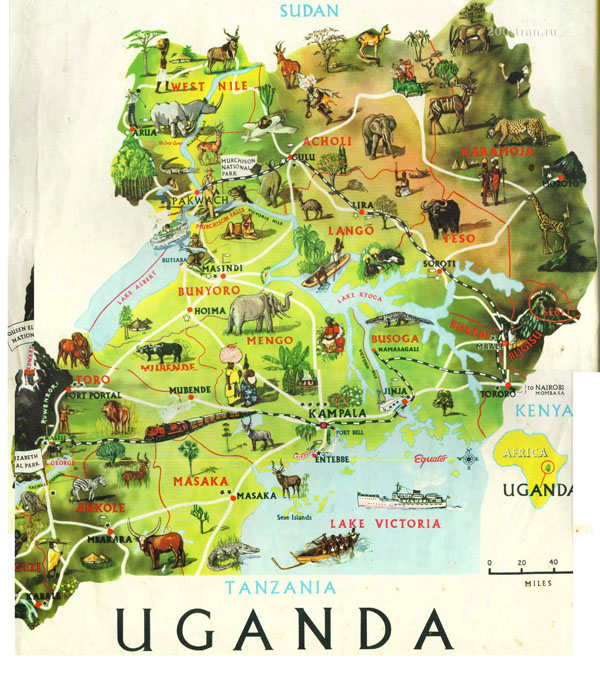
Uganda punches well above its size when it comes to biodiversity. It's home to roughly half of the world's remaining mountain gorillas, over 1,000 recorded bird species, the source of the White Nile, and ten national parks ranging from dense tropical rainforest to open savanna to semi-arid wilderness. Unlike destinations built almost entirely around one type of experience, a Uganda safari can genuinely combine gorilla trekking, classic game drives, chimpanzee tracking, white-water adventure, and cultural encounters into a single trip — often without the crowds you'll find in more heavily trafficked East African parks.
Uganda's Top Safari Destinations
Bwindi Impenetrable National Park
Uganda's flagship destination and the reason many travelers come in the first place. Bwindi is home to roughly half of the world's mountain gorilla population, spread across four trekking sectors — Buhoma, Ruhija, Rushaga, and Nkuringo — each with its own character and difficulty level. This is dense, ancient rainforest, and the trekking is genuinely physical, but the payoff — an hour spent within metres of a wild gorilla family — is why most people say Uganda changed how they think about wildlife travel.
Mgahinga Gorilla National Park
Uganda's second gorilla trekking destination, in the far southwest along the Virunga volcanoes bordering Rwanda and the DRC. Smaller and less visited than Bwindi, Mgahinga also offers golden monkey tracking and volcano hiking as an alternative to (or combination with) gorilla trekking.
Queen Elizabeth National Park
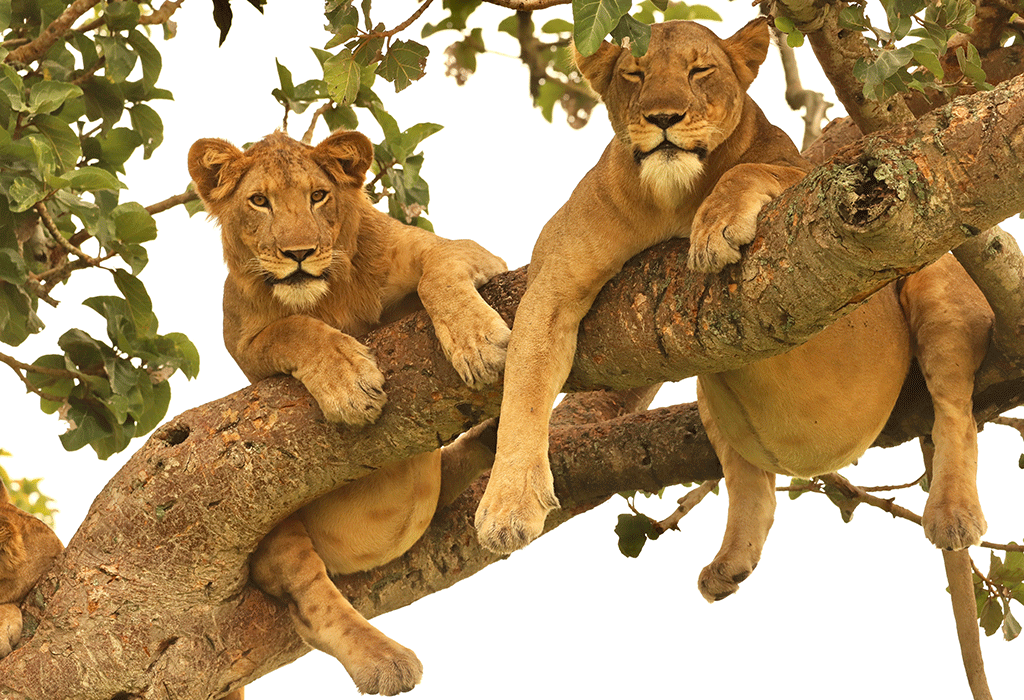
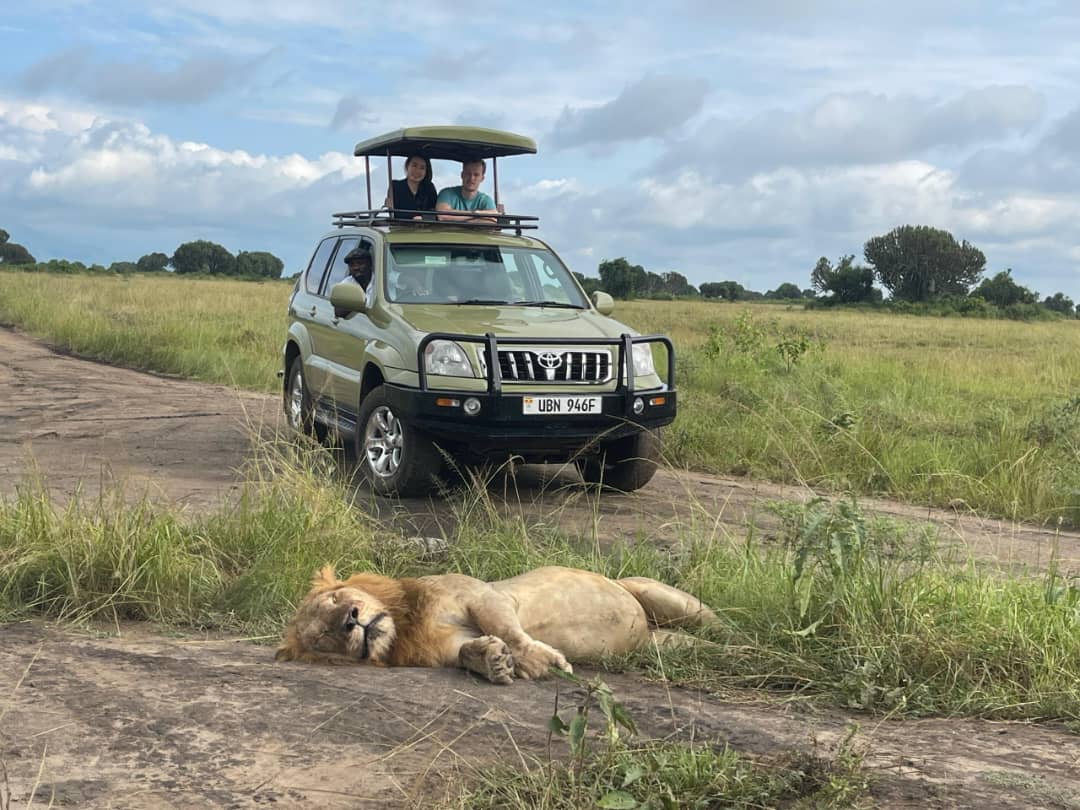
Uganda's most popular savanna park, known for tree-climbing lions in the Ishasha sector, boat cruises along the Kazinga Channel packed with hippos and elephants, and genuinely excellent birding. It's also one of the more accessible parks, making it a natural pairing with Bwindi on a combined itinerary.
Murchison Falls National Park
Uganda's largest national park, centred on the dramatic point where the Nile forces itself through a narrow gorge before plunging over Murchison Falls. Game drives here turn up large herds of elephants and buffalo, plus giraffes, lions, and one of the best boat cruises in East Africa, right up to the base of the falls.
Kibale Forest National Park
The best place in Uganda — arguably in Africa — for chimpanzee tracking, with the highest chimpanzee habituation success rate on the continent. Kibale pairs naturally with Queen Elizabeth National Park for travelers wanting primates and savanna wildlife on the same route.
Kidepo Valley National Park
Remote, rugged, and stunning, tucked into Uganda's far northeastern corner bordering South Sudan and Kenya. Kidepo sees a fraction of the visitors other parks do, offering a genuinely wild, uncrowded safari experience, though its remoteness means it's best reached by domestic flight or built into a longer overland itinerary.
Lake Mburo National Park
Uganda's most accessible savanna park, just a few hours from Kampala, making it a popular stop on the way to or from the southwest. It's small, relaxed, and one of the only parks in Uganda where walking safaris and cycling among wildlife are possible.
Types of Uganda Safaris
Uganda's safari offering goes well beyond classic game drives:
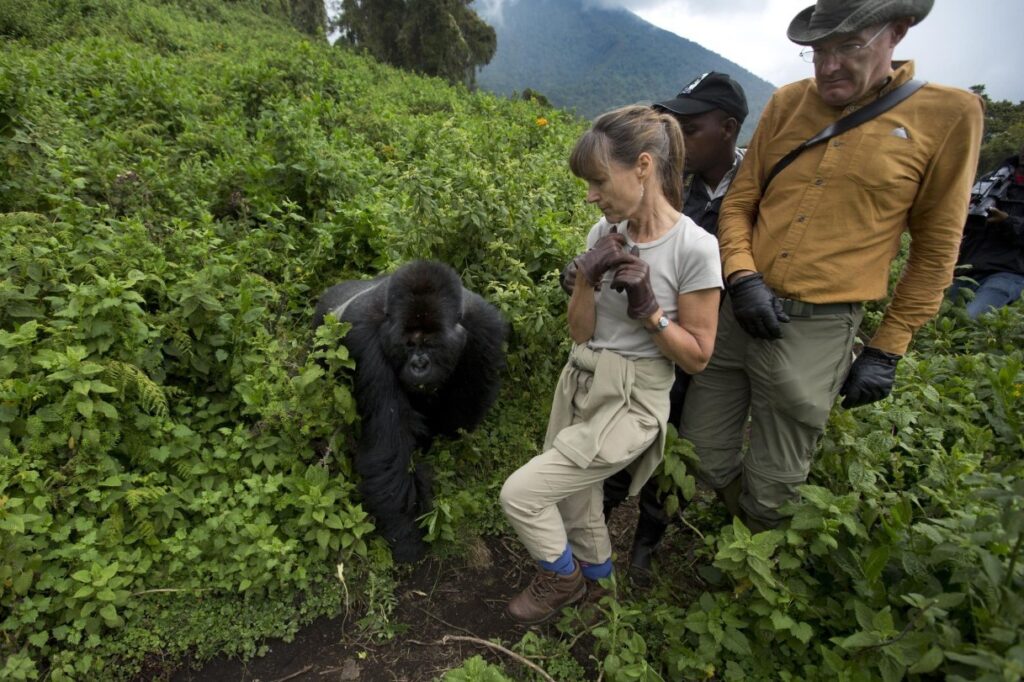
- Gorilla trekking safaris — the headline experience, centred on Bwindi and Mgahinga.
- Wildlife/game safaris — classic savanna game drives and boat cruises in Queen Elizabeth, Murchison Falls, and Kidepo.
- Chimpanzee tracking safaris — centred on Kibale Forest, with additional opportunities in Budongo Forest near Murchison Falls.
- Birding safaris — Uganda is one of Africa's premier birding destinations, with species like the shoebill stork drawing dedicated birders to wetlands like Mabamba Swamp.
- Adventure sports tours — white-water rafting, bungee jumping, and kayaking around Jinja, plus mountain trekking in the Rwenzoris.
- Cultural tours — encounters with Uganda's kingdoms and communities, from the Buganda royal sites around Kampala to Batwa cultural experiences near Bwindi.
- Family safaris — itineraries built around age restrictions (gorilla trekking has a minimum age of 15) and family-friendly pacing.
- Camping safaris — a more affordable, immersive way to experience the parks, for travelers who don't need lodge-level luxury.
How Much Does a Uganda Safari Cost?
Costs vary widely based on accommodation level, trip length, and whether gorilla trekking is included, but as a general guide for 2026:
- Budget safaris: roughly US$150–300 per person per day, covering simple lodges or camping, shared or budget transport, and basic full-board meals.
- Mid-range safaris: roughly US$300–500 per person per day — the most popular tier, offering comfortable lodges, private 4x4 transport with a driver-guide, and good full-board meals.
- Luxury safaris: roughly US$600–1,500+ per person per day, covering premium lodges, private guiding, and top-tier service.
On top of your daily rate, factor in fixed costs like the gorilla trekking permit (around US$800 per person for foreign non-residents in 2026, with a discounted rate around US$600 in the low-season months of April, May, and November), chimpanzee permits (around US$250), and park entrance fees, which are charged per 24-hour period per park. A typical 7–10 day mid-range Uganda safari, including gorilla trekking, generally runs somewhere in the range of US$2,500–6,000 per person, excluding international flights.
Best Time to Visit Uganda
Uganda has two dry seasons — June to September and December to February — which are the most popular times for gorilla trekking and wildlife viewing, since trails are firmer and animals gather more predictably around water sources. The wetter months (March to May and October to November) bring lower prices, greener scenery, and excellent birding, along with muddier trekking conditions and easier gorilla permit availability. For a full breakdown by month and by activity, see our complete guide: What Is the Best Time to Visit Uganda?
Gorilla Trekking: What First-Timers Should Know
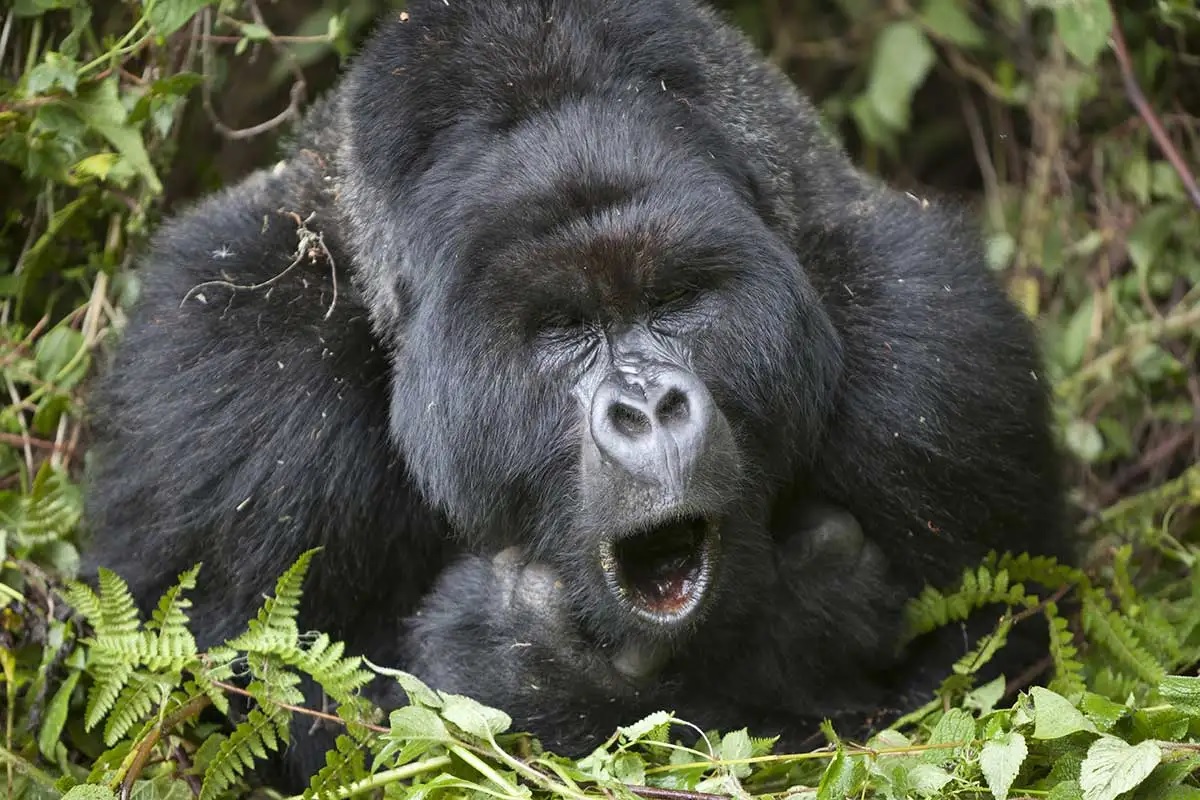
Gorilla trekking deserves special attention since it's the reason most first-time visitors book a Uganda trip in the first place. In brief: you'll need a UWA-issued permit (book months in advance for peak season), a reasonable level of fitness for a hike that can run from under an hour to several hours through steep forest terrain, and a willingness to get muddy. In exchange, you get a full hour in the presence of a wild, habituated gorilla family — an experience most travelers describe as genuinely life-changing. For the full permit booking process, see our guide: Book a Gorilla Permit in Uganda Online
Planning Your Trip: The Essentials
A well-planned first Uganda safari generally comes together in this order:
- Decide on your priorities and trip length. Gorilla trekking alone can be done in 3–4 days; combining it with a savanna park and/or chimpanzee tracking typically needs 7–10 days.
- Book your gorilla permit early, especially for June–September or December–February travel, since permits are limited and sell out months in advance.
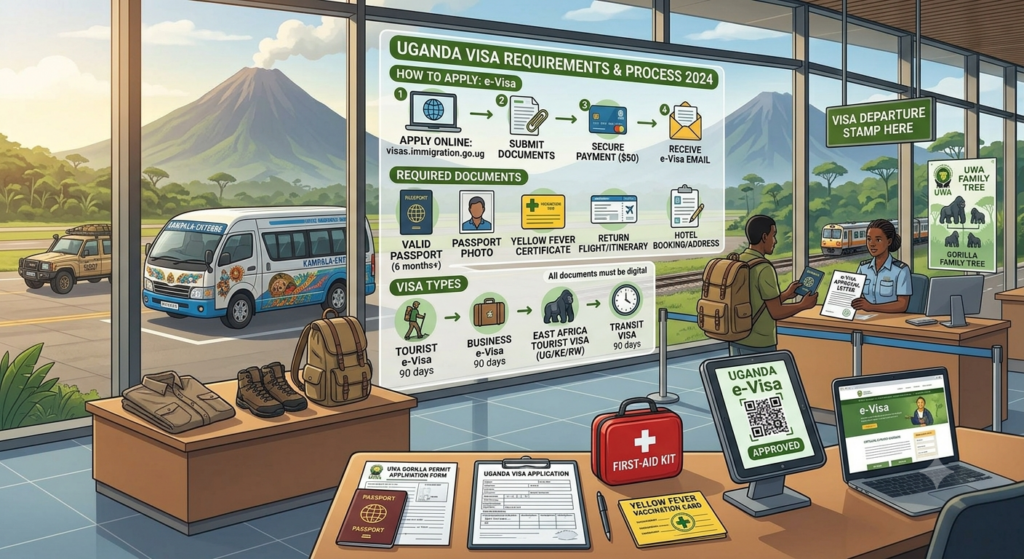
- Apply for your visa. Uganda now runs an online e-Visa system — see our guide: Visa Requirements When Traveling to Uganda
- Sort out your vaccinations, starting with the mandatory yellow fever vaccine — see our guide: Health & Vaccination Requirements
- Choose your accommodation tier and confirm your itinerary with a local operator who can coordinate permits, lodges, and transport together.
- Arrange your transport. Most multi-park itineraries are best covered with a private car and driver — see our guide: Getting Around Uganda
- Pack appropriately for a trip that can span warm lowland savanna and chilly high-altitude forest in the same week — see our guide: What to Pack for a Safari in Uganda
Sample First-Timer Itinerary Ideas
- 4 days: Gorilla trekking-focused trip in Bwindi, ideal for travelers short on time who want the headline experience without a longer commitment.
- 7 days: Gorilla trekking in Bwindi combined with game drives and a Kazinga Channel boat cruise in Queen Elizabeth National Park — the most popular first-timer combination.
- 10 days: The above, plus chimpanzee tracking in Kibale Forest and a few days in Murchison Falls for classic savanna game viewing and the Nile boat cruise.
- 14 days: A full circuit adding Kidepo Valley or an extension across the border into Rwanda for gorilla trekking comparison, or Jinja for a few days of adventure sports along the Nile.
Safety and Health

Uganda is generally safe and welcoming for tourists, and the tourism infrastructure around its main parks and gorilla trekking sites is well organized. As with any international trip, sensible precautions and up-to-date health preparation matter. See our detailed guides: Safety Tips for Traveling in Uganda and Weather & Climate of Uganda
Got More Questions?
For quick answers to the most common questions first-time visitors ask — about permits, costs, packing, safety, and more — check our full Uganda Safari FAQs.
Start Planning Your Uganda Safari
A great first Uganda safari comes down to good planning: the right parks for your interests, permits booked early, and reliable transport tying it all together. We handle every part of that process — gorilla permits, itinerary design, accommodation, and an experienced local driver-guide from the moment you land.
📧 info@ugandasafaribookings.com 📞 +256-700135510