
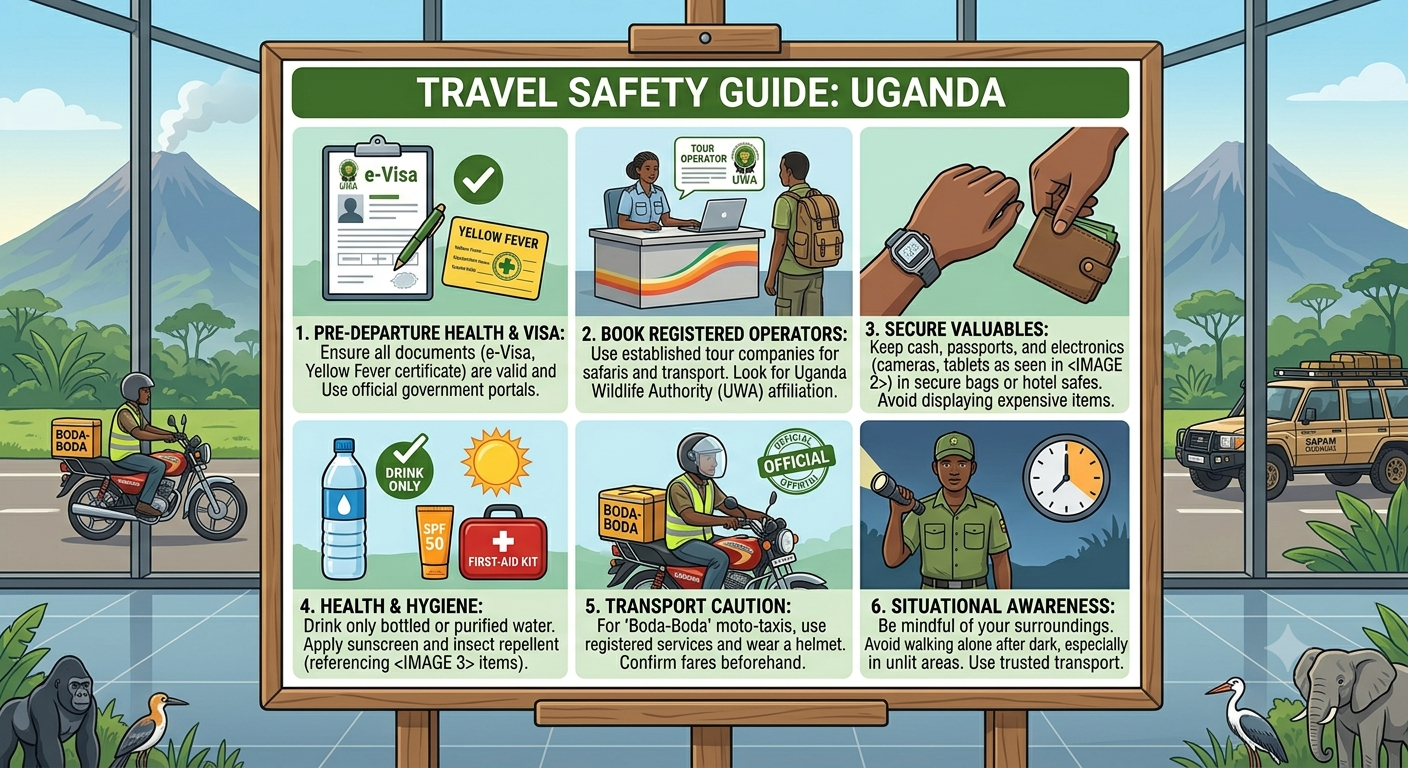
Uganda welcomes well over a million international visitors a year for gorilla trekking, wildlife safaris, and adventure travel, and the vast majority experience nothing more dramatic than a great trip. That said, sensible preparation makes a real difference, and a few of Uganda's current risk factors are worth understanding before you go, not just the general travel-safety basics. Here's a practical, honest guide to staying safe while traveling in Uganda.
Check Current Government Travel Advisories First
Before anything else, check the latest travel advisory from your own government (US, UK, Australia, Canada, and others all publish regularly updated Uganda advisories) close to your departure date. Conditions in Uganda can shift — political tensions around elections, localized disease outbreaks, or security incidents in specific regions — and these advisories are updated far more frequently than any single article can be. Uganda held presidential elections in January 2026, and periods of political tension in the country have historically led to protests, temporary restrictions on movement, and occasional curfews, so it's worth confirming there's nothing unusual happening around your travel dates.
General Safety in Cities and Towns
Most visitor safety concerns in Uganda are the same as those in many developing travel destinations worldwide, and they're manageable with common sense:
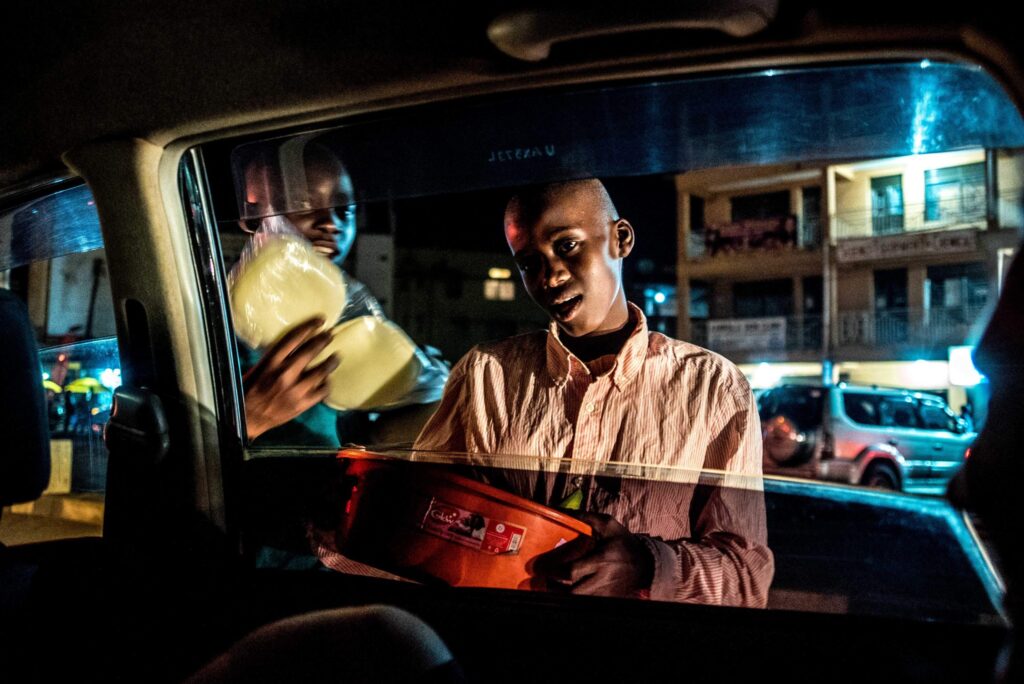
- Petty crime — pickpocketing, bag-snatching, and phone theft — is the most common issue tourists actually encounter, particularly in busy areas like Kampala's taxi parks and Entebbe's public beaches. Keep valuables out of sight, avoid displaying expensive jewelry, watches, or smartphones openly, and keep bags zipped and close to your body in crowds.
- Avoid walking alone after dark, especially in unfamiliar areas of cities and towns. Use a registered "special hire" taxi or a pre-arranged driver instead of hailing a random boda-boda at night.
- Violent crime, including armed robbery, does occur and is more common in larger cities and along Uganda's western and northern border regions, so it's worth being extra cautious in those areas and following local guidance closely.
- Don't resist a robbery attempt. If you are targeted, the standard safety advice — from multiple government travel advisories — is to hand over valuables rather than physically resist.
- Stay alert around large gatherings, including political demonstrations, large-scale worship events, and festivals, which can occasionally turn unpredictable or be the target of unrest.
Terrorism Awareness
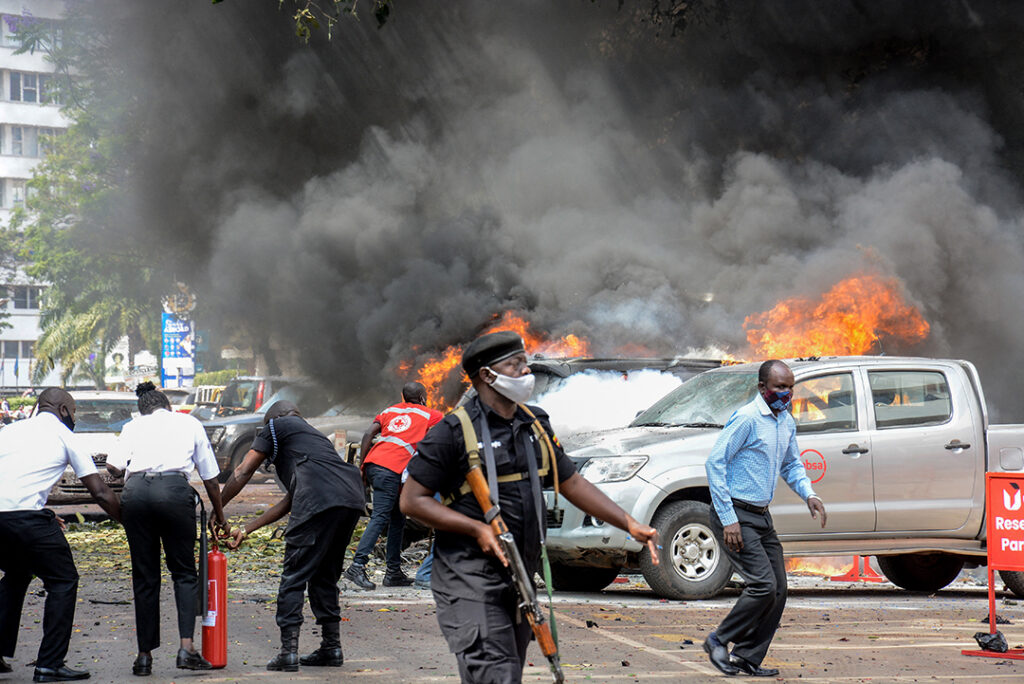
Terrorism is considered a genuine, if lower-probability, risk in Uganda, and several travel advisories flag hotels, restaurants, bars, and other tourist-frequented spots as potential targets. In response, Uganda has increased security measures in many public places, so expect body, bag, and vehicle checks at hotels, malls, and public venues — these are routine rather than a sign of a specific threat, and it's worth simply cooperating and allowing extra time for them. Pay attention to any official security guidance you're given during your trip, particularly from your tour operator or lodge.
Gorilla Trekking Safety
Gorilla trekking in Bwindi Impenetrable and Mgahinga Gorilla National Park is generally very well managed, with UWA rangers accompanying every trek and armed security often present due to the parks' proximity to more unstable border areas. A few points worth knowing:
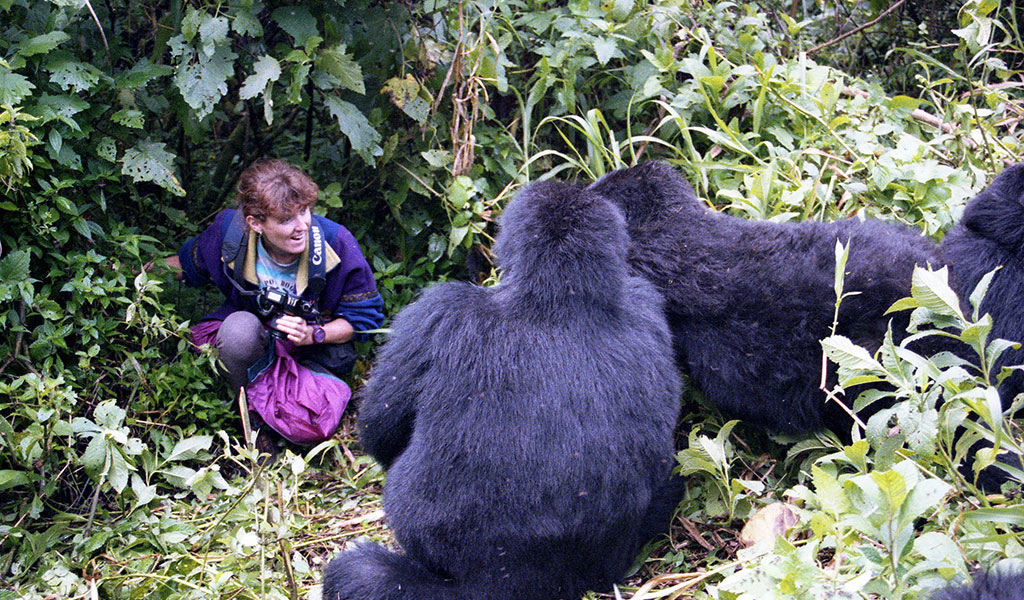
- Always trek with UWA rangers and a licensed operator. Never attempt independent access to the parks.
- Avoid tours that cross into the Democratic Republic of Congo. Several government travel advisories specifically warn against gorilla trekking itineraries that cross the DRC border due to security risks on that side.
- Follow ranger instructions around the gorillas at all times, including keeping the required distance and wearing a mask if required, both for your safety and the gorillas' health.
Health and Vaccination Requirements
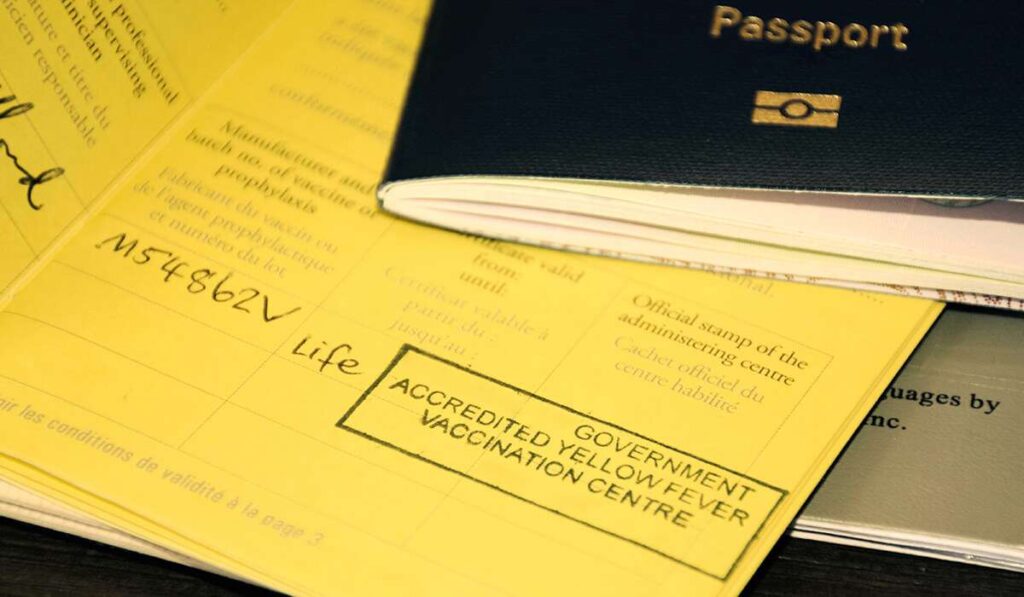
- Yellow fever vaccination is mandatory for entry into Uganda for all travelers over one year old — carry your International Certificate of Vaccination, as it will be checked on arrival.
- Malaria is present throughout the country, so antimalarial medication is strongly recommended; it's best to purchase this in your home country before departure, and to speak with a doctor or travel clinic about the right option for you.
- Uganda has experienced periodic outbreaks of Marburg virus disease, a serious viral illness. Check current health advisories for any active outbreak areas before you travel, and if one is flagged, avoid affected regions and maintain good hygiene practices, including avoiding close contact with anyone showing symptoms of illness.
- Never drink tap water. Stick to bottled or properly treated water throughout your trip; bottled water is inexpensive and widely available.
- Be cautious swimming in lakes and rivers. Bilharzia (schistosomiasis) is present in many of Uganda's freshwater bodies. Some lakes, like Lake Bunyonyi, are generally considered safer for swimming, but always check with your lodge or guide before taking a dip anywhere.
- Know where to go for medical care. International Hospital Kampala (IHK) is a well-regarded private facility commonly used by tourists and expats for medical emergencies.
Road and Transport Safety
- Boda-bodas (motorcycle taxis) carry real injury risk due to unpredictable traffic conditions; if you use them, insist on a helmet and consider app-based services with tracked rides over flagging one down on the street.
- Road conditions vary widely, from paved highways to rough, pothole-heavy tracks en route to some national parks, and driving is on the left-hand side, which catches out visitors used to right-hand traffic.
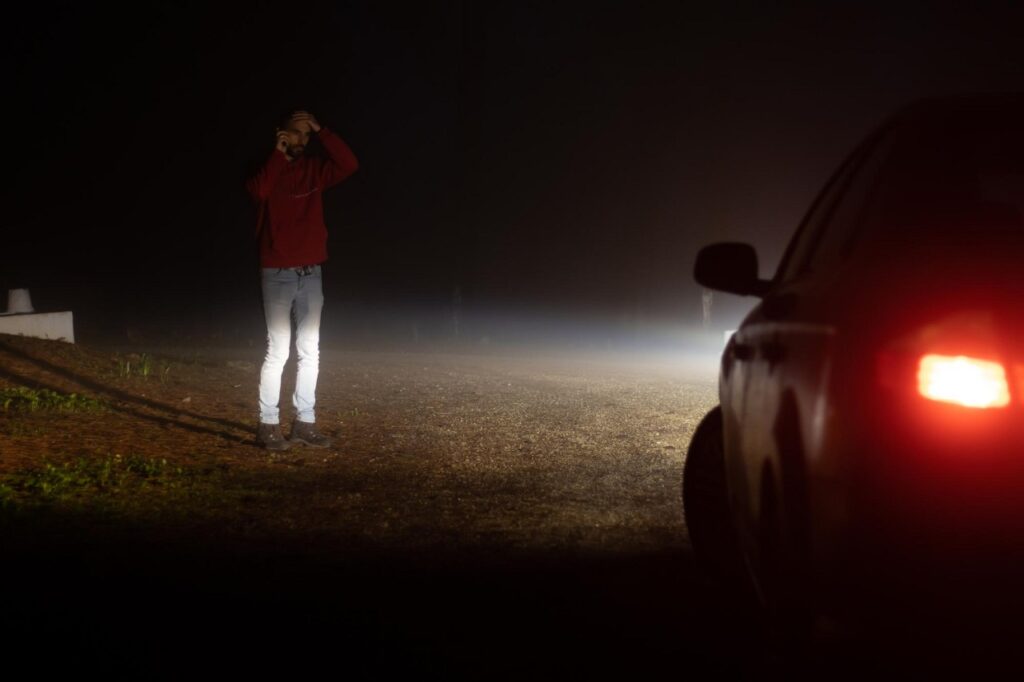
- Avoid driving at night where possible, since poor lighting, inconsistent signage, and unpredictable road users all add risk after dark.
- A private driver removes much of this risk. For visitors unfamiliar with local roads and driving customs, hiring a car with an experienced local driver is one of the simplest ways to reduce your overall travel risk in Uganda.
Solo and Women Travelers
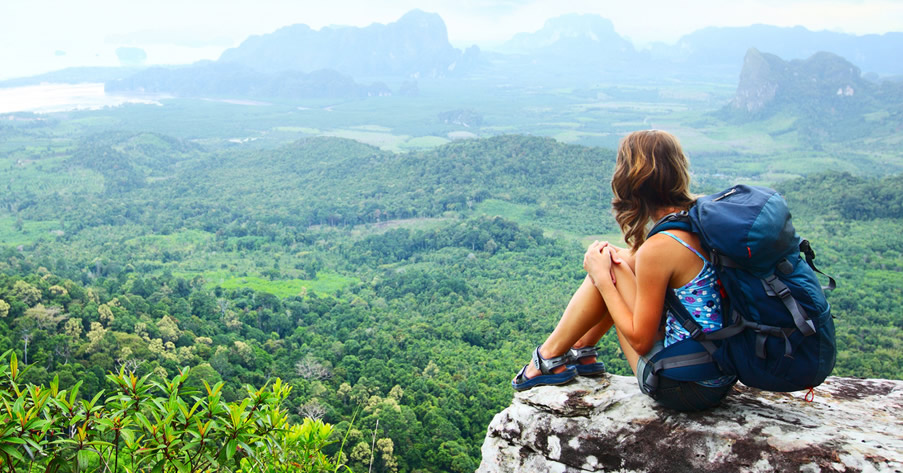
Solo travel in Uganda, including among women, is increasingly common and generally manageable with sensible precautions. Women travelers should expect occasional unwanted attention or catcalling, particularly in urban areas and on public transport, and dressing modestly can help reduce this, especially outside major tourist zones. Solo travelers of any gender are generally advised to avoid isolated areas after dark, use registered transport rather than informal options, and consider joining a small-group tour or working with a trusted local operator, particularly for more remote parts of the country.
Avoiding Scams
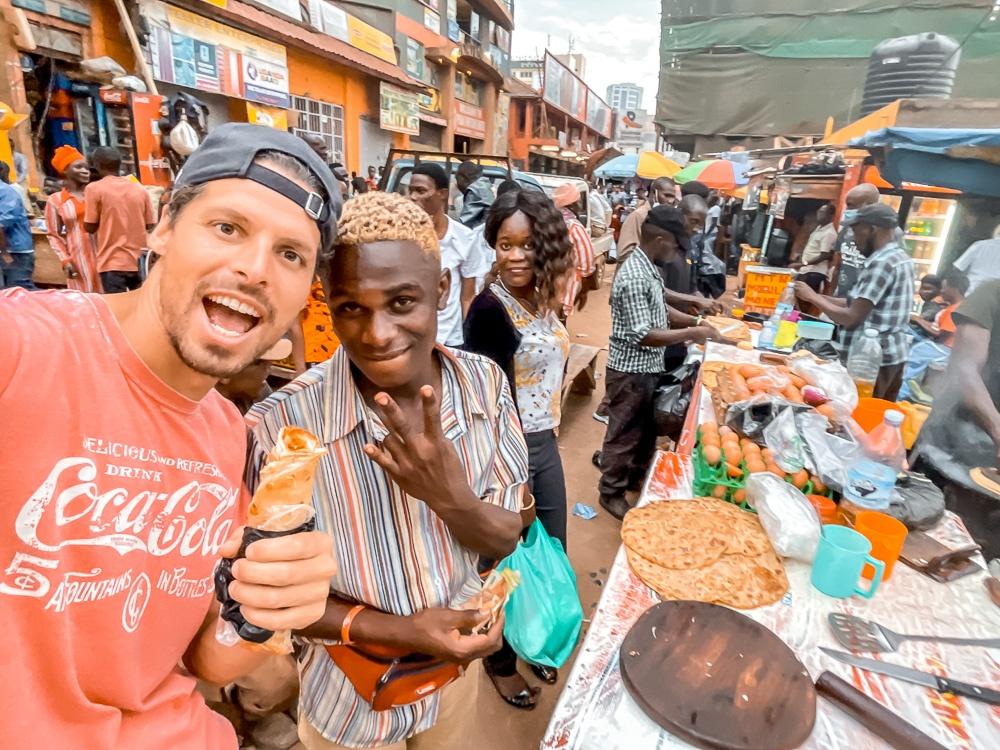
Scams targeting tourists in Uganda tend to be low-level rather than dangerous, but they're common enough to be worth knowing about: overcharging, fake or unlicensed "tour operators," unofficial guides offering unauthorized park access, and currency exchange tricks. The single best protection is booking through registered, licensed tour operators rather than informal arrangements made on the street or through unsolicited offers — a legitimate operator ensures your permits, guides, and transport are all properly arranged, and gives you someone accountable if anything goes wrong.
Money and Valuables
- Carry cash in small denominations — most everyday transport, markets, and small vendors operate on cash only, in Ugandan shillings.
- Don't carry all your cash and cards in one place. Split valuables between a money belt, daypack, and hotel safe where possible.
- Use ATMs at banks or secure locations rather than standalone machines in less busy areas.
Putting It All Together
None of this is meant to suggest Uganda is a uniquely dangerous destination — most visitors have entirely trouble-free trips, and the country's tourism infrastructure around its main attractions (national parks, gorilla trekking, and major lodges) is generally well organized and security-conscious. The consistent theme across almost every safety recommendation, though, is the same: travel with a trusted, licensed local operator, stay aware of your surroundings, and check current advisories before you go. Preparation, not anxiety, is what actually keeps a trip safe.
Travel with Local Experts You Can Trust
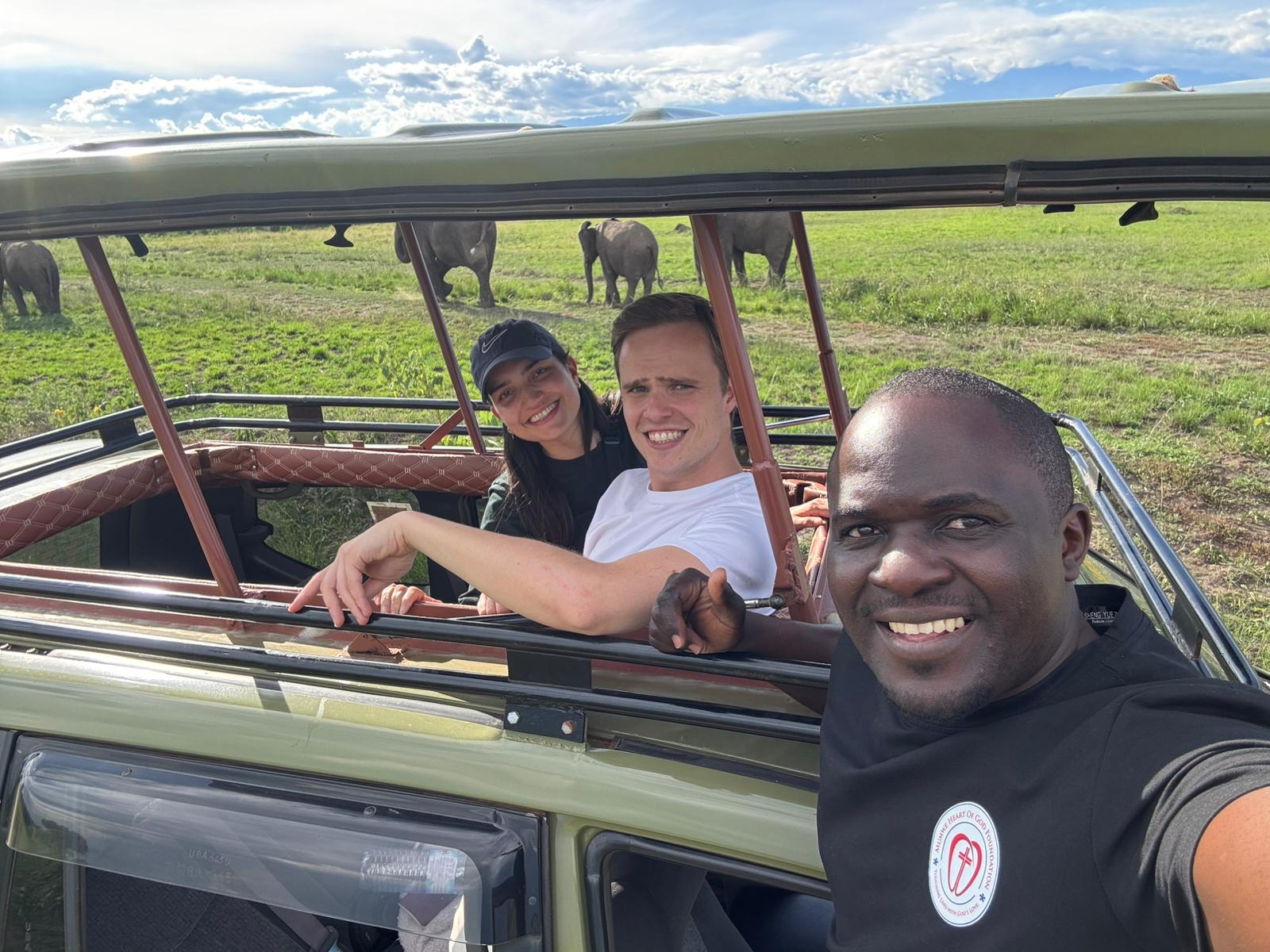
A well-organized trip, with a licensed operator, a knowledgeable local driver, and a properly planned itinerary, is one of the biggest safety factors in any visit to Uganda. Get in touch and we'll help you plan a safe, well-run trip from the moment you land to the moment you fly home. You can email to info@ugandasafaribookings.com or call us now on +256-700135510
Travel safety conditions can change. Always check your government's current travel advisory for Uganda before departure.