
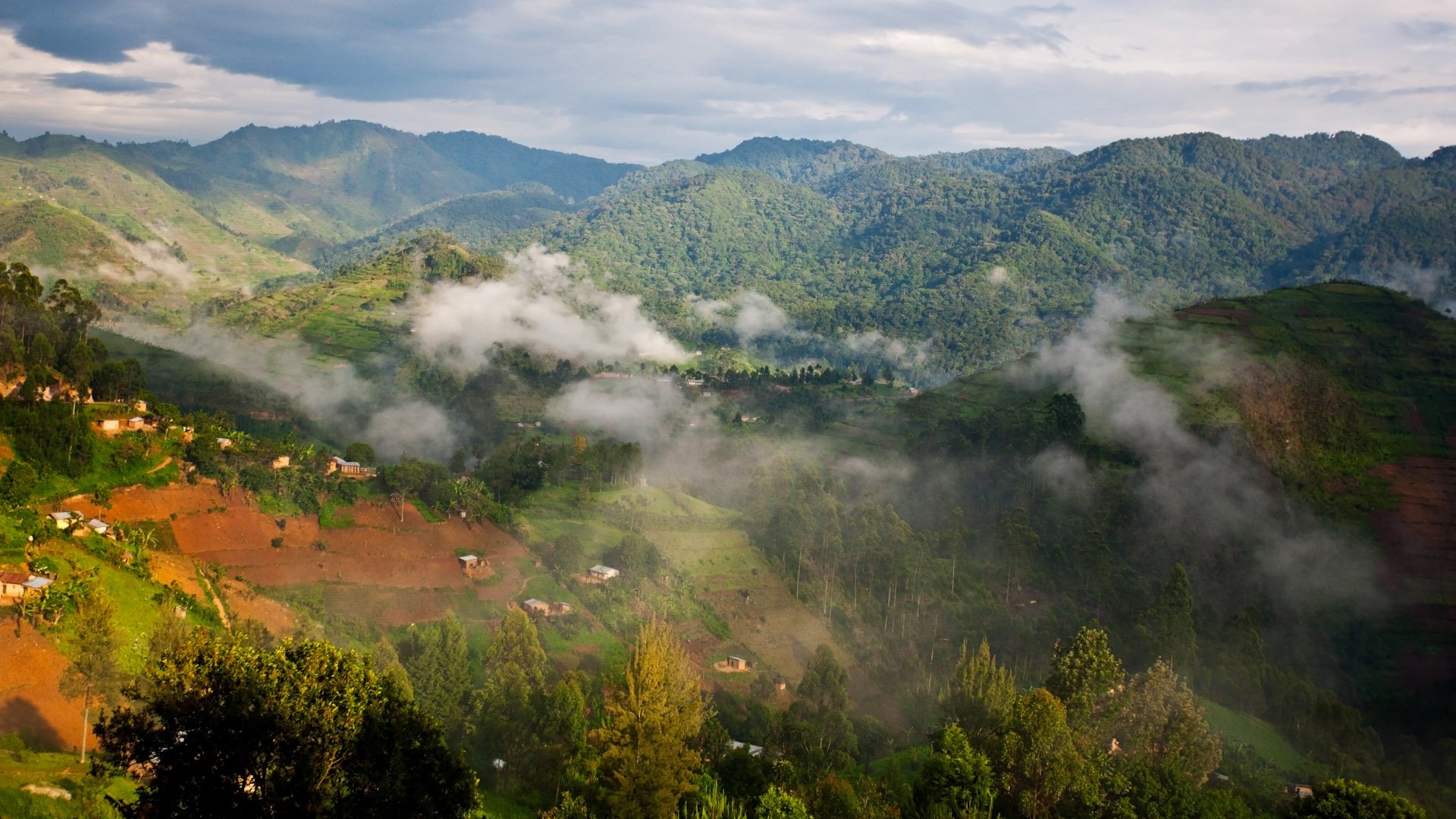
Uganda sits almost directly on the equator, which surprises a lot of first-time visitors once they arrive — rather than sweltering heat, most of the country enjoys a warm, remarkably pleasant climate year-round, tempered by altitude. Understanding how Uganda's weather actually works, and how much it varies from region to region, makes a real difference when planning gorilla trekking, safaris, or adventure activities. Here's a complete guide to Uganda's weather and climate.
Why Uganda's Climate Isn't What You'd Expect
Despite straddling the equator, Uganda doesn't experience the intense, consistent heat many people associate with equatorial countries. That's because most of the country sits on a plateau at meaningful elevation — typically between 1,000 and 1,400 metres above sea level — which moderates temperatures considerably. The result is a tropical climate that's warm rather than hot, with average temperatures generally in the low-to-mid 20s°C (roughly high 60s to mid 70s°F), and relatively little variation across the year. What does vary significantly, both by season and by region, is rainfall — and that's really the defining feature of Uganda's climate.
Temperature: Consistent, But Not Uniform
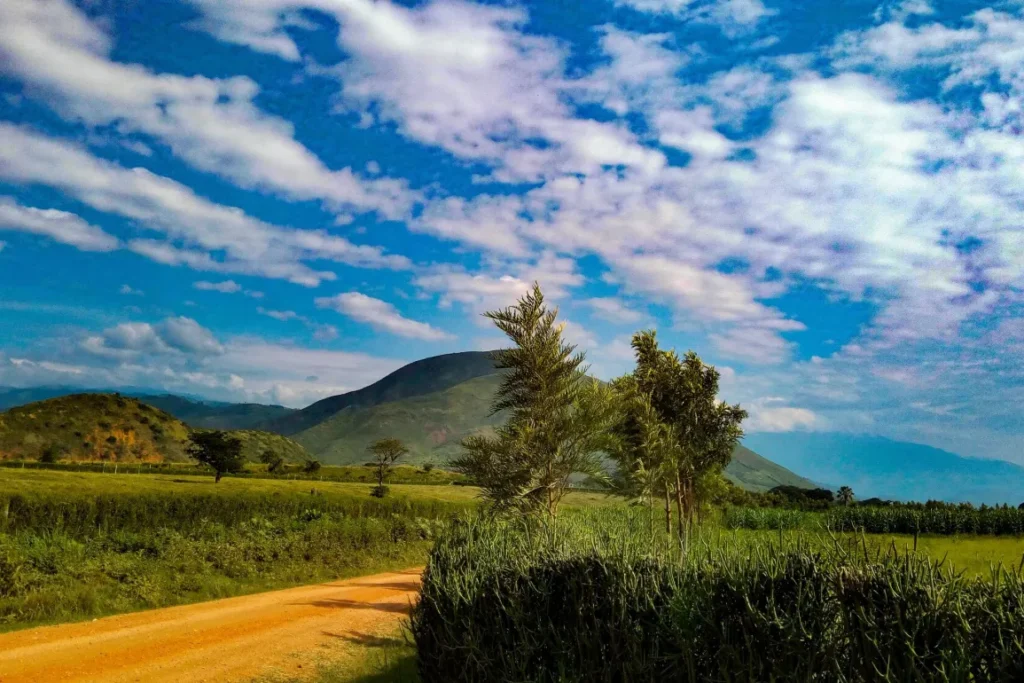
Because temperature in Uganda is driven more by altitude than by season, it varies more from place to place than it does month to month. In Kampala, sitting at around 1,200 metres near Lake Victoria, daytime temperatures typically range from the high 70s to low 80s°F (around 26–29°C), with mild nights around 17–18°C (63–64°F) that stay fairly constant throughout the year. Head up into the higher-altitude southwest — including the gorilla parks of Bwindi and Mgahinga, and the town of Kabale — and average temperatures drop noticeably, sometimes down into the mid-teens Celsius, particularly at night and in the early morning. Head instead toward the lower-lying north, and temperatures climb, with parts of the far north seeing daytime highs well into the 30s°C (90s°F) and occasional peaks near 40°C (104°F) during the hottest months of January and February.
Rainfall and Seasons
Uganda doesn't follow a single dry/wet season pattern nationwide — the country splits into two distinct rainfall zones:
The South, Central, and West (Bimodal Rainfall)
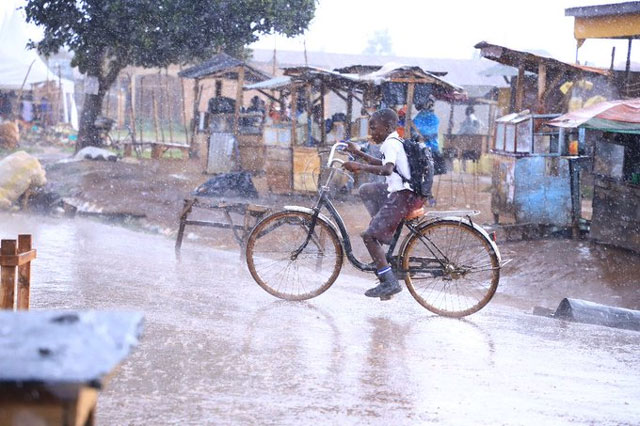
Most of Uganda's most-visited regions — Kampala, Entebbe, the Bwindi and Mgahinga gorilla parks, Queen Elizabeth National Park, and the areas around Lake Victoria — follow a bimodal rainfall pattern, meaning two distinct rainy seasons and two distinct dry seasons each year:
- Long rains: March to May
- Long dry season: June to September (sometimes extending into early October in the south)
- Short rains: September/October to November
- Short dry season: December to February
Even during the "dry" months in this part of the country, occasional rain is normal, especially in rainforest areas like Bwindi, where mist and light drizzle can occur even in peak dry season.
The Far North (Unimodal Rainfall)
Northern Uganda, including Kidepo Valley National Park, follows a different pattern altogether: a single, prolonged rainy season running roughly from April through October or November, followed by one clear, pronounced dry season from December through March. This region is also semi-arid and considerably hotter and drier overall than the south, and can experience drought conditions in some years.
Regional Climate Differences
Uganda's varied topography — plateau, lakes, mountains, and lowland basins — creates real micro climates worth understanding if your itinerary spans multiple regions:
- Kampala and Entebbe: Mild and humid, moderated by Lake Victoria, with daytime temperatures typically in the high 70s to low 80s°F and rain possible in any month.
- Bwindi and Mgahinga (gorilla trekking parks): Higher altitude, forested, and noticeably cooler, especially at night — pack warm layers even if you're visiting in the dry season, since mornings can be genuinely chilly.
- Queen Elizabeth and Murchison Falls National Parks: Warmer, lower-altitude savanna climates, well-suited to game drives, with a more classic hot-and-dry safari feel during dry months.
- Kidepo Valley (far north): Hot, dry, and semi-arid for much of the year, with its own single wet season rather than the south's two.
- Kabale and the southwest highlands: The coolest part of the country, thanks to elevation — some of Uganda's lowest average temperatures are recorded here, and warm clothing is worth packing regardless of season.
Sunshine and Humidity
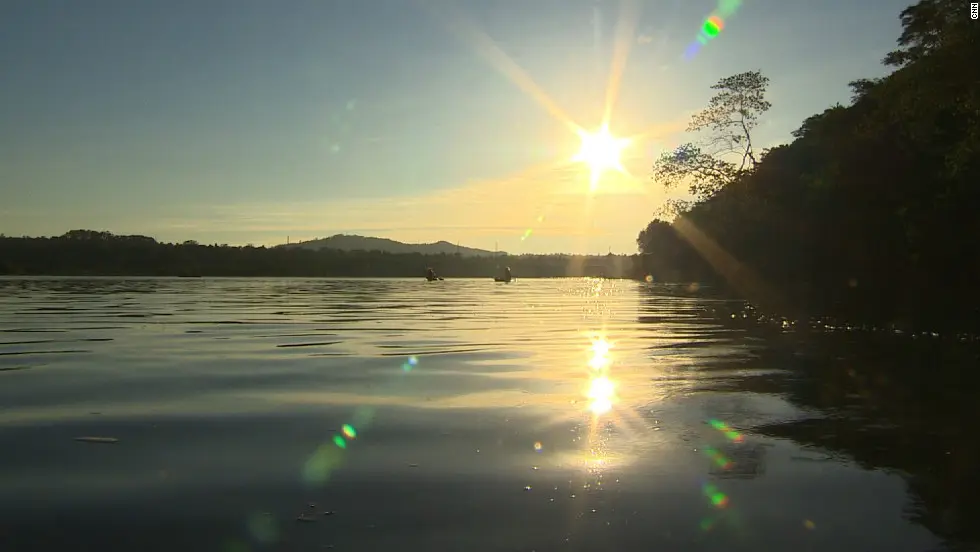
Despite the rain, Uganda actually enjoys a fair amount of sunshine overall, averaging six to eight hours of sunshine a day across much of the country, with wetter mountain districts seeing somewhat less. Humidity is generally moderate rather than oppressive, again thanks to the moderating effect of altitude — this isn't the thick, heavy humidity of low-lying equatorial rainforest found in some other tropical destinations.
What This Means for Your Trip
- Pack for layers, not for a single climate. A single Uganda itinerary can move between warm, humid Kampala, chilly high-altitude gorilla forests, and hot, dry savanna parks — sometimes within the same week.
- Rain is possible year-round, even in the dry season, particularly in forested areas. A waterproof layer is worth packing regardless of when you travel.
- The "best" season depends on your itinerary. The June–September and December–February dry windows are best for trekking and game viewing across most of the country, but if your trip includes Kidepo in the far north, that region's dry season (December–March) runs on a different schedule than the south's.
- Shoulder and wet-season travel has real upsides. Lush, green landscapes, newborn wildlife, excellent birdwatching, and lower prices all come with the rainier months, if you don't mind muddier trails and the occasional downpour.
Plan Your Trip Around Uganda's Climate
Understanding Uganda's regional weather patterns helps you pack right, choose the best time to travel, and know what to expect at each stop on your itinerary. If you'd like help planning a trip that accounts for the climate across every region you're visiting — along with reliable transport between them — get in touch and we'll help you build the right itinerary.
📧 info@ugandasafaribookings.com 📞 +256-700135510