
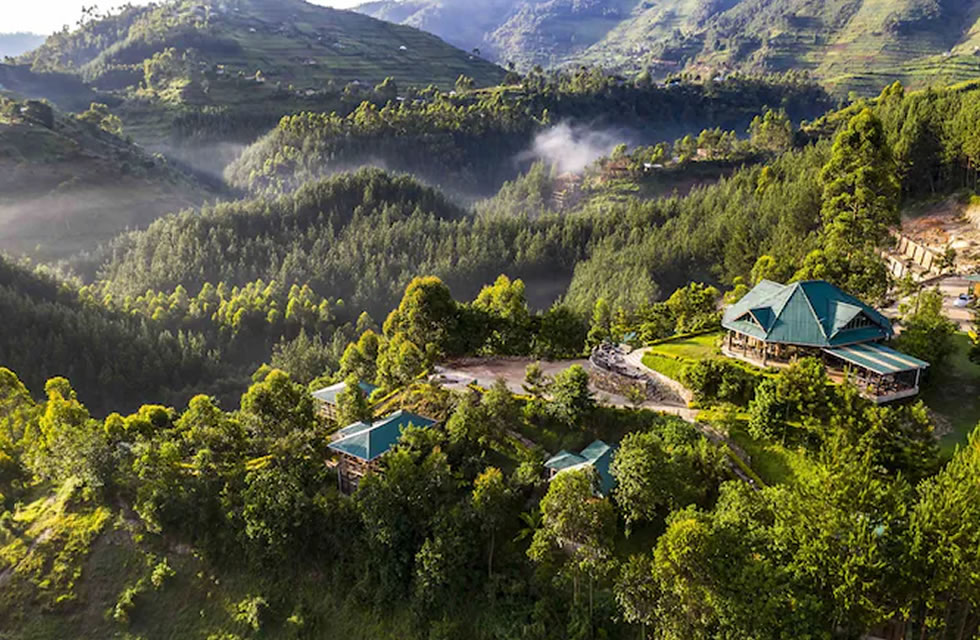
You do not need a five-figure budget to see mountain gorillas, tree-climbing lions, and hippos from a boat on the Nile. Uganda is one of Africa's most affordable safari destinations, and budget Uganda safari lodges and camps make it possible to explore its parks with comfort, safety, and plenty of character. Whether you are a backpacker, a student, a couple on a tight budget, or a family watching costs, this guide shows you where to stay, what to expect, and how to save.
Why Choose Uganda for a Budget Safari?

- Affordable accommodation. Simple lodges, bandas, hostels, and campsites cost far less than luxury properties.
- Variety in a small country. Savannah, rainforest, lakes, and the Nile are all within reach.
- Primates and big game. Few countries let you combine chimpanzees, gorillas, and classic game drives.
- Easy independence. Public transport, shared tours, and self-drive options are widely available.
- Friendly locals. Community-run camps and homestays offer warm, authentic stays.
Best Time to Visit
Uganda is warm all year because it sits on the equator.
- Dry seasons (December to February, and June to September): Best for game viewing and trekking, but prices rise and beds fill quickly.
- Wet seasons (March to May, and October to November): Greener scenery, great birding, and lower rates at many lodges. Trails are muddier, so pack proper boots.
Travelling in the wetter months is one of the easiest ways to lower your costs. Many budget Uganda safari lodges also run discounts in these periods.
Types of Budget Accommodation
| Type | What you get | Best for |
|---|---|---|
| Campsites | Space to pitch your own tent, shared toilets and showers | Backpackers and overlanders |
| Hostels and dorms | Shared rooms, social atmosphere, basic meals | Solo travellers |
| Bandas and rest camps | Simple cottages or huts, often inside or near parks | Couples and small groups |
| Community camps | Locally run stays that support villages | Culture-minded travellers |
| Budget lodges | Private rooms, restaurant, hot water | Families and comfort seekers |
Where to Find Budget Lodges and Camps
Names, prices, and standards change, so confirm details before you book.
Murchison Falls National Park
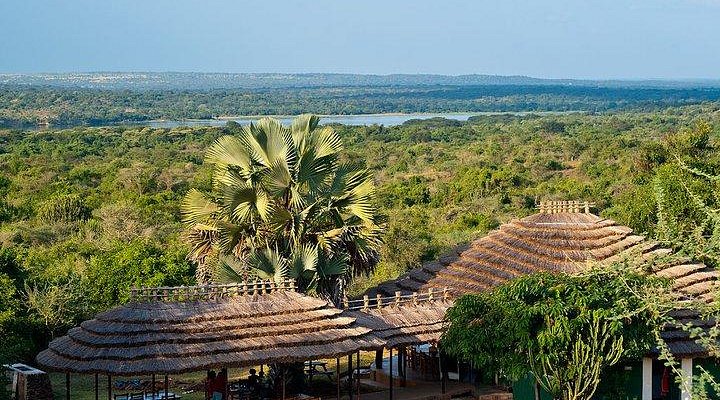
Red Chilli Rest Camp is a long-running favourite for backpackers, with campsites, dorms, and simple rooms near the park's southern gate. Staying outside the park gates is cheaper than staying inside. Budget travellers can join shared game drives and Nile boat cruises to split costs.
Queen Elizabeth National Park
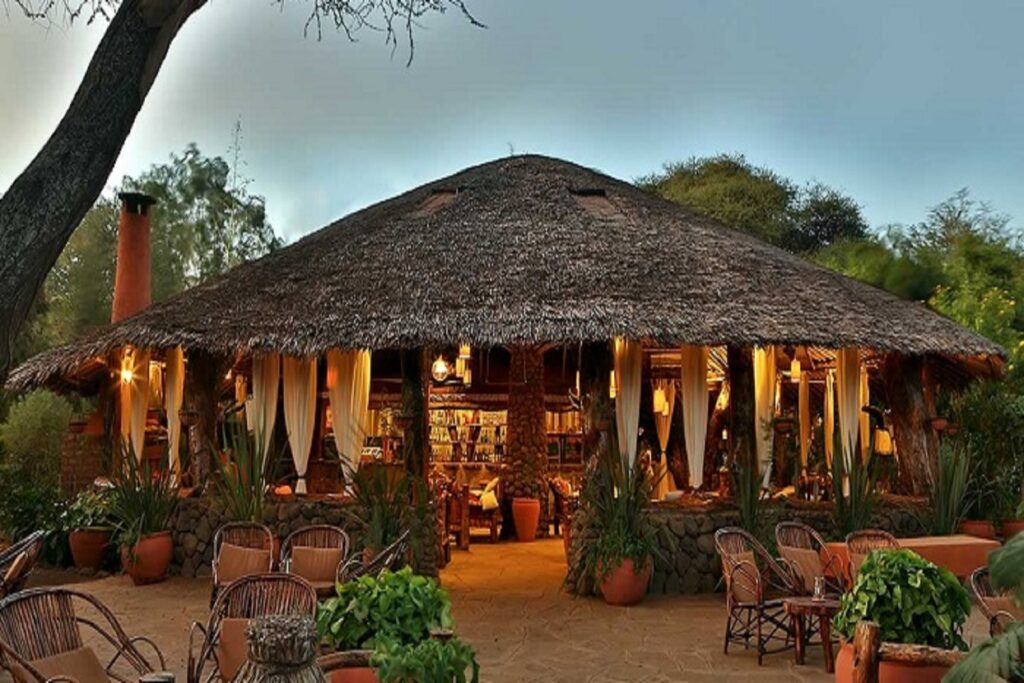
Mweya has a hostel run by the Uganda Wildlife Authority, offering inexpensive beds with great wildlife on your doorstep, including warthogs and buffalo wandering the grounds. Simba Safari Camp and other nearby camps offer affordable bandas and tent options. Join a shared Kazinga Channel boat cruise to see hippos and elephants for far less than a private trip.
Bwindi Impenetrable Forest
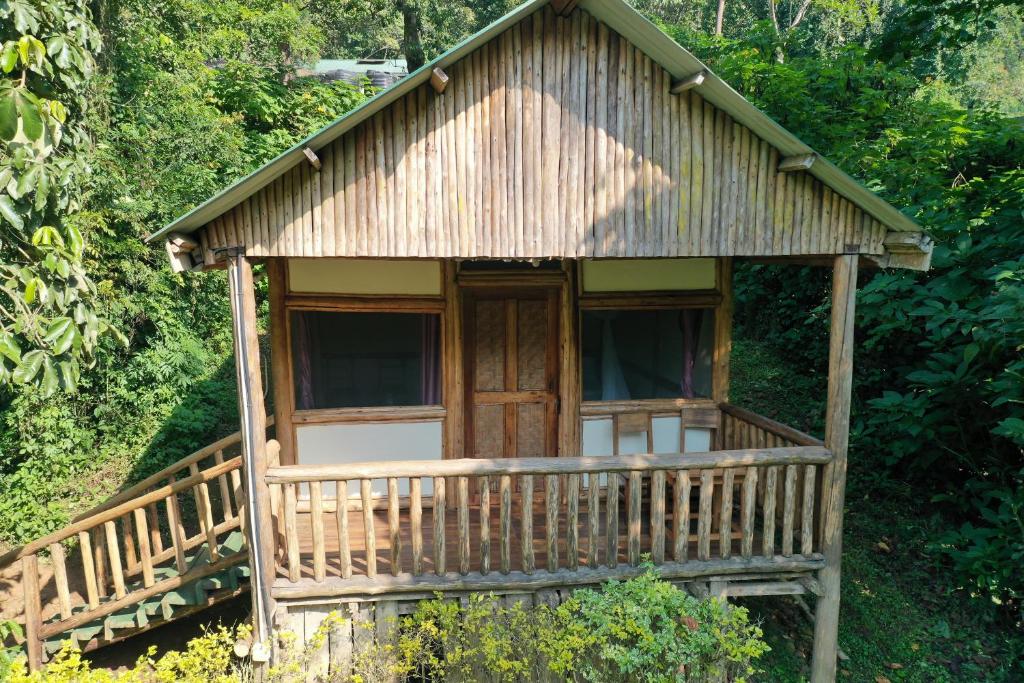
Gorilla trekking is the biggest expense of any Uganda trip, but accommodation can still be modest. Buhoma Community Rest Camp and several simple guesthouses in Buhoma, Ruhija, and Rushaga provide clean rooms and hearty meals at low cost. Staying in a village also puts your money directly into the community.
Kibale and Fort Portal
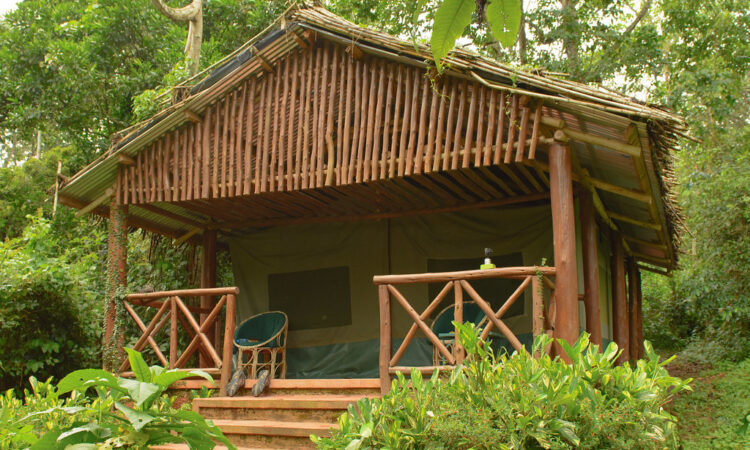
Kibale is the best place to track chimpanzees, and nearby guesthouses and camps offer modest rooms and hearty meals. The Bigodi Wetland area has community-run options, and Fort Portal has many affordable guesthouses and hostels as a base.
Lake Mburo National Park
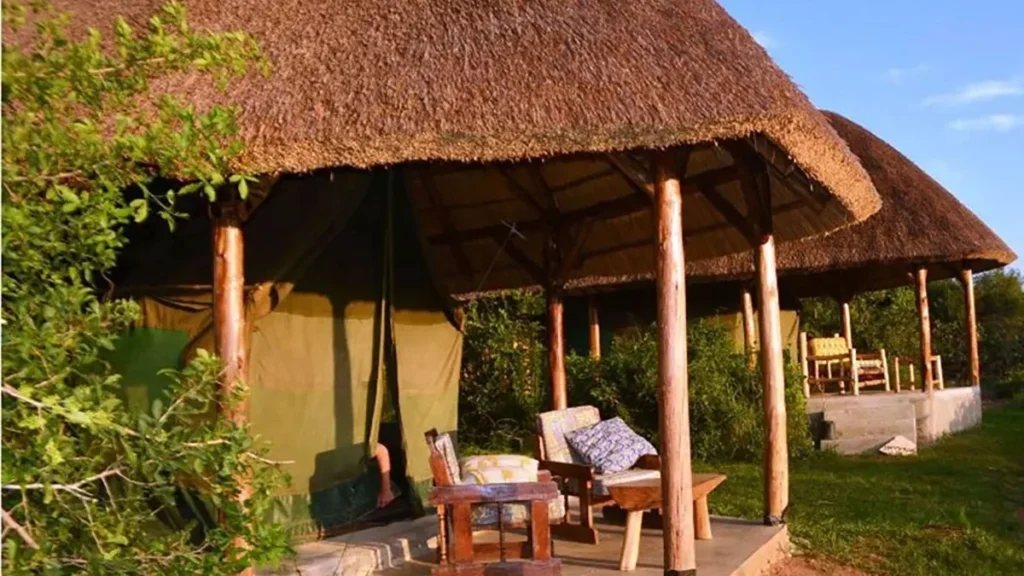
This is the closest major park to Kampala, which makes it ideal for a cheap short trip. Rwonyo Rest Camp, run by the wildlife authority, offers basic accommodation inside the park. Nearby budget camps and cottages let you enjoy walking safaris and boat trips without a high price tag.
Lake Bunyonyi
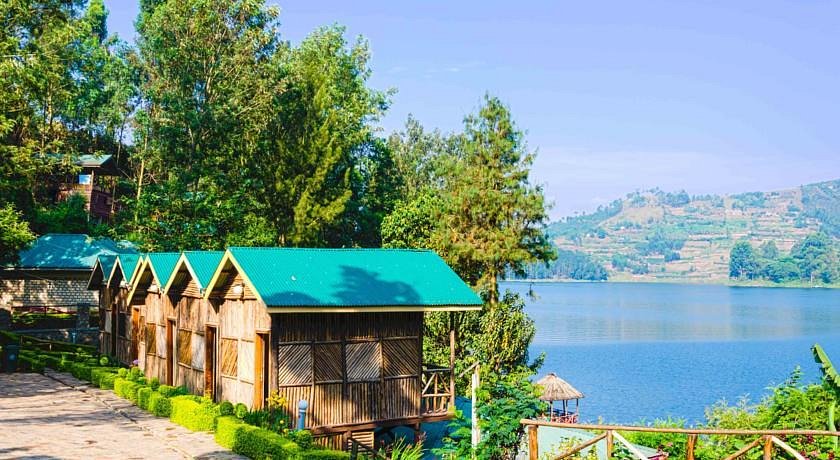
Perfect for resting after gorilla trekking, Lake Bunyonyi has lakeside campsites, dorms, and budget cottages, along with canoe trips and birdwatching. Bunyonyi Overland Resort and Edirisa are popular among backpackers.
Jinja and Entebbe
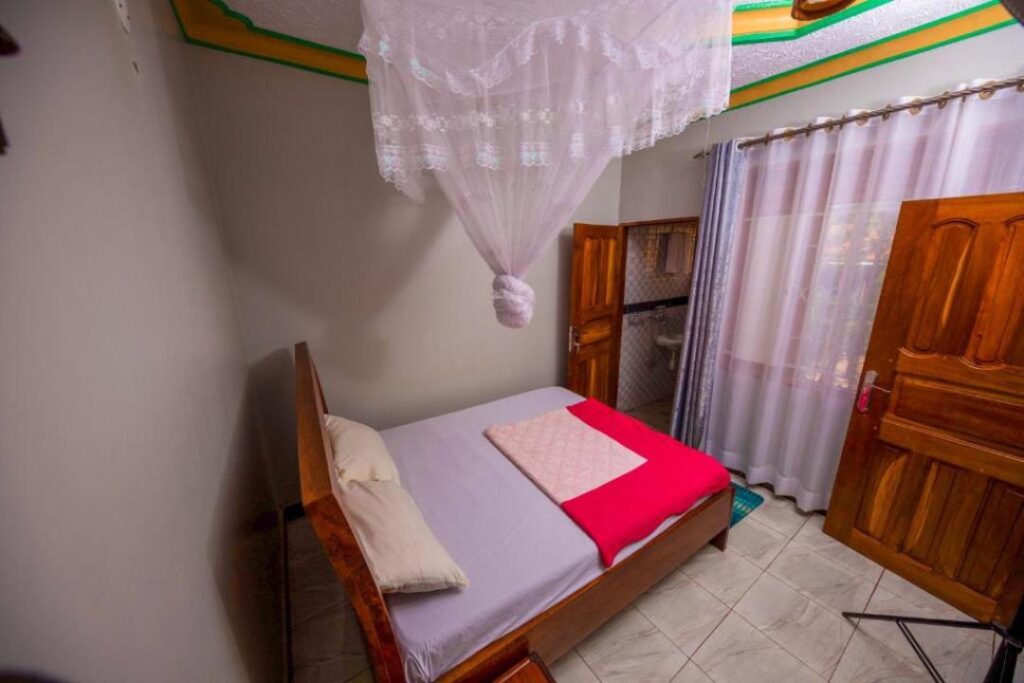
Jinja, home to the source of the Nile, has backpacker hostels and campsites, plus white-water rafting and boat trips. Entebbe has simple guesthouses and hostels convenient for airport arrivals and departures.
Sample Budget Itineraries
The best budget Uganda safari lodges work well when your route minimises long, expensive transfers.
4-Day Easy Escape
- Day 1: Kampala to Lake Mburo, with an afternoon boat trip.
- Day 2: Morning walking safari, game drive in the afternoon.
- Day 3: Optional horseback or cycling activity.
- Day 4: Return to Kampala.
7-Day Wildlife Highlights
- Days 1 to 2: Lake Mburo, for walks and a shared game drive.
- Days 3 to 4: Queen Elizabeth, for a boat cruise and game drive.
- Day 5: Ishasha, for tree-climbing lions.
- Days 6 to 7: Lake Bunyonyi to relax, then return.
10-Day Primates and Big Game
- Days 1 to 2: Murchison Falls, with shared Nile cruises and game drives.
- Days 3 to 4: Kibale, for chimpanzee tracking.
- Days 5 to 6: Queen Elizabeth, for game viewing.
- Days 7 to 9: Bwindi, for gorilla trekking.
- Day 10: Return to Entebbe.
What Does a Budget Safari in Uganda Cost?
Costs depend on season, group size, and travel style. As a guide:
- Campsites and dorms: Lowest price, with shared facilities.
- Basic rooms and bandas: A step up, often with private rooms and simple restaurants.
- Budget lodges: Comfortable rooms and meals, still well below luxury rates.
Your biggest expenses will not be accommodation. They will be permits and fees:
- Gorilla permits: Several hundred dollars per person (around US$800 for foreign non-residents at the time of writing). In the past, discounted permits have been offered during low-season months, so ask your operator.
- Chimpanzee permits: Typically a couple of hundred dollars per person.
- Park entry fees: Charged per day, per person.
- Transport and activities: Shared options cut costs significantly.
Prices change, so always request a current, itemised quote.
Smart Ways to Save Money

- Travel in the low season. Rates and demand drop in the wetter months.
- Share vehicles. Group tours and shared safaris divide the cost of the vehicle, fuel, and driver.
- Stay outside park gates. Lodges just outside parks often cost less than those inside.
- Camp or hire gear. Bring your own tent, or ask whether camps rent them.
- Choose self-catering or local meals. Local restaurants and markets are much cheaper than lodge dining.
- Prioritise your must-do activities. If gorillas are your dream, save money elsewhere.
- Book permits early. Popular dates sell out, and last-minute prices can be higher.
- Use public transport sensibly. Buses and shared taxis are cheap, but allow extra time and avoid travelling after dark.
What to Look for in a Budget Lodge
Before booking among budget Uganda safari lodges, check:
- Safety and security. Secure rooms, lockable doors, and reliable staff.
- Cleanliness and basics. Clean bedding, mosquito nets, and working showers.
- Location. Close to park gates or activity starting points.
- Reviews. Recent traveller feedback is the best guide.
- Inclusions. Find out whether meals, transfers, or activities are included.
- Community links. Choose camps that employ and support local people.
Getting Around
Public buses connect Kampala to most major towns, and shared minibus taxis cover shorter routes, though schedules can be unpredictable. For parks, you will usually need a vehicle, so join a shared safari, hire a driver, or rent a 4x4. Boda-bodas (motorbike taxis) are popular for short trips, but always wear a helmet and agree on a price first.
Health and Safety Tips
- See a travel doctor early. Discuss malaria prevention and vaccinations. A yellow fever certificate is commonly required.
- Protect against mosquitoes. Use repellent and bed nets, especially at camps.
- Drink safe water. Stick to bottled or treated water.
- Buy travel insurance. Include medical cover and evacuation, which matters even more on a budget.
- Respect wildlife. Follow ranger and guide instructions at all times.
- Stay healthy for gorillas. If you have a cold or flu, you may not be allowed to trek.
What to Pack
- Lightweight clothes in neutral colours, plus a warm layer
- Waterproof jacket and sturdy hiking boots
- Sleeping bag liner and a small padlock for hostels
- Headlamp or torch for power cuts
- Insect repellent, sunscreen, hat, and sunglasses
- Reusable water bottle and a basic first-aid kit
- Binoculars and a power bank
- Cash in small notes, plus copies of travel documents
Travel Responsibly
Choose accommodation that hires local staff, supports community projects, and manages waste and water responsibly. Buy crafts directly from artisans, avoid single-use plastic, and always ask before photographing people. Responsible travel keeps your costs low and your impact positive.
Frequently Asked Questions
Is Uganda safe for budget travellers?
Uganda is generally welcoming, but check current travel advisories, avoid night travel, and keep valuables secure.
Can I do gorilla trekking on a budget?
Yes, with careful planning. The permit is the main cost, so pair it with simple lodging, shared transport, and low-season travel.
How much should I budget per day?
It varies widely. Add up accommodation, meals, transport, and fees, then request itemised quotes before committing.
Do I need a guide?
For park activities such as gorilla and chimp tracking, a ranger-guided trek is required. For other travel, you can often go independently.
Are budget lodges suitable for families?
Many are. Check for family rooms, safe grounds, and age limits on activities. Gorilla trekking requires a minimum age of 15.
When should I book?
Book permits and popular camps as early as possible, especially for July, August, and December.
Final Thoughts
Great safaris are not reserved for big budgets. With smart planning, budget Uganda safari lodges and camps can deliver warm hospitality, unforgettable wildlife, and genuine local connection at a fraction of luxury prices. Travel in the low season, share costs where you can, and put your money into the experiences that matter most to you. The Pearl of Africa is waiting.