
Uganda's history stretches from Iron Age kingdoms to nineteenth-century religious martyrdom to the fight against the slave trade, and much of that story is still visible on the ground today. Royal tombs, ancient earthworks, colonial-era forts, and pilgrimage shrines sit scattered across the country, each one a physical record of the people, kingdoms, and events that shaped modern Uganda. Here are ten of the most significant historical sites in Uganda to visit, spanning the Buganda, Bunyoro, and Tooro kingdoms as well as northern and eastern Uganda.
1. Kasubi Tombs, Kampala
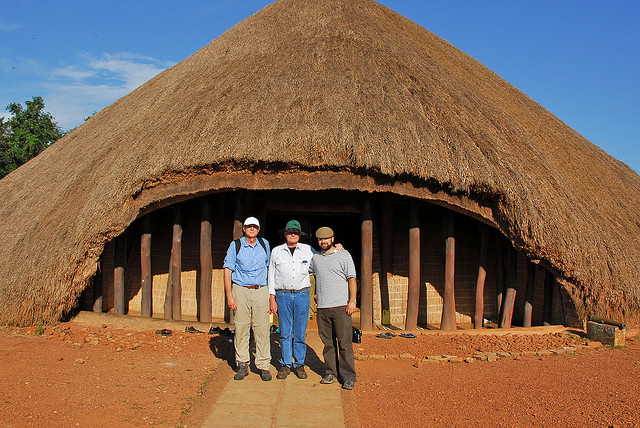
Just five kilometres northwest of Kampala's city centre, the Kasubi Tombs are the burial grounds of four kabakas (kings) of Buganda and other members of the royal family, and remain one of the most important spiritual and political sites for the Baganda people. The site was originally built as a palace in 1882 by Kabaka Muteesa I before being converted into a royal burial ground in 1884. The main structure, Muzibu Azaala Mpanga, is considered one of the finest examples of architecture built entirely from vegetal materials in sub-Saharan Africa, constructed from wooden poles and a thick thatched dome. A fire severely damaged the main tomb building in 2010, and restoration work — carried out in line with traditional building techniques — has been ongoing since, which is part of why UNESCO continues to monitor the site closely as a World Heritage property.
2. Kabaka's Palace (Bulange, Mengo), Kampala
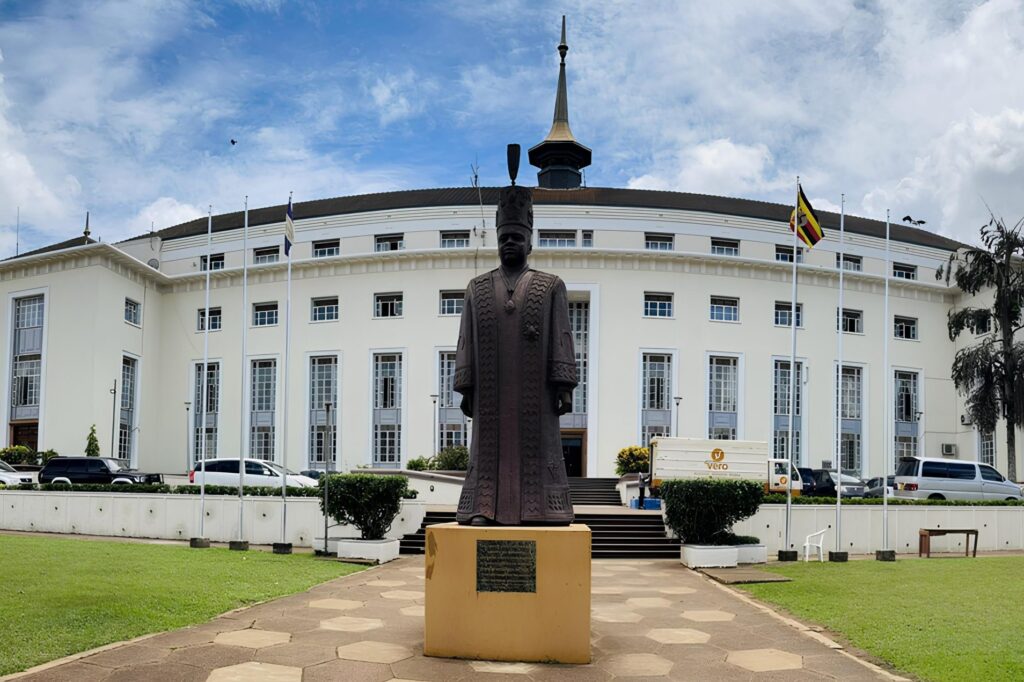
Also known as Lubiri, the Kabaka's Palace in the Kampala suburb of Mengo has served as the traditional seat of the Buganda Kingdom and witnessed pivotal moments in Uganda's political history, including the signing of agreements that shaped the country's colonial and post-independence path. The palace grounds also hold a darker chapter of Uganda's history: underground torture chambers used during Idi Amin's rule in the 1970s, now open to visitors as a sobering reminder of that era. Though the current Kabaka no longer lives at this particular palace following past political unrest, the grounds remain open, and the adjacent Bulange building still functions as the seat of the Buganda parliament.
3. Uganda Martyrs Shrine, Namugongo
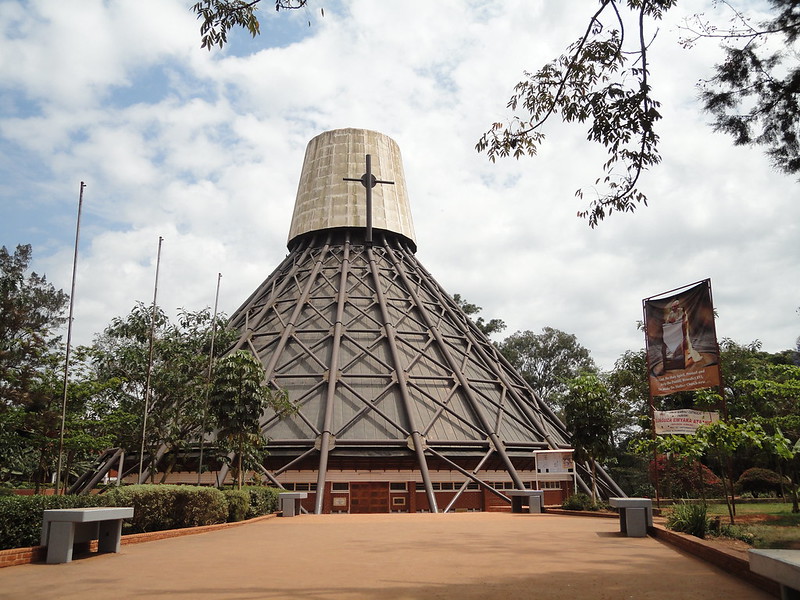
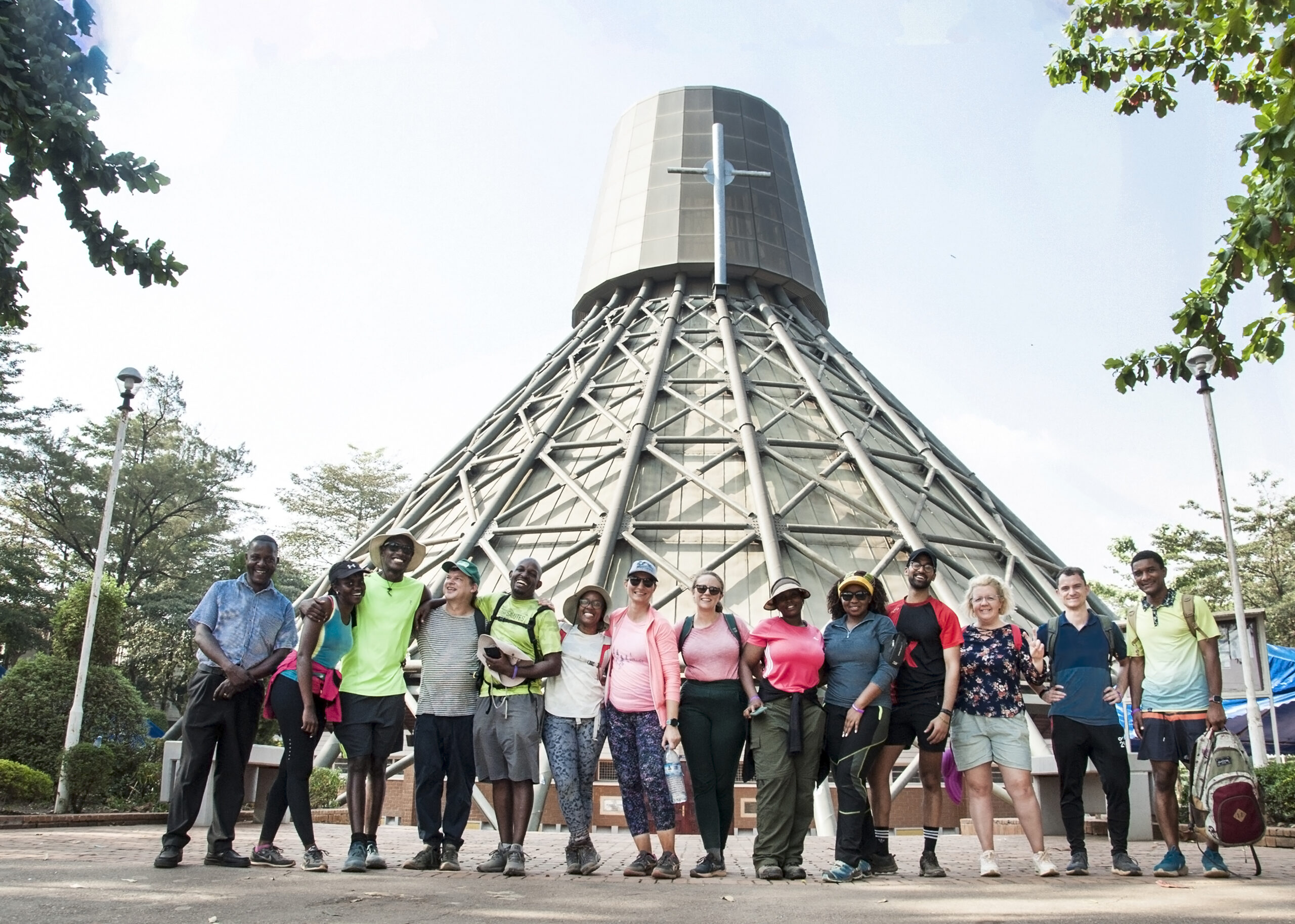
Roughly 15 kilometres from central Kampala, Namugongo is where 22 Ugandan Christian converts were executed in the late 19th century for refusing to renounce their faith. The shrine that now stands on the site is Uganda's largest pilgrimage destination, drawing thousands of worshippers every year on June 3rd to honour the martyrs' sacrifice. Beyond its religious significance, Namugongo is a striking piece of architecture and a key reference point for understanding the collision between traditional Buganda authority and the new Christian missions arriving in the 1880s.
4. Fort Patiko (Baker's Fort), Gulu
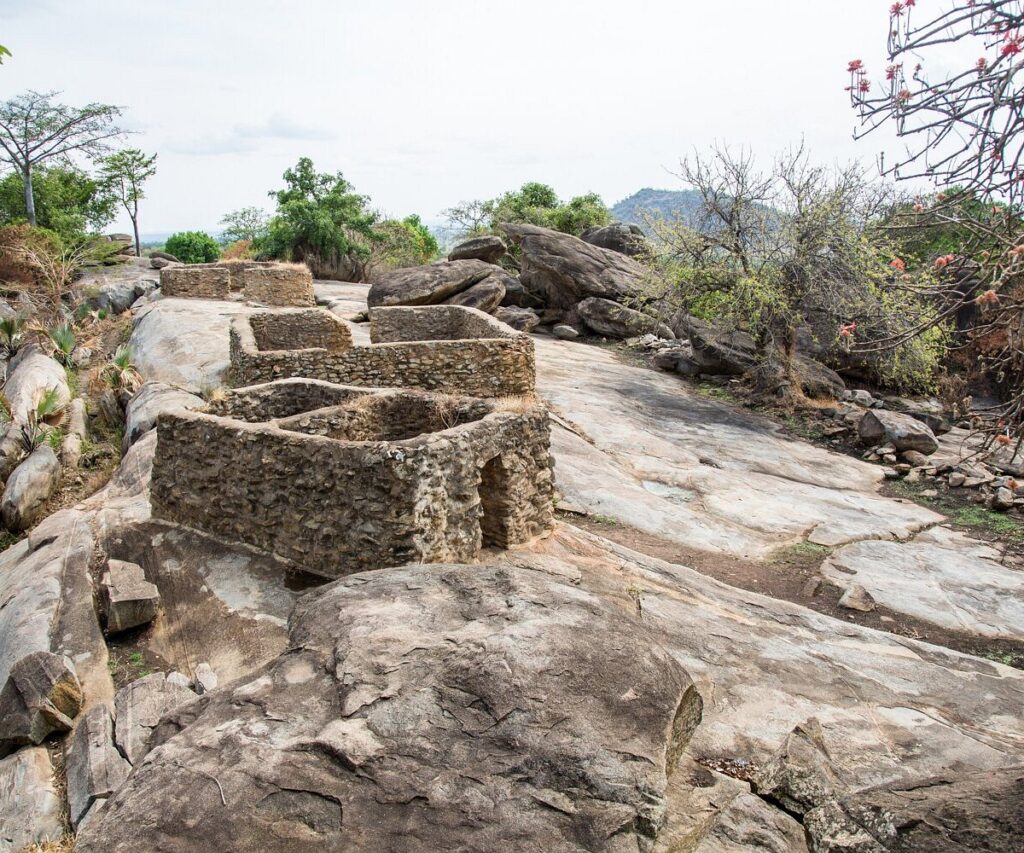
In northern Uganda, roughly 30 kilometres from Gulu town, Fort Patiko tells one of the country's most difficult historical stories. The site was originally built by Arab slave traders as a place to select and purchase captives before they were transported into slavery. Construction of the fort itself was completed on 25 December 1872 by the British explorer and abolitionist Sir Samuel Baker, who took over the location in an effort to disrupt the slave trade in the region. The fort is enclosed by a trench 15 feet deep and 16 feet wide, reportedly dug by enslaved people on the orders of Arab traders to prevent captives from escaping. After Baker's departure in 1888, the fort was used by Emin Pasha and Charles Gordon while they served as Governor of the Equatorial Province of the British Uganda Protectorate. Today it stands as ruins, open to the public, and is one of the most tangible sites in East Africa connected to the history of the slave trade and its suppression.
5. Nyero Rock Paintings, Kumi District
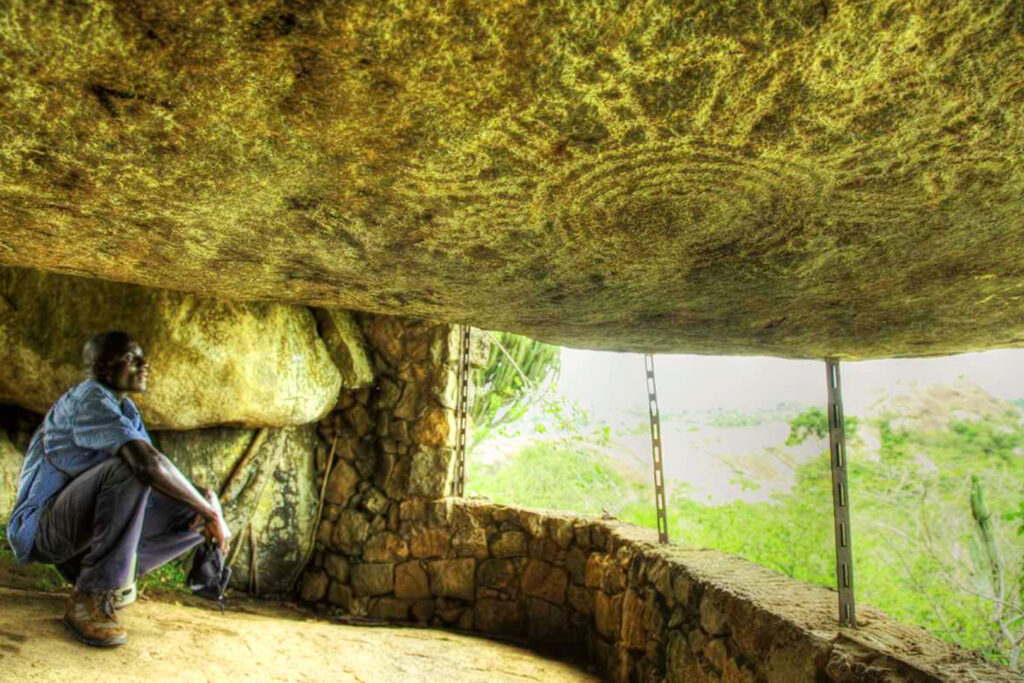
Long before any of Uganda's kingdoms rose to prominence, communities in the east of the country were leaving their mark on stone. The Nyero Rock Paintings, located in tiered rock shelters in Kumi District, are believed to date back to before 1250 AD and were first documented by researchers in 1913. The red-pigment rock art is part of a wider tradition found across Africa, associated with the late Stone Age hunter-gatherer culture, making Nyero one of the few places in Uganda where visitors can connect directly with the country's prehistoric past rather than its more recent royal and colonial history.
6. Mparo Tombs, Hoima
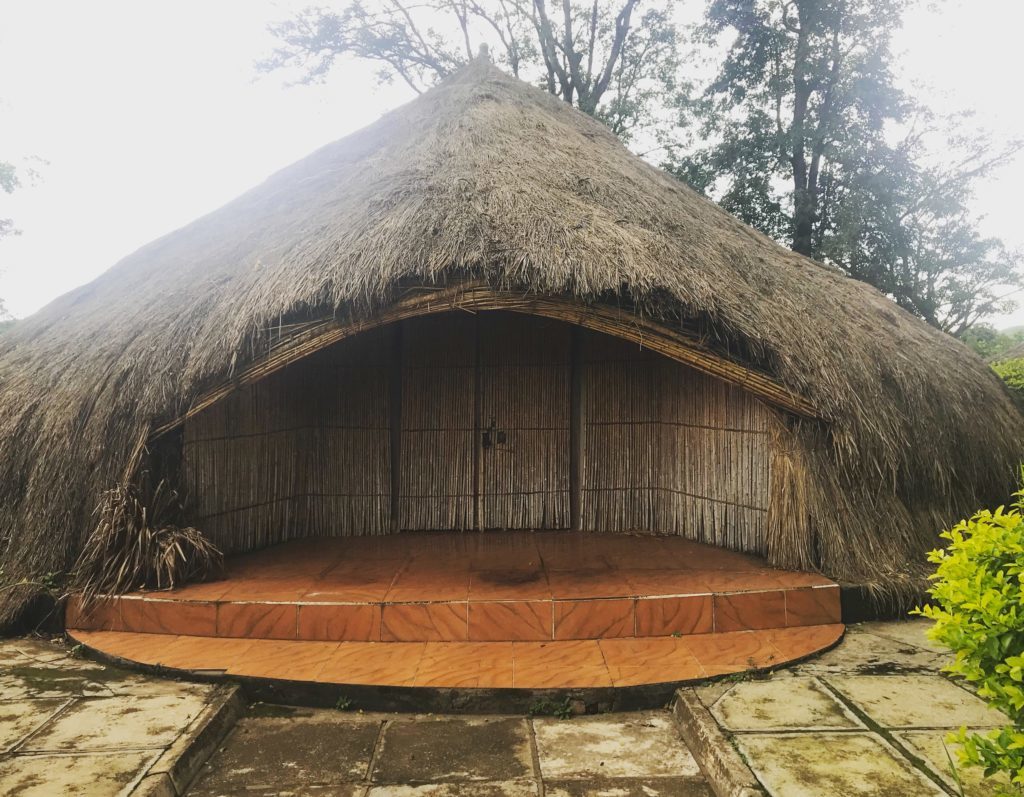
The Mparo Tombs, about four kilometres from Hoima town, are the royal burial grounds of the Bunyoro-Kitara Kingdom, once the most powerful kingdom in the region. Buried here is the great Omukama Kabalega, who led a long rebellion against British attempts to control his kingdom before being exiled, along with Kabaka Mwanga of Buganda, to the Seychelles. Unlike a conventional graveyard, the remains of the kings are laid out in individual mausoleums rather than buried underground, each covered with bark cloth and surrounded by the royal regalia the kings used during their reigns. The site remains an active place of cultural and spiritual significance, and locals still visit to pay respects to their former ruler.
7. Karambi Royal Tombs, Fort Portal
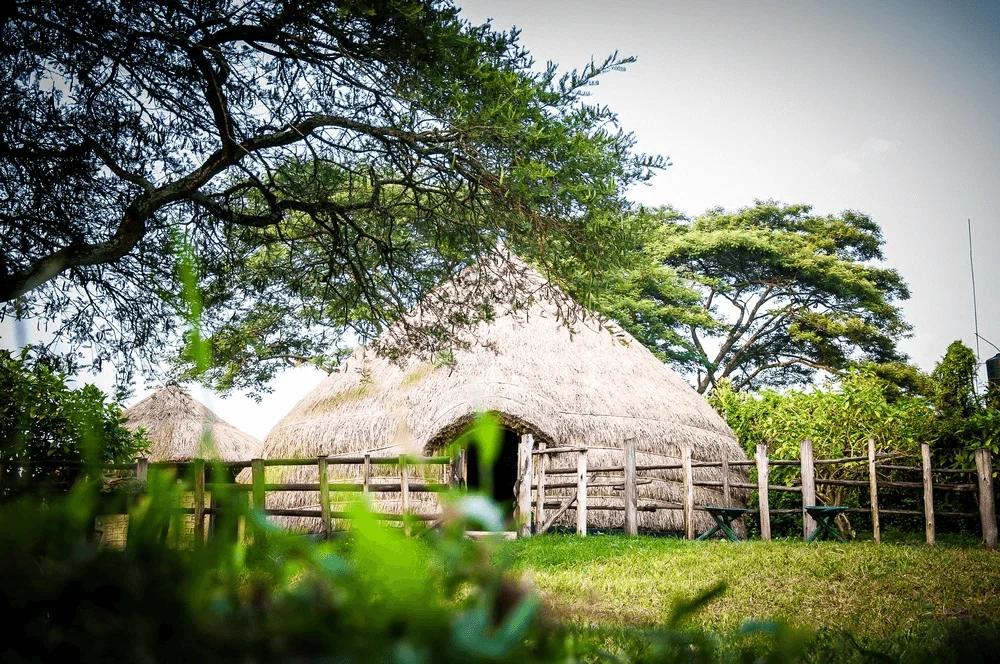
In the west of the country, the Karambi Tombs near Fort Portal hold the remains of the kings of the Tooro Kingdom. Three Tooro kings — Olumi Kaboyo II, Rukidi III, and Kyebambe Kamurasi — are buried here, each in his own tomb complete with royal regalia, alongside other princes and princesses. Tooro itself has a distinctive origin story: the kingdom broke away from Bunyoro in the early 19th century when Prince Kaboyo, son of the Bunyoro ruler, rebelled against his father. The tombs remain deeply significant to the Batooro people and offer visitors insight into one of Uganda's smaller but historically important kingdoms.
8. Bigo bya Mugenyi, Sembabule District
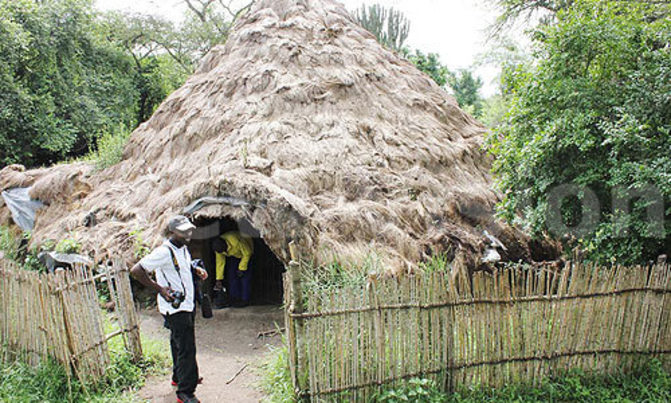
For visitors interested in Uganda's deeper, pre-kingdom past, Bigo bya Mugenyi is one of the most important archaeological sites in East Africa. Located near Ntusi in Sembabule District, this collection of ancient earthworks is associated with the Bachwezi, believed to be the first ruling dynasty in the region, and holds significant cultural and archaeological value. The extensive system of ditches and mounds is thought to have served as a fortified settlement centuries before the Buganda, Bunyoro, and Tooro kingdoms as they're known today took shape, making it a key site for understanding the roots of the Great Lakes region's kingdoms.
9. Source of the Nile, Jinja
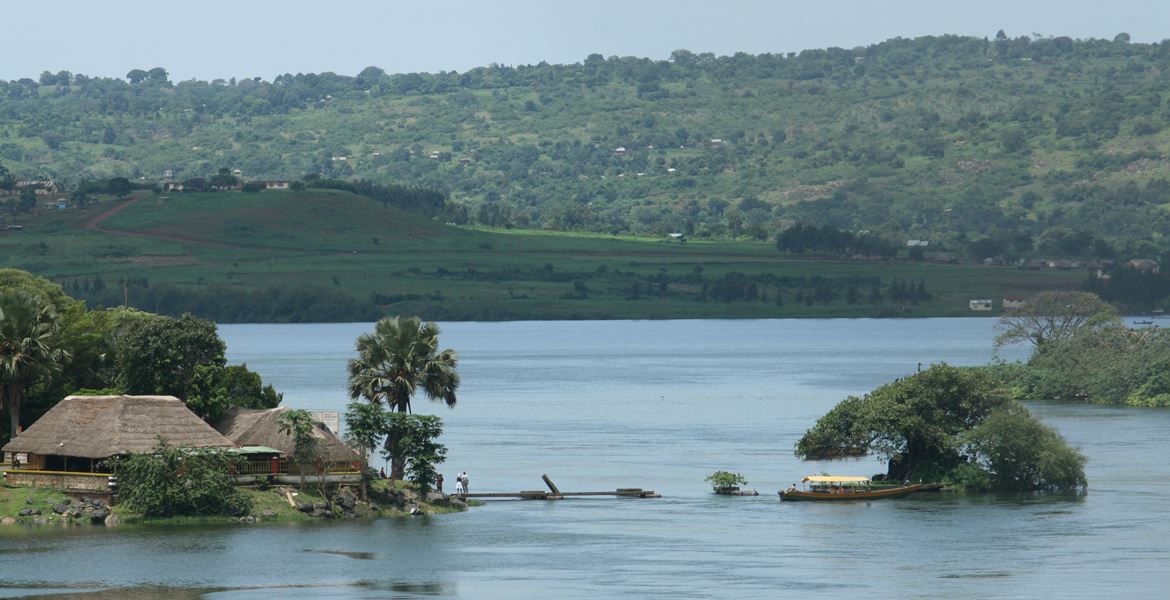
Jinja's claim to fame is geographical as much as historical: this is where the world's longest river begins its journey from Lake Victoria. The Source of the Nile represents one of Africa's most historically significant geographical discoveries, credited to British explorer John Hanning Speke in 1862 after a long-running European race to find the Nile's origin. The site today combines natural beauty with historical weight, commemorated with a monument and popular both for its scenic value and its place in the history of European exploration in Africa.
10. Independence Monument, Kampala
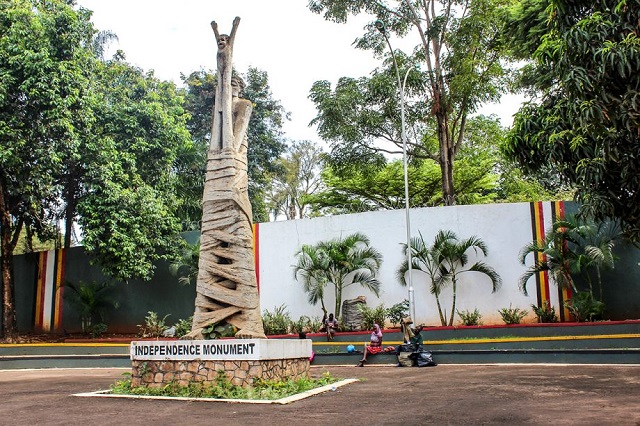
Standing in the heart of Kampala, the Independence Monument is a compact but powerful piece of public art marking Uganda's transition out of British colonial rule. The monument depicts a woman unwrapping her child and raising it to the sky, symbolising that the British had done their part and it was now up to the new, independent Uganda to take the country forward. Erected to mark independence in 1962, it remains one of Kampala's most recognisable landmarks and a natural starting point for anyone wanting to understand Uganda's 20th-century political history before heading out to the kingdoms and rural sites beyond the capital.
Planning To Visit Historical Sites In Uganda
Most of these sites cluster around three regions: Kampala and its immediate surroundings (Kasubi Tombs, Kabaka's Palace, Namugongo, Independence Monument), western Uganda (Mparo and Karambi Tombs, Bigo bya Mugenyi), and the north and east (Fort Patiko and Nyero Rock Paintings). A short Kampala tour itinerary can cover the first cluster in two to three days, while a full historical circuit through western and northern Uganda is best combined with a wildlife safari, since many of these sites sit along or near routes to Uganda's national parks. Hiring a car with a knowledgeable local driver is worth considering for the sites outside Kampala — several, including Fort Patiko and the Karambi and Mparo Tombs, are reached via rural roads where local guidance genuinely improves both the journey and the experience once you arrive.
To book a cultural tour around the top historical sites in Uganda, simply contact us now by emailing to info@ugandasafariobookings.com or call +256-700135510 to speak with the reservations team.