
The Pearl of Africa's Living Legacy
Uganda packs an astonishing range of habitats into a country about the size of the UK: snow-capped peaks, rainforest, savannah, wetlands, and the source of the Nile. That variety supports more than half of the world's remaining mountain gorillas, chimpanzees, tree-climbing lions, and one of the continent's great bird lists.
This wildlife is not there by accident. Fifty years ago, much of it was in freefall. Civil unrest and poaching in the 1970s and 80s devastated Uganda's parks, and the country lost its rhinos entirely. Today, elephant numbers have rebounded, gorilla numbers are rising, and rhinos are back on Ugandan soil. That recovery belongs to the people who protect these animals and to the travelers whose visits help pay for the work.
How Safari Money Becomes Conservation
Understanding the link between your trip and protection makes it easier to travel well. Safari revenue supports conservation in several ways:
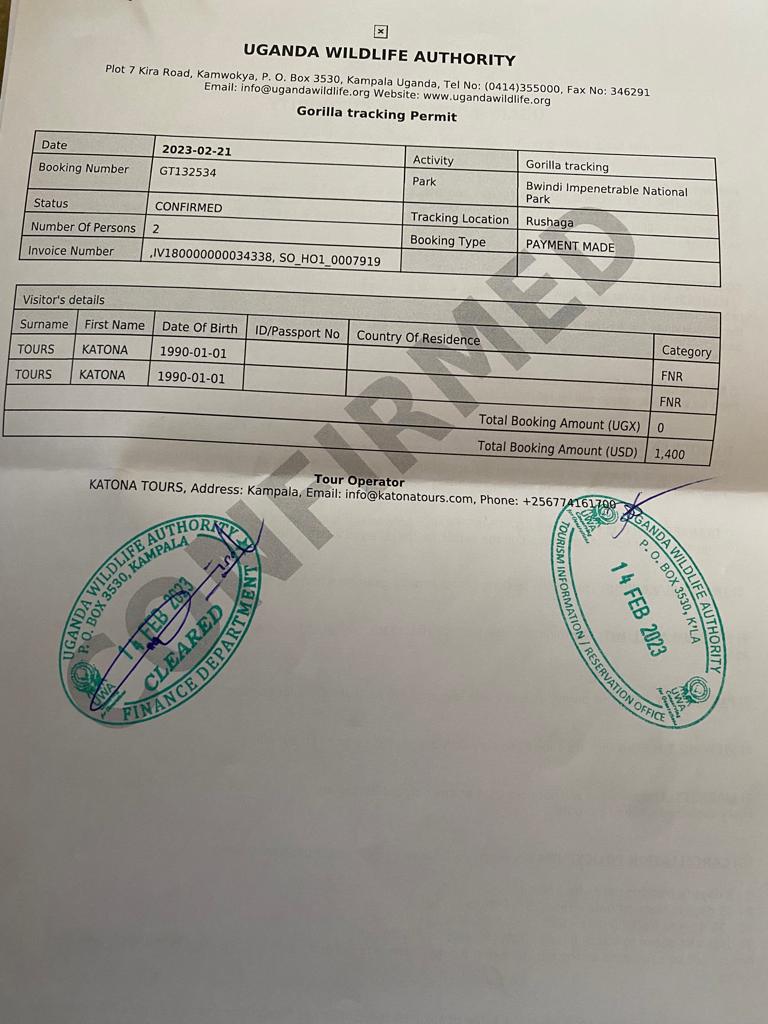
Park entrance fees and permits. Fees paid to the Uganda Wildlife Authority (UWA) fund ranger salaries, patrols, vehicles, veterinary care, and park infrastructure. Gorilla and chimpanzee permits are the biggest earners. Permit prices change, so check current rates with UWA or your operator before budgeting.
Revenue sharing with communities. Uganda was an early adopter of a system in which a percentage of park entrance fees goes to communities bordering protected areas. Those funds have helped build schools, health clinics, roads, and water points. The logic is simple: when people living beside a park benefit from it, they have every reason to protect it.
Jobs and local enterprise. Lodges, guides, porters, trackers, drivers, craft cooperatives, and farms supplying food to camps all turn wildlife into livelihoods. A living gorilla is worth far more to a village than a snare-caught bush meat animal.
Habituation and research. Tourism funds the long, patient work of habituating gorilla and chimpanzee groups, which in turn enables research, health monitoring, and closer protection.
The Heroes on the Ground
Uganda Wildlife Authority Rangers
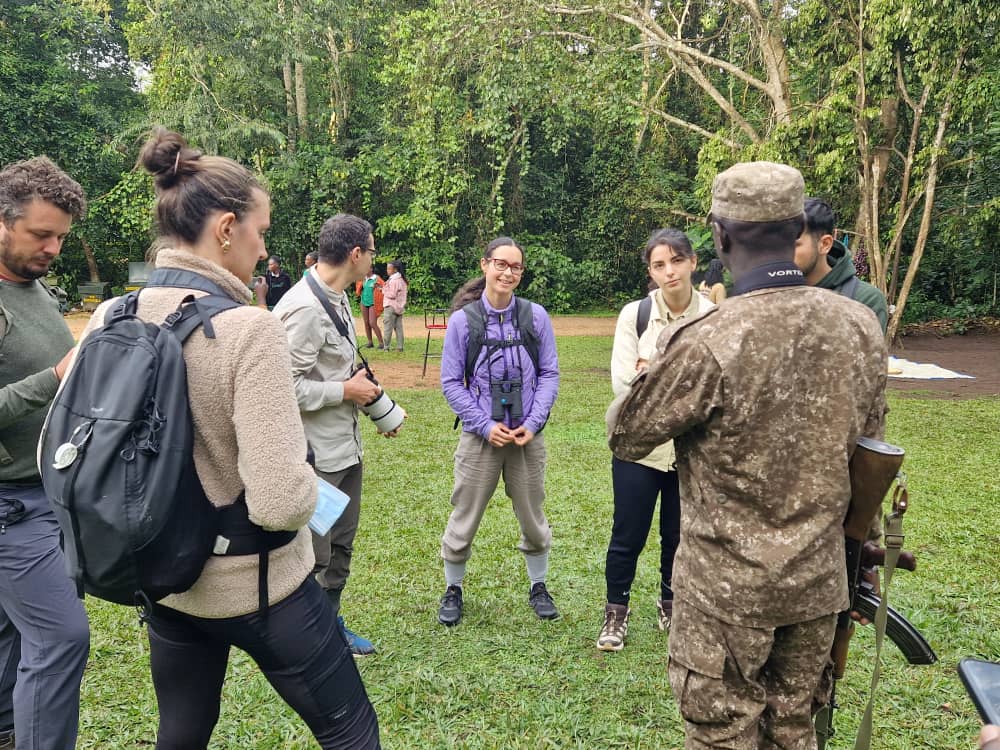
The first line of defense is the rangers. They walk long patrols in dense forest and open savannah, remove snares, monitor animal health, respond to human-wildlife conflict, and often work far from home in demanding conditions. Rangers have died in the line of duty in Uganda's parks, and their work deserves recognition every time you see a uniform at a trail head.
Trackers and Community Guides
Before each gorilla or chimpanzee trek, trackers head out ahead of the group to locate the animals. Their knowledge of the forest, often inherited from parents and grandparents, is extraordinary. Many former hunters and poachers now work as guides, carrying the same skills into protection.
The Batwa: Forest People Turned Storytellers
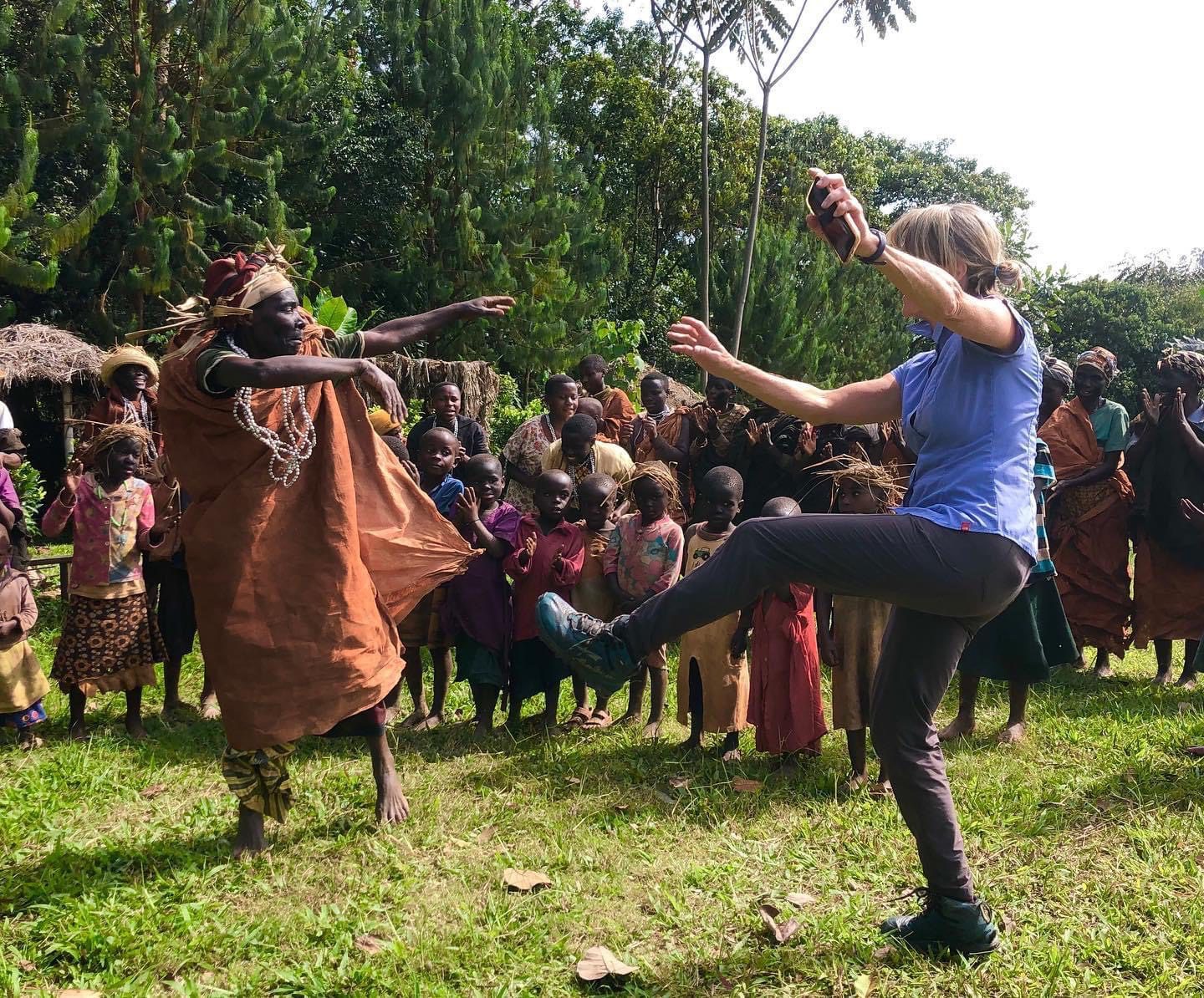
The Batwa lived in the forests of southwestern Uganda for generations before the creation of Bwindi and Mgahinga national parks, which displaced them. Cultural experiences such as the Batwa Trail now allow visitors to learn traditional forest knowledge from the Batwa themselves, with income going directly to the community. It's a complex history, and the best experiences are led by Batwa guides who tell it in their own voice.
Veterinarians and One Health Pioneers
Dr. Gladys Kale ma-zikusoka, Uganda's first wildlife veterinarian, founded Conservation Through Public Health (CTPH). Her insight was that gorillas and people share diseases, so protecting gorillas means improving health for the families who live nearby. CTPH works with communities on hygiene, health services, and livelihoods, which reduces disease risk to gorillas and reduces the pressure on the forest. Her work has earned international recognition and shaped how conservation is practiced across Africa.
Rhino Fund Uganda and Ziwa Rhino Sanctuary
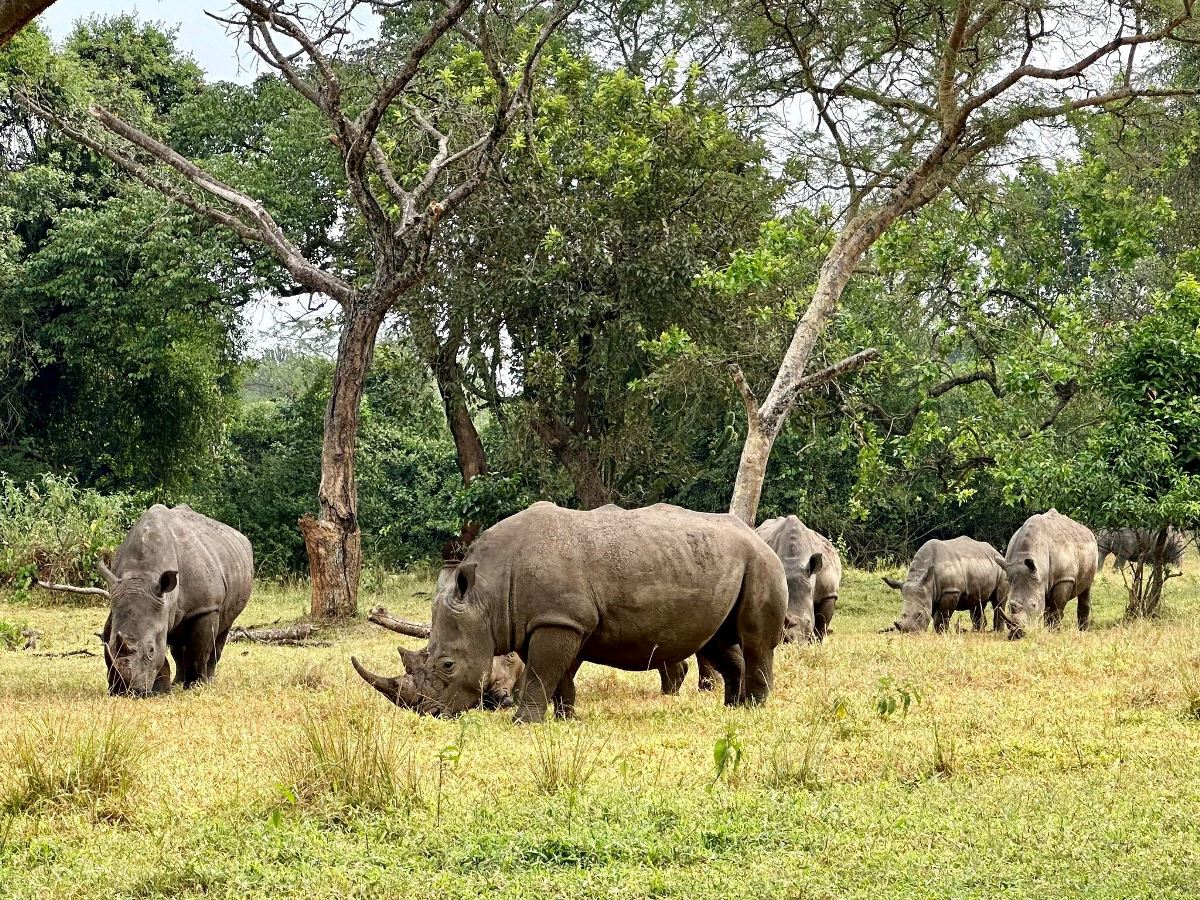
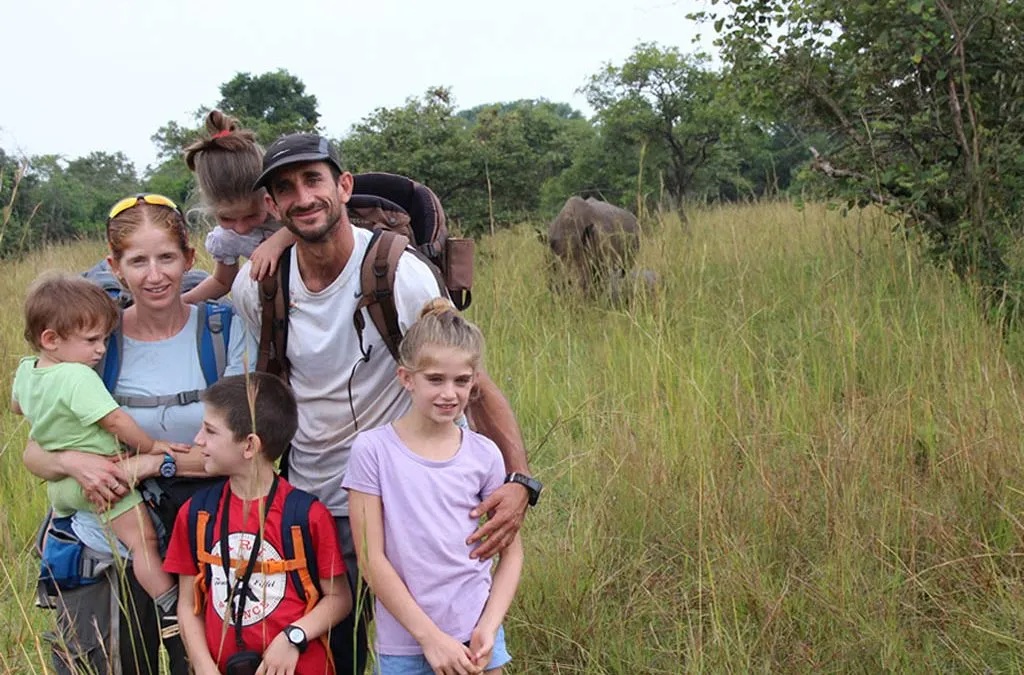
Uganda's last wild rhinos vanished in the early 1980s. Rhino Fund Uganda, working with UWA, established the Ziwa Rhino Sanctuary in 2005 with a small founding group of southern white rhinos. Visitors on foot safaris can now stand within meters of these animals, and every visit supports monitoring, security, and the long-term goal of returning rhinos to the wild in the parks where they once roamed.
Ngamba Island and Jane Goodall Institute Uganda
Ngamba Island Chimpanzee Sanctuary in Lake Victoria gives a permanent home to orphaned chimpanzees rescued from the illegal wildlife trade. Together with community education and forest protection programs supported by the Jane Goodall Institute, it shows the other side of conservation: caring for animals already harmed while working to stop future harm.
Big Cat and Elephant Guardians
In Queen Elizabeth National Park and Murchison Falls, researchers and rangers monitor lions, leopards, and elephants. Retaliatory killings, including poisonings, remain a real threat to lions when big cats prey on livestock. Organizations like the Uganda Conservation Foundation and Uganda Carnivore Program work on solutions such as predator-proof livestock enclosures, compensation approaches, and community engagement, alongside anti-poaching support.
Success Stories Worth Celebrating
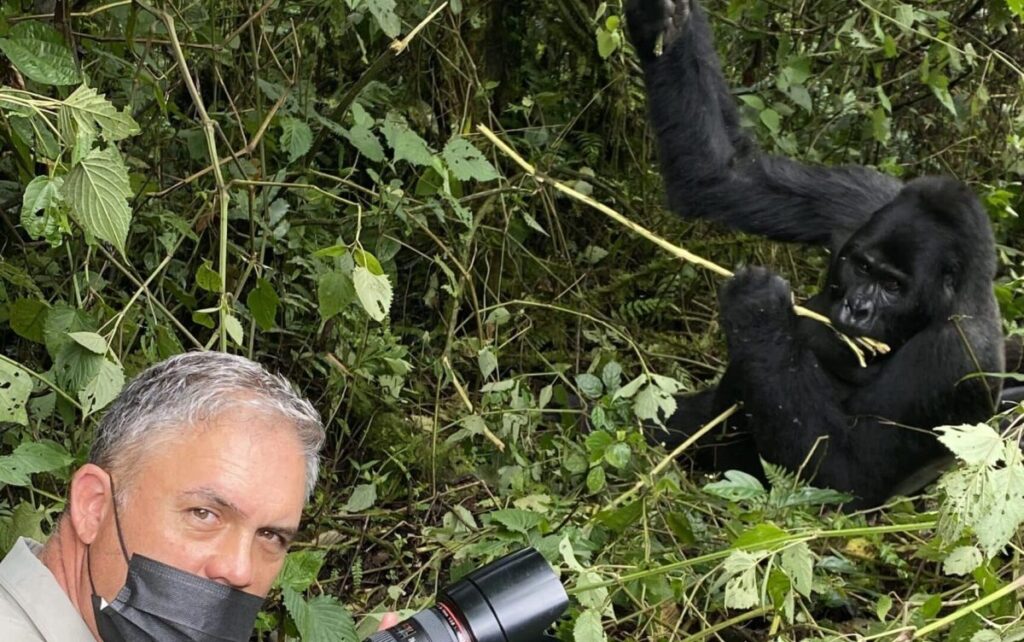
Mountain gorillas. Once numbering only a few hundred across the Virunga region, mountain gorillas were down listed from Critically Endangered to Endangered by the IUCN in 2018. Regulated, high-value tourism is widely credited as a key part of that turnaround, alongside veterinary care and anti-poaching patrols.
Elephants. After being nearly wiped out in the 1970s and 80s, Uganda's elephant population has grown back to several thousand animals, and visitors regularly see large herds in Queen Elizabeth and Murchison Falls.
Rhinos. Returning rhinos to a country that lost them entirely is one of East Africa's most encouraging conservation stories, even though the population remains small and the work is far from finished.
Chimpanzees. In Kibale Forest, which hosts one of the highest densities of primates in Africa, habituated chimpanzee communities support both cutting-edge research and a major tourism draw.
The Challenges That Remain
Honest conservation storytelling includes the difficulties:
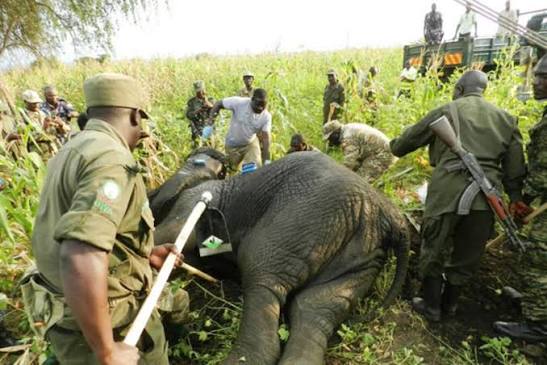
- Human-wildlife conflict: Crop raiding by elephants and livestock predation strain relationships between communities and parks.
- Poaching and snaring: Snares set for bush meat still injure gorillas, chimpanzees, and antelope.
- Habitat pressure: A fast-growing population increases demand for farmland, firewood, and development along park boundaries.
- Climate change: Shifting rainfall and temperature patterns affect habitats, food availability, and human livelihoods.
- Tourism dependence: The COVID-19 shutdowns showed how much protection funding relies on visitors, and how quickly income can vanish.
How to Be a Responsible Safari Traveler
You can amplify your positive impact with a few choices:
- Book through ethical, locally rooted operators that employ local guides, pay fair wages, and share benefits with communities.
- Stay in lodges with real community and conservation programs, and ask what they fund rather than taking the marketing at face value.
- Follow wildlife rules strictly. Maintain the required distance from gorillas (typically 7 meters), don't trek if you're ill, and keep voices low and movements calm.
- Buy local. Craft cooperatives, community-run cultural experiences, and locally sourced food keep money in the community.
- Tip guides, trackers, and porters. These are often the people whose incomes depend most directly on your visit.
- Minimize waste. Carry out what you bring in, avoid single-use plastics, and respect park regulations.
- Consider giving beyond your trip. Donations to organizations like CTPH, Rhino Fund Uganda, or the Uganda Conservation Foundation extend the impact of your visit.
Conclusion: Your Journey Is Part of the Story
Every gorilla trek, chimpanzee tracking session, and game drive in Uganda is more than a holiday. It's a contribution to a system that keeps rangers on patrol, clinics open, and communities invested in wildlife. The conservation heroes of Uganda, from rangers and vets to Batwa storytellers and village guides, are the reason those experiences exist. Travel thoughtfully, listen to them, and you become part of the story.
Book a Uganda safari and support our conservation efforts by emailing to info@ugandasafaribookings.com or calling +256-700135510 to speak /chat with the reservations team.