
A solo safari in Uganda is one of the most rewarding trips you can take in East Africa. You can track mountain gorillas in the morning, share stories with fellow trekkers over dinner and still have the freedom to set your own pace. The catch is price. Many operators quote rates "per person sharing", some list rates as unavailable for one traveller, and a private trip for one can cost far more per person than the same trip for two. This guide explains why solo safaris cost more, how to avoid single supplements, how group joining works and what solo female travel in Uganda is really like.
Why Solo Safaris Cost More
Three things push up the price when you travel alone: • Single supplements: lodges price rooms for two, so a solo guest pays extra for the room, usually somewhere between 25% and 100% more depending on the lodge and season. • Vehicle and guide costs: a safari vehicle, driver-guide and fuel cost the same whether one person or four are inside. Travelling alone means you carry the whole cost. • Minimum group sizes: some operators quote only for two or more travellers, which is why you may see solo rates marked "on request" or unavailable. The good news is that these costs are not fixed. Several of them can be reduced or removed with the right planning.What Does Not Change For Solo Travelers
Some of your biggest costs are charged per person, so being alone does not make them worse: • Gorilla trekking permit: about USD 800 per person (fees change, so confirm with the Uganda Wildlife Authority). • Chimpanzee tracking in Kibale: roughly USD 250 per person. • Park entry fees: charged per person per day. • Boat cruises: Kazinga Channel and Nile launch trips cost about USD 30 to 40 per person, and on shared boats you pay the same as anyone else. This is why the vehicle, guide and room are where the real savings are.7 Ways To Avoid or Reduce Single Suppliments
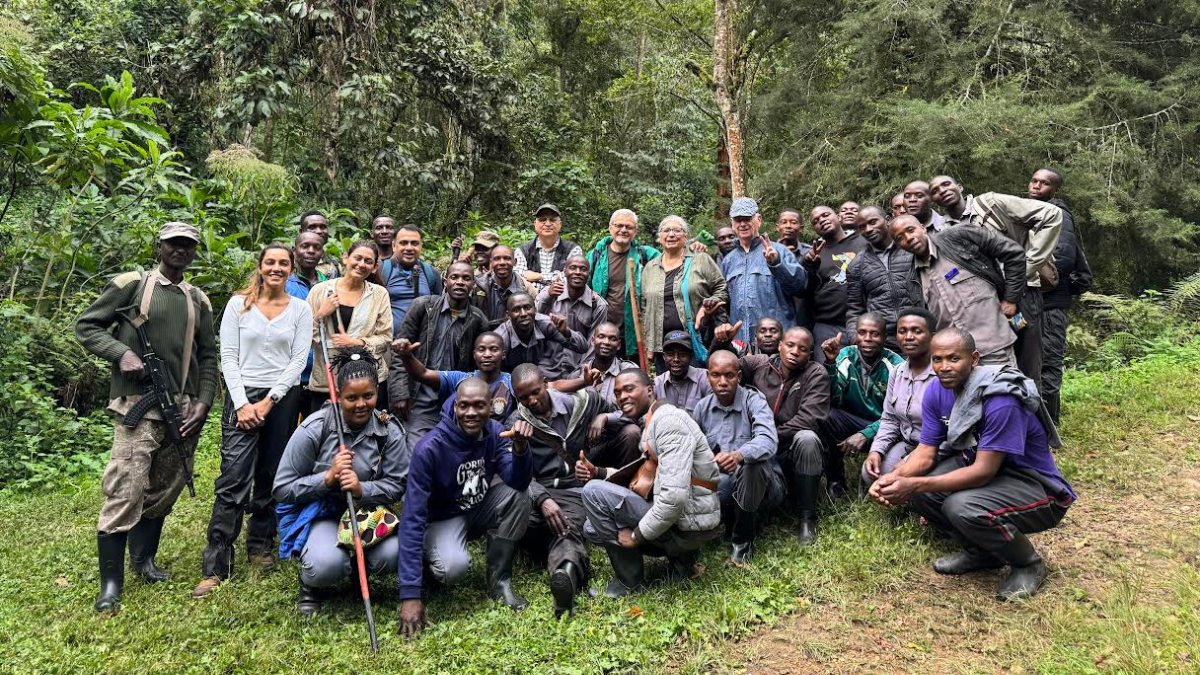
- Join a group departure. Many operators run scheduled small-group safaris with fixed dates. You pay a per-person rate and share the vehicle, which removes most of the vehicle penalty. Ask for the next departure dates for your route.
- Ask for a guaranteed roommate. Some group tours pair you with another solo traveller of the same gender to share a twin room, so no supplement applies. If no match is found, ask in advance whether the operator will waive or reduce the supplement.
- Travel in the low season. In March to May and October to November, lodges are quieter, and many waive or discount single supplements to fill rooms. You also get lower rates, fewer crowds and lush scenery.
- Choose lodges with single rooms. Some lodges and guesthouses have true single rooms or charge only a small supplement. Budget and mid-range properties are often better for solo guests than luxury lodges, which commonly charge 50% to 100% extra.
- Share a vehicle with other travellers. Good operators can match you with other guests on the same dates, even if you booked privately. This is called group joining, and it can cut your vehicle cost by half or more. Ask your operator to check for matches before you pay.
- Mix private and shared days. Book a private vehicle only for the stretches where you need flexibility, and use shared cruises, shared transfers and group activities for the rest.
- Pick a smart itinerary. Short itineraries with fewer lodge nights, such as a 4-day gorilla fly-in or a 7-day classic, reduce the number of nights on which you pay a supplement.
How Group Join Works On Uganda Safari
Group joining means you book a safari for yourself but travel with other independent travellers on the same route and dates. It is the best way to keep a solo safari affordable without giving up the experience. • You book a place on a fixed departure or ask the operator to match you with others. • You pay a per-person price based on the shared vehicle. • You usually travel in a 4x4 safari vehicle with a driver-guide and between two and six guests. • Gorilla permits are booked individually for each person, so you will still have your own permit and trek with your assigned group. Questions to ask before booking: • What is the minimum number of travellers for this departure to go ahead? • Is a single supplement charged, and can it be waived? • Will I be rooming with someone, or do I get my own room? • What happens if the group does not fill? Can I switch dates or get a refund? SAMPLE COSTS: SOLO VERSUS SHARING Prices are indicative per person, exclude international flights and vary by season and operator. • 7-day classic, private for one traveller: roughly USD 4,500 to 7,500. • 7-day classic, group joining: roughly USD 3,500 to 5,500. • 10-day primates and savannah, private for one traveller: roughly USD 6,500 to 10,500. • 10-day primates and savannah, group joining: roughly USD 5,000 to 8,000. In many cases, joining a group can save solo travellers 20% to 40% compared with travelling privately. Always ask for both quotes and compare what is included.Solo Female Travel In Uganda: Is It Safe?
Uganda is considered one of the friendlier destinations in East Africa, and many women travel there alone every year, especially on organised safaris. The parks and tourist circuits are well established, and staff at lodges and parks are used to welcoming solo guests. [caption id="attachment_2893" align="aligncenter" width="1024"]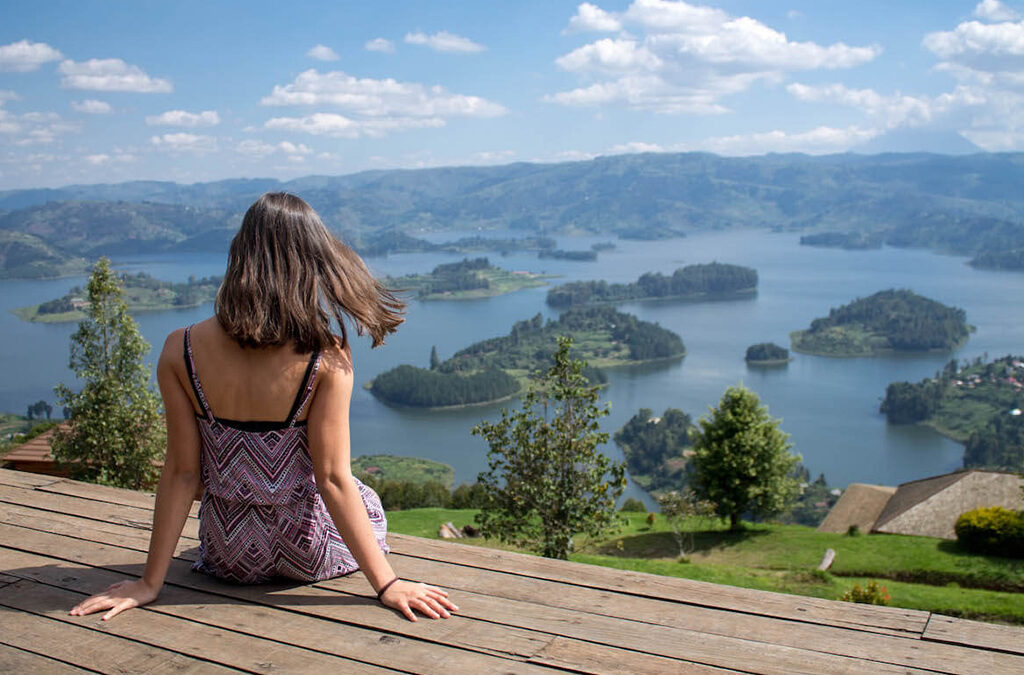 solo female travelers[/caption]
Practical points for solo female travellers:
• Use a licensed operator and a driver-guide. On an organised safari you are accompanied everywhere in the parks, which is the safest and easiest way to travel.
• Avoid driving at night. This applies to everyone. Plan your transfers to arrive before dark.
• Dress modestly in towns. Uganda is a conservative country. Long skirts or trousers and covered shoulders help you blend in and avoid unwanted attention.
• Share your itinerary. Leave your lodge list and flight details with someone at home and check in regularly.
• Be careful with taxis in Kampala. Use a trusted driver arranged through your hotel or a ride-hailing app instead of hailing cars on the street.
• Trust your instincts. Politely decline unwanted attention, and do not accept drinks or lifts from strangers.
• Check your government's travel advice before you book, and buy travel insurance that covers medical evacuation and trip cancellation.
Solo travellers of any gender should also keep copies of their passport and visa, carry a small first-aid kit and keep some cash in small bills for tips.
Health & Entry Basics For Solo Travelers
 • Visa requirements: most visitors need a visa, and the single-entry e-visa costs about USD 50. The East Africa Tourist Visa, about USD 100, covers Uganda, Kenya and Rwanda.
• Yellow fever: a vaccination certificate is required for entry.
• Malaria: talk to a travel clinic about prophylaxis and pack repellent.
• Plastic bags: single-use plastic bags are banned, so pack in cloth or reusable bags.
Fees and rules change, so confirm on the official government portal before you travel.
BEST SOLO-FRIENDLY ITINERARIES
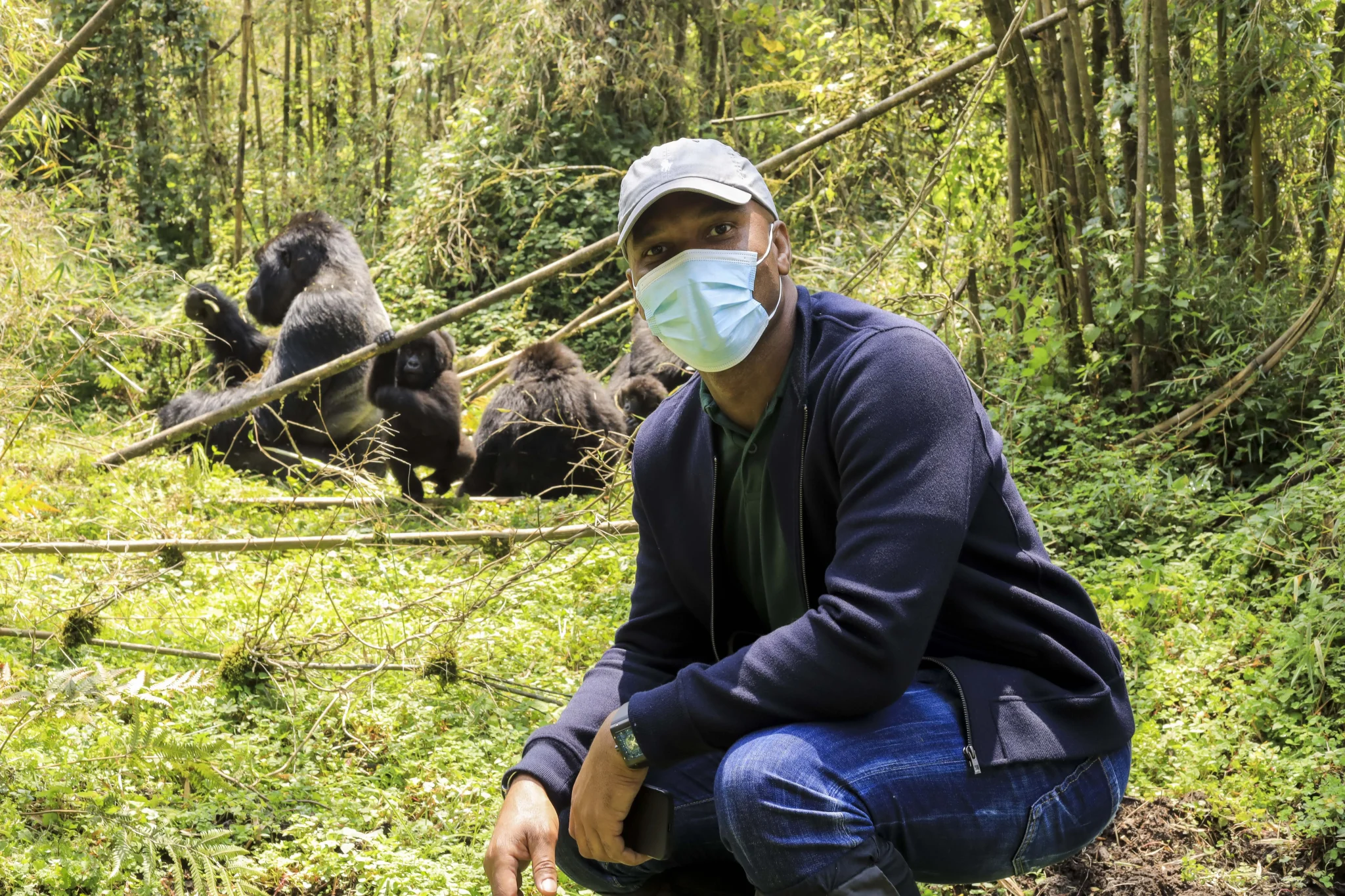
- 4-Day Gorilla Express (Bwindi) Fly from Entebbe to Kihihi or Kisoro, trek gorillas the next morning and fly back. With only a few lodge nights, you pay fewer supplements, and the trek itself is the same price for everyone.
- 7-Day Classic: Gorillas, Chimps and Big Game Entebbe, Kibale Forest, Queen Elizabeth National Park and Bwindi. This is the most popular route for group departures, so it is the easiest one to join as a solo traveller.
- 10-Day Primates and Savannah Adds Murchison Falls National Park and a stop at Ziwa Rhino Sanctuary. Good for solo travellers who want more wildlife and are happy to share a vehicle with others.
- 12-Day Wildlife and Mountain Journey Adds Lake Mburo and Lake Bunyonyi. Lake Bunyonyi is a calm, social spot where solo travellers often meet other guests.
Best Time For A Solo Safari In Uganda
• Dry seasons (December to February and June to September): best trekking conditions and the most group departures, which makes joining a group easier. Book permits early, as they sell out first. • Wet seasons (March to May and October to November): lower rates and more flexibility on supplements, with excellent birding and green scenery.Practical Tips For Solo Travelers
- Book gorilla permits first. Permits are limited and sell out for peak months, so secure yours 6 to 9 months ahead before building the rest of the trip around them.
- Compare quotes. Ask for a private price, a group-joining price and a low-season price so you can see exactly what you are paying for.
- Read what is included. Check whether park fees, meals, drinks, airport transfers and tips are in the price.
- Choose a licensed operator. Look for membership of the Association of Uganda Tour Operators (AUTO) and recent reviews from solo travellers.
- Be fit for trekking. Gorilla treks last one to eight hours at altitude, and a porter is highly recommended.
- Stay connected. Mobile coverage is good in towns and patchy in the parks, so download offline maps before you go.
- Pack smart. Neutral clothes, sturdy boots, gaiters, gloves, a rain jacket, binoculars and a Type G adapter (Uganda uses 240V).