
Uganda has long been recognised as one of Africa's most rewarding wildlife destinations. Its mountain gorillas, chimpanzees, elephants, lions and remarkable landscapes have helped establish the country as an important destination for international safari enthusiasts. However, there is considerably more to discover beyond the traditional wildlife safari. Across the country, a growing variety of specialist tourism experiences is attracting travelers with different interests, expectations and ways of exploring the world. Birdwatchers are traveling to Uganda in search of rare and remarkable species. Photographers are discovering extraordinary landscapes and opportunities to document wildlife and everyday life. Adventure enthusiasts are exploring mountains, waterfalls, forests and rivers, while culturally curious visitors are becoming increasingly interested in traditional communities, local food, crafts and historical heritage. These experiences reveal a different dimension of Uganda. They offer opportunities to spend more time in particular regions, interact with local communities, understand the country's natural environment and discover destinations that may not feature prominently in conventional holiday itineraries. For travellers who prefer meaningful experiences over hurried sightseeing, Uganda offers an exceptional variety of possibilities. A holiday can revolve around birdwatching expeditions, coffee-growing communities, mountain landscapes, cultural encounters or exploring remote wilderness areas. Some experiences can be enjoyed within a few hours of Kampala or Entebbe, while others require longer journeys into the eastern, northern and western parts of the country. Exploring these destinations also becomes an opportunity to understand Uganda beyond its famous national parks. It is a chance to discover the people, environments, traditions and everyday experiences that make the country distinctive.
1. Birdwatching Tourism: Discovering Uganda's Extraordinary Avian Diversity
Uganda is an especially rewarding destination for birdwatching enthusiasts. Its geographical position, varied habitats and combination of tropical forests, wetlands, savannahs, mountains and lakes create conditions that support an extraordinary diversity of birdlife. For specialist birdwatchers, the attraction is not simply the number of species that can be encountered. It is the opportunity to explore several distinct ecosystems within one country. Wetland birds, forest specialists, savannah species and high-altitude birds can all become part of the same extended birdwatching holiday. One of the most interesting places to begin is Mabamba Wetland, situated on the northern shores of Lake Victoria, west of Entebbe. The wetland is particularly famous for the shoebill, a remarkable bird whose distinctive appearance makes it one of Africa's most sought-after birdwatching attractions. Exploring Mabamba usually involves travelling through narrow channels in a traditional canoe accompanied by a knowledgeable local guide. The experience is very different from a conventional vehicle-based safari. Visitors move slowly through papyrus vegetation and open water, observing the wetland environment while searching for birds.
The shoebill is the main attraction, although the wetland supports numerous other bird species. Early morning excursions are particularly appealing because bird activity is often more noticeable before the heat of the day increases.
Beyond Mabamba, Uganda offers several other important birdwatching environments. Queen Elizabeth National Park, Murchison Falls National Park, Bwindi Impenetrable National Park, Kibale Forest and the wetlands surrounding Lake Victoria all provide opportunities to encounter different bird communities.
 For visitors with a serious interest in ornithology, these destinations can form the foundation of a dedicated birdwatching expedition rather than simply being additional activities during a general holiday.
Transport arrangements are particularly important for this type of travel. Birdwatching expeditions frequently involve early departures, specialised equipment, visits to several habitats and extended periods spent in different locations. Having a suitable vehicle and a flexible itinerary can make it easier to reach less-accessible birding areas without rushing between destinations.
2. Cultural Tourism: Understanding Uganda Through Its People and Traditions
Uganda's cultural diversity is one of its most fascinating tourism assets, yet it is often overshadowed by wildlife attractions. The country has numerous cultural communities, languages, traditional practices, historical institutions, music traditions and forms of craftsmanship. These cultural experiences offer visitors a deeper understanding of Uganda and the different ways in which communities have adapted to their environments over generations.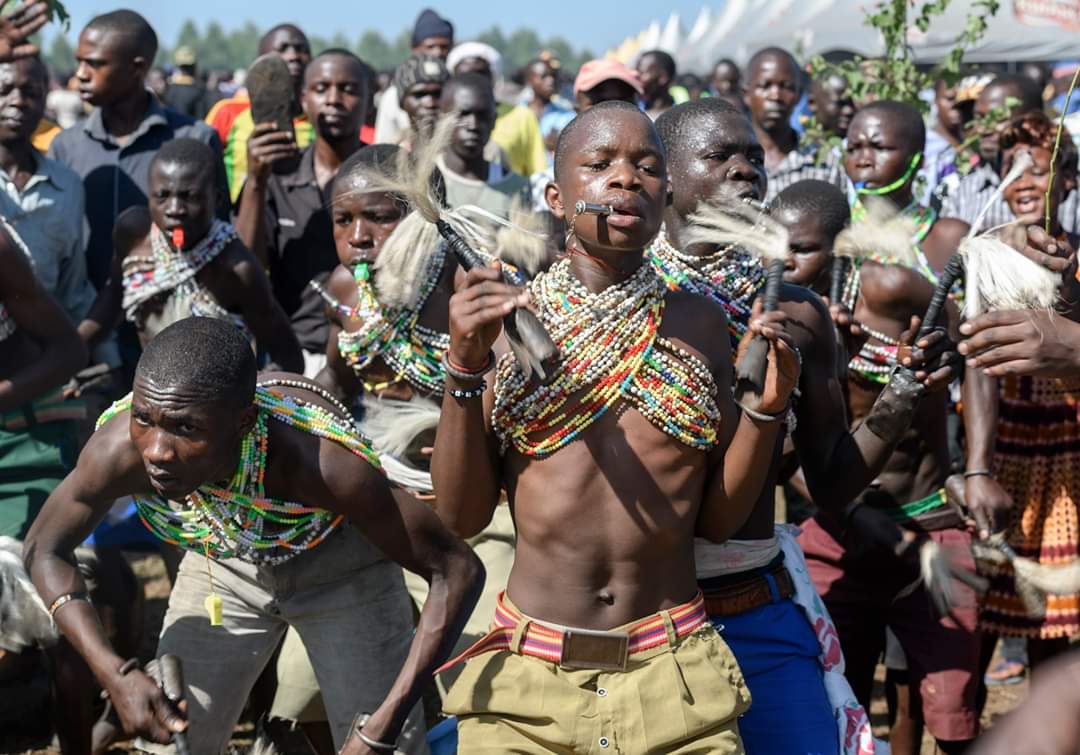 In the eastern region, the Bagisu communities around Mount Elgon are particularly associated with the Imbalu circumcision ceremony, a significant cultural tradition involving initiation into adulthood. Visitors interested in cultural heritage can learn about the meaning of the ceremony, the community's history and the wider cultural significance of the practice. Any visit should be arranged respectfully and with attention to community preferences, privacy and the timing of ceremonies.
In northeastern Uganda, Karamoja offers a different cultural landscape. The Karamojong pastoral communities have longstanding relationships with cattle, traditional architecture, music, livestock keeping and the surrounding semi-arid environment. A visit to this region can provide insight into a way of life that differs considerably from the experiences available around Kampala or the more familiar western safari circuit.
Central Uganda also offers significant cultural experiences through Buganda's historical institutions and heritage sites. The Kasubi Tombs, the Kabaka's Palace at Mengo and other historical locations provide opportunities to learn about the Buganda Kingdom and its influence on the region's history and identity.
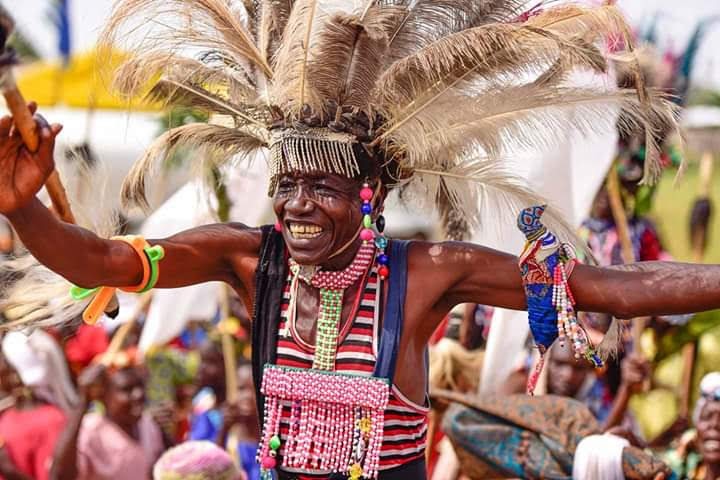 Cultural tourism should not be approached as an opportunity to treat communities as attractions. The most rewarding encounters happen when visitors learn from local people, engage with established community initiatives and respect cultural boundaries.
Travellers can also explore local markets, traditional food, music performances, craft workshops and community-led tourism projects. These activities allow visitors to appreciate Uganda through everyday experiences rather than limiting their understanding of the country to famous landmarks.
For international visitors planning to explore several cultural destinations, a flexible travel arrangement can make a considerable difference. Some heritage locations are found outside major urban centres, making private transportation a convenient option for travellers who want to combine different experiences within one itinerary.
3. Coffee Tourism: Exploring Uganda's Coffee-Growing Communities
Coffee is one of Uganda's most important agricultural products, but its significance extends beyond international trade. For visitors interested in agriculture, food culture and rural experiences, coffee tourism provides an opportunity to understand how one of the country's most recognisable products moves from the farm to the cup. Uganda produces both Arabica and Robusta coffee, with different growing regions offering distinct landscapes and farming traditions. The slopes of Mount Elgon in eastern Uganda are particularly associated with Arabica coffee. The region's altitude, volcanic soils and favourable growing conditions support coffee cultivation across several rural communities. Around Sipi and the surrounding Mount Elgon area, visitors can discover coffee farms and learn about traditional cultivation practices. Depending on the farm and the season, an experience may include observing coffee plants, learning about harvesting, seeing how beans are processed and understanding the different stages involved in preparing coffee for consumption.
In some communities, visitors can participate in demonstrations showing traditional coffee processing methods, including drying, roasting and grinding. These experiences offer a practical connection between agriculture and the finished product served in cafés and restaurants around the world.
Coffee tourism is also an opportunity to understand the economic importance of smallholder farming. Many rural households depend on agricultural activities, and coffee production provides livelihoods for farmers, processors and traders.
For travellers who enjoy combining food experiences with cultural exploration, a coffee-focused journey can be especially rewarding. It can include time in Mbale, visits to the Sipi Falls area and opportunities to explore the surrounding countryside.
 A coffee experience can also become part of a broader eastern Uganda holiday. Visitors may combine farm visits with hiking, waterfalls, local markets and cultural encounters, creating a varied itinerary without concentrating entirely on wildlife attractions.
4. Adventure Tourism: Exploring Uganda's Mountains, Rivers and Waterfalls
Uganda is increasingly attractive to travellers who want active outdoor experiences. Its mountains, forests, rivers and varied terrain provide opportunities for activities ranging from gentle nature walks to physically demanding mountain expeditions. Jinja is among the country's most recognised adventure tourism destinations. Located along the River Nile, the town attracts visitors interested in white-water rafting, kayaking, boat excursions, horseback riding and other outdoor activities. The river provides a remarkable setting for water-based adventures, while the surrounding region offers opportunities to discover the history and landscapes associated with the Nile.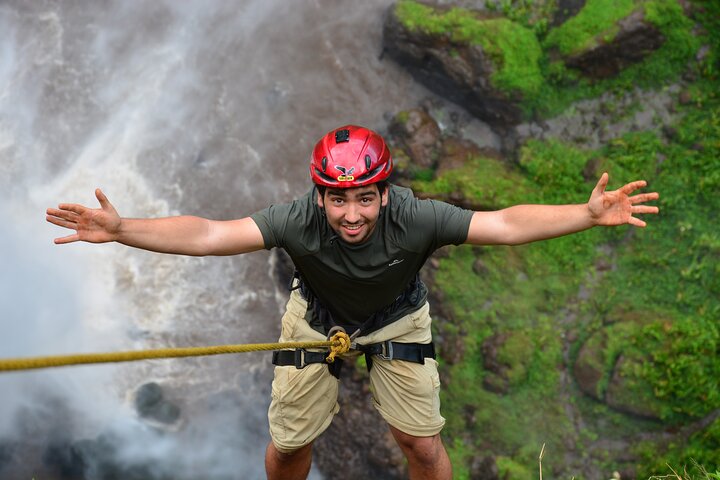 Further east, Mount Elgon provides an entirely different experience. The mountain's extensive highland environment includes forests, caves, waterfalls and scenic viewpoints. Hiking in the Mount Elgon region can involve walking through changing vegetation zones and visiting landscapes that are quite different from Uganda's familiar savannah environments.
Sipi Falls is one of the most recognisable attractions in the area. Its series of waterfalls creates an impressive natural setting, with hiking routes providing opportunities to appreciate the surrounding countryside and agricultural communities.
For more experienced mountain enthusiasts, Uganda's Rwenzori Mountains offer a demanding high-altitude adventure. Often called the Mountains of the Moon, the range is famous for its dramatic peaks, unusual alpine vegetation and challenging trekking routes.
The Rwenzori experience is particularly different from an ordinary safari holiday. Visitors may spend several days hiking through changing ecological zones, with the journey itself becoming the main attraction.
 Adventure tourism also requires thoughtful planning. Some activities involve specialised guides, appropriate equipment, advance arrangements and physical preparation. Travellers should understand the demands of an activity before including it in their itinerary.
Transportation is another important consideration, particularly when combining several adventure destinations. A journey involving Jinja, Mount Elgon and other eastern Uganda attractions can require considerable driving time. Choosing a suitable vehicle and allowing enough time between activities makes the experience more enjoyable.
5. Wetland and Water-Based Tourism: Exploring Uganda's Lakes and Swamps
Uganda's wetlands and freshwater environments provide some of its most distinctive tourism experiences. Although the country is often associated with forests and savannahs, its lakes, rivers, swamps and wetlands support remarkable biodiversity and offer opportunities for nature-based tourism. Mabamba is one of the best-known examples, particularly among birdwatchers. However, Uganda has several other interesting wetland environments that deserve attention. The Lake Bisina and Lake Opeta wetland systems in eastern Uganda are important destinations for birdwatching and nature enthusiasts. Their open-water environments, marshes and surrounding landscapes support a variety of bird species, including species that are particularly attractive to specialist birdwatchers.
The Lake Victoria shoreline also offers opportunities for boat excursions, fishing-related experiences and visits to island communities. Travellers can explore different sections of the lake and gain an appreciation of the importance of freshwater ecosystems to local livelihoods.
Further west, the Kazinga Channel in Queen Elizabeth National Park provides another memorable water-based experience. Boat excursions allow visitors to observe wildlife along the water's edge while enjoying a different perspective of the surrounding landscape.
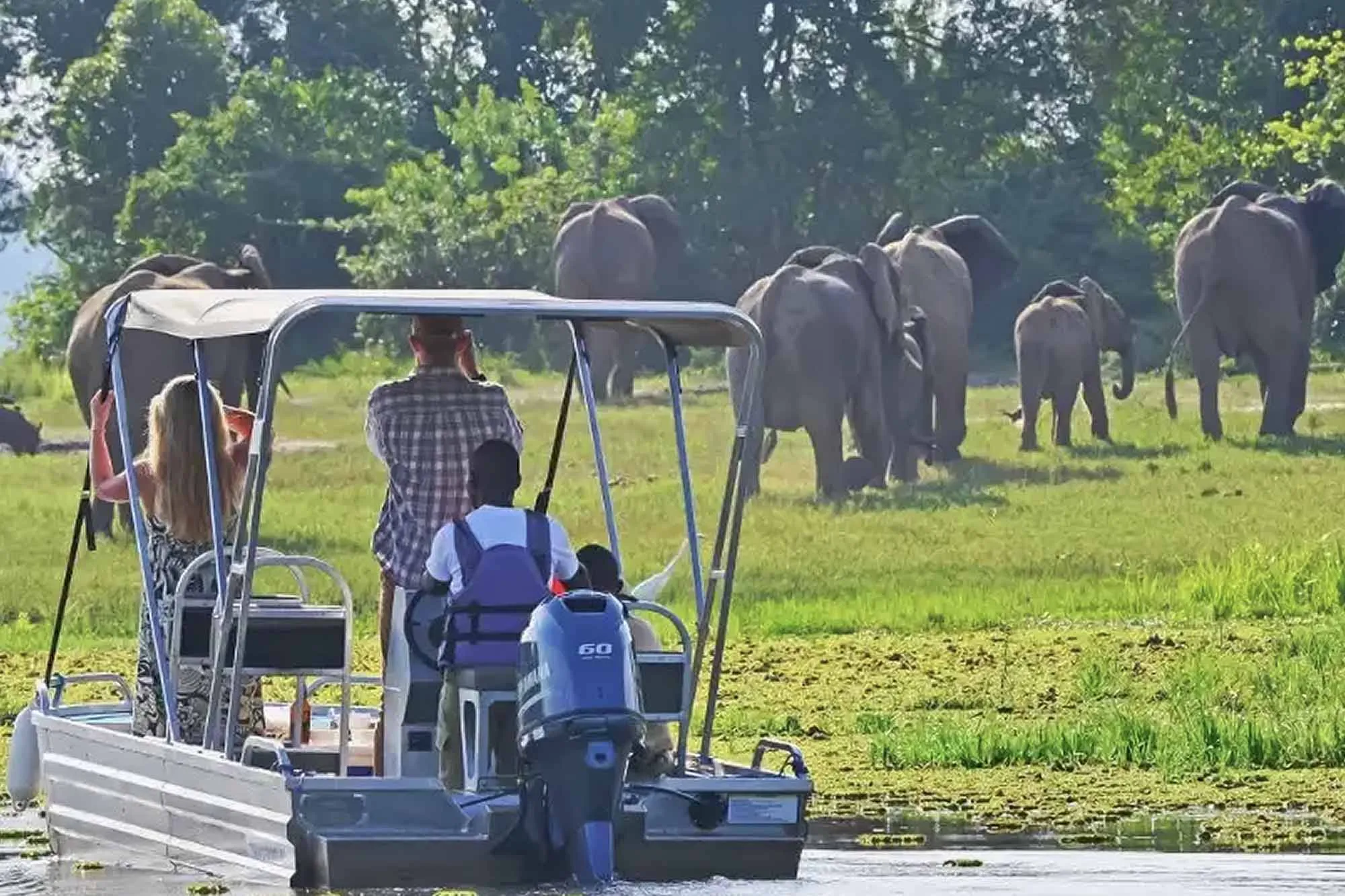 Water-based tourism is not limited to wildlife viewing. Canoeing, kayaking, fishing experiences and community visits can also form part of a broader itinerary.
These experiences appeal to visitors who prefer spending time in natural environments without necessarily undertaking strenuous physical activities. They also create opportunities for photography, relaxation and learning about the relationship between local communities and freshwater ecosystems.
6. Photography Tourism: Uganda Through the Lens
Uganda offers extraordinary opportunities for photography enthusiasts, yet photography tourism can be much more specialised than simply taking pictures during a wildlife safari. The country's varied landscapes create opportunities for different photographic interests, including wildlife photography, bird photography, landscape photography, cultural documentation and travel storytelling. For wildlife photographers, the national parks provide opportunities to capture animals in natural environments. However, some of Uganda's most interesting photographic subjects can be found outside conventional game-viewing locations.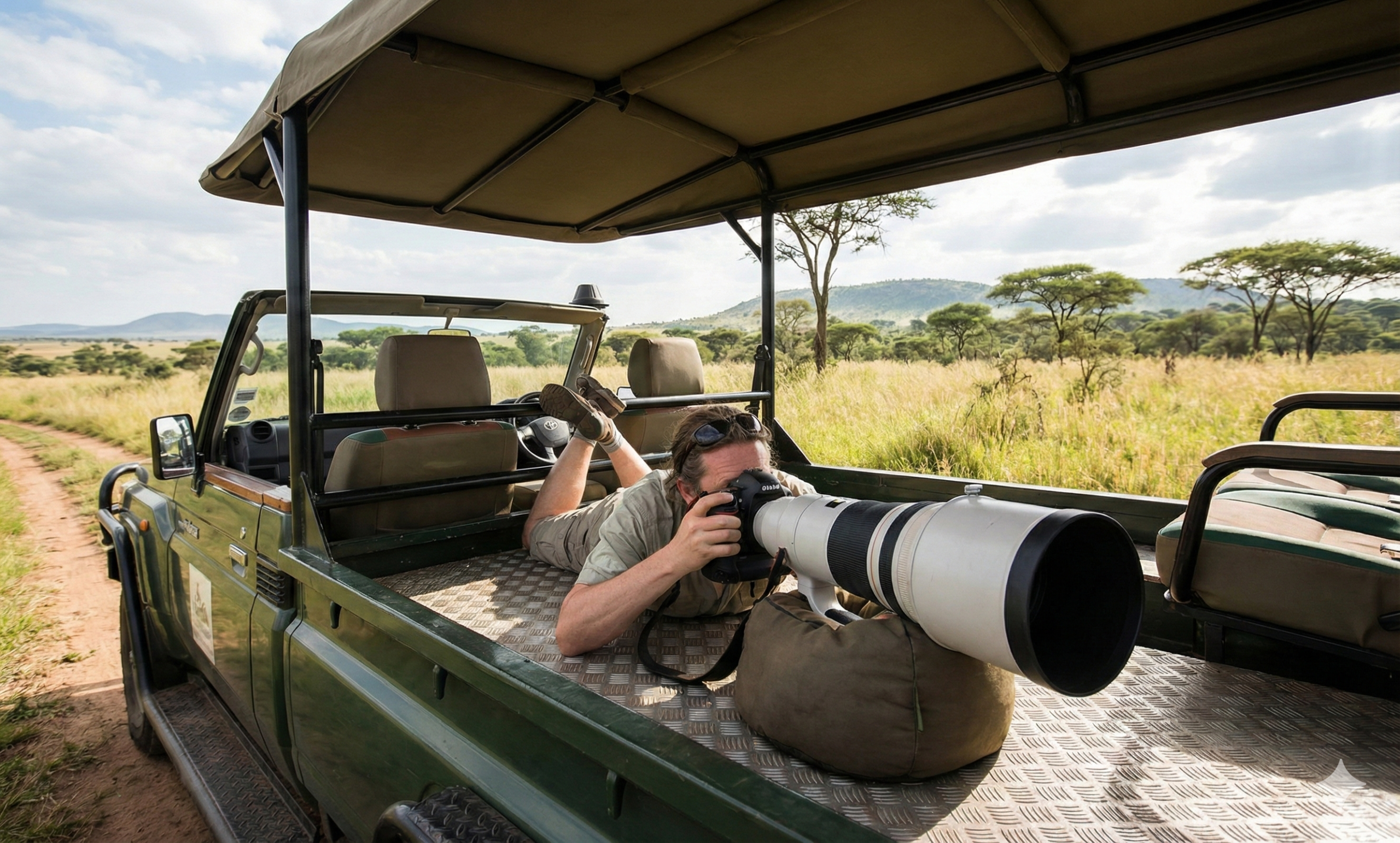 The dramatic landscapes around Mount Elgon, the waterfalls of Sipi, the highlands of southwestern Uganda and the remote plains of northeastern Uganda provide excellent opportunities for landscape photography.
Cultural photography offers another dimension. Traditional markets, craft workshops, fishing communities, agricultural activities and urban street scenes can reveal aspects of Ugandan life that visitors might otherwise overlook.
Wetland environments such as Mabamba also provide specialist opportunities for bird photographers. Photographing a shoebill in its natural habitat, for example, requires patience, suitable equipment and a knowledgeable guide who understands the environment.
A photography-focused holiday usually benefits from a flexible itinerary. Photographers may want to spend several hours at a particular location waiting for suitable lighting or observing animal behaviour. This differs from a conventional sightseeing itinerary, where visitors often move quickly between attractions.
Vehicle selection also matters. Depending on the intended photography experience, travellers may require adequate luggage space for cameras, lenses, tripods and other equipment. Safari vehicles with appropriate viewing arrangements can be especially useful for wildlife photography.
For professional photographers and film crews, advance transport planning is even more important because specialised equipment may require additional space and careful handling.
7. Community-Based Tourism: Experiencing Uganda at a Local Level
Some of the most meaningful travel experiences happen through interactions with local communities. Community-based tourism allows visitors to learn about everyday life while supporting initiatives that create economic opportunities for residents. Rather than concentrating exclusively on major attractions, these experiences introduce travellers to local livelihoods, traditions, food, crafts and community conservation activities. Uganda has several examples of community tourism around protected areas and important natural attractions. Around Kibale Forest, the Bigodi Wetland Sanctuary provides an opportunity to explore a community-managed wetland environment while learning about local conservation efforts.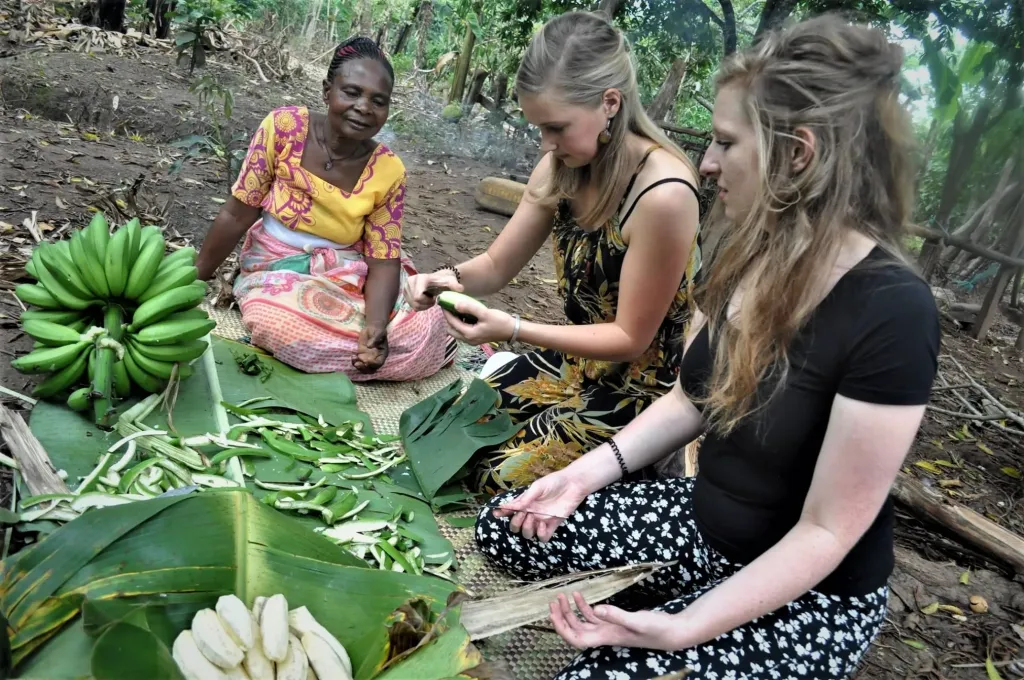 In eastern Uganda, community experiences around Mount Elgon can introduce visitors to coffee farming, local food preparation and traditional livelihoods. Around Lake Bunyonyi and other parts of southwestern Uganda, visitors can also discover rural landscapes and community initiatives.
Community tourism works best when visitors approach it with genuine curiosity and respect. Local guides and community organisations should be involved in organising encounters, explaining traditions and determining what activities are appropriate.
It is also important to understand that not every community experience is designed in the same way. Some are structured around guided walks, while others involve agricultural activities, cultural demonstrations, craft production or conservation education.
Travellers who spend more time in a particular region often have greater opportunities to discover these experiences. Instead of visiting a location for only a few hours, they can explore nearby communities and learn about the area's history and economy.
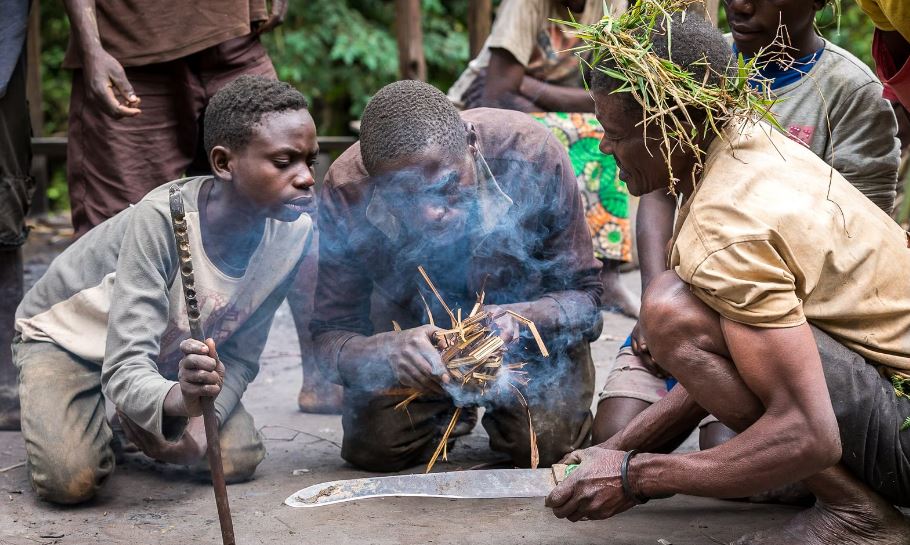 This makes independent travel and flexible transportation particularly useful for visitors interested in exploring Uganda beyond its major tourist attractions.
8. Agro-Tourism: Discovering the Agricultural Side of Uganda
Agriculture plays a major role in Uganda's economy and everyday life. For travellers interested in food, rural development, sustainability and traditional farming, agro-tourism offers a fascinating way to explore the country. A visit to an agricultural community can reveal how different crops are cultivated, processed and used. Depending on the location, visitors may encounter coffee, tea, bananas, vanilla, cocoa, fruits and other agricultural products.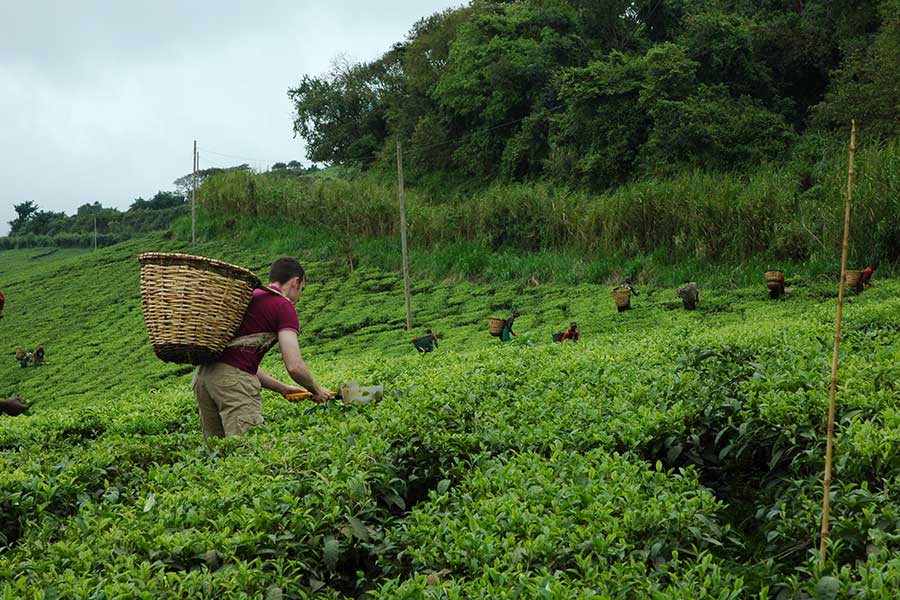 Tea-growing landscapes in western Uganda are particularly attractive, with green plantations creating scenic surroundings in several highland areas.
Coffee farms around Mount Elgon provide opportunities to understand the journey from harvesting to processing, while agricultural experiences in other regions can introduce visitors to traditional food production and rural livelihoods.
Agro-tourism can also be combined with culinary experiences. Visitors may learn about local ingredients, traditional cooking methods and the importance of particular crops in Ugandan cuisine.
This form of tourism is especially appealing to travellers who want to understand the country beyond its natural attractions. It provides a connection between the landscape, the people who work it and the food that appears on local tables.
For international visitors, agricultural experiences can also be educational. They provide insight into the challenges faced by farming communities, the importance of local markets and the relationship between agriculture and conservation.
9. Religious and Heritage Tourism: Exploring Uganda's Historical and Spiritual Sites
Uganda's religious and historical heritage provides another important dimension to its tourism offering. Religious tourism attracts visitors interested in historical events, pilgrimage, architecture and spiritual traditions. The Uganda Martyrs Shrine at Namugongo is among the country's most significant religious sites. The shrine commemorates the Uganda Martyrs and attracts large numbers of pilgrims, particularly around the annual Martyrs Day celebrations on 3 June. For many visitors, the site represents an important part of Uganda's Christian history.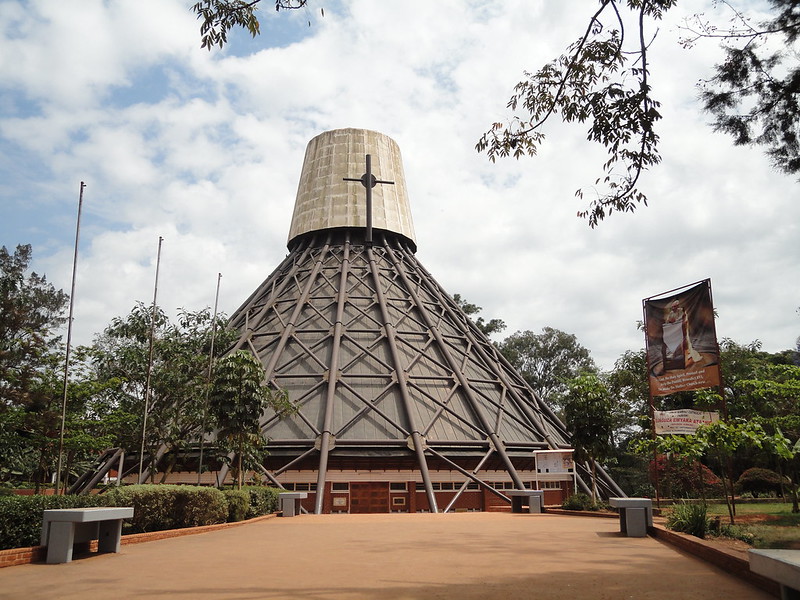 Kampala and its surrounding areas also contain significant historical and religious landmarks. The Bahá'í House of Worship, for example, is notable for being the first Bahá'í House of Worship on the African continent. Its architecture and peaceful surroundings make it an interesting destination for visitors interested in religious heritage and architectural design.
The Kasubi Tombs are another important heritage destination, reflecting the cultural and historical significance of the Buganda Kingdom.
Religious and heritage tourism can attract visitors whose main purpose for travelling is not wildlife viewing. Pilgrimage groups, academic visitors, cultural researchers and international delegations may all have reasons to explore these sites.
For groups visiting several religious and historical locations, organised ground transportation can make it easier to coordinate visits and manage different schedules.
10. Exploring Remote Uganda: The Appeal of Less-Visited Destinations
One of the most exciting opportunities for specialist tourism in Uganda is the possibility of discovering destinations beyond the established tourist circuit. While many visitors concentrate on the western safari route, other parts of the country contain remarkable landscapes and experiences that receive comparatively less attention.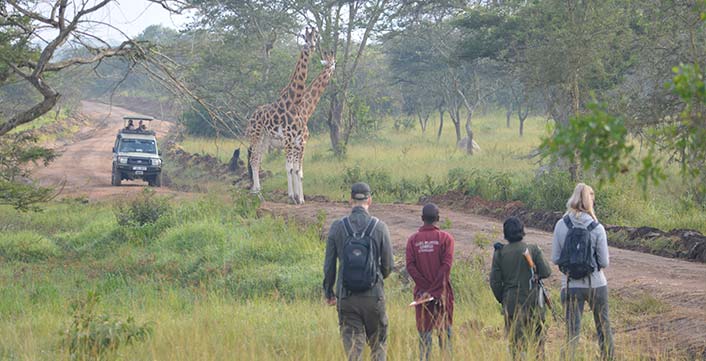 Pian Upe Wildlife Reserve in eastern Uganda is an excellent example. Located in the Karamoja region, it offers an expansive landscape with a different character from the more familiar western national parks.
The reserve is attractive to visitors interested in remote wilderness, birdwatching, wildlife observation and photography. Its open plains and distinctive scenery create an experience that feels quite different from the conventional safari circuit.
The region can also be combined with visits to Mount Elgon and Sipi Falls, creating a varied eastern Uganda itinerary.
Another interesting destination is Semuliki National Park in western Uganda. Its lowland tropical forest environment provides a contrast to the country's highland forests and savannah landscapes. Visitors can explore forest trails and learn about the area's biodiversity.
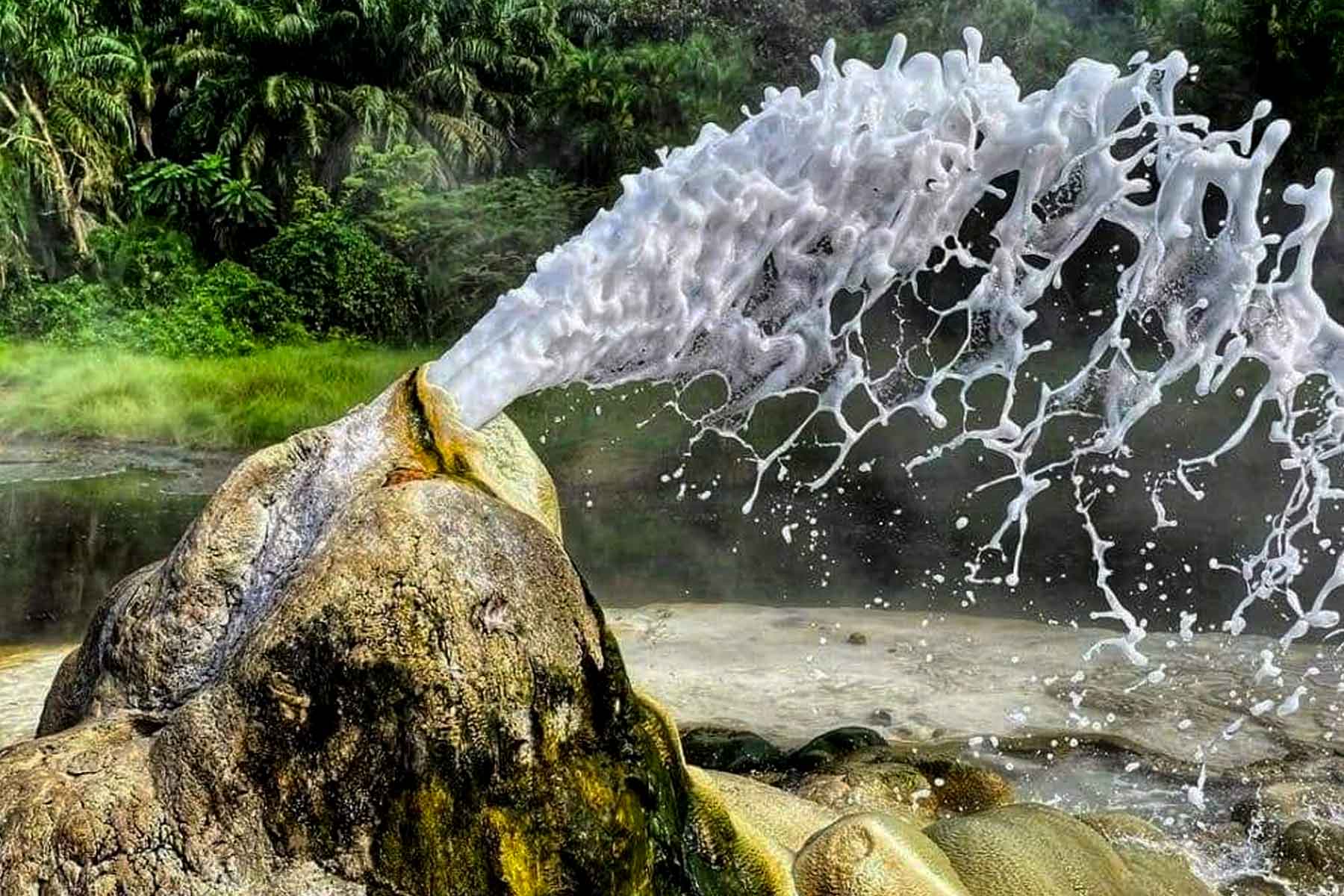
The Sempaya hot springs are among the park's most recognised attractions. These natural geothermal features provide an interesting opportunity to understand the geological activity associated with the Albertine Rift region.
 Remote destinations require more careful travel planning than established tourist centres. Road conditions, accommodation availability, local guiding services and access arrangements should be checked before departure.
A suitable vehicle is particularly important when travelling to areas where road conditions may vary. Travellers should also allow sufficient time for journeys and avoid assuming that distances on a map translate into short driving times.
For those willing to travel beyond the familiar routes, these destinations can become some of the most memorable parts of a Uganda holiday.
How to Combine Different Specialist Tourism Experiences in One Uganda Holiday
One of the advantages of exploring Uganda is that different tourism experiences can be combined into a single journey. A visitor interested in birdwatching, for example, could begin with Mabamba Wetland near Entebbe before travelling east towards Mount Elgon and the Lake Opeta region. The journey could incorporate coffee tourism, mountain scenery and cultural experiences. A traveller interested in adventure and rural tourism could combine Jinja's water-based activities with hiking around Sipi Falls and visits to communities around Mount Elgon.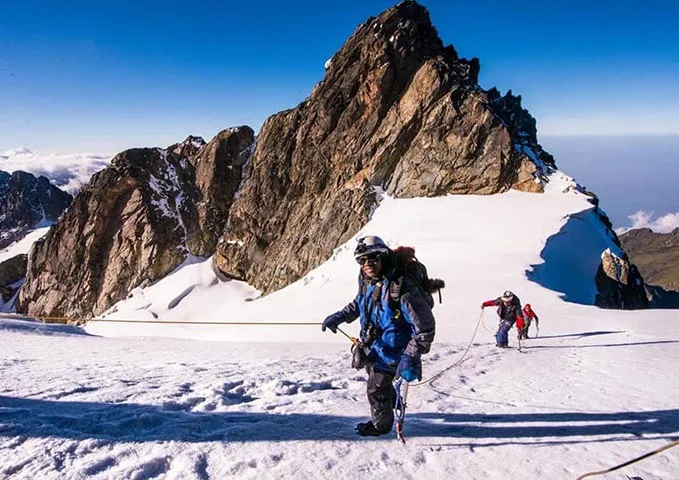 Photography enthusiasts could plan an itinerary involving wetlands, waterfalls, cultural markets, mountain landscapes and wildlife environments. This would provide a greater variety of photographic opportunities than concentrating exclusively on national parks.
Visitors interested in history and culture could explore Kampala's heritage sites, continue towards historical locations in central Uganda and then travel to eastern or western Uganda for additional cultural experiences.
The most suitable itinerary depends on the visitor's interests, available time, budget and preferred style of travel. Some experiences require only a few hours, while others are best enjoyed over several days.
A well-planned journey should also allow enough time to appreciate individual destinations. Attempting to visit too many places within a short holiday can reduce the quality of the experience.
Getting Around Uganda When Exploring Specialist Tourism Destinations
Transportation is an important part of planning a specialist tourism holiday in Uganda. Unlike a conventional city break, specialist travel often involves visiting several destinations with different geographical and logistical requirements. A birdwatching expedition may involve early departures to wetlands, while a photography holiday may require spending extended periods in particular locations. Cultural and agricultural experiences may take place in rural communities away from major towns. This makes the choice of transportation an important consideration.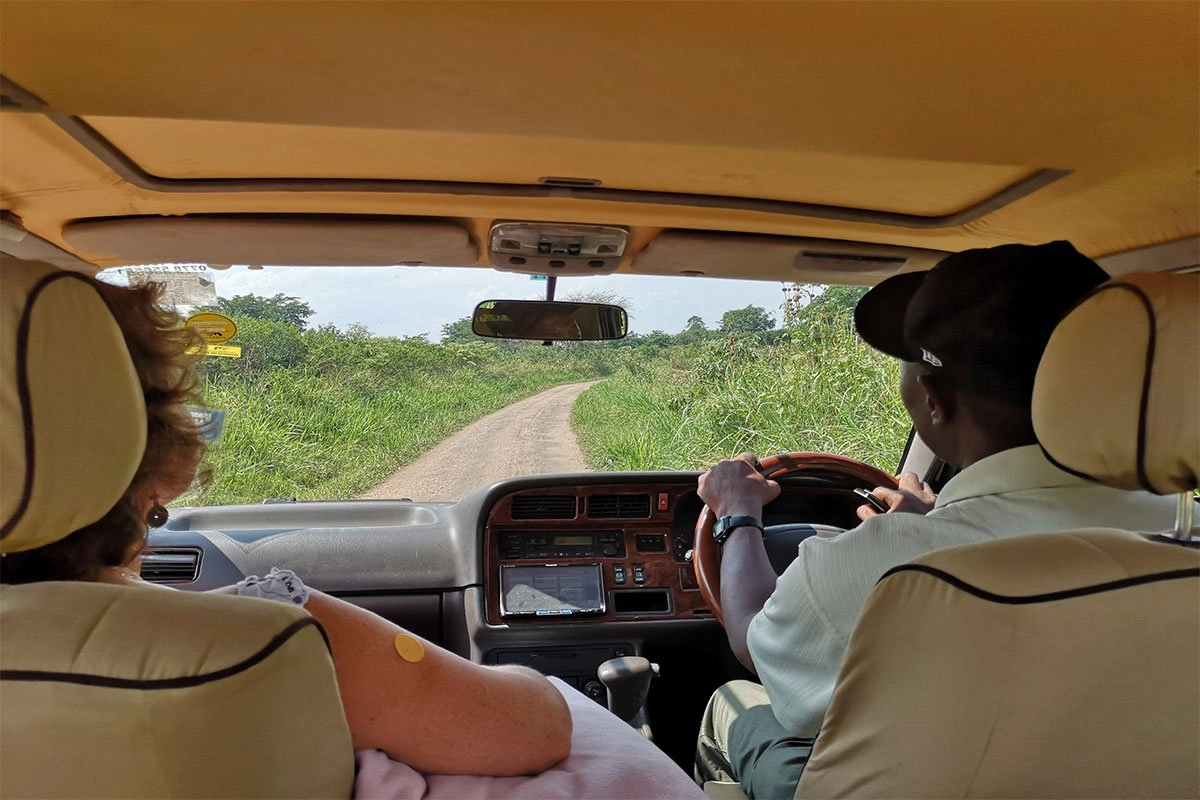 Some visitors prefer chauffeur-driven travel because it allows them to concentrate on the experience rather than navigating unfamiliar roads. Having a professional driver can be particularly convenient for visitors travelling between several destinations or undertaking extended journeys.
Other travellers prefer self-drive arrangements because they value flexibility and independence. A rental vehicle allows them to adjust their schedule, spend additional time at interesting locations and explore destinations at their own pace.
The appropriate vehicle depends on the intended journey. An ordinary passenger vehicle may be suitable for certain urban and paved-road journeys, while a 4x4 can be more appropriate for itineraries involving rougher roads and remote destinations.
Travellers carrying photography equipment, camping gear or other specialised equipment should also consider luggage capacity and passenger comfort when selecting a vehicle.
Uganda Car Rental Services provides different transportation options for visitors exploring the country. Travellers can learn more about the available options through the Uganda Car Rental Services website, explore self-drive car rental in Uganda, or consider 4x4 car hire for journeys where a reliable vehicle is essential, particularly when travelling to national parks, remote destinations, and other off-the-beaten-path locations. These options allow visitors to choose transportation that suits their travel plans, comfort preferences, and budget while enjoying greater flexibility as they discover Uganda.
Discover the Many Experiences Uganda Has to Offer
Uganda offers far more than traditional wildlife safaris. From birdwatching in Mabamba Wetland and exploring the cultural heritage of local communities to hiking around Sipi Falls, discovering coffee-growing regions and experiencing adventures along the River Nile, the country provides countless opportunities for memorable travel experiences. Whether you are interested in nature, culture, photography, agriculture or outdoor adventures, exploring beyond the established safari circuit allows you to appreciate Uganda from a much broader perspective.
The key to making the most of these experiences is proper planning, allowing enough time at each destination and choosing suitable transportation for your journey. With the right itinerary and flexibility to explore different regions, you can discover places and experiences that many conventional safari holidays overlook. Uganda is a destination worth exploring beyond its famous national parks, offering something special for every kind of traveller. Start planning your next Ugandan adventure and discover just how much more the Pearl of Africa has to offer.
PLanning to visit Uganda this season, contact us today for a travel quote by emailing to info@ugandasafaribookings.com or calling/chatting with +256-700135510.