
Uganda is one of Africa's most rewarding birdwatching locations, attracting bird enthusiasts, wildlife photographers and nature lovers from different parts of the world. With more than 1,060 recorded bird species, the country offers exceptional opportunities to discover rare, endemic, resident and migratory birds across a remarkable variety of natural habitats. From papyrus wetlands and tropical rainforests to open savannahs, mountain forests and freshwater lakes, Uganda provides an incredible diversity of birding environments.
However, enjoying the best Uganda birdwatching experiences requires more than identifying the right destinations. Many of Uganda's most productive birding locations are spread across different regions, and reaching them can involve long journeys, remote roads and challenging terrain. Proper transportation planning is therefore essential, particularly for visitors intending to explore several birding destinations during one holiday.
Whether you are travelling to Uganda specifically for birdwatching or incorporating birding activities into a wildlife safari, understanding how to reach the country's leading birding locations can help you organise a more comfortable and rewarding trip. This guide explores some of Uganda's best birdwatching destinations and explains the transportation options to consider when visiting each location.
Why Uganda Is an Excellent Birdwatching Destination
Uganda's remarkable bird diversity is largely influenced by its geographical position and variety of natural habitats. The country lies where East African savannah, Central African rainforest and the Albertine Rift ecosystems meet, creating favourable conditions for an impressive range of bird species.
Visitors can explore wetlands around Lake Victoria, montane forests in southwestern Uganda, lowland tropical forests in the west and extensive savannah landscapes in the north. Each environment supports different bird communities, making it possible to encounter an extraordinary variety of species within one country.
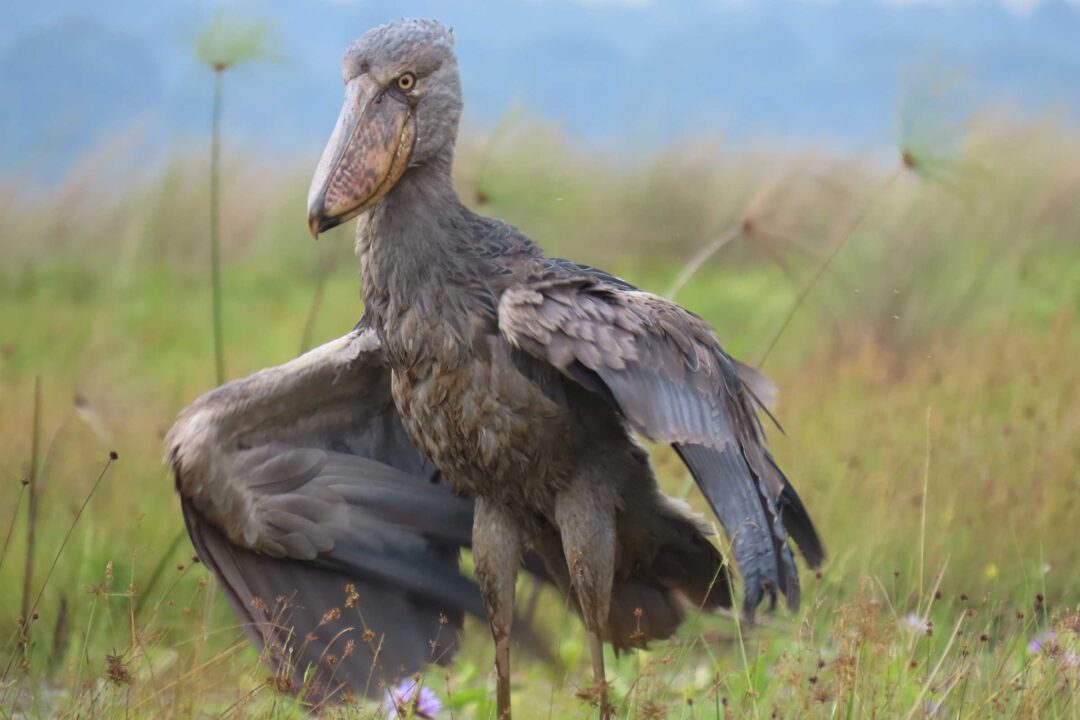
The famous shoebill is among the most sought-after birds, particularly around Mabamba Wetland near Entebbe. Other notable species include the African green broadbill, great blue turaco, grey crowned crane, African fish eagle and various colourful sunbirds, kingfishers and hornbills.
For serious birdwatchers, Uganda offers opportunities to explore several important birding habitats within a single extended itinerary. However, the distances between some destinations make choosing appropriate transportation an important part of the planning process.
1. Mabamba Wetland: The Best Place to Search for the Shoebill
Mabamba Wetland is one of Uganda's most famous birdwatching destinations and a priority stop for visitors hoping to see the elusive shoebill. Located on the northern shores of Lake Victoria, west of Entebbe, the wetland is characterised by extensive papyrus vegetation, open water channels and marshland habitats that support numerous bird species.
Birdwatching at Mabamba is mainly conducted using small motorised canoes that navigate through narrow channels in search of the shoebill. Visitors may also encounter African jacanas, malachite kingfishers, herons, egrets and other wetland species during their excursions.
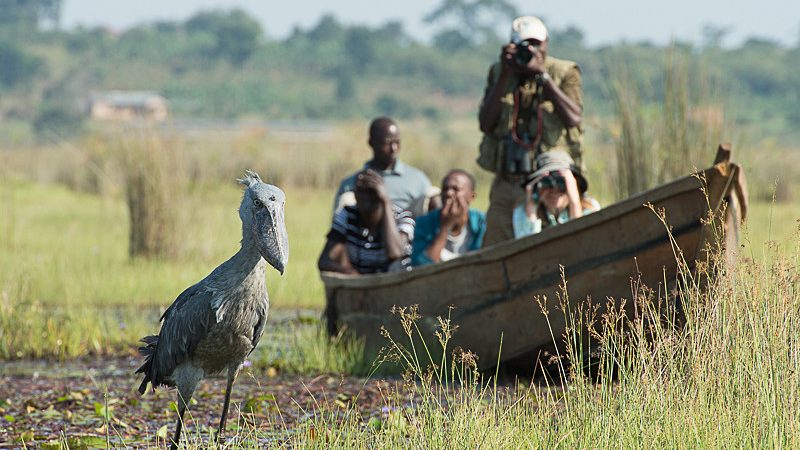
The wetland is relatively accessible compared with many of Uganda's remote birding destinations. Travellers can reach the Mabamba area from Entebbe or Kampala by road before connecting to the appropriate landing site for their canoe excursion.
A private vehicle or hired car is a convenient transportation option, particularly for visitors planning an early morning birdwatching trip. Travelling with a local driver can also make it easier to locate the correct landing site and coordinate departure times with local canoe operators.
For international visitors arriving through Entebbe International Airport, Mabamba can be an excellent first or last birdwatching destination because of its proximity to the airport.
2. Bwindi Impenetrable National Park: Birdwatching in the Albertine Rift
Bwindi Impenetrable National Park is internationally recognised for mountain gorilla trekking, but it is equally important for birdwatching. Its montane forests provide habitats for numerous bird species, including several Albertine Rift endemics that are particularly attractive to specialist birdwatchers.
Some of the notable species include the African green broadbill, Rwenzori batis, handsome francolin and various colourful turacos and sunbirds. The Ruhija sector is particularly popular among birdwatchers because of its montane forest trails and access to Mubwindi Swamp.

Getting to Bwindi requires careful transportation planning because the park is located in southwestern Uganda, several hours' drive from Kampala and Entebbe. The journey involves travelling through different towns and countryside landscapes before reaching the forest's various access sectors.
A reliable 4x4 vehicle is highly recommended, especially when visiting remote birding locations or travelling during rainy periods. Some access roads can become muddy and difficult to navigate, making a suitable vehicle important for reaching accommodation facilities and birding trailheads.
Travellers should also understand that Bwindi has different sectors, including Buhoma, Ruhija, Rushaga and Nkuringo. These areas are not interchangeable, and the most suitable accommodation and access route will depend on the specific bird species and trails being targeted.
Working with an experienced local driver or birding guide can help visitors select appropriate routes and minimise unnecessary driving between sectors.
3. Queen Elizabeth National Park: Exploring Savannah and Wetland Birds
Queen Elizabeth National Park is among Uganda's most diverse birdwatching destinations, with an impressive range of habitats supporting hundreds of recorded species. Its savannah plains, crater lakes, woodland areas, wetlands and riverine environments make it particularly rewarding for visitors interested in different bird families.
The Kazinga Channel is one of the park's most productive birdwatching areas. A boat cruise along the channel provides opportunities to observe African fish eagles, saddle-billed storks, pelicans, kingfishers and numerous other waterbirds. The surrounding savannah also supports various raptors, ground-dwelling birds and colourful woodland species.
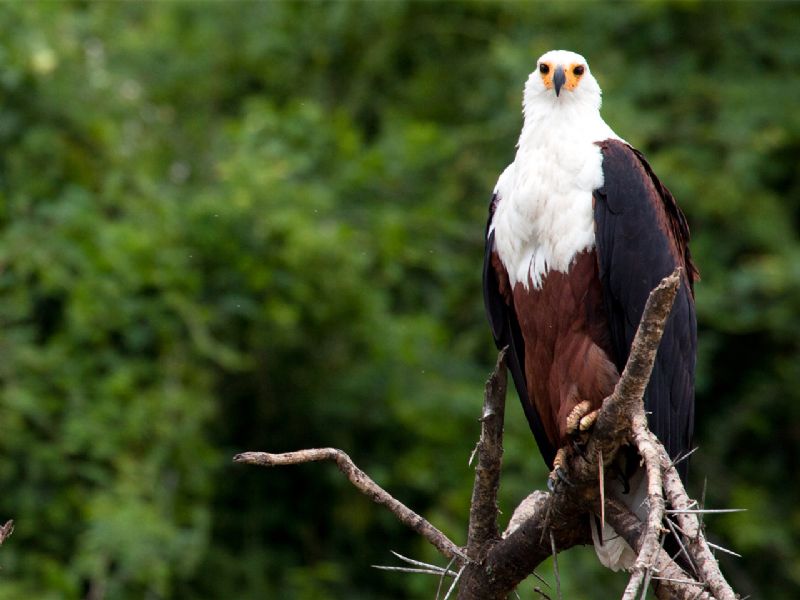
The Mweya Peninsula, Kasenyi Plains and Ishasha sector offer different birding opportunities, making the park an excellent destination for visitors who want to explore several habitats within one location.
Queen Elizabeth National Park is situated in western Uganda and can be reached from Kampala through routes passing major towns such as Mbarara and Bushenyi. Visitors travelling from Kibale National Park or Fort Portal can also incorporate the park into a western Uganda birding circuit.
A comfortable 4x4 safari vehicle is useful for exploring different parts of the park, particularly when travelling along less developed tracks. Visitors should also consider arranging a vehicle with sufficient space for binoculars, photography equipment and other birdwatching essentials.
4. Murchison Falls National Park: Birdwatching Along the River Nile
Murchison Falls National Park offers a remarkable combination of savannah, woodland, riverine forest and wetland habitats. The park is particularly attractive to birdwatchers interested in species associated with the River Nile and the surrounding landscapes.
Some notable birds include the Abyssinian ground hornbill, African fish eagle, Goliath heron, red-throated bee-eater and various storks and kingfishers. The Nile Delta, where the river flows into Lake Albert, is especially interesting for visitors hoping to encounter the shoebill.
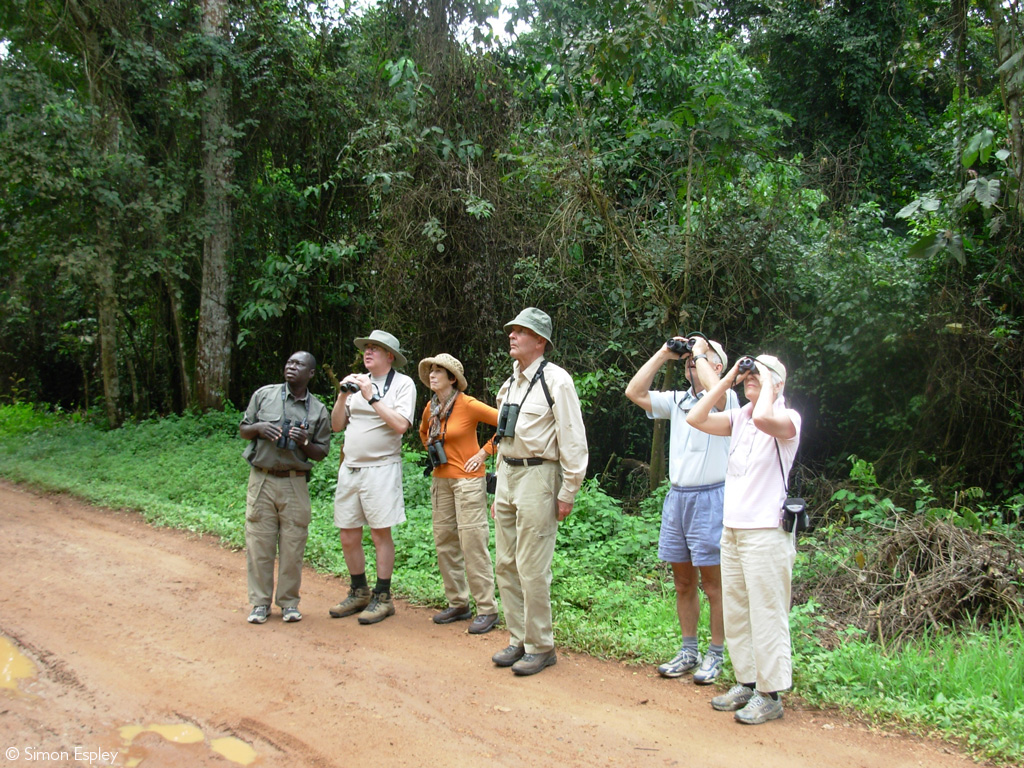
Birdwatching opportunities are also available around the park's riverbanks, open grasslands and nearby Budongo Forest. The Royal Mile in Budongo is particularly popular for forest birding and offers opportunities to encounter several forest-specialist species.
Murchison Falls National Park is located in northwestern Uganda, and the journey from Kampala involves travelling through towns such as Masindi. The distance and travel time make it advisable to organise transportation well in advance, particularly when planning early morning birding activities.
A reliable 4x4 vehicle is recommended for exploring the park's different sections and reaching selected accommodation facilities. Visitors planning to combine Murchison Falls with Budongo Forest should coordinate their transportation arrangements carefully to avoid unnecessary backtracking.
5. Kibale National Park and Bigodi Wetland Sanctuary: Forest and Wetland Birding
Kibale National Park is one of Uganda's most important tropical rainforest destinations and is particularly famous for its primate diversity. However, the forest also supports a remarkable variety of bird species, making it an excellent destination for birdwatching enthusiasts.
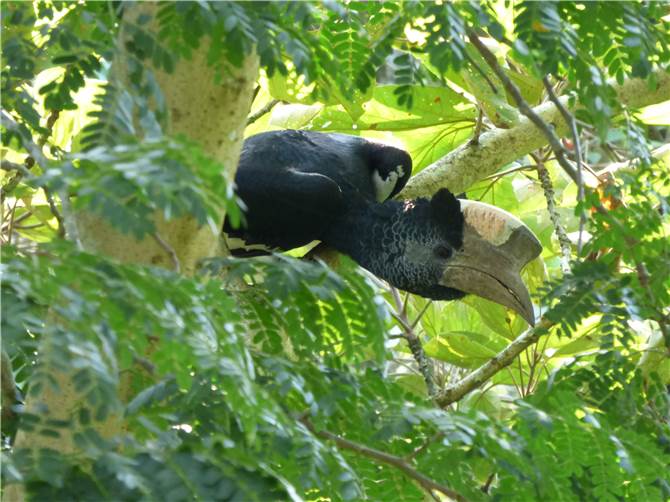
The great blue turaco, African grey parrot, green-breasted pitta and numerous forest kingfishers and hornbills are among the species that attract visitors to the area.
Nearby Bigodi Wetland Sanctuary offers a different birdwatching experience, with community-guided walks through wetland vegetation and forest edges. The sanctuary is particularly appealing to visitors interested in combining birdwatching with community tourism.
Fort Portal is a convenient base for exploring Kibale and the surrounding birding locations. The area can be reached from Kampala through western Uganda, with the journey passing scenic countryside and agricultural landscapes.
A private rental vehicle provides flexibility when moving between Fort Portal, Kibale National Park and Bigodi Wetland Sanctuary. Visitors should also consider hiring a local birding guide who understands the forest environment and can help identify species that may be difficult to spot without specialist knowledge.
6. Semuliki National Park: Discovering Central African Bird Species
Semuliki National Park is a particularly interesting destination for specialist birdwatchers because its lowland tropical rainforest supports species associated with the Congo Basin. The park offers a different birding experience from the montane forests of Bwindi and the savannah habitats of Queen Elizabeth National Park.
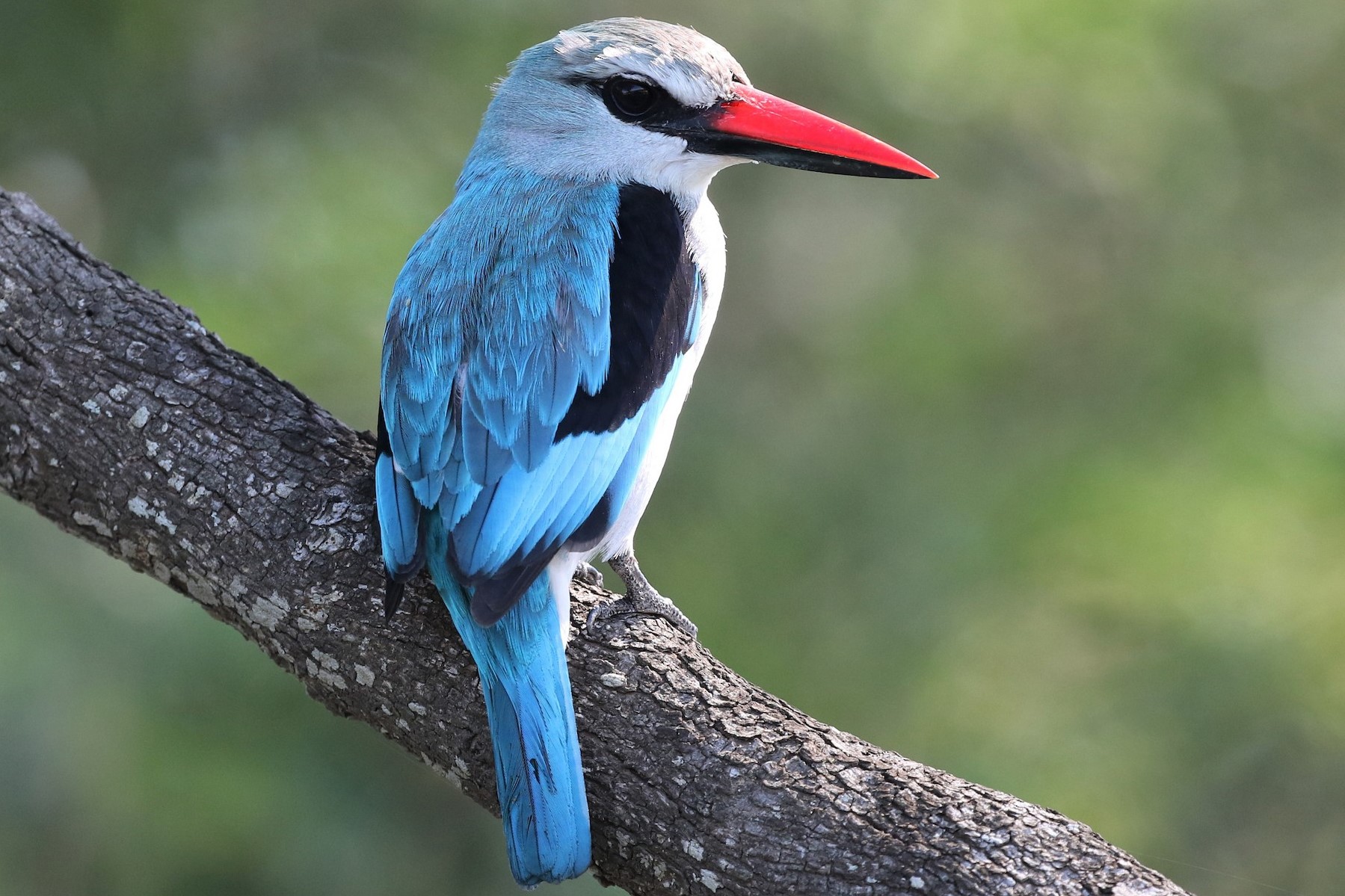
Birdwatchers can search for a variety of hornbills, kingfishers, forest flycatchers and other species that are difficult to encounter elsewhere in East Africa. The park's location in the Albertine Rift region makes it an important destination for visitors interested in exploring Uganda's western forest ecosystems.
Reaching Semuliki requires travelling towards the Bundibugyo area, generally using routes from Fort Portal. The journey involves winding roads and changing elevations as visitors descend towards the Semuliki Valley.
A dependable 4x4 vehicle is particularly useful for this journey because road conditions can vary depending on the weather. Travellers should also plan enough time to reach their accommodation and birding locations without rushing.
Because Semuliki is relatively remote, it is advisable to arrange transportation, accommodation and local guiding services before beginning the journey.
7. Lake Mburo National Park: Birdwatching Along Woodland and Wetland Habitats
Lake Mburo National Park is another rewarding destination for birdwatching, particularly for visitors exploring western Uganda. The park contains a mixture of acacia woodland, open grassland, lakes and wetland environments that support a diverse bird population.
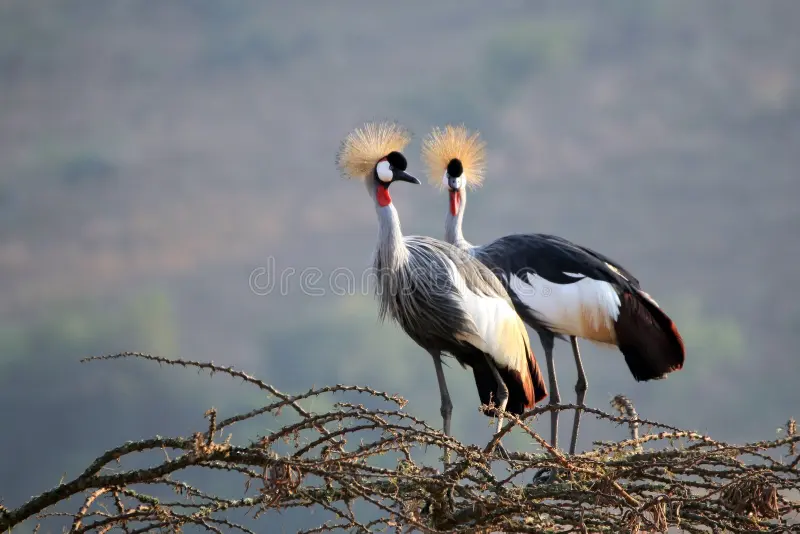
Notable species include the African finfoot, African fish eagle, grey crowned crane and various kingfishers, herons and woodland birds. Boat excursions on Lake Mburo provide additional opportunities to observe water-associated species.
The park is conveniently located along the route connecting Kampala with southwestern Uganda, making it a useful stop for travellers heading towards Bwindi or Queen Elizabeth National Park.
Most visitors can reach the park through routes passing Mbarara before continuing towards the relevant park entrance. A suitable 4x4 vehicle is recommended for game drives and exploring different areas of the park.
Lake Mburo is also an excellent destination for visitors who want to break up a longer journey rather than travelling directly between Kampala and southwestern Uganda in one day.
8. Kidepo Valley National Park: Exploring Northern Uganda's Unique Birdlife
For birdwatchers interested in exploring Uganda's less-visited destinations, Kidepo Valley National Park offers an exceptional experience. Located in the remote northeastern part of the country, the park features extensive savannah landscapes, rocky hills and seasonal river valleys.
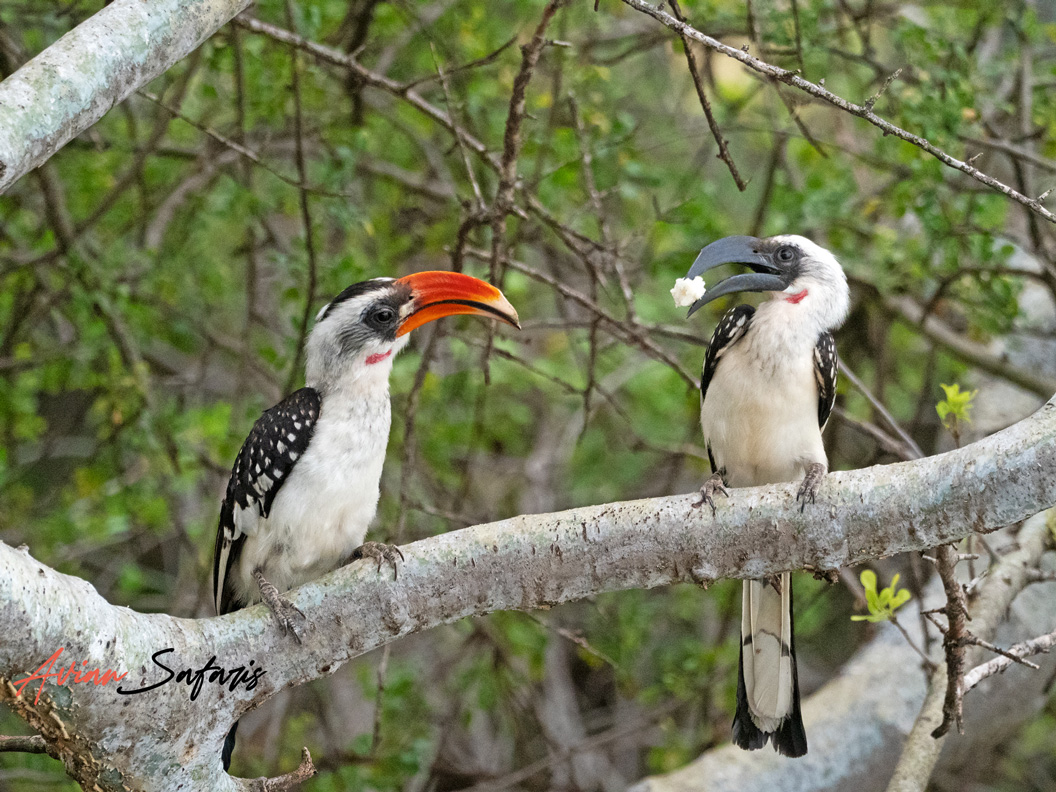
Its birdlife includes species associated with dry-country habitats that are not commonly encountered in other parts of Uganda. Birdwatchers may search for ostriches, Karamoja apalis, Abyssinian rollers, ground hornbills and various raptors.
However, reaching Kidepo requires considerably more travel planning than visiting destinations closer to Kampala. The park is situated far from the main urban centres, and road journeys can take much of a day depending on the starting point and road conditions.
A reliable 4x4 vehicle is strongly recommended for visitors planning to travel overland to Kidepo. Because of the distance involved, travellers should allow additional days for the journey and avoid organising an itinerary that leaves insufficient time for birdwatching.
Visitors with limited time may also consider domestic flights to the region, followed by locally arranged transportation within the park.
Choosing the Right Vehicle for a Uganda Birdwatching Trip
The choice of vehicle can significantly influence the overall birdwatching experience. Unlike ordinary sightseeing trips, birding excursions often involve early departures, extended periods in the countryside and visits to remote locations where road conditions may be unpredictable.
A spacious 4x4 vehicle is one of the most practical options for visitors planning an extensive birdwatching safari. It offers better suitability for many rural roads, sufficient room for luggage and photography equipment, and flexibility when accessing different national parks.

For smaller groups, a comfortable SUV may be sufficient, especially when exploring destinations around Entebbe, Mabamba and Lake Mburo. Larger birdwatching groups may prefer a minivan or passenger van with enough seating and luggage capacity for everyone.
Vehicle comfort is also important because birdwatchers may spend several hours travelling between destinations. Air conditioning, comfortable seating, sufficient luggage space and good visibility can make long journeys considerably more enjoyable.
Travellers who prefer not to drive themselves can consider chauffeur-driven car rental. Having a local driver allows visitors to concentrate on birdwatching while someone familiar with the roads handles navigation and driving.
Why Consider Car Rental for Birdwatching in Uganda?
Public transportation may be available along some major routes, but it is generally not the most convenient option for dedicated birdwatching holidays. Birders often need to depart before sunrise, visit multiple locations within a day and adjust their schedules depending on weather conditions and bird sightings.
Car rental provides greater flexibility, allowing visitors to travel according to their own birdwatching interests and preferred schedules. It also makes it easier to carry specialist equipment, stop at suitable locations and reach accommodation facilities near remote birding sites.
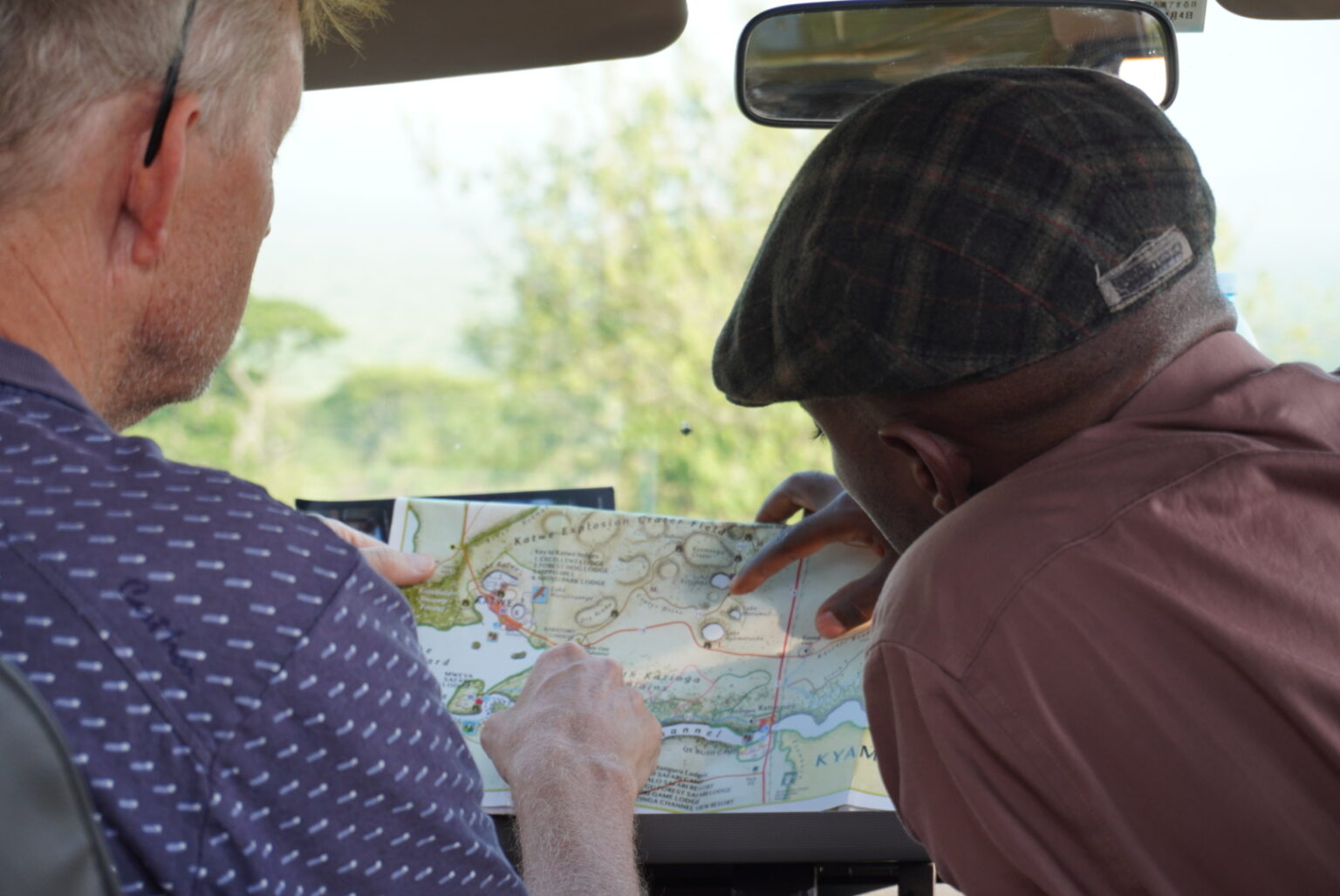
Uganda Safari Bookings offers Uganda car rental solutions for visitors exploring different parts of the country. Travellers can explore its business car rental services in Uganda for corporate and chauffeur-driven transportation options, or visit our offices in Kampala to learn more about available rental services.
For visitors planning extensive birdwatching journeys, arranging a suitable vehicle in advance can help simplify transportation and make it easier to connect different birding destinations within one itinerary.
When Is the Best Time to Go Birdwatching in Uganda?
Uganda offers birdwatching opportunities throughout the year, although different seasons can influence the overall experience. The country's resident bird species can be observed during most months, while migratory birds add to the diversity during particular periods.
The months of November to April are particularly interesting for visitors hoping to encounter Palearctic migrant species. Breeding activity among resident birds can also make certain periods especially rewarding for photography and observing bird behaviour.

The drier months, generally December to February and June to August, can offer more favourable road and trail conditions in many destinations. However, weather patterns vary across regions, and some birding locations remain productive during wetter periods.
Visitors should consider their target species, preferred destinations and transportation requirements when choosing travel dates. Those planning to visit remote forests or mountainous areas should pay particular attention to seasonal road conditions.
How to Prepare for a Uganda Birdwatching Road Trip
A successful birdwatching holiday requires careful preparation, particularly when visiting several destinations. Before travelling, it is advisable to research the bird species associated with each location and identify the habitats where they are most likely to be found.
Hiring experienced local birding guides can significantly improve the experience because they are familiar with bird calls, feeding patterns and suitable observation areas. Their knowledge can be particularly valuable when searching for forest species that are difficult to locate through casual observation.
Visitors should also carry suitable binoculars, cameras, field guides and notebooks for recording sightings. Comfortable walking shoes, insect repellent, drinking water and appropriate outdoor clothing are equally important.
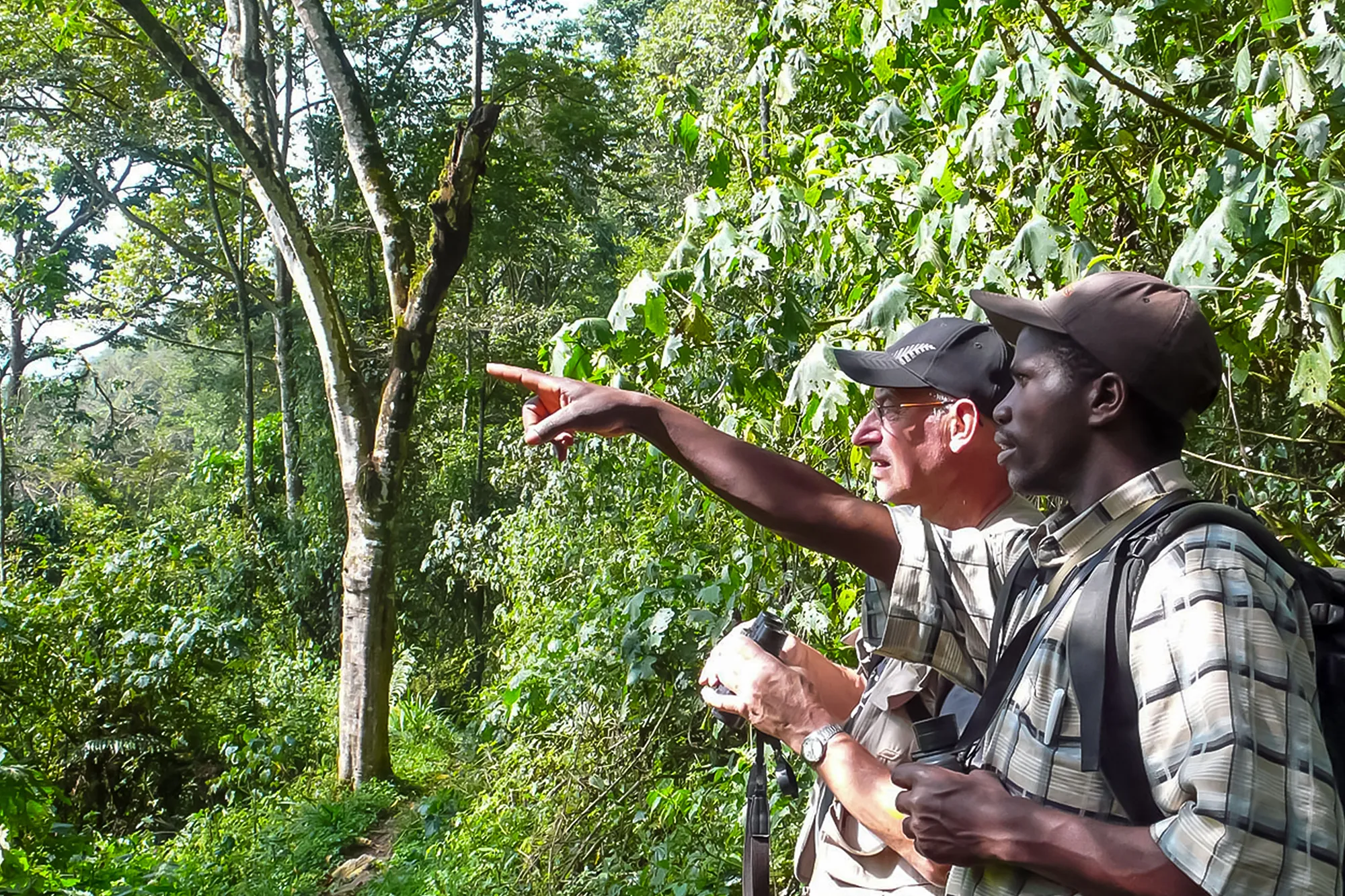
Transportation arrangements should be confirmed before departure, including vehicle availability, driver arrangements and the suitability of the selected vehicle for the planned routes. It is also advisable to allow extra travel time between destinations because some journeys may take longer than expected.
Above all, birdwatchers should approach Uganda's natural environments responsibly by respecting wildlife, avoiding unnecessary disturbance and following the guidance of local park authorities and birding guides.
Explore Uganda's Best Birding Destinations with Reliable Transportation
Uganda offers an extraordinary birdwatching experience, with its diverse habitats supporting an impressive variety of resident, migratory and endemic bird species. From searching for the famous shoebill at Mabamba Wetland to exploring the montane forests of Bwindi, the tropical woodlands of Kibale and the savannah landscapes of Murchison Falls and Kidepo Valley, there is something special for every birding enthusiast.
However, reaching these destinations requires thoughtful transportation planning. Choosing the right vehicle, understanding road conditions and allowing sufficient time between locations can make a significant difference to the overall experience. Whether you are planning a short birdwatching excursion around Entebbe or an extended birding safari across Uganda, reliable ground transportation gives you the flexibility to explore different habitats comfortably.

For a more convenient birdwatching holiday, consider arranging suitable car rental services before arriving in Uganda. With the right transportation and guidance, you can discover the country's remarkable birdlife while enjoying the beautiful landscapes and unforgettable experiences that make Uganda one of Africa's leading birdwatching destinations.
Frequently Asked Questions About Birdwatching Transportation in Uganda
What is the best vehicle for birdwatching in Uganda?
A 4x4 SUV is an excellent option for birdwatching trips involving national parks, remote forests and rural destinations. Smaller SUVs may be sufficient for accessible locations, while minivans and passenger vans are suitable for larger birding groups.
Can I visit Uganda's birdwatching destinations using a self-drive rental car?
Yes. Visitors can use self-drive rental vehicles to explore many of Uganda's birdwatching destinations. However, a suitable 4x4 vehicle is recommended for remote locations and challenging road conditions. Travellers should also research access routes and consider hiring local birding guides.
Where can I see the shoebill in Uganda?
Mabamba Wetland near Entebbe is one of the country's best-known locations for shoebill sightings. The bird can also be found around the Nile Delta in Murchison Falls National Park.
How many days do I need for a Uganda birdwatching safari?
A short trip of approximately five to seven days can cover selected destinations around Entebbe and western Uganda. A more comprehensive birdwatching safari exploring locations such as Mabamba, Bwindi, Kibale, Queen Elizabeth, Semuliki and Murchison Falls may require two to three weeks or longer.
Is a driver-guide necessary for birdwatching in Uganda?
A driver-guide is not compulsory, but it can make the journey more convenient, particularly for visitors unfamiliar with Uganda's roads. Specialist local birding guides are especially valuable because they can identify species by their calls and help locate birds in different habitats.
Can birdwatching be combined with a wildlife safari in Uganda?
Absolutely. Many national parks offer excellent opportunities for both birdwatching and traditional wildlife viewing. Visitors can combine game drives, boat cruises, forest walks and specialist birding excursions within one itinerary.
To book a birdwatching safari in Uganda today- simply contact us now by sending an email to info@ugandasafaribookings.com or call us now on +256-700135510.