
Uganda's forests, savannahs, and lakes make for an extraordinary trip, but as with most tropical destinations, a bit of health preparation goes a long way toward making sure that trip is a comfortable one. Some vaccinations are legally required for entry, others are strongly recommended by health authorities, and a few practical precautions matter more day-to-day than any vaccine. Here's what to know before you go.
Disclaimer: This article is a general guide, not medical advice. Requirements and recommendations can change, and your own health history, itinerary, and age all affect what's right for you. Always consult a doctor or accredited travel health clinic before your trip.
Yellow Fever: The One Mandatory Vaccine
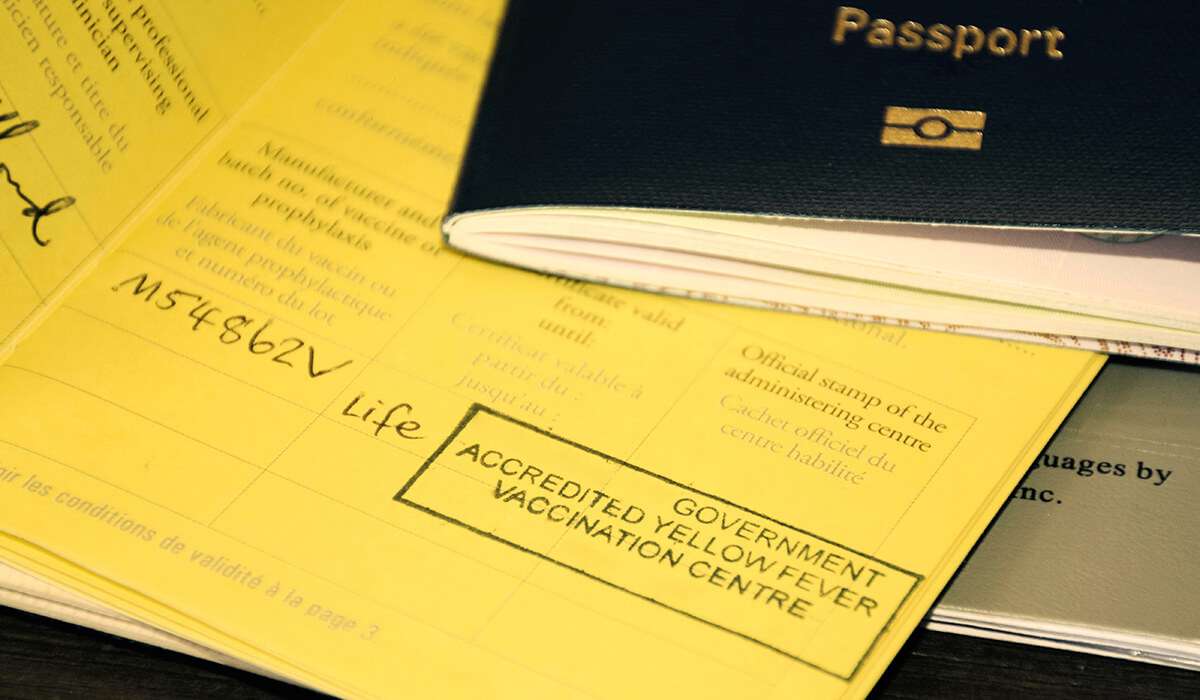
Yellow fever vaccination is the only vaccine legally required for entry into Uganda, and it applies to essentially all travelers aged nine months (some sources specify one year) and older, regardless of which country you're arriving from. You'll need to carry your International Certificate of Vaccination (the "yellow card") and present it at Entebbe International Airport or at land border crossings — without it, you risk being vaccinated on the spot, denied entry, or delayed at immigration.
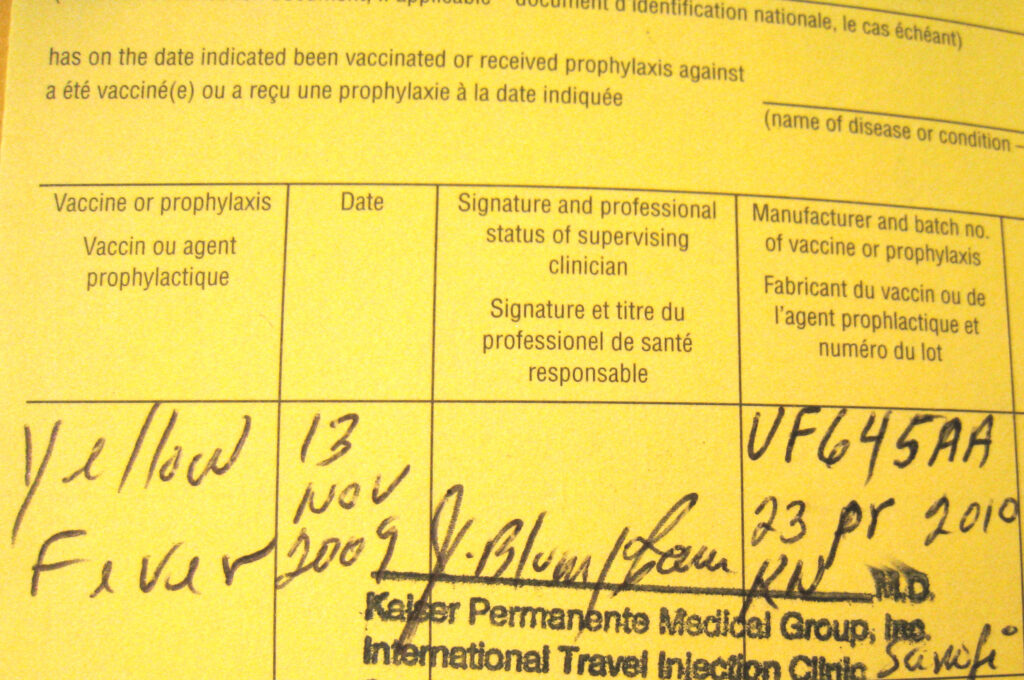
A few practical points:
- Get vaccinated at least 10 days before you travel. The vaccine needs time to become effective, and Uganda's entry requirement typically expects this buffer.
- Vaccination is generally considered valid for life under current World Health Organization guidance, though it's worth checking whether your specific circumstances or destination combination requires anything additional.
- Proof is also checked on departure from Uganda in some cases, so keep your certificate accessible for your entire trip, not just on arrival.
- This requirement applies even for short layovers or transits through Uganda in some cases, so check your specific itinerary if Uganda is a stopover rather than your main destination.
Malaria Prevention
Malaria risk exists across Uganda, including in and around Kampala, and it's arguably the single most important health precaution to plan for beyond yellow fever, since — unlike yellow fever — there's no vaccine offering blanket protection for travelers. Antimalarial medication (prophylaxis) is strongly recommended for most visitors; the right option depends on your health history, trip length, and the specific regions you're visiting, so this is a conversation to have with a doctor or travel clinic rather than a decision to make alone.
Alongside medication, practical prevention matters just as much:
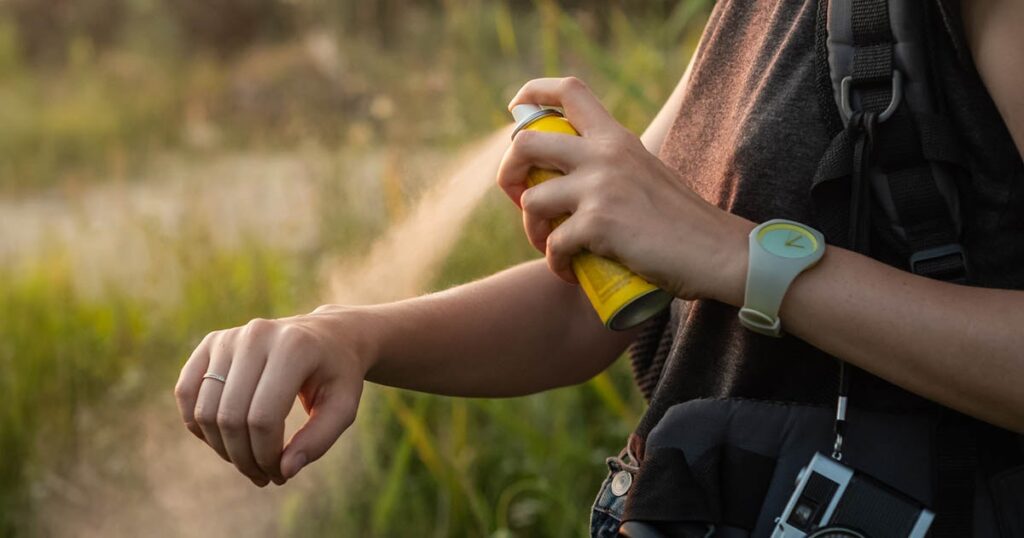
- Use insect repellent containing DEET, particularly around dawn and dusk when mosquitoes are most active.
- Sleep under a mosquito net where provided — most safari lodges supply these as standard.
- Wear long sleeves and trousers in the evening, ideally in neutral colours.
- Know the symptoms of malaria (fever, chills, headache, muscle aches) and seek medical attention promptly if they appear during or after your trip, even after you've returned home, since symptoms can develop after arrival back in your home country.
Other Recommended Vaccinations
Beyond yellow fever, health authorities including the CDC and WHO recommend a range of additional vaccines for travel to Uganda, depending on your personal health profile and itinerary. Commonly recommended vaccines include:
- Hepatitis A — spread through contaminated food and water, a risk that exists even at well-run hotels and restaurants, so it's recommended for nearly all travelers.
- Typhoid — also food and water-borne, and worth considering particularly if your trip includes more rural travel or street food.
- Hepatitis B — recommended if you might need medical care, have new sexual contact, or plan on procedures like piercings or tattoos during your trip.
- Tetanus/Tdap — worth confirming you're current on this routine booster before any trip involving outdoor activity, hiking, or potential cuts and scrapes.
- Rabies — considered for travelers planning extended stays, rural travel, or close contact with animals, since rabies is present in parts of Uganda and post-exposure treatment can be hard to access quickly in remote areas.
- Meningitis, polio, and routine boosters (MMR, influenza) — standard travel health recommendations that your doctor may suggest depending on your existing vaccination history.
Not every traveler needs every vaccine on this list — your travel clinic will tailor recommendations to your specific trip, health background, and how long you're staying.
When to See a Travel Clinic
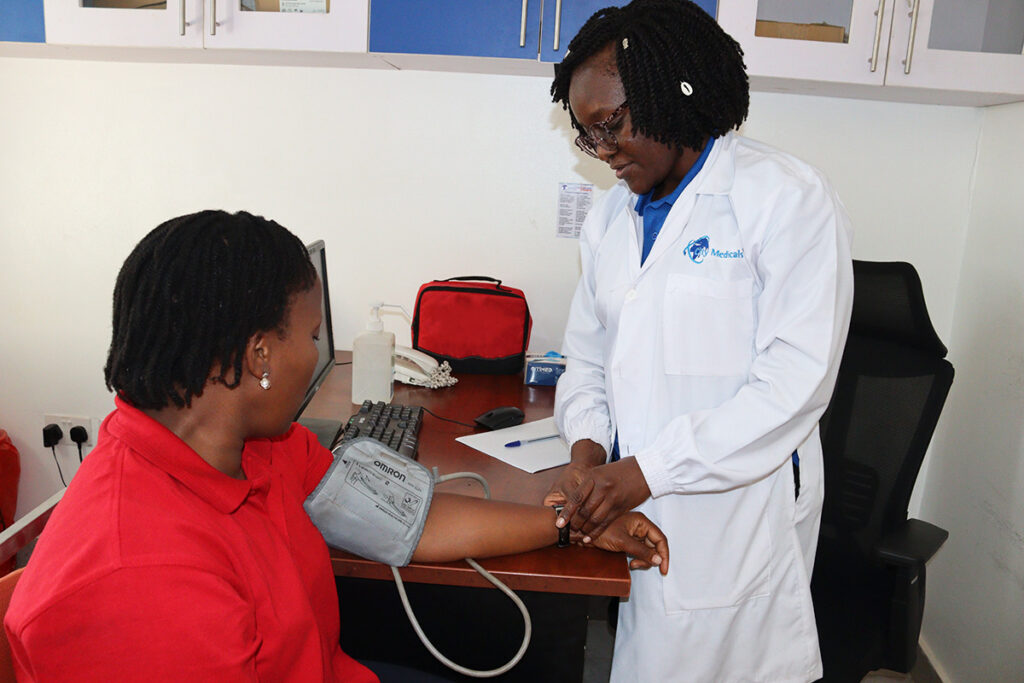
Ideally, book an appointment with a doctor or accredited travel health clinic four to eight weeks before departure. This gives enough time for vaccines that require multiple doses or need time to become fully effective, and enough runway to start antimalarial medication on the correct schedule, since some regimens need to begin before you even arrive in Uganda.
If you're departing sooner than that, it's still worth going — some protection and preparation is better than none, and a travel clinic can advise on the most useful steps even on short notice.
Altitude and Gorilla Trekking
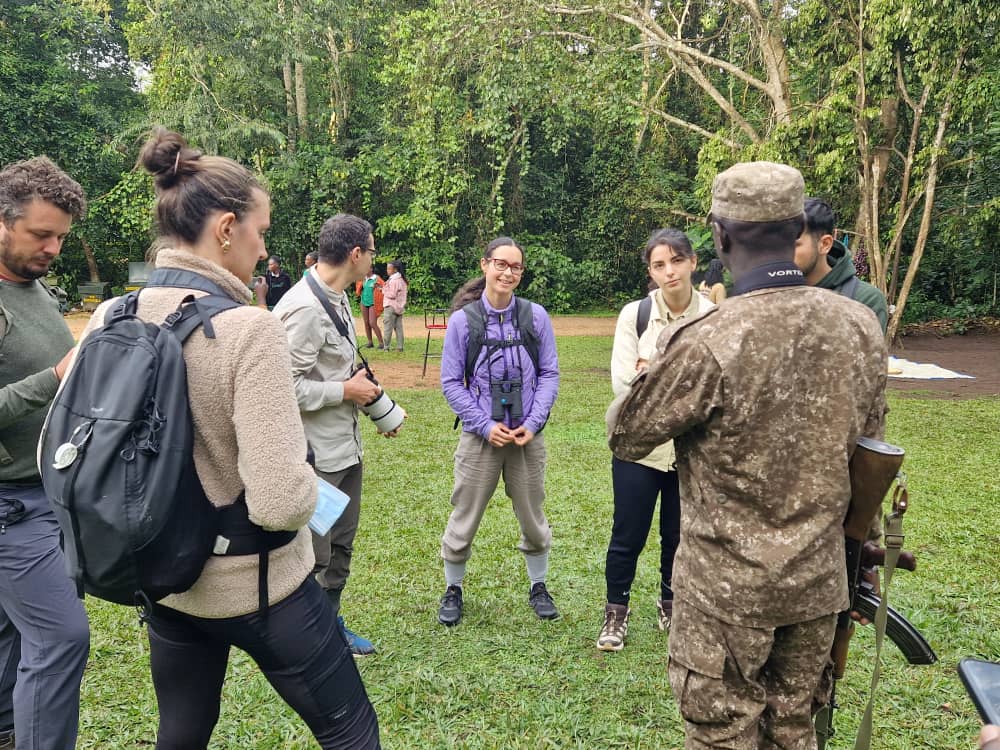
If gorilla trekking is on your itinerary, it's worth knowing that Bwindi Impenetrable Forest and Mgahinga Gorilla National Park sit at meaningful elevation, and trekking itself is physically demanding — often several hours of steep, uneven hiking. This isn't a vaccination issue, but it is a fitness and health planning one: if you have any cardiovascular or respiratory conditions, or simply haven't hiked at altitude before, it's worth discussing your trekking plans with your doctor ahead of time, and building some general fitness preparation into your pre-trip routine.
Water and Food Safety
- Never drink tap water in Uganda. Stick to bottled or properly filtered water, which is widely available and inexpensive at hotels, lodges, and supermarkets.
- Be cautious with ice, salads, and raw produce in less established restaurants, since these can be washed in tap water.
- Freshwater lakes and rivers carry a risk of bilharzia (schistosomiasis), a parasitic infection. Some lakes, such as Lake Bunyonyi, are generally considered lower risk for swimming, but always check current local guidance with your lodge or guide before swimming anywhere.
Travel Insurance
Comprehensive travel insurance that specifically covers medical evacuation is strongly recommended for any trip to Uganda, particularly if your itinerary includes remote national parks or physically demanding activities like gorilla trekking or mountain hiking. Medical facilities vary significantly in quality across the country, and serious incidents in remote areas may require evacuation to a major hospital in Kampala or even out of the country, which can be extremely costly without insurance in place.
Where to Get Care While You're There
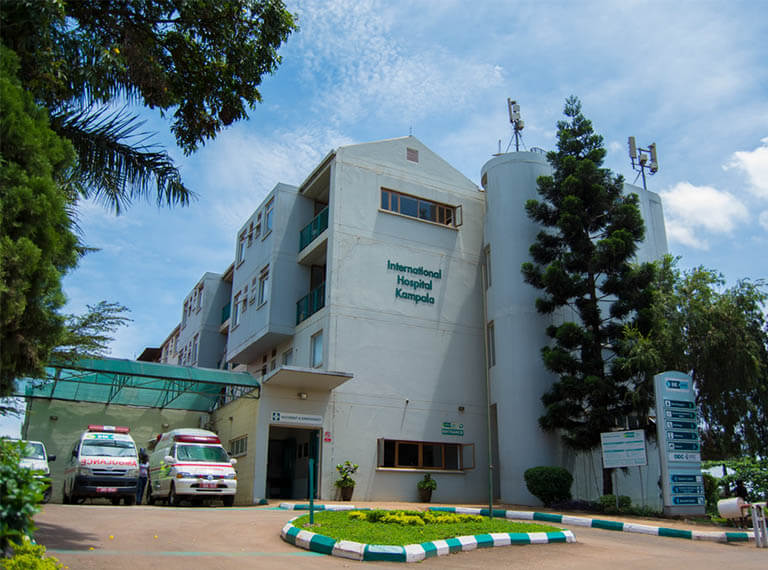
International Hospital Kampala (IHK) is a well-regarded private facility commonly used by tourists and expats for medical care in the capital. Outside Kampala, medical facilities become more limited, which is another reason a good travel insurance policy and a well-organized itinerary — ideally with an experienced local operator who knows the nearest reliable facilities — matter more in Uganda than they might in destinations with more uniform healthcare access.
Quick Pre-Trip Checklist
- Yellow fever vaccination, at least 10 days before travel, certificate packed and accessible
- Travel clinic visit 4–8 weeks before departure
- Malaria prophylaxis prescribed and started on schedule
- Hepatitis A, typhoid, and routine boosters reviewed with your doctor
- DEET insect repellent packed
- Comprehensive travel insurance with medical evacuation cover arranged
- Any personal prescription medication packed in sufficient quantity, with copies of prescriptions
Plan a Safe, Well-Prepared Trip to Uganda
Health preparation is one part of a smooth Uganda trip — the right itinerary, accommodation, and a reliable local driver are the rest. Get in touch and we'll help you plan a well-organized, comfortable trip from arrival to departure. You can email to info@ugandasafaribookings.com or call / whatsapp +256-700135510
This article is a general guide only and does not constitute medical advice. Always consult a doctor or accredited travel health clinic, and check current guidance from the WHO, CDC, or your national health authority, before you travel.