
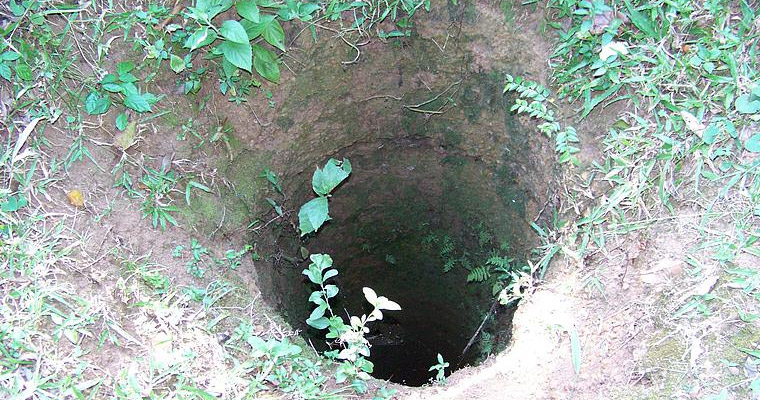
In a shaded forest clearing near Tanda village, about 65 kilometers west of Kampala in Mityana District, the ground is pockmarked with more than 240 circular pits — some shallow, some plunging deep enough to disappear into darkness. To geologists, they're the remnants of ancient iron-ore extraction, first documented by colonial geological surveyor E.J. Wayland in 1920. To the Baganda people, they are something else entirely: the escape tunnels of Walumbe, the mythological figure who brought death into the world and, according to legend, is still down there.
Few sites in Uganda sit as squarely at the intersection of archaeology and living myth as the Tanda Pits — known locally as "Nyanga za Walumbe."
The Myth Behind the Pits
Buganda cosmology traces the story back to Kintu, the first man on earth, and Nambi, daughter of the sky god Ggulu. When Nambi chose to marry Kintu and leave heaven to live with him on earth, her father agreed on one condition: they had to depart quickly and quietly, before her mischievous brother Walumbe — whose name literally means "disease" or "death" in Luganda — could find out and insist on joining them. The plan nearly worked. But Nambi, realizing she'd forgotten to bring millet for her chickens, returned briefly to heaven to fetch it — and ran straight into Walumbe, who insisted on accompanying her back to earth. From that moment, according to the legend, sickness, suffering, and death entered human life for the first time.
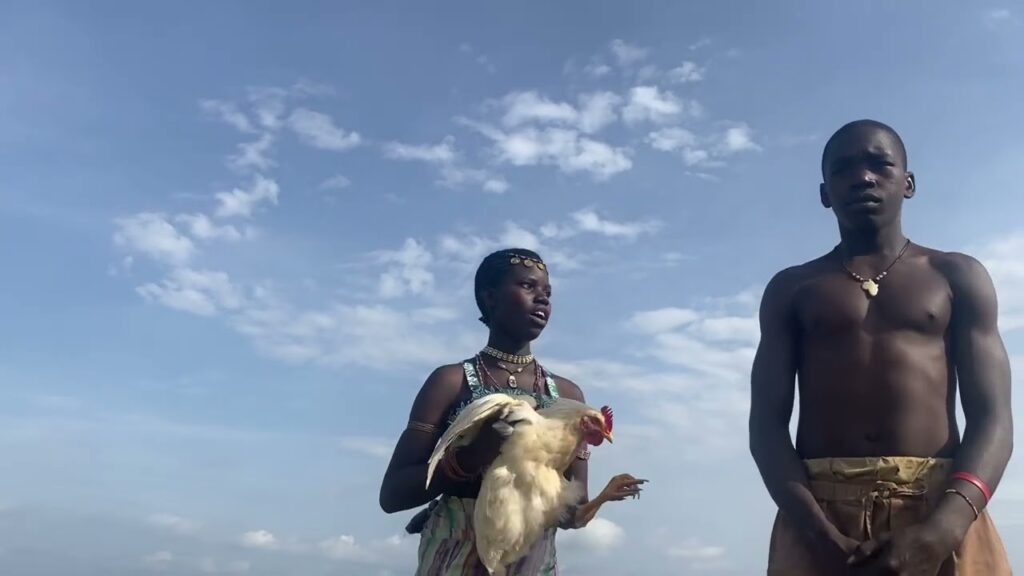
Alarmed, Ggulu dispatched his other son, Kayikuzi, to earth to retrieve Walumbe and undo the damage. What followed was a prolonged chase: Kayikuzi dug into the earth searching for his brother, and Walumbe burrowed to escape him, the two brothers battling underground across the landscape that is now Tanda. At one point, Kayikuzi nearly succeeded, asking all of humanity to stay completely silent for two days so Walumbe would be lured out of hiding — but when he finally emerged, some of Kintu's own children screamed in fear, giving Walumbe the chance to dive back underground. Exhausted, Kayikuzi gave up the pursuit and returned to heaven, and Ggulu reluctantly accepted that Walumbe would remain on earth. Every descendant of Kintu, the story goes, is eventually claimed by him — which is why, in Buganda tradition, death itself is understood not as an abstract force but as a named, still-present being who once fled into the ground at Tanda.
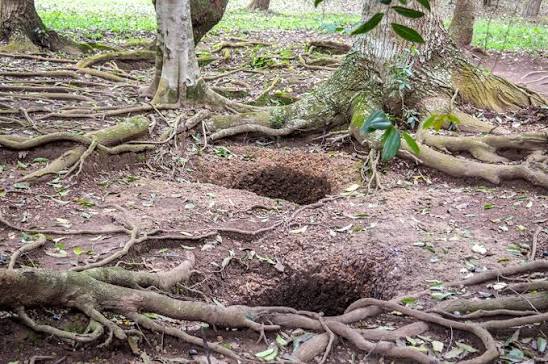
The pits themselves — an estimated 240 or more, alongside two shrines — are regarded as physical evidence of that ancient underground struggle: Walumbe's footprints and escape tunnels, carved into the earth during his flight from Kayikuzi.
A Site That's Still Actively worshiped
Unlike most mythological sites, which tend to survive only as stories, Tanda remains an active shrine. Pilgrims and traditional worshipers visit regularly, going through a mandatory cleansing ritual — washing their hands in herb-infused water at the site's entrance — before proceeding to pray, burn offerings, or simply sit within the cool, densely forested compound. The central shrine, a large shaft known as Embuga Ettanda, marks the spot where Walumbe is believed to have finally vanished into the earth, and is covered with pieces of bark-cloth as a mark of reverence. Visitors have described encountering worshipers from a range of clan backgrounds and beliefs converging at the site — evidence that Tanda functions less as a single-tradition religious site and more as a broader spiritual landmark within Buganda cosmology, open to anyone drawn to it.
The site's cultural weight is formally recognized, too: the reigning Kabaka traditionally donates nine black animals, along with chicken and food, to the shrine — an offering tied to the divine number nine in Buganda traditional religion. Management of the site was previously handled by Uganda's Department of Museums and Monuments before responsibility was transferred to the Buganda Kingdom itself, reflecting its status as living cultural heritage rather than a purely archaeological curiosity.
Two Truths, One Site
What makes Tanda genuinely compelling for visitors isn't choosing between the mythological and the archaeological explanation — it's holding both at once. The pits are, almost certainly, the remains of per-colonial iron-ore mining activity, a practical industrial site from Buganda's past. They are also, simultaneously and without contradiction for the people who tend them today, the literal ground where the concept of death entered the human world. Local guides, many descended from families who have served as custodians of the shrine for generations, walk visitors through both layers of the story — geology and cosmology side by side — in a way that few other sites in Uganda attempt.
Visiting Walumbe Tanda Pits: What to Know
- Location: Tanda Village, Mityana District, roughly 65 km west of Kampala, just off the Mityana–Kampala Road.
- Entry: A small entrance fee applies, generally covering a guided walk and storytelling session with a local custodian.
- What to expect: Dozens of circular pits scattered through dense forest, two shrines, and a mandatory herbal hand-washing ritual at the entrance for those wishing to approach the main shrine.
- Atmosphere: Quiet, shaded, and genuinely atmospheric — visitors consistently note the noticeable drop in temperature and light as you move deeper into the forested compound.
- Respect on site: As an active shrine, visitors should follow guide instructions, dress modestly, and treat the site as a place of ongoing worship rather than a purely historical stop.
- Good to pair with: A wider Mityana or western-route day trip from Kampala, given the distance from the city center.
Plan Your Visit to Walumbe Tanda Pits
For travelers who want to go beyond Kampala's better-known landmarks into the deeper layers of Buganda mythology, Tanda offers one of Uganda's most atmospheric cultural experiences. Let us help you plan the trip.
Contact us to visit Walumbe tanda pits today by emailing to info@ugandasafaribookings.com or call +256-700135510 to start planning your visit.