
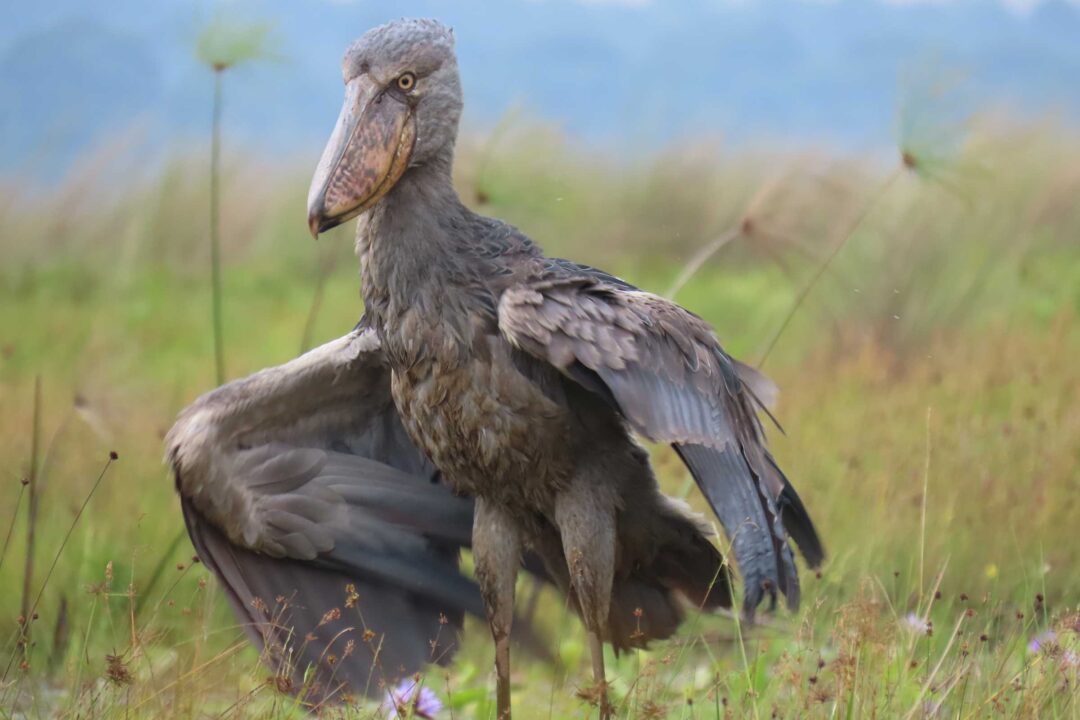
A shoebill stork safari in Mabamba Swamp is one of Uganda's most rewarding half-day experiences for birders and casual travelers alike. Just a short boat ride from Entebbe, this papyrus-choked wetland on the shores of Lake Victoria is one of the most reliable places on Earth to see the shoebill stork — a prehistoric-looking bird so distinctive it draws dedicated birders from around the world. With over 300 bird species recorded in Mabamba swamp and the shoebill as its undisputed star, the wetland has earned a spot on nearly every serious Uganda birding itinerary.
What Makes the Shoebill So Special
The shoebill (Balaeniceps rex) is unlike any other bird you're likely to encounter. Standing up to 1.5 meters tall, with a massive, clog-shaped bill and an unblinking, almost statue-like stillness, it looks more like a relic from another era than a living creature — and in evolutionary terms, it's close to one, with few close living relatives. Shoebills are notoriously shy and slow-moving, often standing motionless for hours as they hunt lungfish and catfish in shallow papyrus swamps, which makes locating one as much about patient, quiet searching as it is luck.
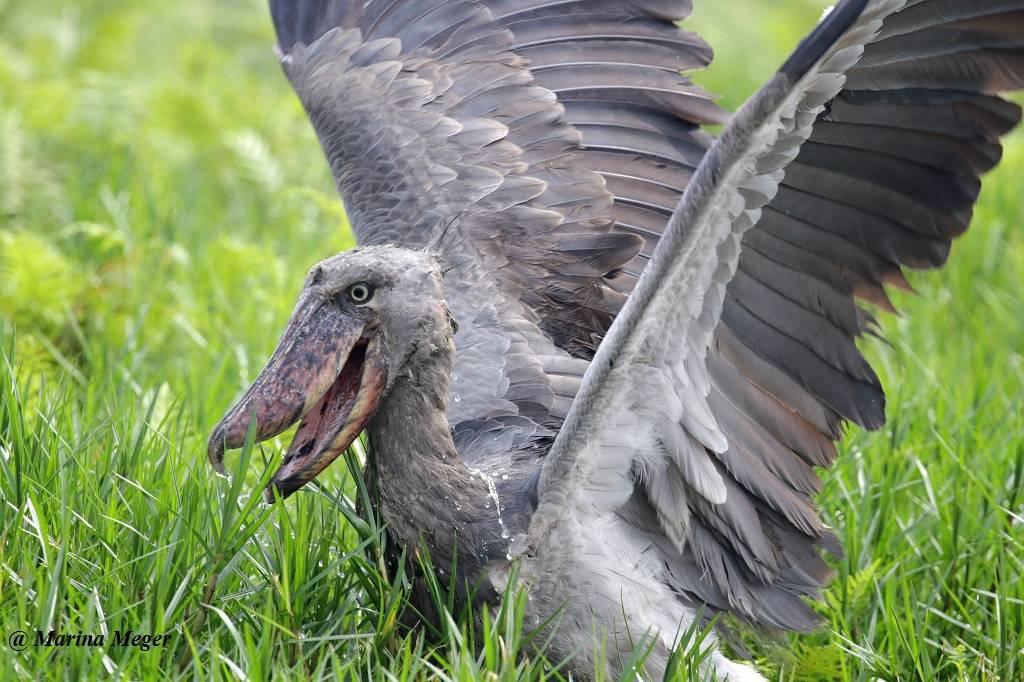
Mabamba Swamp is considered one of the most dependable places in Africa to find them, thanks to a resident population and experienced local guides who know the birds' typical feeding spots.
Planning a Shoebill Stork Safari in Mabamba Swamp
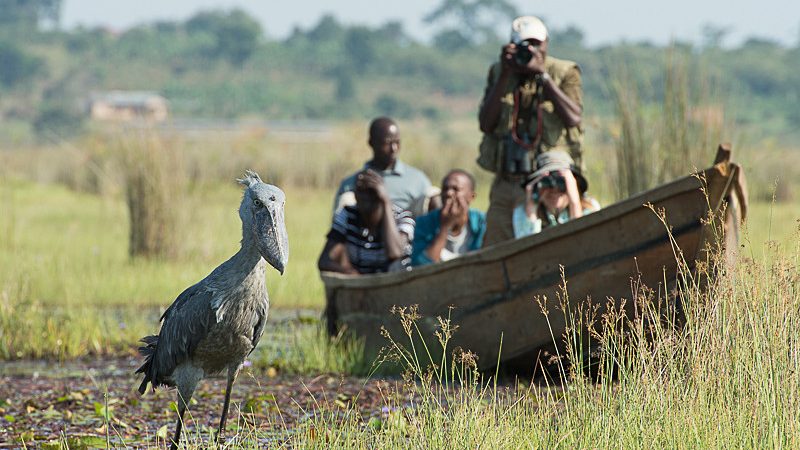
A shoebill stork safari typically begins early in the morning, when the swamp is calm and the birds are most active before the heat sets in. Most trips start with a short drive or boat transfer from Entebbe to the swamp's edge, followed by a quiet glide through narrow papyrus channels in a small, low-lying wooden canoe — the only way to move through Mabamba's tight waterways without disturbing wildlife.
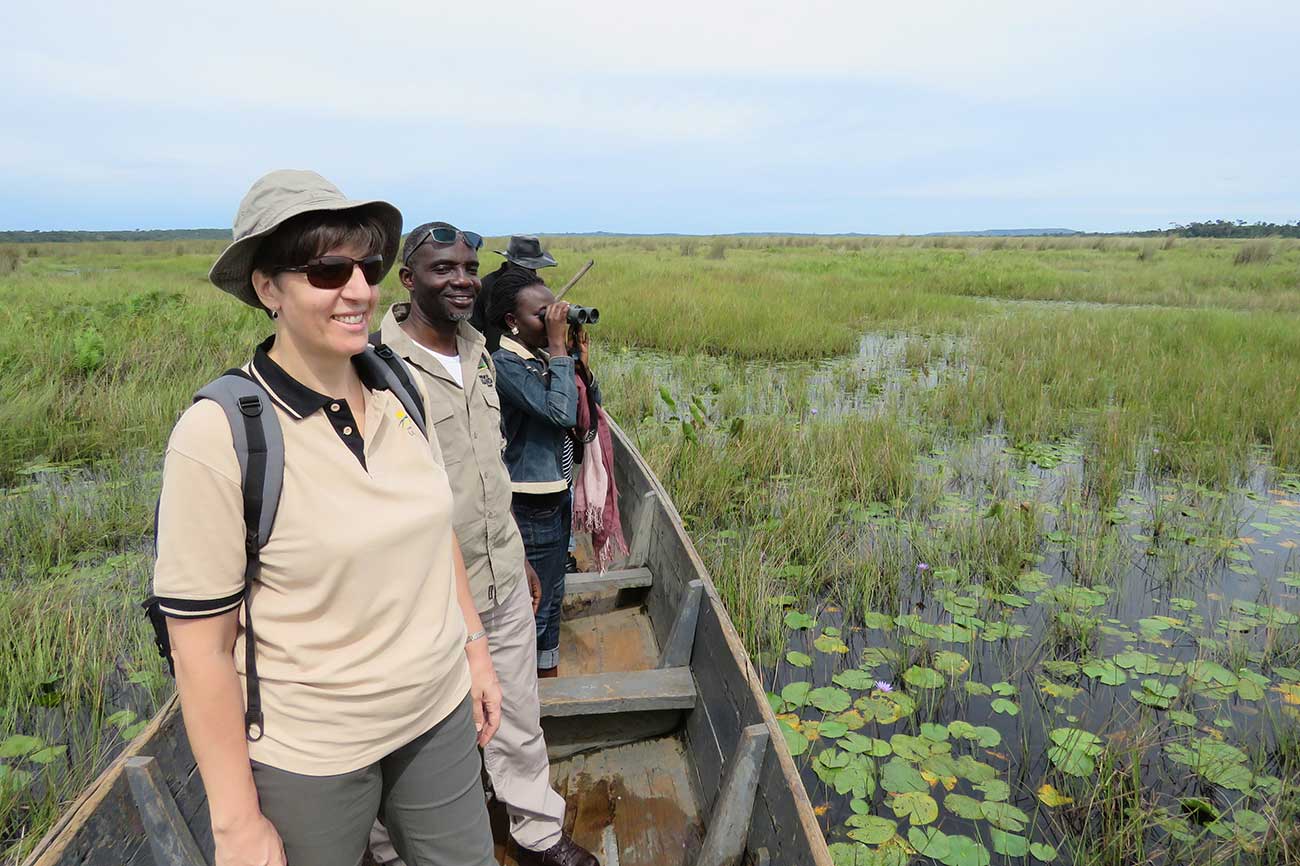
Beyond the shoebill, the swamp supports an impressive range of other species: African jacanas, malachite kingfishers, blue-headed coucals, papyrus gonoleks, and various herons and egrets are commonly spotted along the way, making even a shoebill-less morning worthwhile for keen birders.
Best Time for a Mabamba Swamp Birding Trip
Mabamba can be visited year-round, but early morning departures (around 6:00–7:00 AM) consistently offer the best chance of a shoebill sighting, before boat traffic picks up and the day heats up. The dry seasons — December to February and June to August — tend to bring clearer skies and easier canoe navigation, though the shoebill is a resident species and sightings are possible throughout the year with a good guide.
What to Bring
- Binoculars (essential — most sightings are at a distance)
- A camera with a zoom lens, if photography is a priority
- Neutral-colored clothing to avoid startling birds
- Sun protection — hat, sunscreen, and insect repellent
- Closed shoes suitable for a damp canoe launch point
Combining Mabamba with Other Entebbe Activities

Because Mabamba Swamp sits so close to Entebbe, a shoebill excursion pairs naturally with other short activities in the area — a visit to the Entebbe Botanical Gardens, the UWEC wildlife center, or a relaxed morning at Lake Victoria's shoreline. It also works well as either a first-morning activity right after landing at Entebbe International Airport, or a final outing before departure, making it one of the easiest additions to any Uganda itinerary regardless of how the rest of the trip is structured.
Final Thoughts
Few wildlife encounters in Uganda are as distinctive as coming face-to-face with a shoebill in its natural habitat. A well-timed, well-guided visit to Mabamba Swamp offers a genuinely good shot at seeing one of Africa's strangest and most sought-after birds, all within a few hours of Entebbe — making it one of the most efficient wildlife experiences available anywhere in the country.
To book a shoebill stork safari in Mabamba swamp today - simply contact us now by emailing to info@ugandasafaribookings.com or call +256-700135510 to speak with reservations team.