
Most visitors come to Uganda for the mountain gorillas, and they are right to. But the wildlife is only half the story. Cultural safaris in Uganda combine gorilla treks, game drives and boat cruises with time spent among the communities who have lived alongside these landscapes for centuries. You might follow a Batwa guide through the forest her ancestors once called home, or share a fire with Karamojong herders in the shadow of Kidepo's mountains.
This approach gives your trip a depth that a wildlife-only itinerary cannot. Here is how it works, where to go and how to do it respectfully.
Why Uganda Suits a Cultural Safari
Uganda is home to more than 50 ethnic groups, packed into a country roughly the size of the United Kingdom. Within a day's drive you can move between Bantu kingdoms, Nilotic pastoralists and forest-dwelling communities, each with its own language, food, music and beliefs. Many of these cultures are tied directly to the land and animals you have come to see. Clan totems are often animals, cattle are central to identity in the west and north, and forests carry spiritual meaning.
That is why cultural safaris in Uganda feel so natural. The wildlife and the people belong to the same story.
Bwindi and Mgahinga: Gorillas and the Batwa
The Batwa are the ancient forest people of southwestern Uganda. They were hunter-gatherers in the forests of Bwindi and Mgahinga until the creation of national parks in the early 1990s removed their access to their ancestral land.
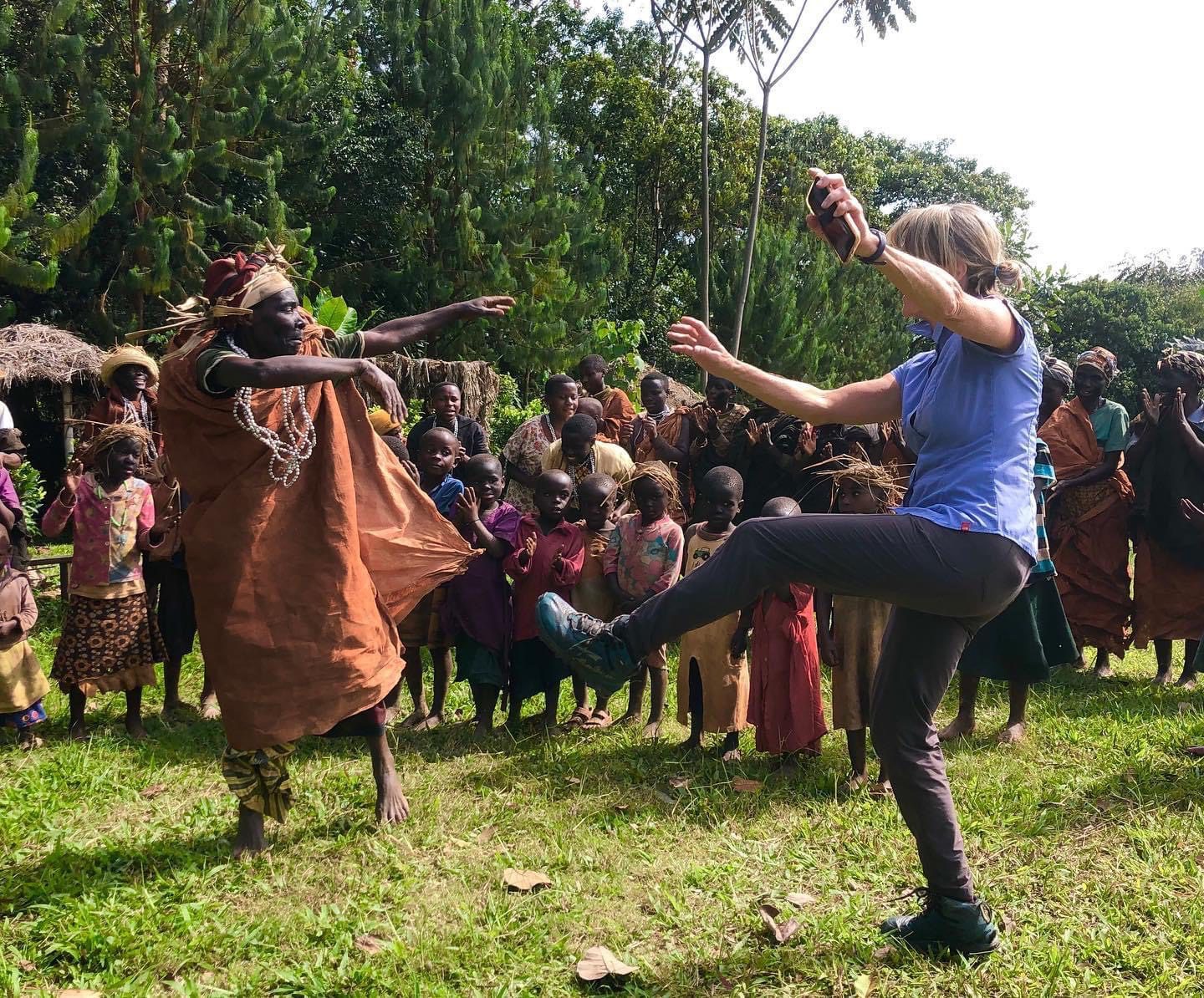
Today, Batwa-led experiences let visitors see this heritage firsthand. Guides demonstrate how they hunted, gathered honey, lit fires and used medicinal plants. There are also storytelling, song and dance sessions. The Batwa Trail at Mgahinga and community experiences near Bwindi are the best-known options. Income from these visits supports Batwa families directly.
Best pairing: a morning gorilla trek followed by an afternoon Batwa experience. You go from encountering a wild primate family to learning how people once lived beside them.
Kidepo Valley: Wild Savannah and the Karamojong
Kidepo Valley National Park in the far northeast is Uganda's most remote and dramatic park, with open savannah, lions, cheetahs, elephants and buffalo. Just beyond the park lies Karamoja, home to the Karamojong, semi-nomadic pastoralists whose life revolves around cattle.
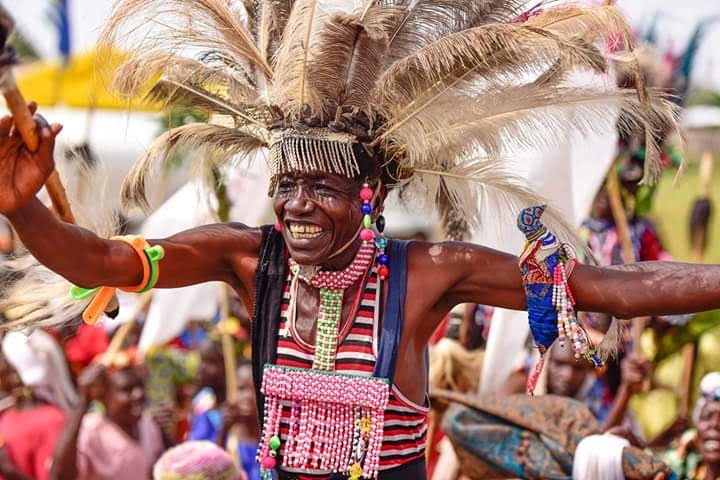
Visits to a manyatta (a fortified homestead) offer a window into a very different way of life. You may see traditional dress, beadwork, ceremonial dances and the daily rhythm of herding. Karamoja's culture is proud and distinctive, and a respectful visit leaves a lasting impression.
Best pairing: dawn game drives in Kidepo, then a guided community visit in the afternoon.
Lake Mburo and Ankole: Cattle Country
Lake Mburo National Park is small, but it is one of the few Ugandan parks where you can walk or cycle among zebras, impalas and giraffes. Around it live the Banyankole and Bahima, whose long-horned Ankole cattle are among the most striking animals in East Africa.
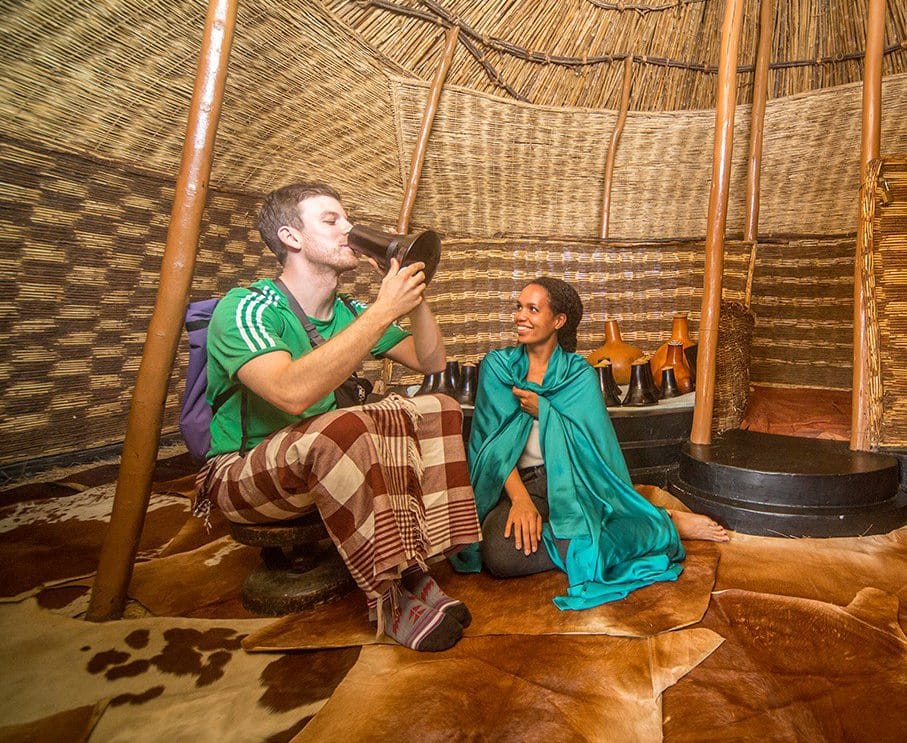
Homestead visits let you learn about pastoral traditions, milk customs and the cultural weight of cattle. The Igongo Cultural Centre in nearby Mbarara offers a broader look at Ankole history and heritage.
Best pairing: a walking safari at Lake Mburo followed by a Bahima homestead visit. It makes a good stopover between Kampala and Bwindi.
Buganda: Kingdom, Craft and Kampala Nights
Buganda is Uganda's largest traditional kingdom, and its heritage is easy to explore around Kampala and Entebbe. Visit the royal sites, learn about the Kabaka and the clan system, and see how barkcloth is made. Ugandan barkcloth is recognized by UNESCO as an Intangible Cultural Heritage. In Kampala, the Ndere Cultural Centre stages performances that bring together dance and music from across the country.
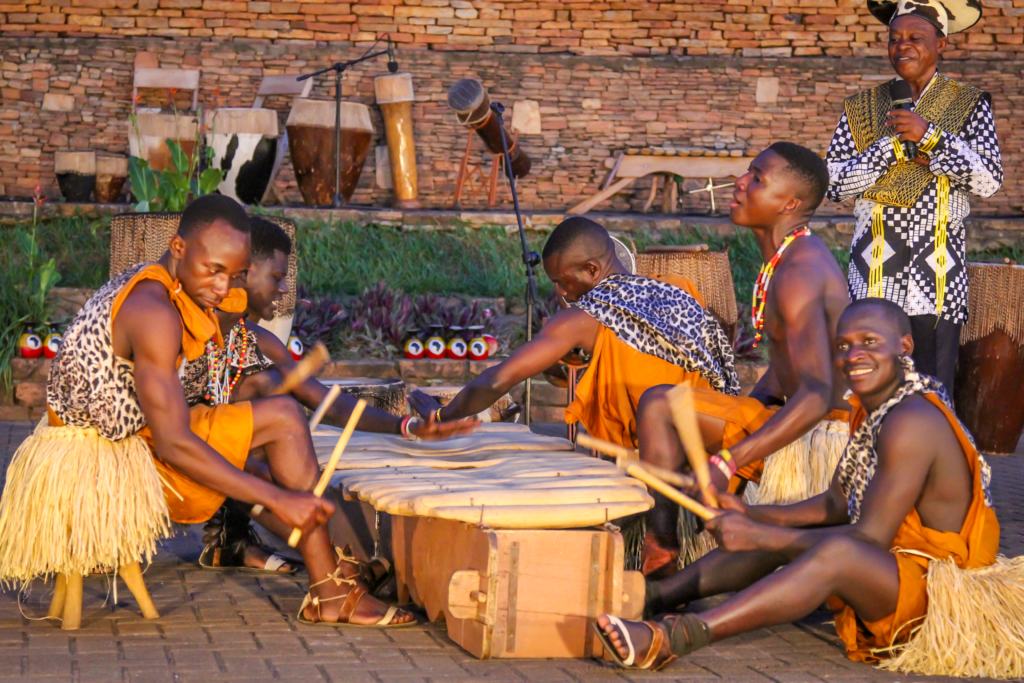
Best pairing: start or end your safari here, combining a cultural city tour with birding at Mabamba Swamp near Entebbe, home of the shoebill.
Sample 10-Day Cultural Safari Itinerary
- Days 1–2: Kampala or Entebbe. Buganda heritage sites, barkcloth workshop, evening at a cultural centre.
- Days 3–4: Lake Mburo. Walking or boat safari, then a Bahima homestead visit.
- Days 5–6: Bwindi. Gorilla trekking and a Batwa cultural experience.
- Days 7–8: Queen Elizabeth National Park. Game drives, the Kazinga Channel boat cruise and a community visit.
- Days 9–10: Return to Kampala. Craft shopping and a final cultural evening.
For northern Uganda, add a fly-in extension to Kidepo Valley for game drives and Karamojong culture.
How to Be a Respectful Cultural Traveler
The best cultural safaris in Uganda are built on consent and fair benefit. A few principles help:
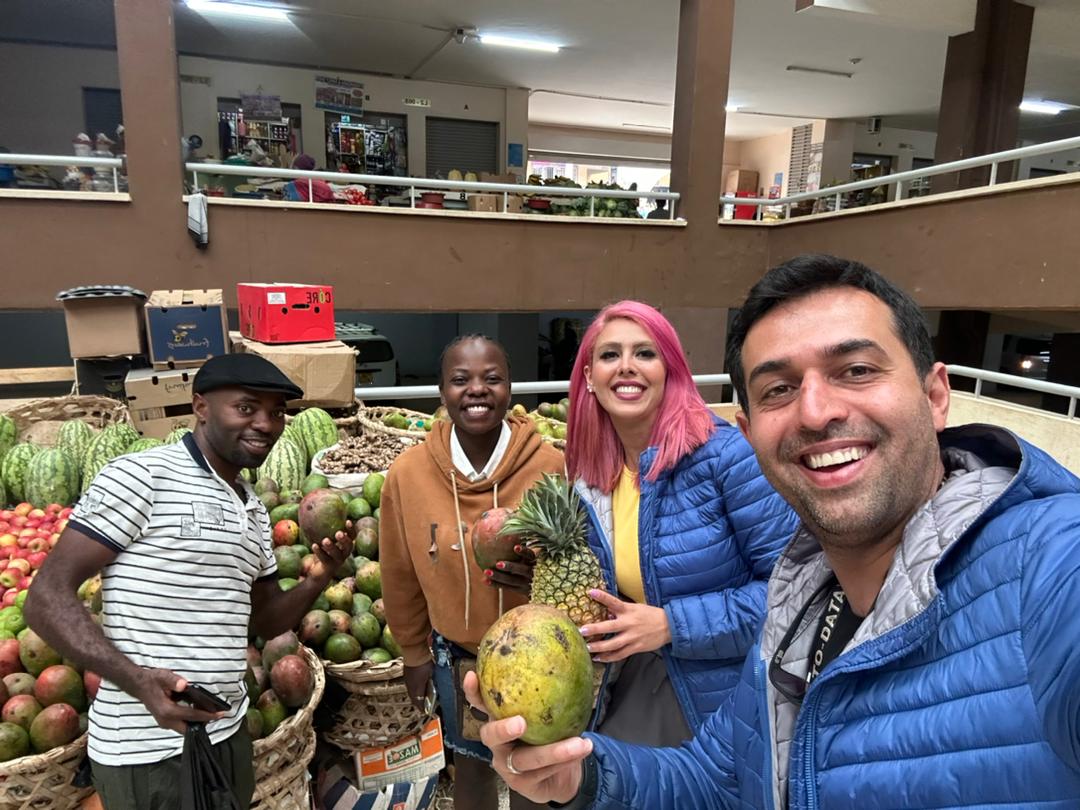
- Choose community-led experiences. Look for visits run by or shared with the community, not staged solely by outside operators.
- Ask before photographing. Always ask people first, and accept a "no" gracefully.
- Pay fair prices. Buy crafts directly from makers and avoid aggressive bargaining.
- Dress modestly. This is especially important in rural areas and at royal or sacred sites.
- Listen more than you talk. Treat guides and elders as hosts and teachers, not performers.
- Book with responsible operators. Ask how your fees are shared with communities.
Best Time to Go
Uganda's drier months, roughly June to September and December to February, make gorilla treks and game drives easier, with better roads to remote communities. Cultural visits work year-round, though heavy rains can make some rural areas harder to reach.
Final Thoughts
Gorillas, lions and tree-climbing lions are unforgettable, but it is often the people you meet who stay with you longest. Cultural safaris in Uganda offer the rare chance to understand wildlife through the eyes of those who have lived beside it for generations. Work with a knowledgeable local operator, travel with humility and you will come home with far more than photographs.
Are you planning a Uganda cultural safari mixed with wildlife experience- simply contact us now by sending an email to info@ugandasafaribookings.com or call +256-700135510.