This 3-day Kibale safari plunges you deep into the lush, prehistoric canopies of Kibale Forest National Park—the undisputed primate capital of East Africa. You will track wild, habituated chimpanzee communities on foot and explore the vibrant swamps of the Bigodi wetland sanctuary to spot rare forest birds. The trip concludes with a panoramic drive through the region’s dramatic volcanic crater lakes, offering a perfectly structured primate loop
3 Days Kibale Forest Safari
- 3 Days
- Ask for Refund
Adult
From
$ 795
Per Adult
Description
Duration
3 Days, 2 Nights
Language
English
Kibale Safari Highlights
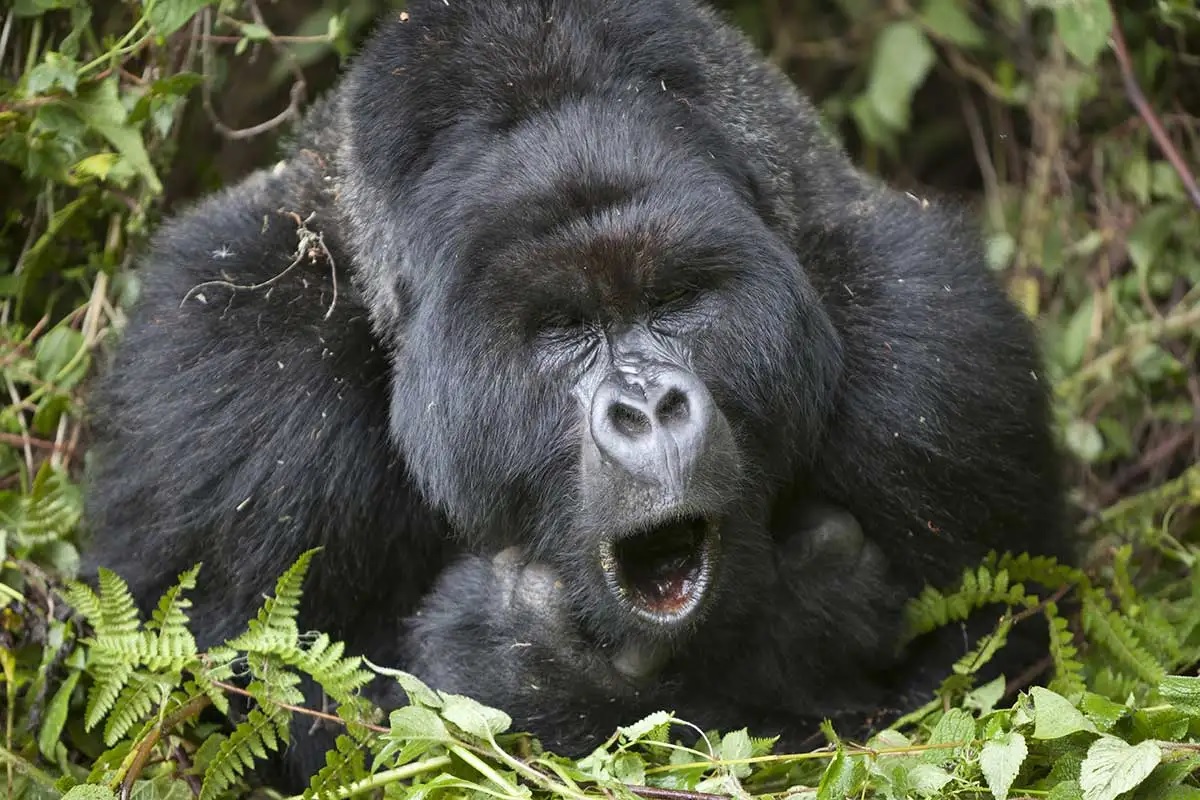
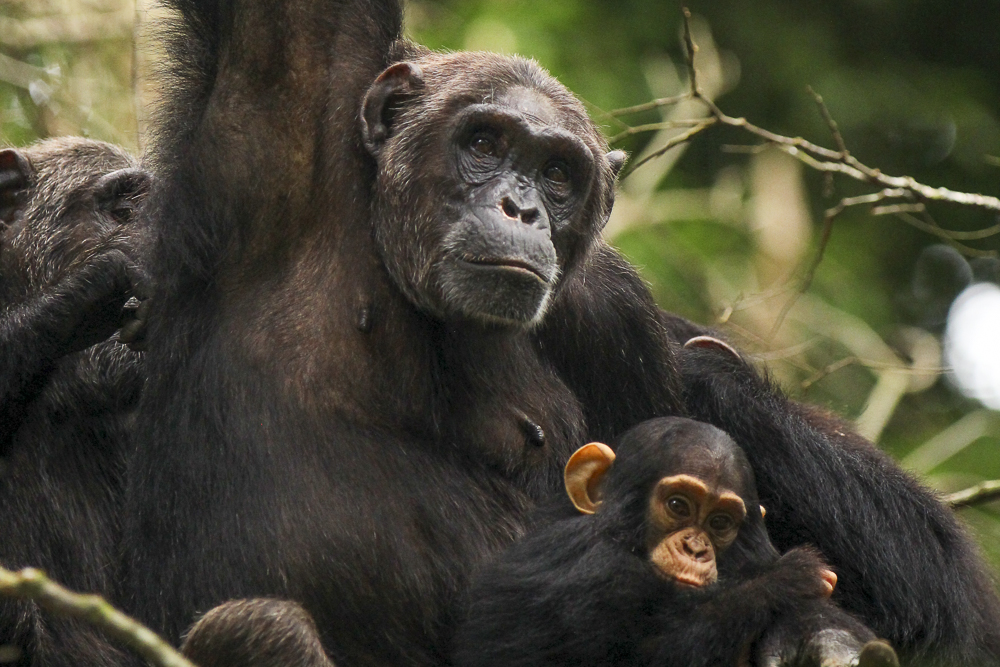
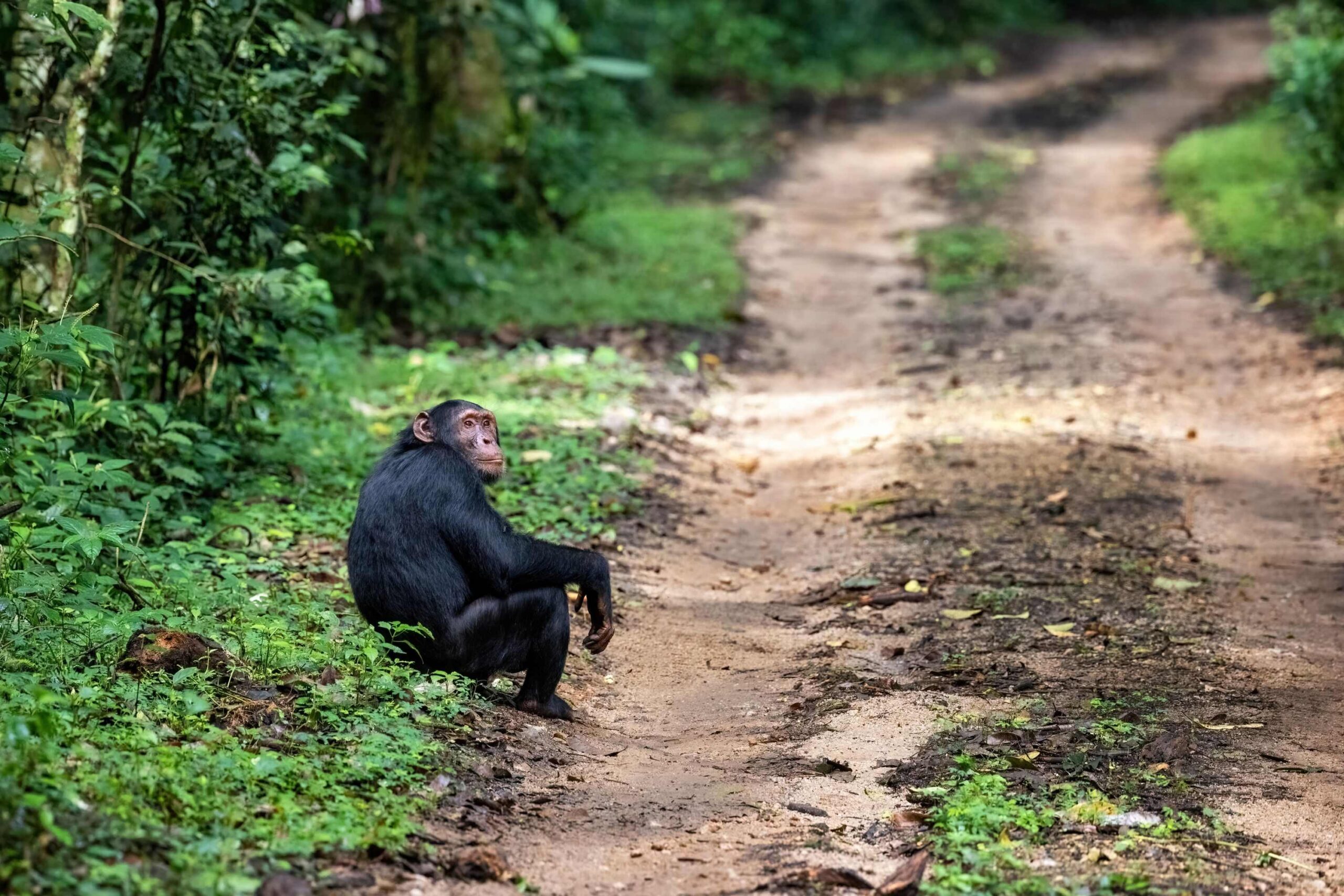
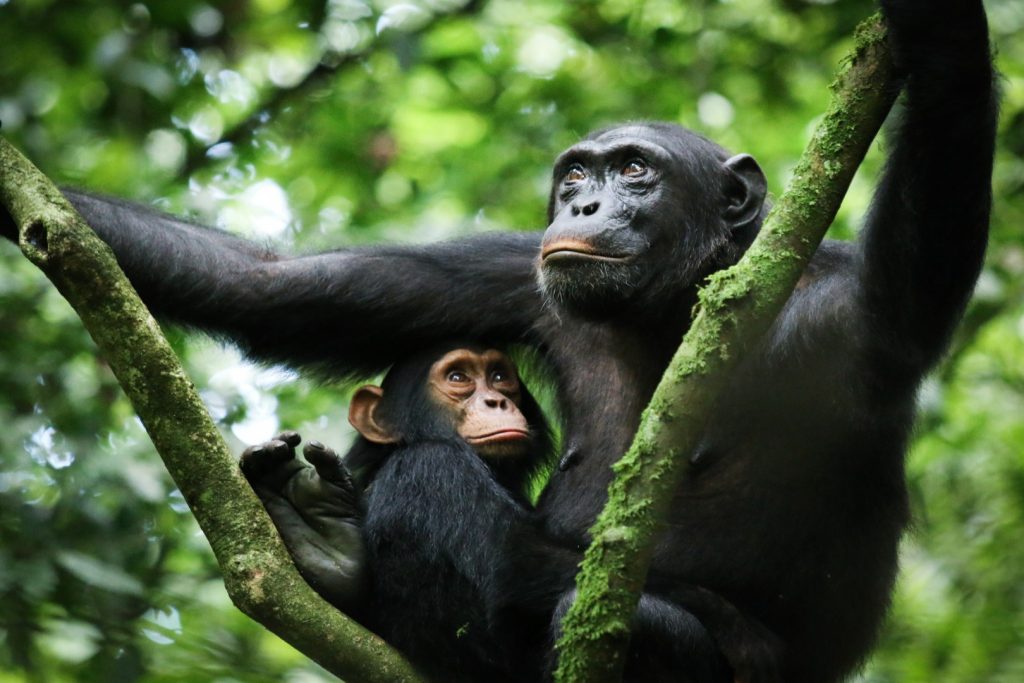
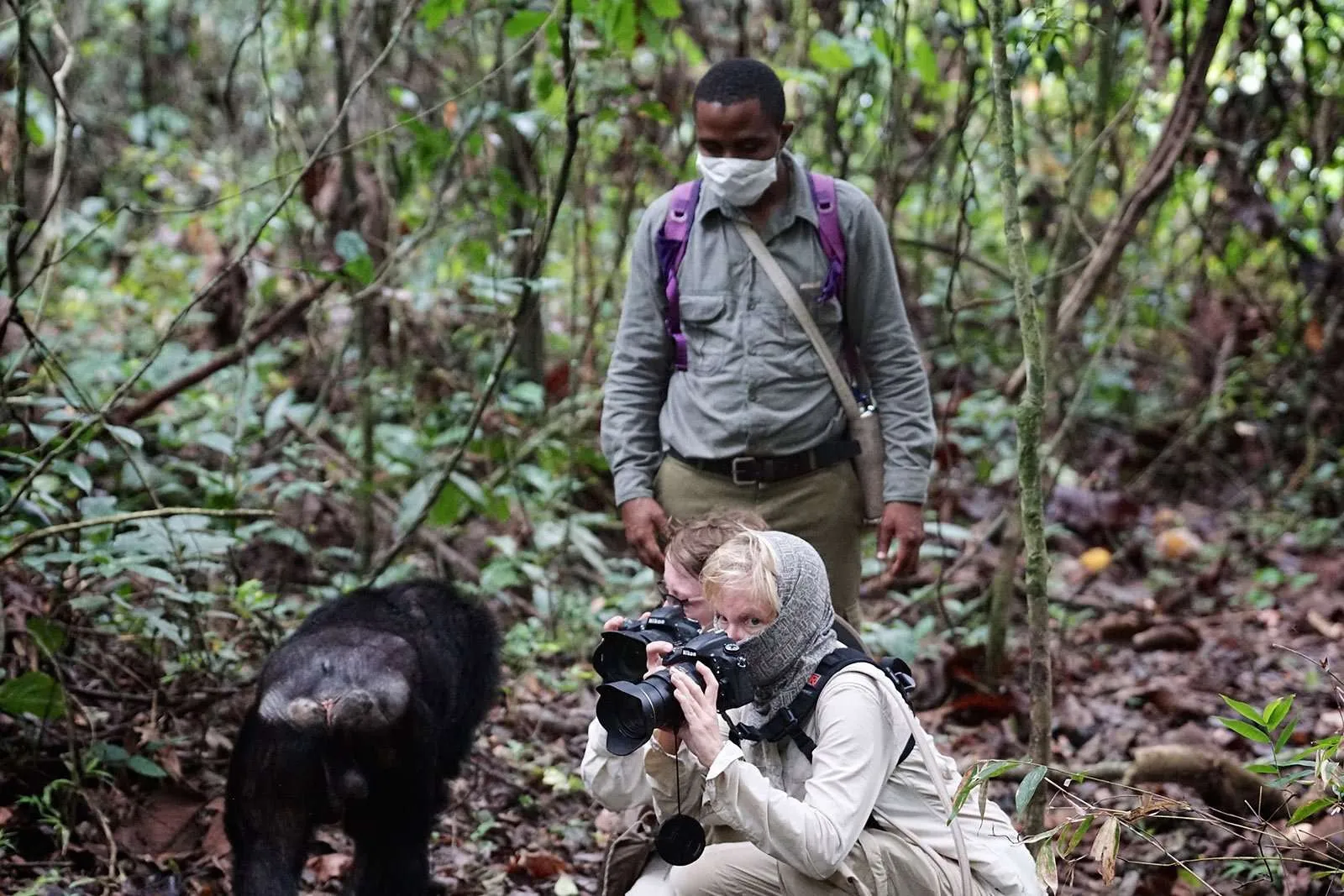
Home to an astonishing 13 distinct primate species, Kibale Forest is a sprawling, tropical haven where the raucous calls of wild chimpanzees echo continuously through the ancient trees. The absolute crown jewel of this safari is the thrilling on-foot chimpanzee trekking experience, where expert park rangers guide you through the jungle undergrowth to stand just meters away from our closest living relatives as they swing from branches, groom, and vocalize loudly in the canopy. Supplemented by a community-guided boardwalk trek across the adjacent Bigodi Wetlands—famed for its colorful Great Blue Turacos and elusive monkeys—and a drive through the breathtaking Ndali-Kasenda crater field, this journey provides a sensory and immersive encounter with Uganda's rich rainforest biodiversity.
Included
- Official UWA Kibale Chimpanzee Tracking Permit (High season standard rate: $250 USD per person)
- Bigodi Wetland Sanctuary Entry & Local Guide Fees (Supports community conservation)
- 2 Nights Accommodation at a forest safari lodge (Selected tier: Budget, Mid-range, or Luxury)
- All Meals (Full Board) from en-route lunch on Day 1 to lunch on Day 3
- Private 4x4 Safari Vehicle (Pop-up roof, fuel, and professional English-speaking driver-guide)
- Unlimited Bottled Drinking Water inside the safari vehicle throughout the trip
Excluded
- International Flights & Tourist Visa Fees ($50 USD for Uganda E-Visa)
- Tips and Gratuities for your safari driver-guide, park rangers, community trackers, and lodge staff
- Premium Drinks & Refreshments (Alcoholic beverages, sodas, or private snacks ordered at the lodge bar)
- Personal Tracking Gear (Rain jackets, sturdy waterproof boots, insect repellent)
- Travel & Medical Insurance (Must include emergency evacuation cover within remote areas)
- Personal Souvenirs and laundry services at the accommodation
Kibale Safari Itinerary
Day 1 - 07:30 AM – Drive from Kampala to Kibale Forest via Fort Portal: 5-6 hour journey.
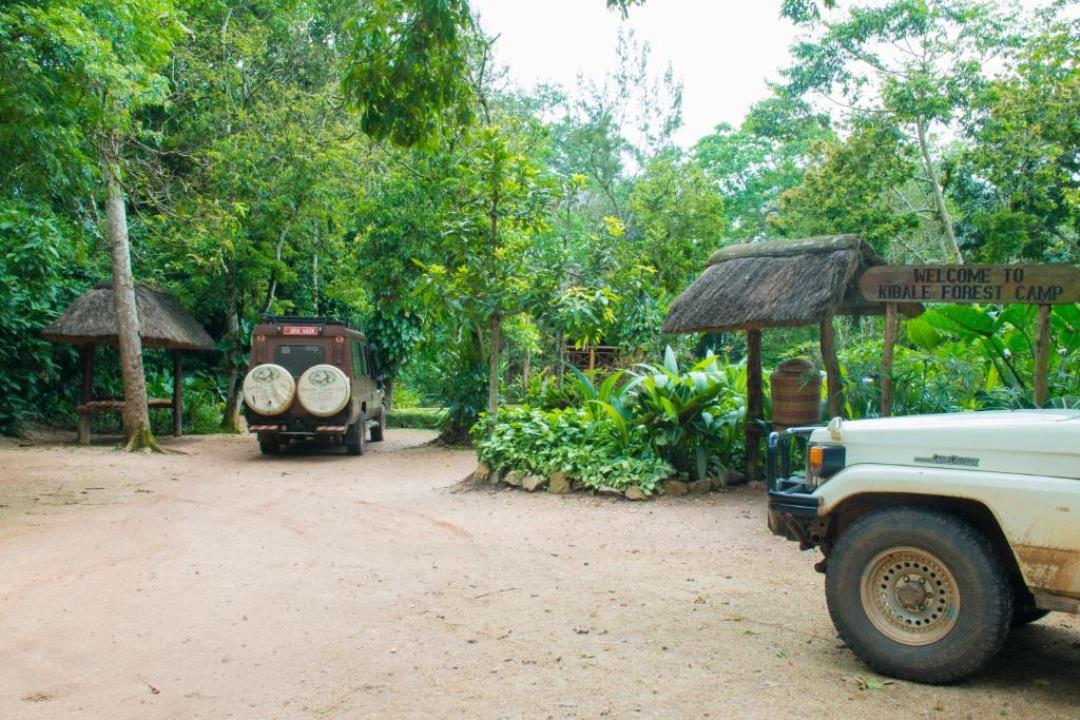
Depart Kampala early heading west through the beautiful, terraced tea plantations of Fort Portal. Enjoy a scenic lunch in Fort Portal town, nestled beneath the shadows of the Rwenzori Mountains, before driving the final stretch to your forest lodge. Spend your evening listening to the ambient sounds of the jungle waking up and relax before dinner.
Day 2 - 07:15 AM – Chimpanzee Tracking & Bigodi Wetland Sanctuary: Primates & community walks.
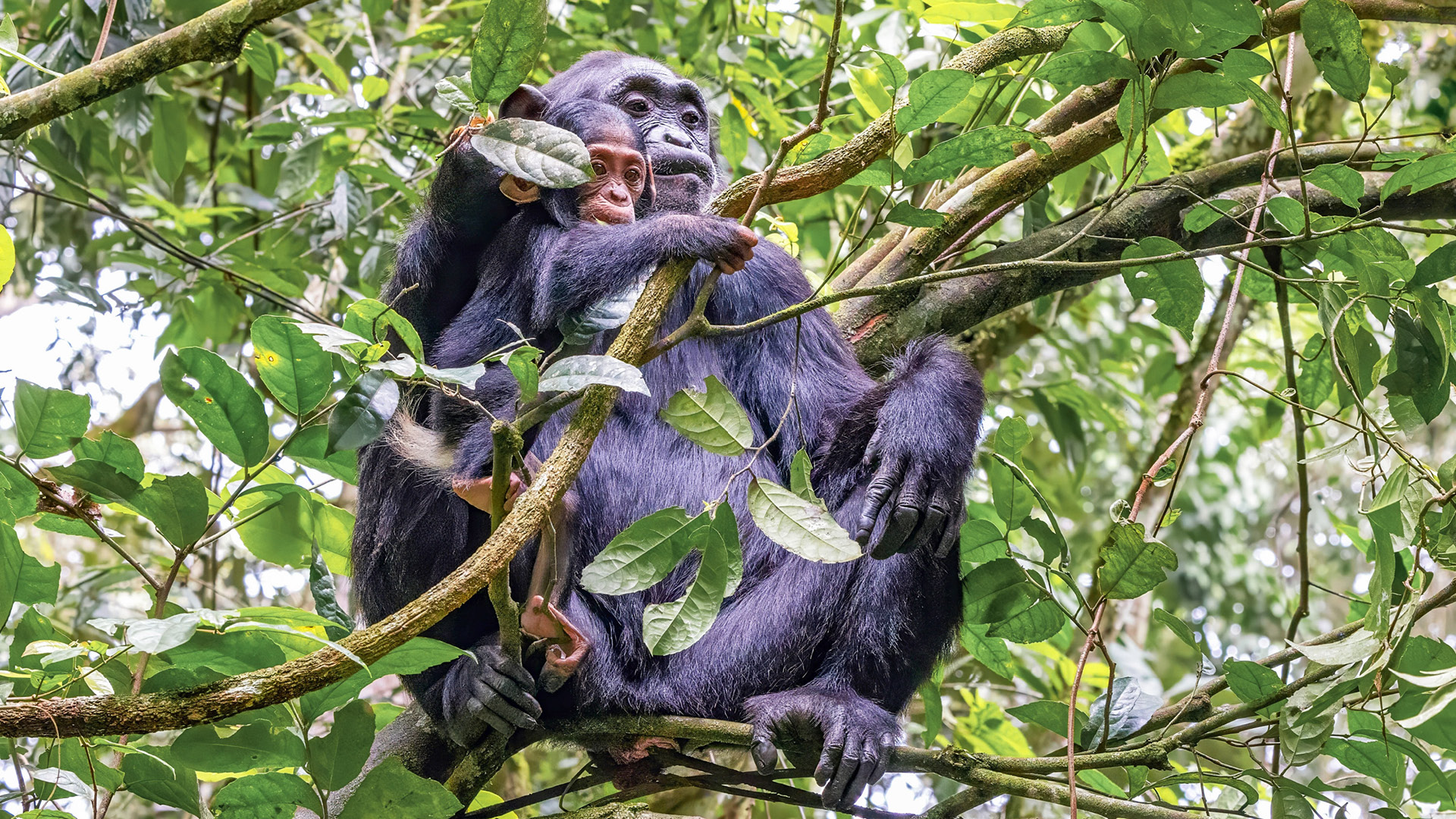
Eat an early breakfast and head to the Kanyanchu River Camp park headquarters for a mandatory safety briefing. Enter the rainforest with your UWA ranger team to spend a spectacular, strict 1 hour observing a wild chimpanzee family. Return to the lodge for lunch, and at 3:00 PM, head out for a 3-hour guided boardwalk walk through the Bigodi Wetland Sanctuary to spot baboons, black-and-white colobus monkeys, and exotic birds.
Day 3 - 08:30 AM – Ndali-Kasenda Crater Lake Drive & Return to Kampala: Crater lakes & transit.
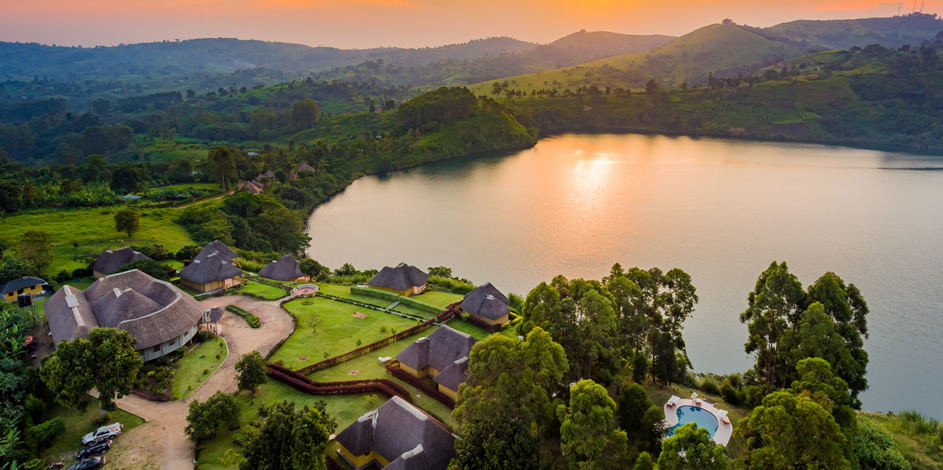
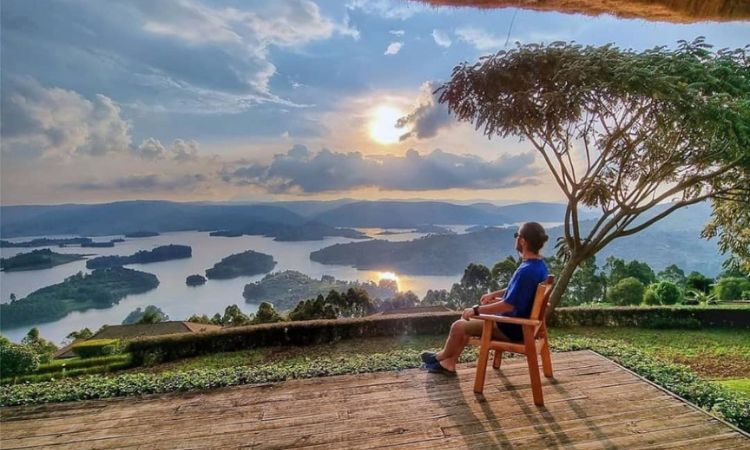
After breakfast, take a slow, breathtaking driving tour around the Ndali-Kasenda explosion craters—deep, extinct emerald volcanic pools surrounded by beautiful ridges. Afterward, exit the region and begin your return drive back to Kampala, stopping for a warm en-route lunch and arriving in the capital city by late afternoon or early evening.
Maps
Frequently Asked Questions
Chimpanzee trekking is generally less physically demanding but a lot more fast-paced. While gorillas tend to stay on the ground and move slowly in tight family circles, chimpanzees are highly active, vocal primates that spend a lot of time moving rapidly through the high forest canopy. You will spend more time walking swiftly and looking upward through the trees to track them. Additionally, a Kibale chimp permit is significantly cheaper ($250 USD) than a Bwindi gorilla permit ($800 USD).
The success rate in Kibale is over 95%, making it the highest in Africa. Because the park protects over 1,500 chimpanzees and the Kanyanchu communities have been habituated to humans for decades, it is incredibly rare to miss them. Advanced teams of park trackers head out into the jungle at dawn to locate where the chimps nested the night before and radio their exact coordinates to your group's lead ranger, ensuring you walk directly toward them
The strict minimum age limit set by the Uganda Wildlife Authority is 15 years old. Children under 15 are not allowed into the forest for chimpanzee tracking due to safety reasons, unpredictable wild animal behavior, and the higher risk of children carrying childhood communicable diseases (like measles or chickenpox) that could devastate a wild primate population.
The forest floor and swamp boardwalks can be incredibly damp, muddy, and insect-heavy. You should pack:
-
Lightweight, waterproof hiking shoes or boots with deep rubber grips.
-
Long trousers and a long-sleeved shirt to shield your skin from scratchy vines and biting insects.
-
Long socks to tuck your trousers into, which creates an effective barrier against crawling safari ants.
-
Insect repellent with a high DEET percentage, as mosquitoes and forest flies are common in the dense shade.
It is completely natural for chimpanzees to spend portions of the day feeding or resting high up in the canopy. If they are up high, your ranger guide will help you spot them, explain their canopy behaviors, and look for a spot where the tree canopy opens up for photos. Often, a family member or alpha male will descend to the ground to travel between trees, giving you incredible, close-up ground-level viewing opportunities during your hour.
From $ 795
Book This Tour

From $ 795
Book This Tour
You might also like
Related Uganda safaris to inspire your next journey