
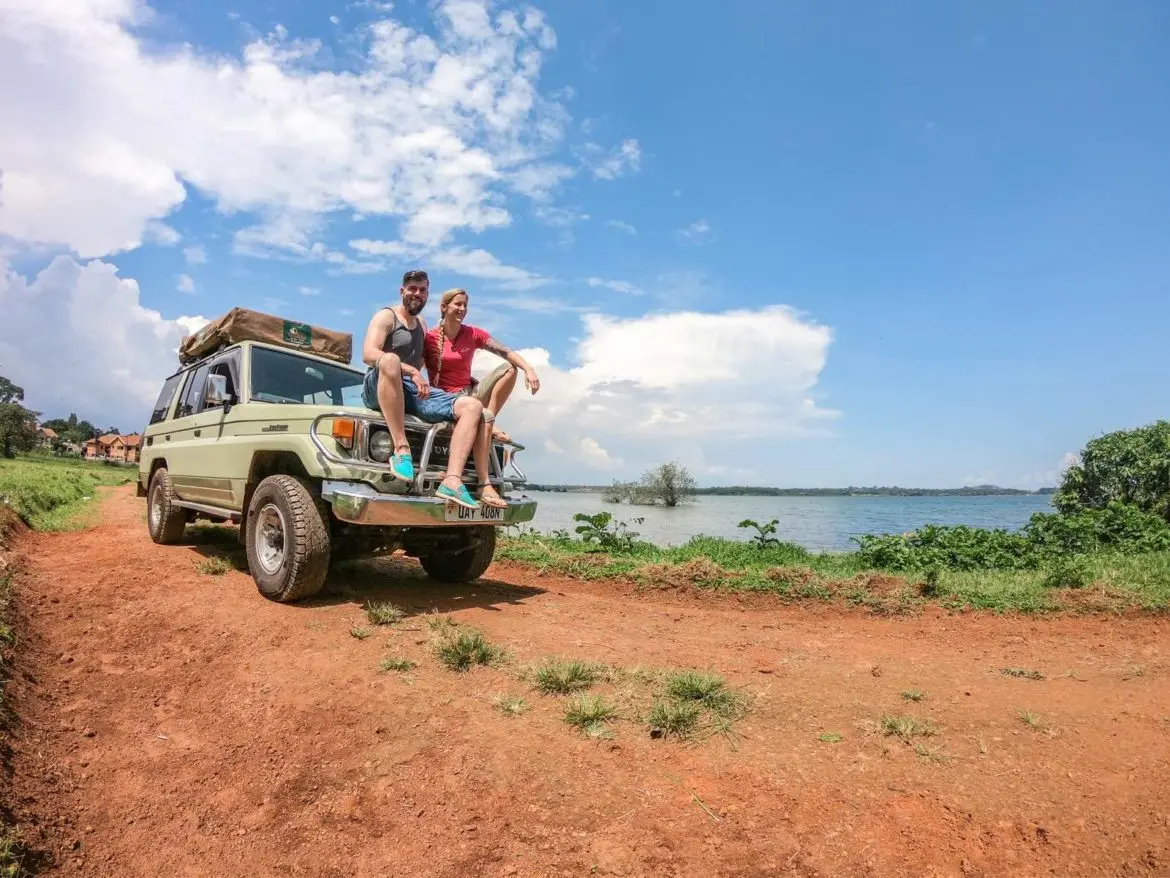
Planning a trip to Uganda comes with one big decision that shapes everything else — how you're going to get around. With tarmac highways connecting major towns but rough murram roads inside national parks, picking the right Uganda car rental isn't just about price, it's about matching the vehicle and rental type to your actual route. Get it right, and you'll cruise comfortably from Kampala to Kidepo without a second thought. Get it wrong, and you could find yourself stuck on a rainy-season dirt track in a car that was never built for it.
This guide breaks down exactly what to consider before you book, so you can choose a rental that fits your trip, your budget, and your comfort level behind the wheel.
1. Start With Your Route, Not the Car
Before you even look at vehicle options, map out where you're actually going. Uganda's roads fall into two very different categories:
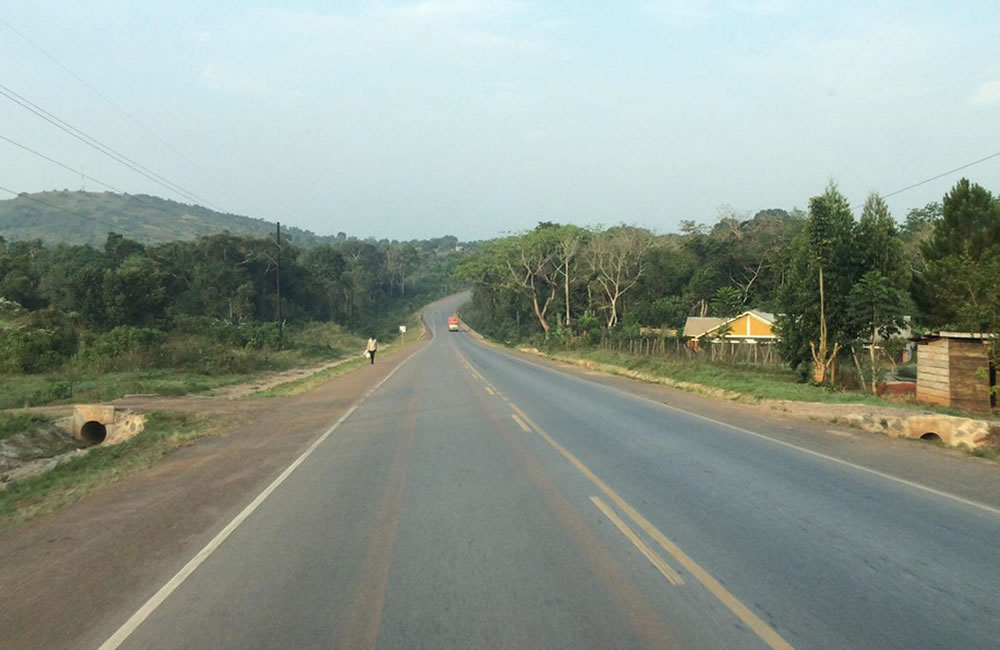
- Tarmac highways connecting Kampala to major towns like Entebbe, Jinja, Mbarara, and Gulu — generally well maintained and easy to drive in a standard saloon car.
- Murram roads inside and around national parks — red dirt tracks that become uneven and slippery during the rainy season, where a 4x4 isn't optional, it's essential.
If your trip stays within the city or between towns on paved roads, a saloon car or compact SUV will serve you well and save you money. If any part of your itinerary includes a national park — Murchison Falls, Queen Elizabeth, Bwindi, or Kidepo — a 4x4 is non-negotiable.
2. Decide: Self-Drive or Driver-Guided?
This is the second major fork in the road, and it comes down to your comfort level and travel style rather than just budget.
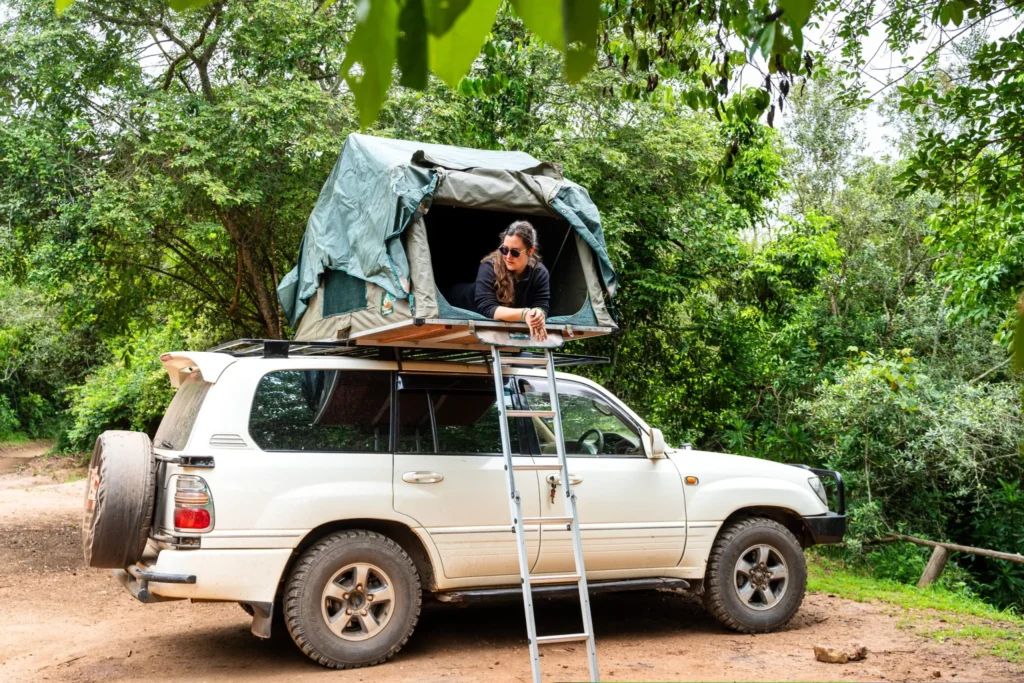
Self-drive suits you if you:
- Are comfortable navigating unfamiliar roads and reading local signage
- Want full independence to stop, detour, or change plans as you go
- Are traveling mostly on tarmac routes or are confident handling murram roads
- Hold a valid national driving licence plus an International Driving Permit (IDP), and are at least 23 years old with a couple of years of driving experience
Driver-guided suits you if you:
- Are visiting Uganda for the first time and unfamiliar with the terrain
- Want a local expert who knows the routes, fuel stops, and ranger checkpoints
- Are heading deep into national park territory for a longer safari
- Would rather sit back, enjoy the scenery, and let someone else handle navigation and checkpoints
Neither option is objectively better — it's simply a trade-off between cost and convenience. Self-drive is typically cheaper, while driver-guided adds a bit to the price but removes the stress of navigating unfamiliar terrain.
3. Match the Vehicle to Your Group and Terrain
Once you know your route and driving preference, the vehicle choice becomes much clearer. Here's a rough guide:
| Trip Type | Recommended Vehicle | Why |
|---|---|---|
| Solo traveler or couple, city/tarmac only | Saloon car (e.g. Toyota Premio) | Fuel-efficient, affordable, comfortable on paved roads |
| Solo traveler or couple, budget safari | Toyota RAV4 | Compact 4x4, handles murram roads without the higher cost of a full-size SUV |
| Small group or family safari | Land Cruiser GX/TX or Nissan Patrol | Space, comfort, and reliable 4x4 performance for longer park routes |
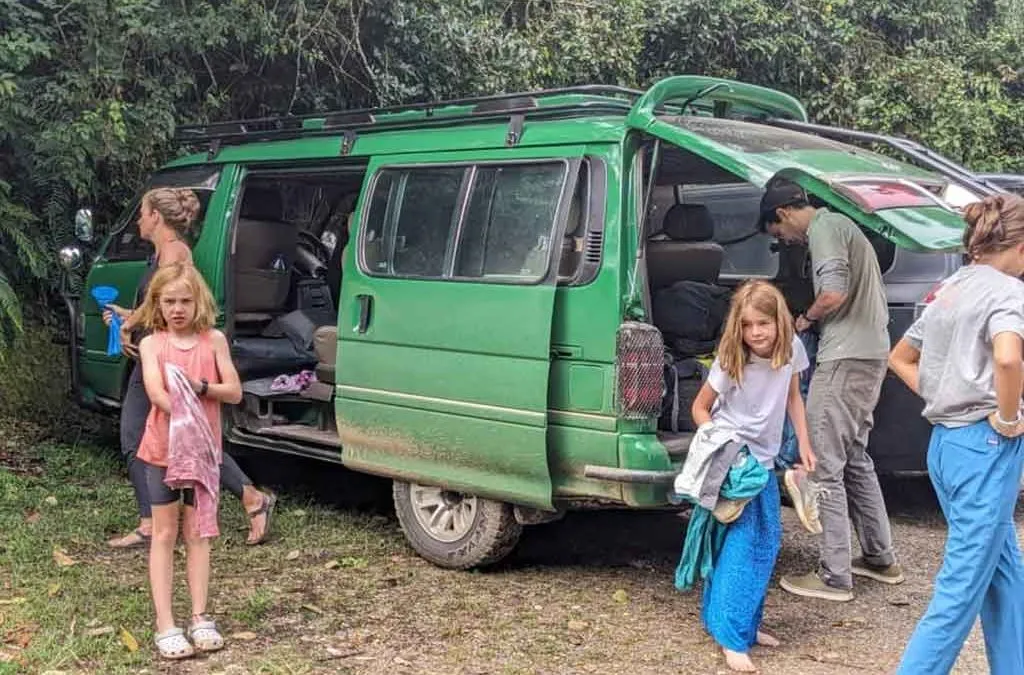
| Larger group | Safari Van or Minibus | Seats more passengers, ideal for group safaris and shared costs |
| Business trip or airport transfer | Sedan or luxury car | Comfort and presentation over off-road capability |
| Wedding or special event | Luxury car (e.g. Mercedes Benz) | Style and comfort for short, event-specific trips |
A good rule of thumb: book the smallest, most fuel-efficient vehicle that comfortably fits your group and route. Paying for a full-size 4x4 you don't need on a city-only trip is money you didn't have to spend.
4. Confirm the Basics Before You Book
Regardless of which rental company or vehicle you choose, don't finalize a booking without confirming these five essentials:
- Comprehensive insurance — non-negotiable given Uganda's terrain and traffic conditions
- Unlimited mileage — Uganda's attractions are spread out, and a mileage cap can cost you heavily on longer routes
- 24/7 roadside support — punctures and breakdowns happen, especially on murram roads, and you want a direct line to dispatch rather than a call center
- No hidden fees — insurance, taxes, and any park-road wear charges should be included in your quote upfront, not added after the fact
- Airport pickup — ideally your rental starts the moment you land at Entebbe, not after a separate taxi ride into the city
5. Factor In the Fuel Policy
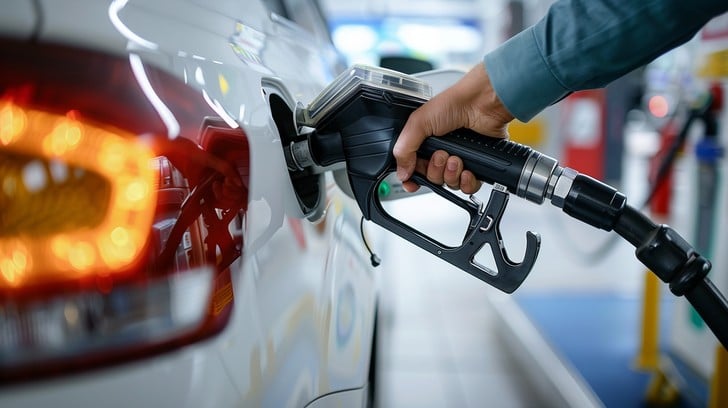
Most rental companies in Uganda use a "full-to-full" fuel policy — you receive the car with a full tank and return it the same way. This is generally the fairest option since you only pay for the fuel you actually use. If your itinerary involves significant driving, prioritizing a fuel-efficient vehicle will make a noticeable difference to your overall trip cost.
6. Check Reviews and Reputation
Uganda has a wide range of car rental companies, and service quality varies. Before booking, look up recent reviews, ask about how breakdowns are handled, and confirm the company can reach you quickly if something goes wrong on the road. A slightly higher price from a reputable company is often better value than the cheapest quote from one you can't verify.
Final Thoughts
Choosing the right Uganda car rental comes down to three questions: Where are you going? Do you want to drive yourself or bring a guide? And how many people and how much luggage are you carrying? Answer those honestly, confirm the essentials — insurance, unlimited mileage, roadside support — and you'll be set up for a smooth trip, whether that's a quick city stay in Kampala or a full road trip across Uganda's national parks.
To book a rental car in Uganda for self drive or with a driver-guide, simply contact us now by sending an email to info@ugandasafaribookings.com or call us now on +256-700135510.