
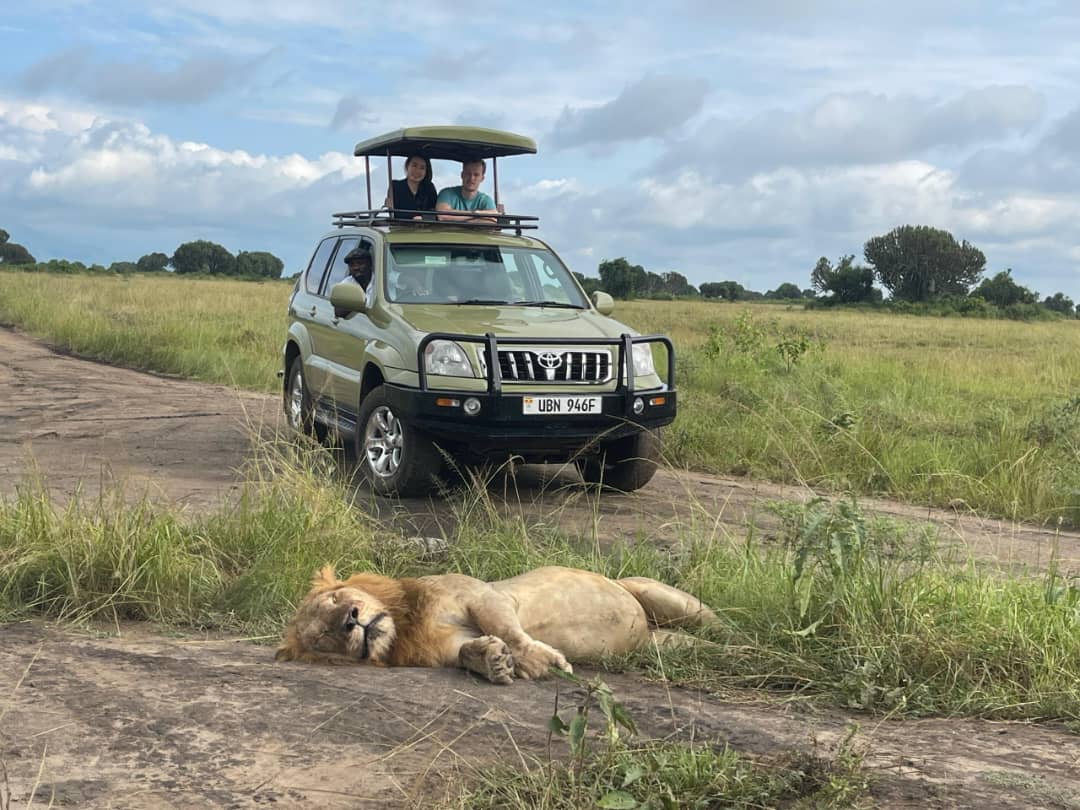
A Uganda safari is only as good as the vehicle that gets you there. Between long stretches of tarmac, rugged murram tracks inside the parks, and the wildlife-watching itself, your rental car isn't just transport — it's a core part of the experience. This guide covers everything you need to know about Uganda safari car rental, from choosing between self-drive and guided trips to picking the right vehicle for the parks you plan to visit.
Why Your Car Choice Matters More on Safari
Unlike a city trip, a safari puts real demands on a vehicle. Uganda's national parks — Murchison Falls, Queen Elizabeth, Bwindi Impenetrable, Kidepo Valley — are connected by a mix of tarmac highways and unpaved murram roads that turn uneven and slippery in the rainy season. A car that's perfectly fine for Kampala traffic can quickly become a liability once you're navigating dirt tracks in search of wildlife. That's why safari-ready rentals almost always mean one thing: a reliable 4x4.
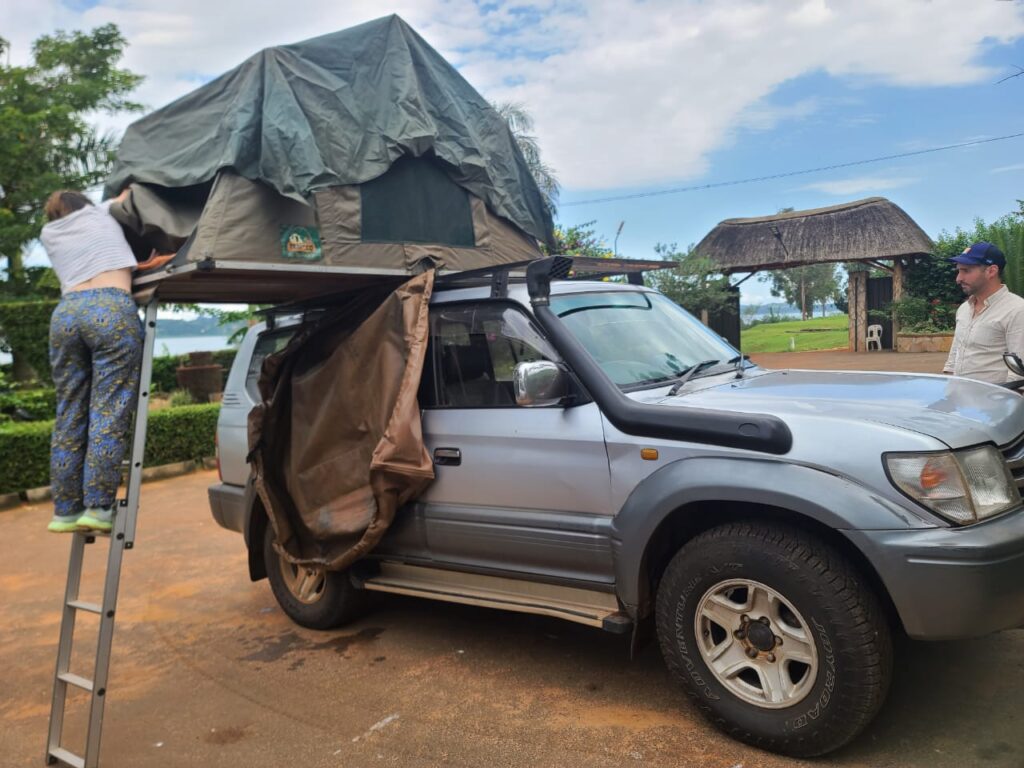
Self-Drive Safari: What to Know Before You Book
Self-driving your own Uganda safari is entirely possible and increasingly popular, especially among independent travelers who want full control over their pace and route.
Requirements typically include:
- A valid national driving licence plus an International Driving Permit (IDP) for foreign visitors
- A minimum age of 23, with at least two years of driving experience
- Comfort reading local road signage and handling ranger checkpoints on your own
- A refundable security deposit held for the rental period
Self-drive suits you if you:
- Enjoy the independence of setting your own schedule and stopping wherever you like
- Are comfortable navigating unfamiliar dirt roads without a guide
- Want to keep costs down, since self-drive is generally the more budget-friendly option
- Are confident with basic 4x4 handling on uneven terrain
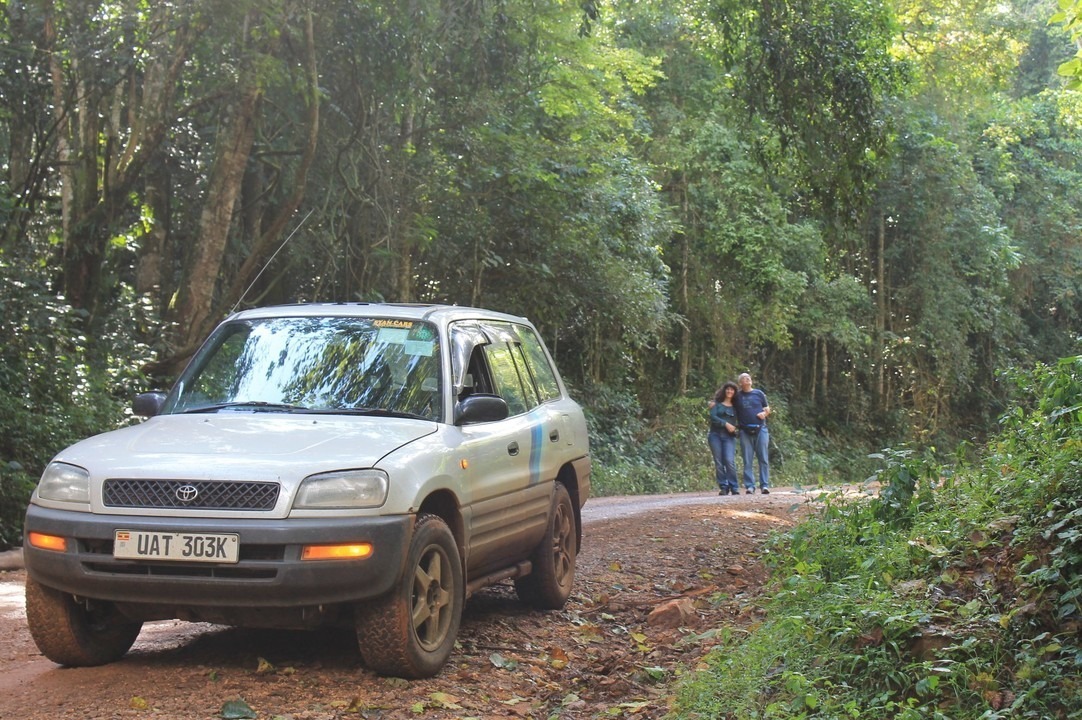
A rugged but manageable 4x4 like the Toyota RAV4 is a popular starting point for self-drive safaris — capable enough for most park roads without the higher cost of a full-size Land Cruiser.
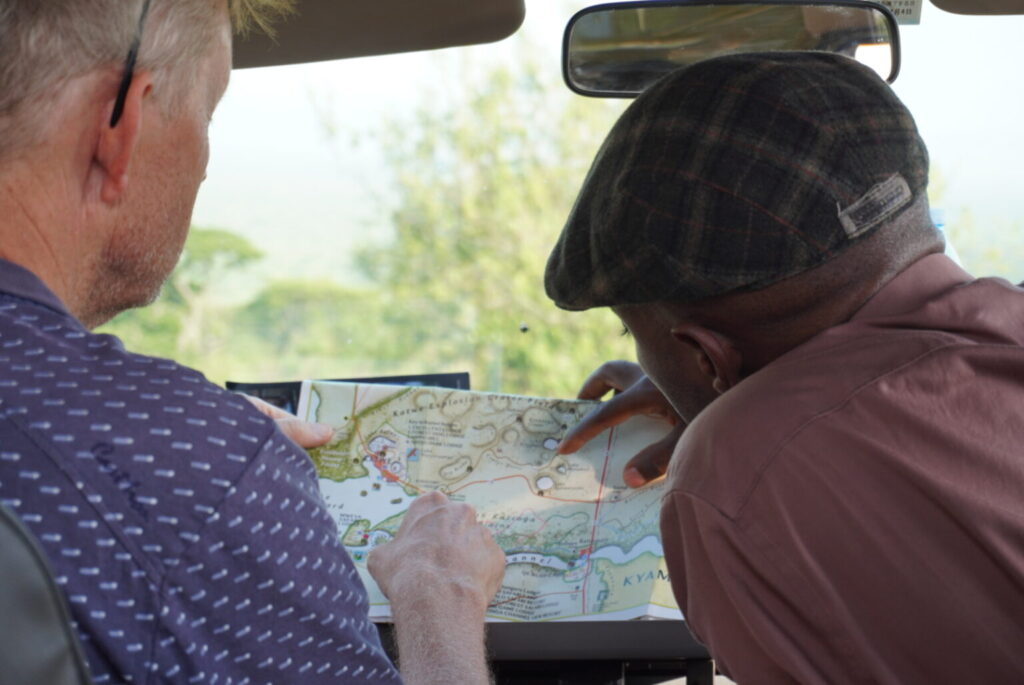
Guided Safari: What to Know Before You Book
A driver-guided safari puts an experienced local behind the wheel while you focus entirely on the experience — wildlife, scenery, and photography — without worrying about the road.
Guided trips suit you if you:
- Are visiting Uganda for the first time and unfamiliar with park terrain
- Want a driver-guide who knows animal movement patterns, park regulations, and the best viewing routes
- Are traveling with family or a larger group and prefer someone dedicated to navigation
- Would rather relax and take in the landscape instead of focusing on driving
Guided rentals typically cost more than self-drive, since the rate includes the driver-guide's fee, but many travelers find the local expertise well worth it — particularly for longer, multi-park itineraries.
Choosing the Right rental car for Uganda Safari
The right vehicle depends heavily on your group size, budget, and which parks are on your route:
| Trip Type | Recommended Vehicle | Why |
|---|---|---|
| Solo traveler or couple, budget safari | Toyota RAV4 | Compact 4x4, handles murram roads at a lower cost |
| Small group or family safari | Land Cruiser GX/TX or Nissan Patrol | Spacious, powerful, built for longer park routes |
| Larger group safari | Safari Van or Coaster Bus | Seats more passengers, ideal for shared group trips |
| Photography-focused safari | Land Cruiser with pop-up roof | Open roof allows for game viewing and photography without leaving the vehicle |
| Multi-park, long-distance safari | Full-size 4x4 with extra fuel range | Handles extended distances and rougher terrain reliably |
What Every Safari Rental Should Include
Whether you go self-drive or guided, don't finalize a Uganda safari car rental without confirming these essentials:
- Comprehensive insurance — non-negotiable given park road conditions
- Unlimited mileage — Uganda's parks are spread far apart, and mileage caps add up fast on multi-park routes
- 24/7 roadside support — punctures and breakdowns happen on murram roads, so a direct line to dispatch matters
- No hidden fees — insurance, taxes, and any park-road charges should be quoted upfront
- Airport pickup — ideally your safari starts the moment you land at Entebbe
Self-Drive vs. Guided: A Quick Comparison
| Self-Drive Safari | Guided Safari | |
|---|---|---|
| Best for | Independent travelers, budget trips | First-time visitors, longer multi-park routes |
| Flexibility | Full control of pace and stops | Local expertise guides the route |
| Driving experience needed | Yes — licence and IDP required | None |
| Cost | Lower | Slightly higher (driver-guide fee included) |
| Local knowledge | Self-navigated | Built-in, from an experienced driver-guide |
Planning Tips for a Smooth Safari Rental
- Book early, especially during peak safari season, to secure the vehicle type you need
- Confirm the fuel policy — most companies use a "full-to-full" system, which is generally the fairest option
- Pack for the terrain — dust, mud, and long drives are part of the experience, even in a well-maintained 4x4
- Ask about camping gear add-ons if your safari includes overnight stops outside standard lodging
- Check reviews of the rental company specifically for their safari and park-road experience, not just city rentals
Final Thoughts
Whether you choose to self-drive or bring along a guide, the right Uganda safari car rental comes down to matching your vehicle, driving comfort, and budget to your route. A confident, budget-conscious traveler sticking to well-known parks can do very well self-driving a RAV4. A first-time visitor tackling multiple parks over a longer trip will likely get more value from a guided Land Cruiser. Either way, insist on the essentials — 4x4 capability, comprehensive insurance, unlimited mileage, and reliable roadside support — and you'll be set up for a safari that runs as smoothly as the wildlife-watching itself.
To book a rental car for safari in Uganda today, simply contact us now by sending an email to info@ugandasafaribookings.com or call us now on +256-700135510.