
A Place Where a King Who Never Surrendered Still Keeps a Living Wife
Before you're allowed near the tomb of Omukama Kabalega at Mparo, the caretakers ask you a question most visitors don't expect: did you have an extramarital affair the night before your visit? It's not a rhetorical formality. Under the traditional rules still enforced at the site, admitting to infidelity is grounds for being turned away entirely. It's one of several details that make Mparo Royal Tombs, resting place of Bunyoro-Kitara's most famous king, feel less like a static historical monument and more like a living court that simply happens to be visited by tourists.
The King the British Couldn't Quietly Erase
The Bunyoro-Kitara Kingdom, centered in what's now western Uganda's Hoima District, is regarded as one of East Africa's oldest continuously existing political institutions, with roots stretching back well before written record. By the late 19th century, it found itself the last major regional power still openly resisting British colonial expansion — and its king, Omukama Chwa II Kabalega, became the figure most associated with that resistance. Kabalega spent more than two decades fighting the British, who allied with neighboring Buganda against him, reforming Bunyoro's military (the Abarusura), developing weapons, and working to reclaim territory the kingdom had lost to breakaway states — efforts significant enough that the kingdom is often referred to by the combined name Bunyoro-Kitara in recognition of that expansion.
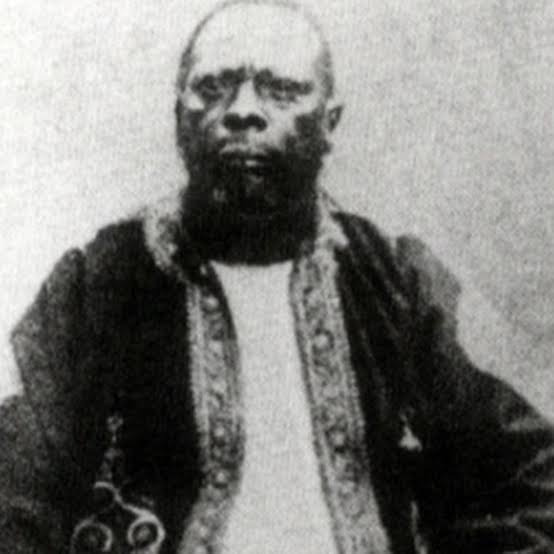
Kabalega was finally captured in April 1899 and exiled to the Seychelles, where he lived out the rest of his life before dying in 1923. His resistance came at a lasting territorial cost: the so-called "Lost Counties," some of Bunyoro's most fertile and strategically valuable land, were formally handed to Buganda by the British as a reward for its cooperation — a grievance that has shaped Bunyoro-Buganda relations for more than a century since. When Kabalega died, his remains were brought back to Mparo, the site of his former palace, for burial — a homecoming that transformed the site from a seat of resistance into a permanent monument to it.
A Palace Turned Burial Ground, in the Buganda Tradition and Beyond
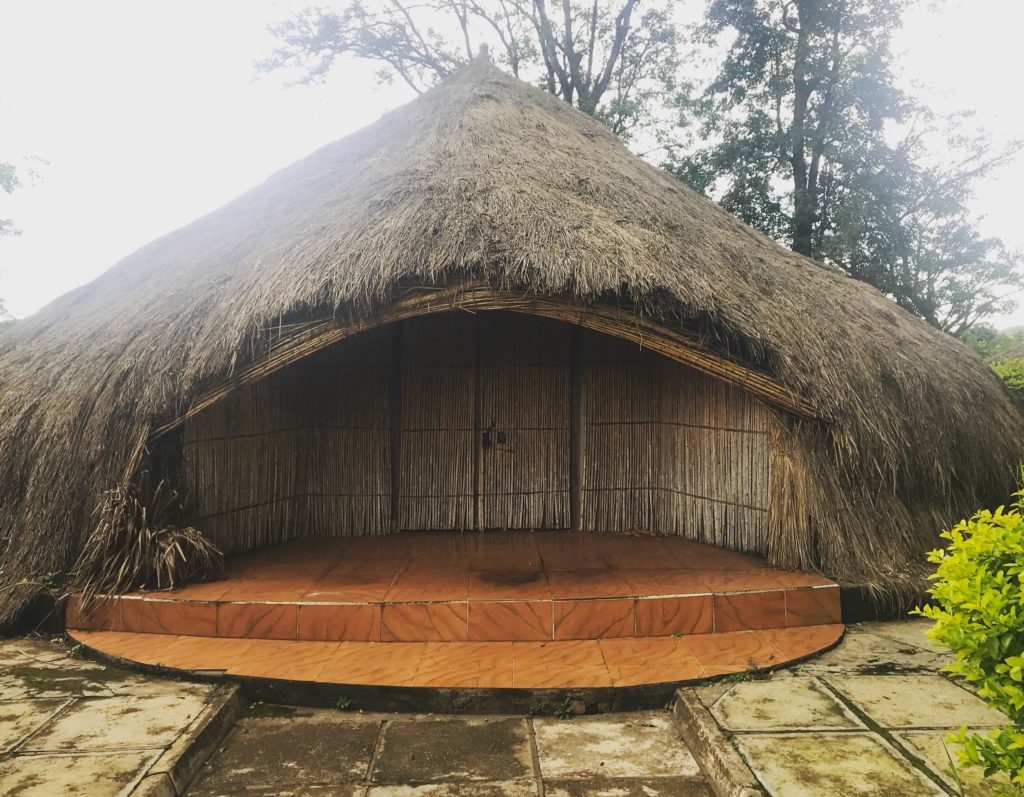
Like Kasubi Tombs in Kampala, Mparo follows the regional custom of converting a king's palace into his burial site upon death. The grounds, spanning several acres along the Hoima–Masindi road, now hold roughly fifty tombs in total, including that of Kabalega's son, Sir Tito Winyi IV, and numerous other Bunyoro princes and princesses. Kabalega's own tomb — the largest structure at the site — sits inside a round, grass-thatched hut with a wooden door, its interior lined with the everyday and ceremonial objects of his reign: smoking pipes, clay pots, water containers, baskets, wooden bowls, spears, shields, drums, wooden stools, and bark cloth, offering a far more intimate window into royal daily life than a typical museum display case.
The Living Wife Tradition
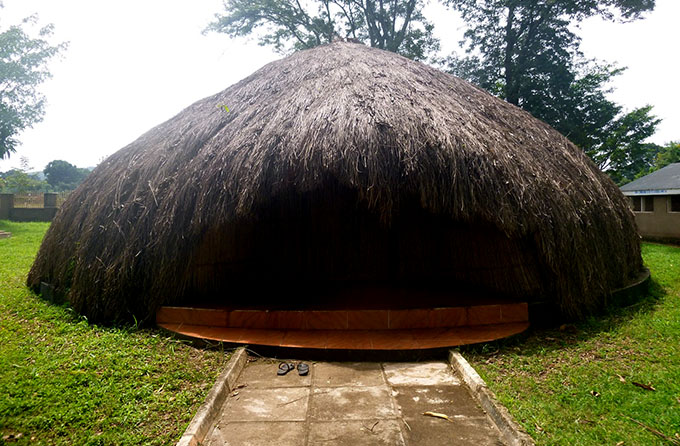
Perhaps the single most unusual detail at Mparo is one most first-time visitors never anticipate: Kabalega's tomb, though he died a century ago, still has a living wife attending it. Bunyoro tradition holds that when a king marries a woman, he effectively marries her entire clan, binding the two lineages together — a bond the tradition maintains even after the king's death. When the current caretaker-wife eventually passes away, a sacred ceremony selects a new woman from the same ancestral line to take her place at the tomb, an unbroken chain of symbolic marriage stretching from Kabalega's actual lifetime into the present day. It's a striking illustration of how, at Mparo, "history" isn't treated as something finished — the kingdom's structures of loyalty and continuity are still actively maintained around the very people they memorialize.
Mparo Tombs- A Site Still in Active Use
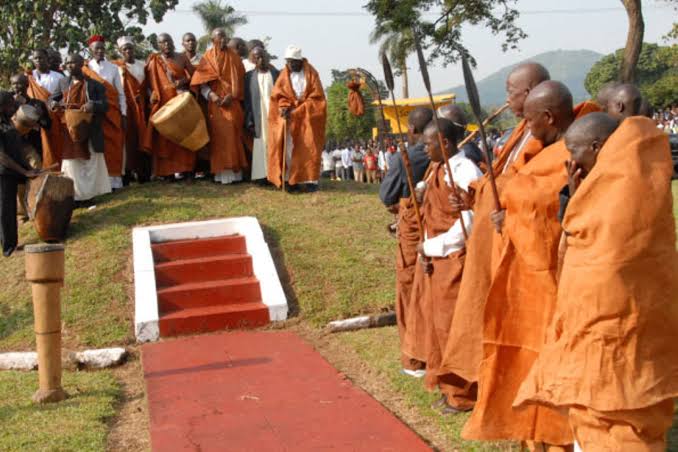
Mparo isn't simply preserved — it's used. The most significant annual event held there is the Empango Ceremony, marking the coronation anniversary of the reigning Omukama, celebrated every June 10th with rituals that include the slaughtering of two bulls at the site. Beyond that formal calendar date, many visitors — Banyoro and outsiders alike — come to Mparo specifically to pay homage or seek inspiration from Kabalega's legacy, treating the tombs as a place of quiet pilgrimage as much as historical interest. In 2009, ahead of that year's Heroes' Day celebrations, the site underwent restoration led by the Uganda People's Defence Force, which rebuilt the perimeter wall and renovated the traditional huts and tombs — a rare instance of the modern Ugandan military directly investing in the preservation of a pre-colonial kingdom's heritage.
Visiting Mparo Royal Tombs: What to Know
- Location: Mparo village, Mparo Division, roughly 3–4 km northeast of Hoima town along the Hoima–Masindi road.
- What's on site: Around fifty royal tombs, including Kabalega's, housed in traditional thatched huts, alongside a cone-shaped monument marking the spot where German explorer Emin Pasha is said to have met Kabalega.
- Etiquette: Dress and behave respectfully; caretakers may ask personal questions before granting access to the inner tomb, in keeping with traditional taboos tied to the site's sanctity.
- Best time to visit: Any day for a quiet visit; June 10th if you want to witness the Empango coronation-anniversary ceremony firsthand.
- Good to pair with: Kibale Forest National Park and the Bunyoro royal palace (Karuzika) in Hoima, both reasonably close by, for a fuller look at Bunyoro-Kitara heritage.
Plan Your Visit to Mparo Royal Tombs
For travelers interested in Uganda's other great kingdom — and the king who fought hardest against colonization — Mparo offers one of the country's most powerful historic sites. Let us help you plan the visit.
To book a trip to Mparo tombs today, simply contact us at info@ugandasafaribookings.com or call +256-700135510 to start planning your visit.