
Planning a Uganda safari means choosing between more than a dozen national parks, several very different trip styles, and a wide range of budgets — from a $750 three-day wildlife safari to a $4,200 multi-country gorilla trekking adventure. This guide covers everything you need to plan a Uganda safari from scratch: the best parks, every trip type, real cost tiers, when to go, and exactly how to book.
Why Choose a Uganda Safari
Uganda is often overshadowed by Kenya and Tanzania in the safari conversation, but it offers something neither does at the same price point: mountain gorilla trekking alongside classic Big Five wildlife viewing, in a country a fraction of the size — meaning shorter drive times between radically different ecosystems. In a single Uganda safari itinerary, you can track gorillas in a misty rainforest, watch tree-climbing lions in open savanna, cruise past hippos and crocodiles on the Nile, and spot chimpanzees in the same forest canopy — all within a week or two.
Uganda is also less crowded than its neighbors. Gorilla permits are capped at a fixed daily number, and most parks see a fraction of the vehicle traffic found in Kenya's Maasai Mara or Tanzania's Serengeti during peak season, which means a more intimate wildlife experience for the same money.
Best Uganda Safari Destinations
A Uganda safari itinerary is built around a handful of core parks, each suited to different wildlife and activities:
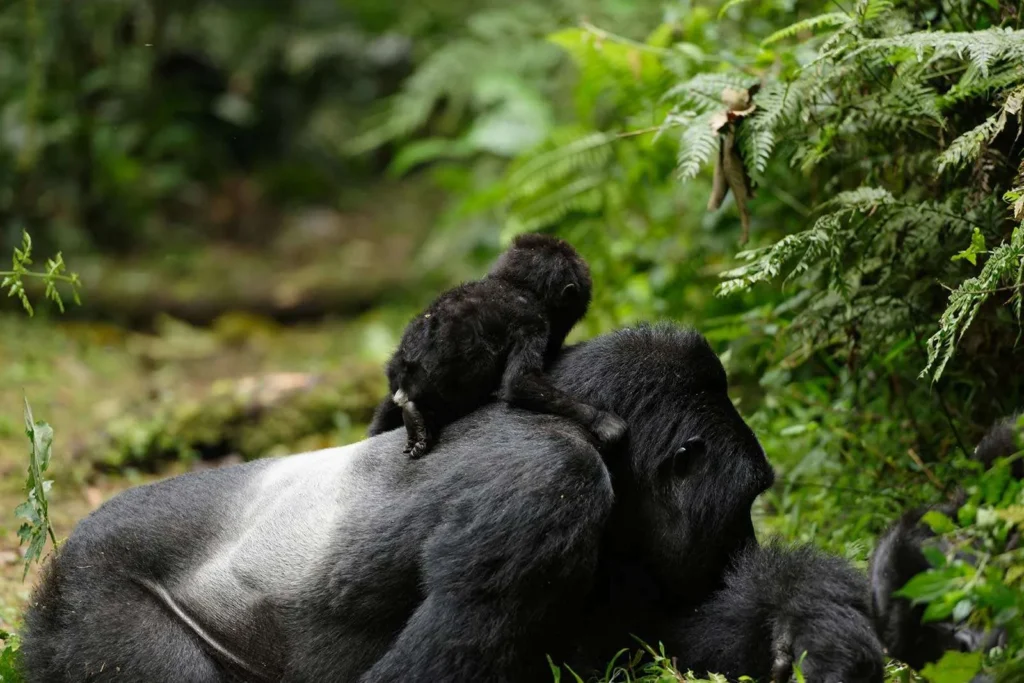
Bwindi Impenetrable Forest — Home to roughly half the world's remaining mountain gorillas, and the single most popular reason travelers book a Uganda safari at all. Trekking here is physically demanding but the payoff — an hour face-to-face with a habituated gorilla family — is what most Uganda safari itineraries are built around.
Queen Elizabeth National Park — Uganda's most bio-diverse park, known for tree-climbing lions in the Ishasha sector, Kazinga Channel boat cruises packed with hippos and buffalo, and strong Big Five potential.
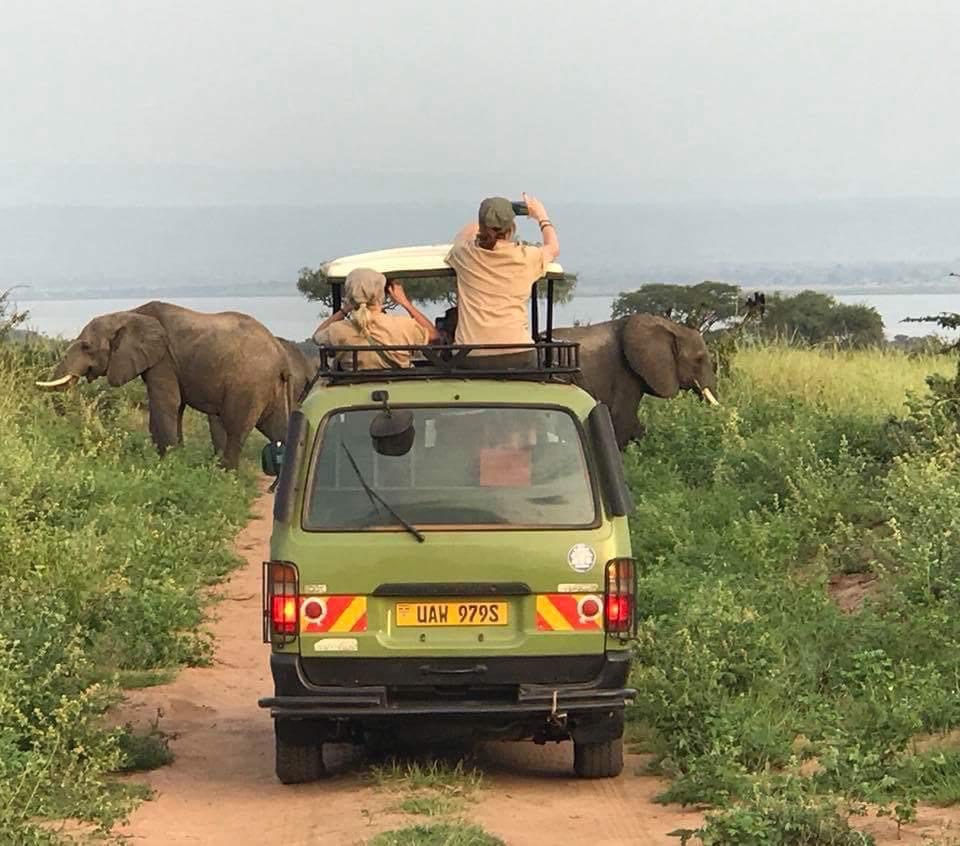
Murchison Falls National Park — Uganda's largest park, centered on the dramatic point where the Nile forces itself through a narrow gorge. Game drives here regularly turn up elephants, giraffes, and lions, alongside a boat cruise to the base of the falls.
Kibale Forest — The chimpanzee trekking capital of Uganda, with the highest chimp habituation success rate in East Africa, plus excellent birding.
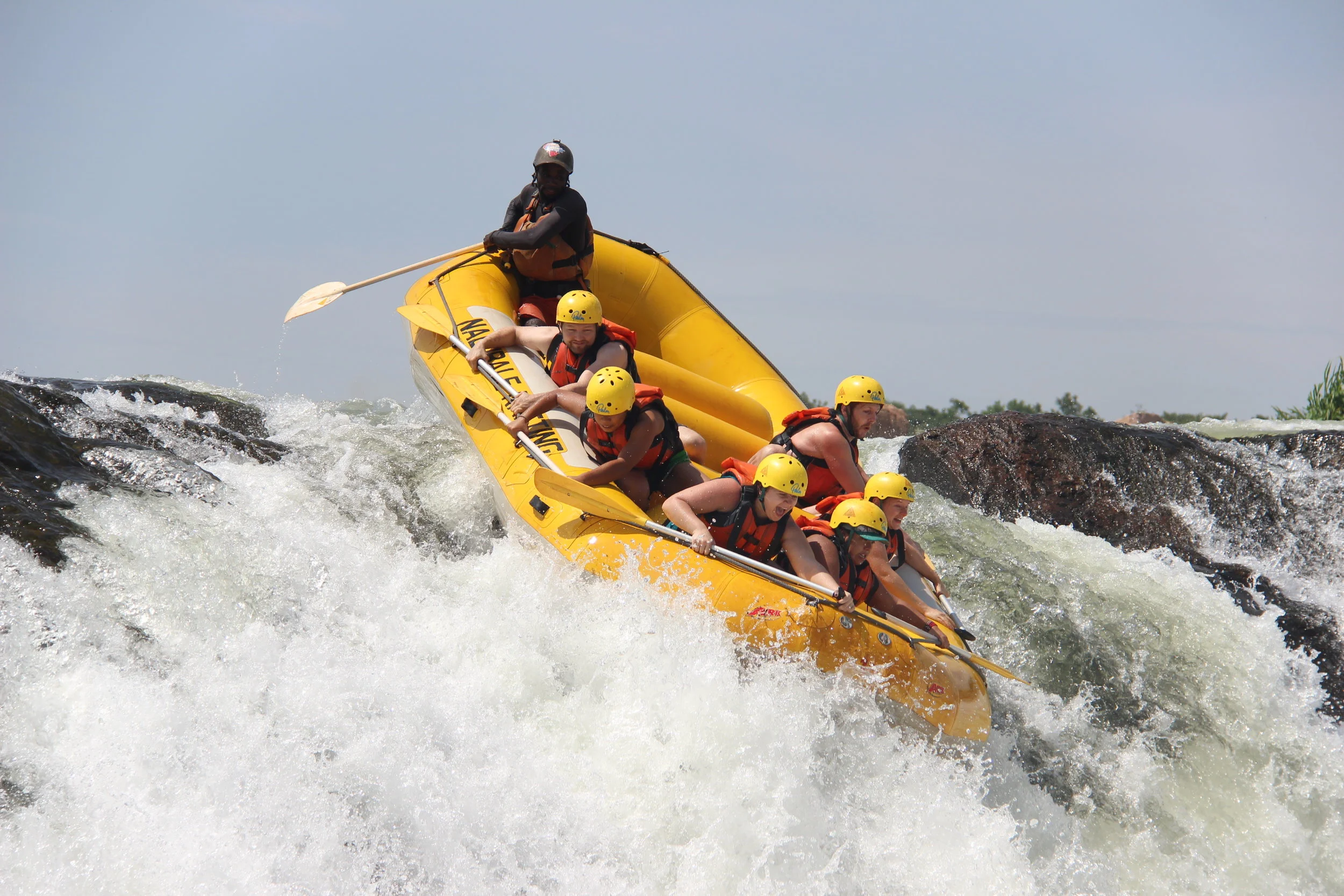
Jinja — The source of the Nile and Uganda's adventure-sports hub, popular for white-water rafting, bungee jumping, and shorter add-on trips.
Most complete Uganda safari itineraries combine two to four of these in a single trip — a gorilla-and-wildlife combo (Bwindi + Queen Elizabeth) is the most booked route on our Uganda Safaris page.
Types of Uganda Safaris
Not every Uganda safari looks the same. The right type depends on what you actually want to see and do:
- Gorilla Safaris — trekking to see mountain gorillas in Bwindi or Mgahinga; the flagship Uganda safari experience.
- Wildlife Safaris — classic game drives across savanna parks for lions, elephants, buffalo, and more.
- Chimpanzee Safaris — forest trekking to track habituated chimp communities, mainly in Kibale.
- Birding Safaris — Uganda hosts over 1,000 bird species, including the famously elusive shoebill stork.
- Cultural Tours — community visits, traditional dance, and storytelling that pair well with a wildlife-focused Uganda safari.
- Adventure Sports Tours — white-water rafting and bungee jumping in Jinja, usually added onto a longer itinerary.
- Family Safaris — itineraries paced and structured for travelers with children.
- Camping Safaris — a budget-friendly way to experience Uganda's parks closer to the ground.
- Budget Safaris — stripped-down itineraries that keep costs down without cutting the core wildlife experience.
How Much Does a Uganda Safari Cost?
Uganda safari pricing varies enormously depending on trip length, accommodation level, and whether gorilla trekking is included. Here's a realistic breakdown by tier:
| Trip Type | Example Itinerary | Starting Price |
|---|---|---|
| Short city/day trip | 1 Day Kampala City Tour | $150 |
| Short wildlife safari | 3 Days Queen Elizabeth Park Safari | $750 |
| Short adventure trip | 2 Days Jinja Tour | $280 |
| Gorilla-focused safari | 3 Days Bwindi Gorilla Safari | $1,200 |
| Family safari | 5 Days Uganda Family Safari | $1,200 |
| Full classic circuit | 7 Days Uganda Safari | $2,500 |
| Extended multi-park trip | 10 Day Uganda Safari | $3,800 |
| Multi-country safari | 11 Days Uganda Rwanda Safari | $4,200 |
What drives the cost up or down:
- Gorilla permits are the single biggest line item on any Uganda safari that includes trekking — $800 per person in high season, or $600 during the discounted low season (April, May, November).
- Vehicle choice matters if you're arranging your own transport rather than a full package — our rental car fleet ranges from the Toyota RAV4 for tarmac routes up to the Safari Land Cruiser at $180/day for full park terrain, with the Pop-Up Roof Land Cruiser at $100/day a popular middle ground for game viewing.
- Accommodation tier — the same itinerary can shift by hundreds of dollars per night depending on whether you stay in budget camps or the lodges featured on our Safari Lodges page.
- Trip length — longer Uganda safari itineraries naturally cost more in total but often bring the per-day cost down slightly through shared vehicle and guide fees.
When Is the Best Time for a Uganda Safari?
Uganda has two dry seasons — June to August and December to February — which offer the firmest park roads, easiest gorilla trekking conditions, and best overall wildlife visibility. August in particular is Uganda's busiest safari month, combining peak dry-season conditions with Northern Hemisphere summer holidays, so vehicles, lodges, and gorilla permits should be booked several months ahead.
The wetter months (March–May and September–November) bring lower prices, thinner crowds, and discounted gorilla permits — a worthwhile trade-off if you don't mind occasional rain and muddier trails.
How to Plan a Uganda Safari: Step by Step
1. Choose your parks, trip type, and dates. Decide whether gorilla trekking is a must-have, then work outward — a gorilla-only trip looks very different from a full multi-park wildlife circuit.
2. Secure your gorilla permit and flights early. Permits are capped daily and now require full payment at time of booking, so this step should happen before anything else is finalized. Our gorilla permit booking guide walks through the process.
3. Decide how you'll get around. Choose between a fully guided package, a driver-guided rental, or self-drive — our Getting Around Uganda guide compares the options.
4. Check your visa and entry requirements. Many nationalities can enter Uganda visa-free or via a straightforward e-Visa — see our Visa Requirements page for specifics.
5. Pack and prepare. Our What to Pack for a Uganda Safari guide and health and vaccination requirements page cover the essentials, including the mandatory Yellow Fever certificate.
6. Book your itinerary and pay a deposit. Most Uganda safari bookings, including ours, run on a standard 30% deposit model — you can request a quote directly to get started.
Frequently Asked Questions About Uganda Safaris
Still have questions specific to your trip? Our Uganda Safari FAQs page covers the most common ones in detail, from permit logistics to what happens if weather disrupts a trek.
Start Planning Your Uganda Safari
Whether you're after a single unforgettable gorilla trek, a full two-week circuit through Uganda's best parks, or something in between, the right Uganda safari comes down to matching your parks, trip type, and budget to the time you have available. Browse our full range of Uganda safaris or get in touch for a tailor-made itinerary built around exactly what you want to see.