
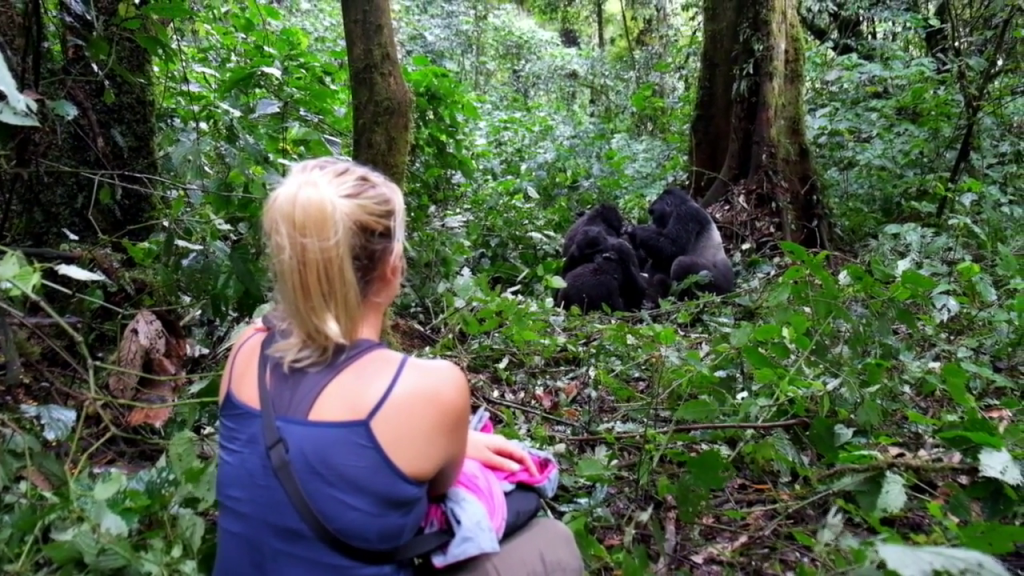
There's a moment on every gorilla trek in Uganda when the forest suddenly goes quiet, your ranger raises a hand, and there — through the tangle of vines and undergrowth — is a wild mountain gorilla, close enough to hear it breathe. It's the reason Uganda is on so many travelers' bucket lists, and roughly half of the world's remaining mountain gorillas call this country home. This guide covers everything you need to know before you go: where to trek, what it costs, how difficult it actually is, and how the whole experience unfolds from booking to that first encounter.
Where to Go Gorilla Trekking in Uganda
Uganda offers gorilla trekking in two national parks:
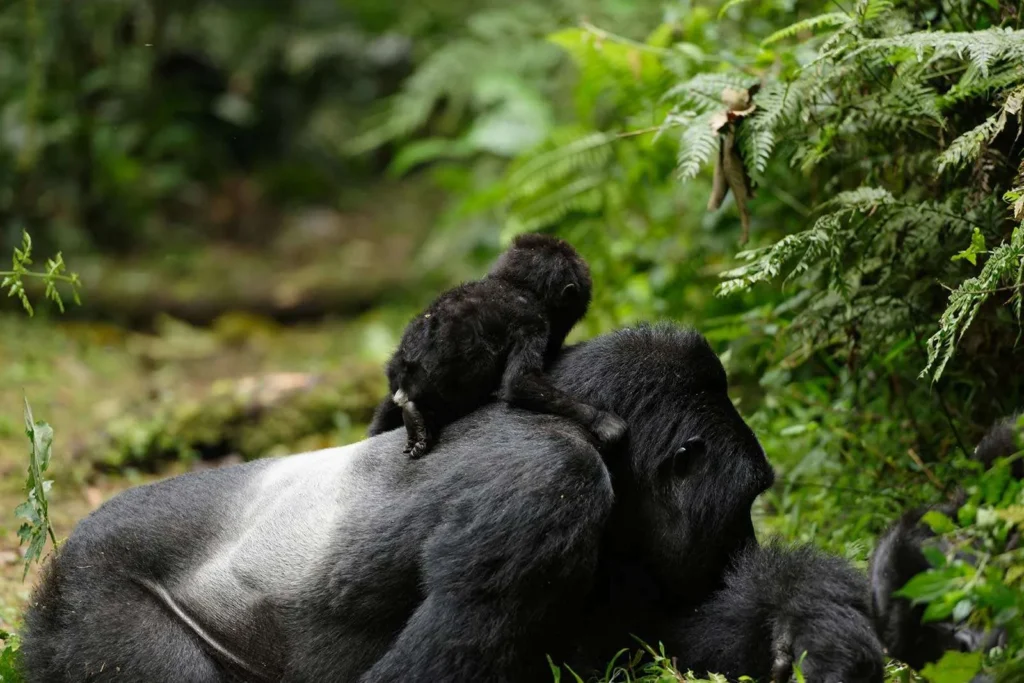
Bwindi Impenetrable National Park
Bwindi is Uganda's primary gorilla trekking destination, home to the vast majority of the country's habituated gorilla families. The park is divided into four distinct trekking sectors, each functioning almost like its own destination — different families, different terrain, different access roads, and different lodges. Your permit ties you to one specific sector, so choosing the right one is one of the most important planning decisions you'll make.
Mgahinga Gorilla National Park
In the far southwest, along the Virunga volcanoes bordering Rwanda and the DRC, Mgahinga offers a smaller, quieter alternative to Bwindi, typically with a single habituated gorilla family available for trekking. It's a good option for travelers also interested in golden monkey tracking or volcano hiking, or those wanting a genuinely low-crowd experience.
Bwindi's Four Sectors, Compared
Buhoma (North)
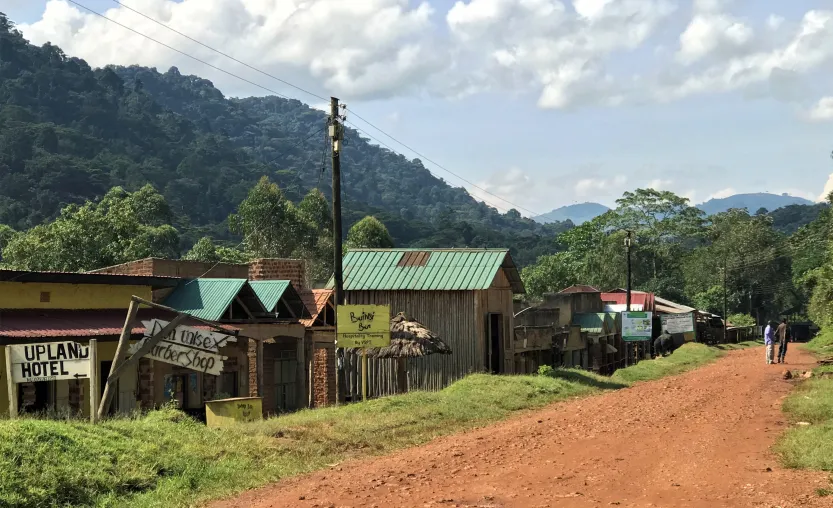
The original and most established sector, and generally considered the easiest and most beginner-friendly. Terrain here is comparatively gentler, with flatter trails than the other sectors, and Buhoma has the widest range of lodges, from budget to luxury. The trade-off is fewer gorilla families than Rushaga, which can mean tighter permit availability in peak season.
- Best for: first-timers, older travelers, or anyone prioritising trekking ease and lodge choice.
- Access: roughly 30 minutes to an hour from Kisoro or a few hours from Kabale by road.
Ruhija (East)
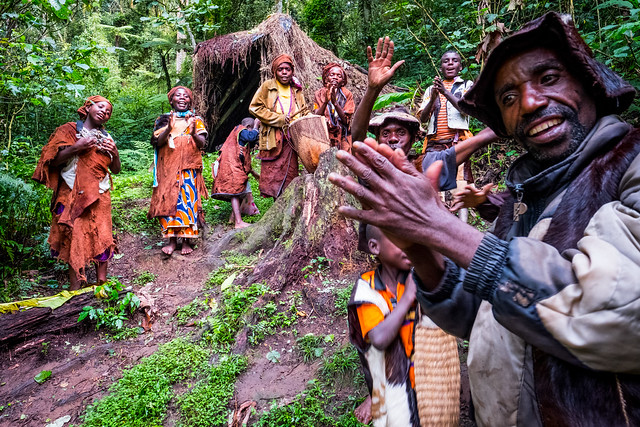
The highest-altitude sector, offering spectacular scenery and some of the best birdwatching in Bwindi, with numerous Albertine Rift endemic species. Treks here are often gentler and finish earlier than in other sectors, though the sector's roads are rougher and lodge options are more limited and rustic.
- Best for: birders, and travelers who want good trekking conditions without Buhoma's crowds.
- Access: the most remote of the four sectors, requiring a 4WD vehicle over rough roads.
Rushaga (South)
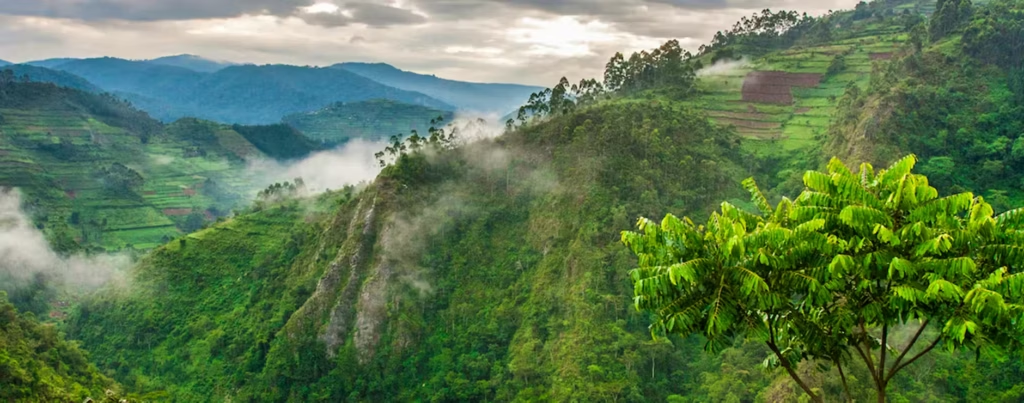
The largest sector by number of habituated families, which means the best permit availability, including reliable last-minute options. Rushaga is also the only sector offering the Gorilla Habituation Experience, a longer four-hour visit with a semi-habituated family alongside researchers, and it's a favorite for travelers crossing between Uganda and Rwanda.
- Best for: flexible bookings, repeat visitors, larger groups, and anyone wanting the habituation experience.
- Access: the most convenient sector for travelers entering via Rwanda.
Nkuringo (Southwest)
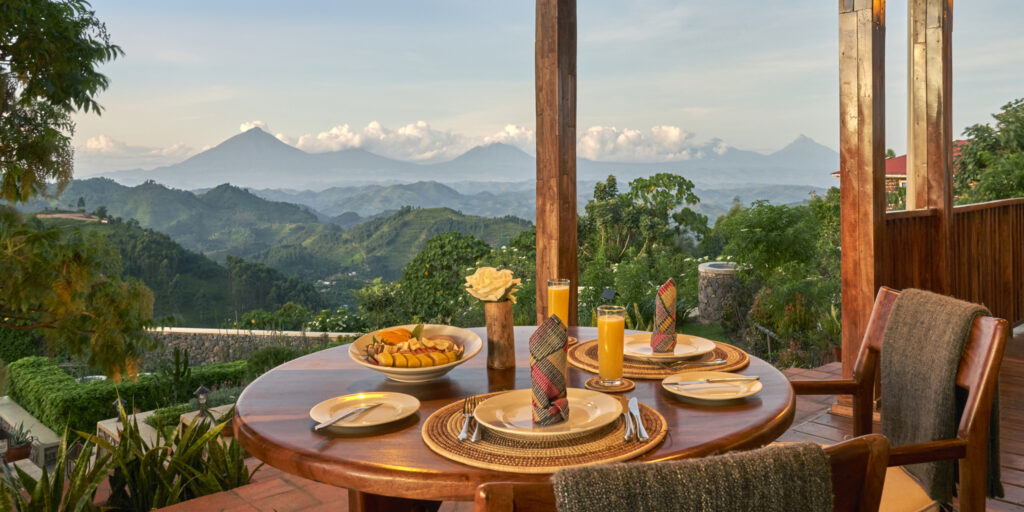
The most remote and dramatic sector, known for sweeping views over the Virunga volcanoes and the toughest trekking conditions of the four — steep terrain and higher altitude make this the most physically demanding option.
- Best for: fit, experienced trekkers seeking dramatic scenery and fewer crowds.
- Access: several hours by rough road from Kisoro; among the most remote lodging options in Bwindi.
Bottom line: there's no single "best" sector — the right choice depends on your fitness level, how you're entering the region (via Entebbe/Kampala or via Kigali), your accommodation budget, and how flexible your dates are. A good local operator will help match your permit to the sector that actually fits your trip, since sectors are several hours apart by road and switching later isn't simple.
Gorilla Trekking Permits and Cost
A gorilla trekking permit, issued by the Uganda Wildlife Authority (UWA), is mandatory and grants you park entry, ranger and tracker guiding, and one hour with your assigned gorilla family. As of the current 2026 tariff structure:
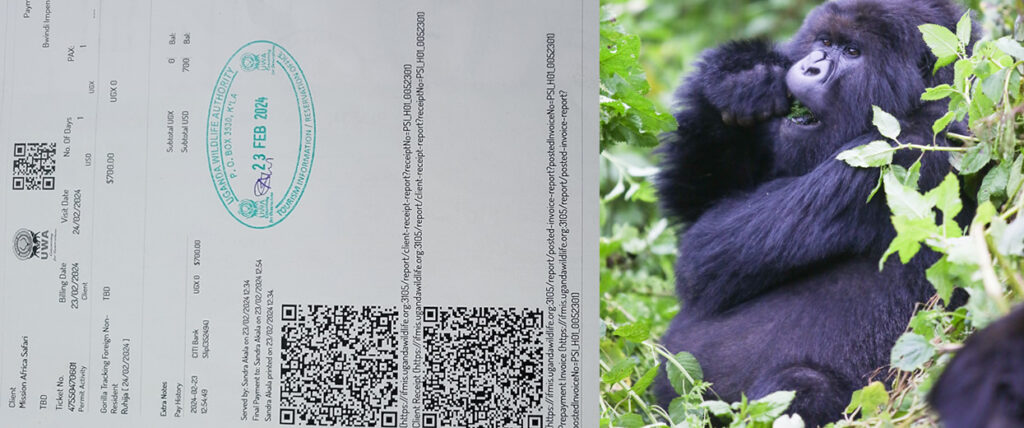
- Foreign non-residents: around US$800 per person
- Foreign residents: around US$700 per person
- Other African citizens: around US$500 per person
- East African citizens: around 300,000 UGX per person
- Low-season discount: around US$600 for foreign non-residents during April, May, and November
For a deeper, longer encounter, the Gorilla Habituation Experience (available only in Rushaga) allows up to four hours with a semi-habituated family alongside trackers and researchers, at a significantly higher price point than the standard permit.
Because only a limited number of permits are issued per family per day, and demand is high in the June–September and December–February dry seasons, booking three to six months ahead is strongly recommended for peak-season dates. For a full walk through of the booking process, see our guide: Book a Gorilla Permit in Uganda Online
How Difficult Is Gorilla Trekking?
This is the question we get asked most often, and the honest answer is: it depends — on the sector, on where the gorilla family happens to be that morning, and on your own fitness. Treks can range from under an hour to five or six hours of hiking, through dense forest on steep, often muddy terrain, at altitudes between roughly 1,160 and 2,600 meters. Buhoma and Ruhija are generally considered the gentler options; Nkuringo and parts of Rushaga can be genuinely strenuous.
A few things make the trek more manageable regardless of sector:
- Hire a porter. For a modest fee, porters carry your bag, help you over difficult terrain, and are often the single biggest difference-maker for trekkers worried about fitness — and hiring one directly supports the local community.
- Request a closer family at the briefing. If you're concerned about your fitness, mention it during the morning briefing — rangers can sometimes match less mobile trekkers with a gorilla family known to be closer to the trail head that day.
- Bring the right gear. Waterproof hiking boots, gardening or trekking gloves, and a walking stick (usually provided free) all matter more than raw fitness on Bwindi's slippery slopes.
- Pace yourself and hydrate. This isn't a race — rangers set a manageable pace, and stopping to catch your breath is completely normal.
Trekking is generally suitable for anyone with reasonable walking fitness — you don't need to be an athlete, but you should be comfortable with a multi-hour hike on uneven ground before you book.
What Actually Happens on Trekking Day
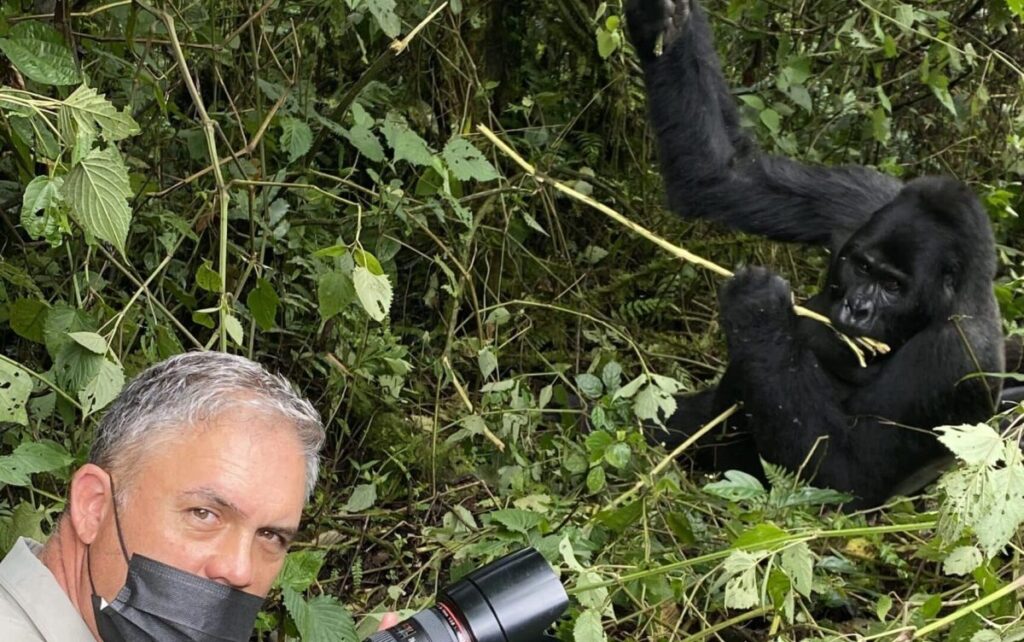
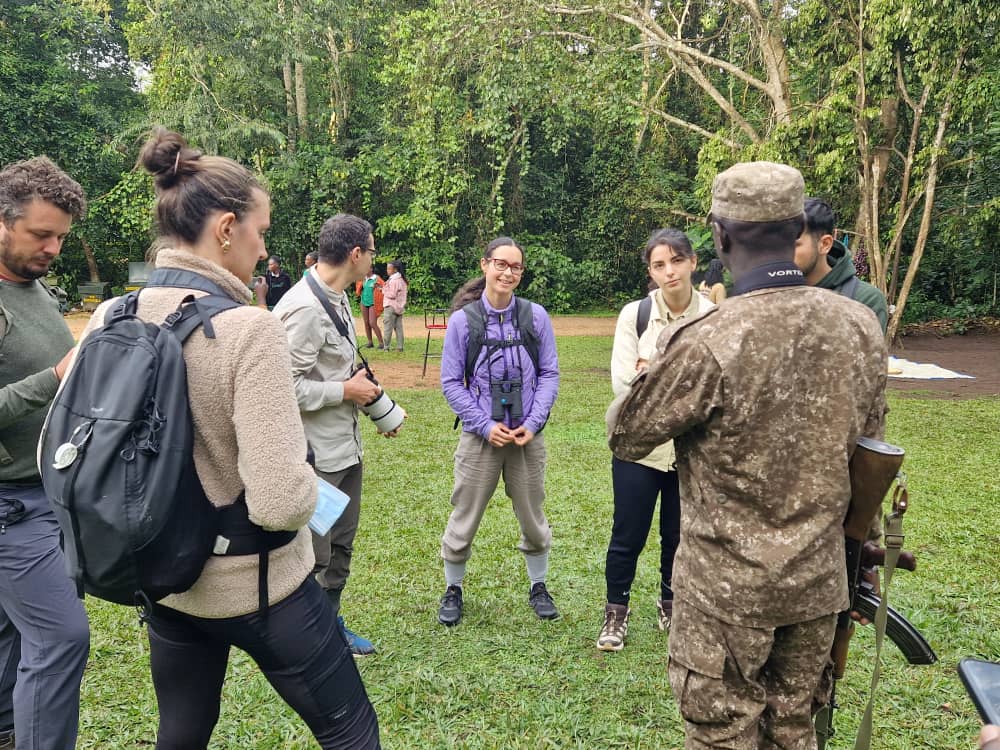
- Early morning briefing. Trekkers gather at the park headquarters for a briefing from UWA rangers, covering rules, safety, and your assigned gorilla family.
- The trek. Accompanied by armed rangers and experienced trackers (who typically head out ahead of the group to locate the gorillas), you'll hike through forest terrain toward your assigned family. Trackers communicate the gorillas' location via radio as trekkers get closer.
- The encounter. Once you reach the gorillas, you get exactly one hour in their presence. Groups are capped at a maximum of eight people, and strict rules apply throughout: keep a distance of roughly 7–10 meters, keep your voice low, don't use flash photography, and wear a face mask if required.
- The return hike. You'll retrace your route back to the trail head, often on something of an adrenaline high from the encounter you've just had.
- Certificate. Most treks conclude with a certificate from UWA confirming you completed the trek.
Best Time for Gorilla Trekking
Gorilla trekking runs year-round, since habituated families are tracked daily regardless of season. That said, the dry months — June to September and December to February — offer firmer, less slippery trails and are by far the most popular and heavily booked. Trekking during the wetter months (March to May and October to November) means muddier, more demanding conditions, but easier permit availability and lower prices. For a full seasonal breakdown, see our guide: What Is the Best Time to Visit Uganda?
Rules and Etiquette
Gorilla trekking is tightly regulated to protect both visitors and the gorillas themselves, which — as a species that shares roughly 98% of human DNA — are susceptible to human diseases:
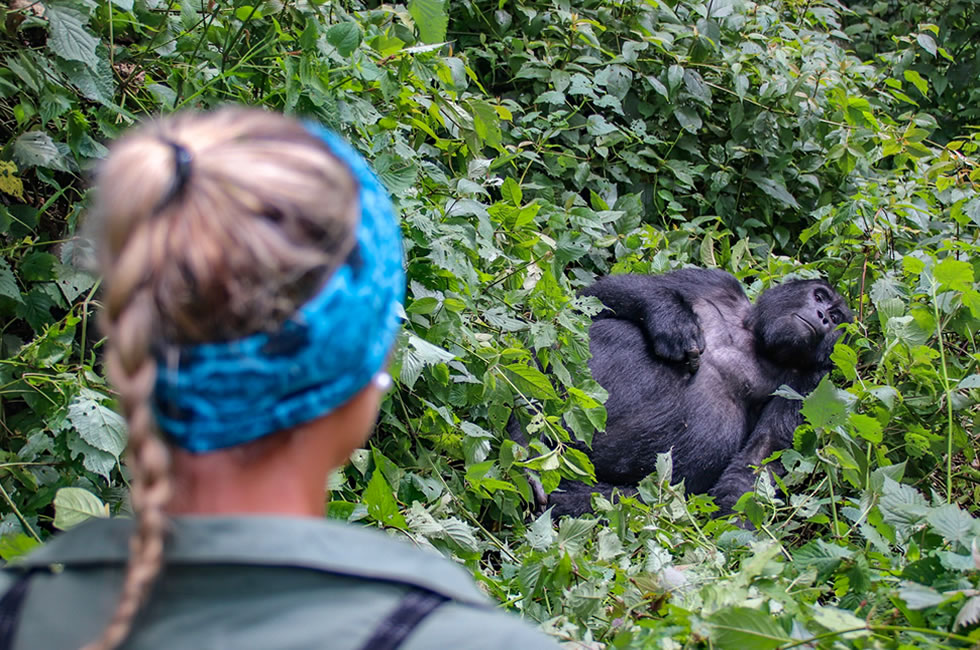
- Minimum age for trekking is 15 years old.
- Anyone with a cold, flu, or other contagious illness will be asked not to trek, for the gorillas' protection.
- Maintain the required distance from the gorillas at all times, as instructed by your ranger.
- No flash photography, and keep noise to a minimum.
- Do not eat, drink, or leave litter in the forest.
- Face masks may be required when in close proximity to the gorillas, depending on current park guidelines.
What to Pack for Gorilla Trekking
Beyond general safari packing, gorilla trekking has some specific gear needs: waterproof hiking boots, gardening or trekking gloves, a rain jacket, a daypack, and a reusable water bottle are the essentials. For the complete list, see our guide: What to Pack for a Safari in Uganda
Combining Gorilla Trekking with the Rest of Your Trip
Most travelers don't come to Uganda purely for gorilla trekking — it's usually the centerpiece of a broader itinerary. Bwindi pairs naturally with Queen Elizabeth National Park for savanna game drives, and with Kibale Forest for chimpanzee tracking, both reachable by road in a few hours. Travelers entering or exiting via Rwanda often combine a Rushaga or Nkuringo trek with Kigali and Volcanoes National Park on the Rwandan side. For a full first-timer overview of how to structure a trip around gorilla trekking, see our guide: Uganda Safaris: The Complete Guide for First-Time Visitors
Ready to Book Your Gorilla Trek?
Choosing the right sector, securing your permit early, and getting the logistics right around it are what separate a smooth gorilla trekking trip from a stressful one. We handle the full process — permit booking, sector selection, lodge matching, and transport — so you can focus on the moment you're actually here for.
To book a gorilla trekking tour in Uganda this season, simply contact us now by sending an email to info@ugandasafaribookings.com or call +256-700135510.