
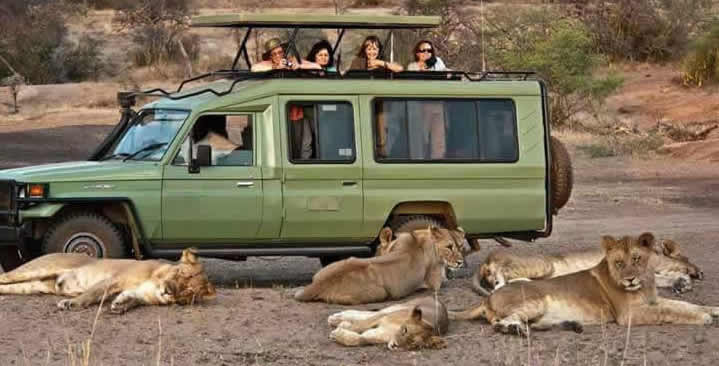
Uganda is often called the more affordable side of East African safari, but "affordable" is relative. A budget self-drive trip and a luxury gorilla-and-lodge itinerary can differ by thousands of dollars per person — and most of that gap comes down to a handful of line items: permits, accommodation, and transport.
This guide breaks down exactly where your money goes on a Uganda safari in 2026, so you can build a realistic budget before you start booking.
Quick Answer
For a foreign non-resident traveler in 2026, expect to pay roughly:
- Budget safari: $150–$250 per person, per day (excluding permits)
- Mid-range safari: $250–$450 per person, per day
- Luxury safari: $500–$900+ per person, per day
Add gorilla or chimp trekking permits on top of these daily rates — they're priced separately and are usually the single biggest line item in the entire trip.
1. Gorilla Trekking Permits — The Big One
If gorilla trekking is on your itinerary, this is where your budget takes its biggest hit. Permits are issued directly by the Uganda Wildlife Authority (UWA) and the price is fixed regardless of which operator you book through.
As of 2026, the standard gorilla trekking permit for foreign non-residents runs around $800 per person during peak and shoulder season, covering one hour with a habituated gorilla family in Bwindi Impenetrable National Park or Mgahinga Gorilla National Park. Foreign residents pay a discounted rate, and East African citizens pay a separate local rate in shillings.
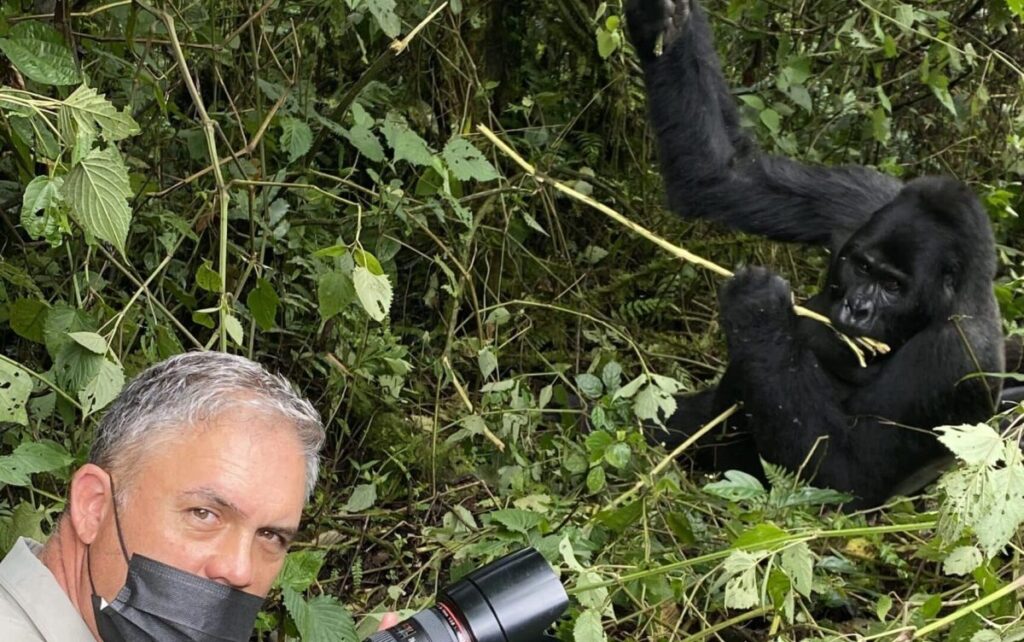
UWA has also introduced low-season discounts during the wetter months of April, May, and November, when permits typically drop by around $200. The trade-off: these discounted permits usually can't be rescheduled once booked, so you need to be confident in your travel dates before paying.
For travelers who want more than the standard one-hour trek, a gorilla habituation experience — spending up to four hours with a gorilla family still being habituated to human presence — costs significantly more, and is worth checking current rates for directly with your operator since this tariff is reviewed more frequently.
Booking tip: Gorilla permits sell out months ahead during peak season (June–September and December–February). Book 3–6 months in advance, and earlier if you're traveling as a group.
2. Chimpanzee Trekking Permits
Chimp trekking is the more budget-friendly primate experience. Prices vary significantly by park:
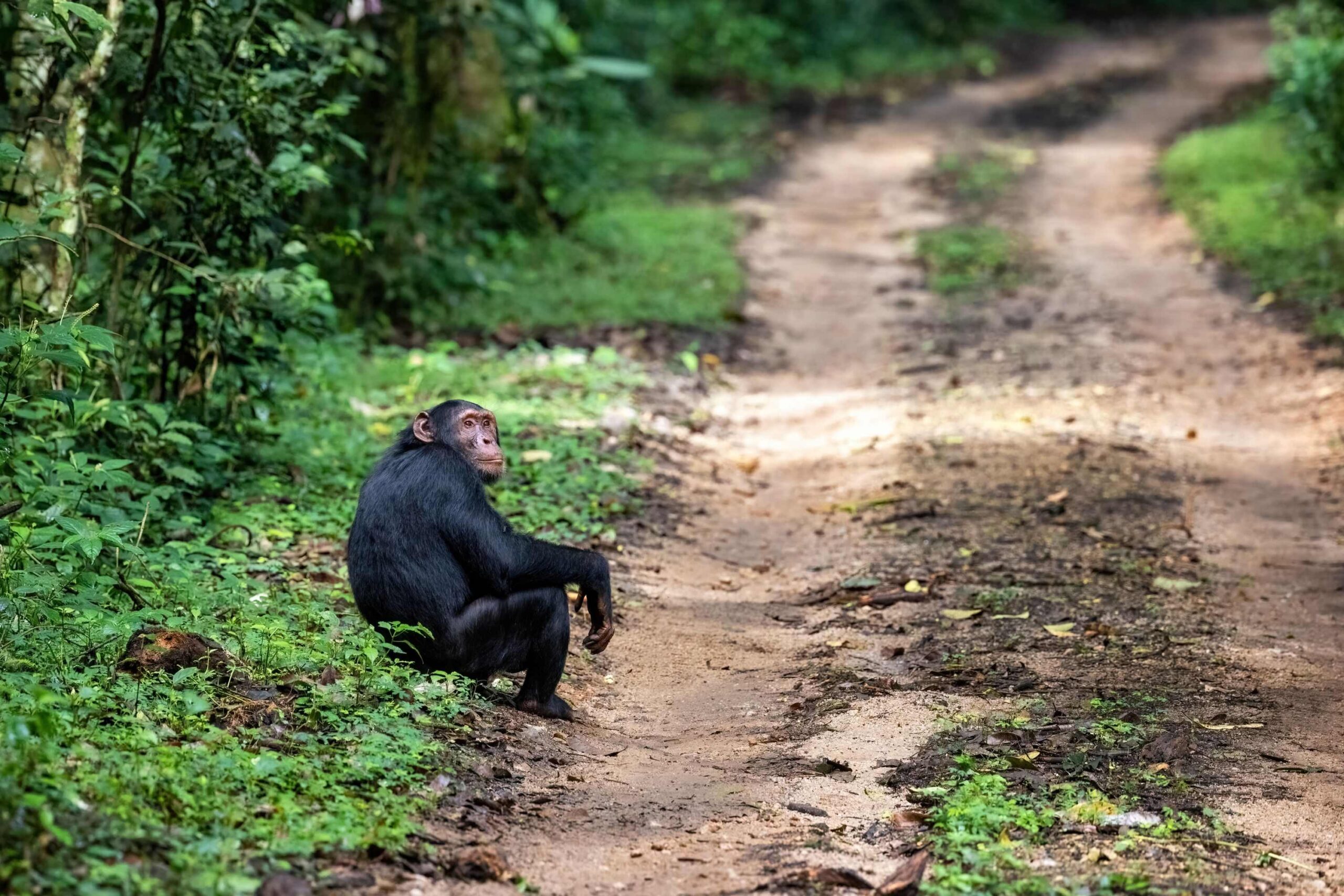
- Kibale Forest National Park (Uganda's premier chimp destination): the highest of the chimp permit prices, typically in the $250–$300 range for foreign non-residents.
- Kyambura Gorge (inside Queen Elizabeth National Park): noticeably cheaper, often around $100–$200.
- Budongo Forest and Kalinzu Forest: the most affordable chimp trekking options, generally well under $150.
Like gorilla permits, chimp permits also see low-season discounts in April, May, and November.
3. Park Entry Fees
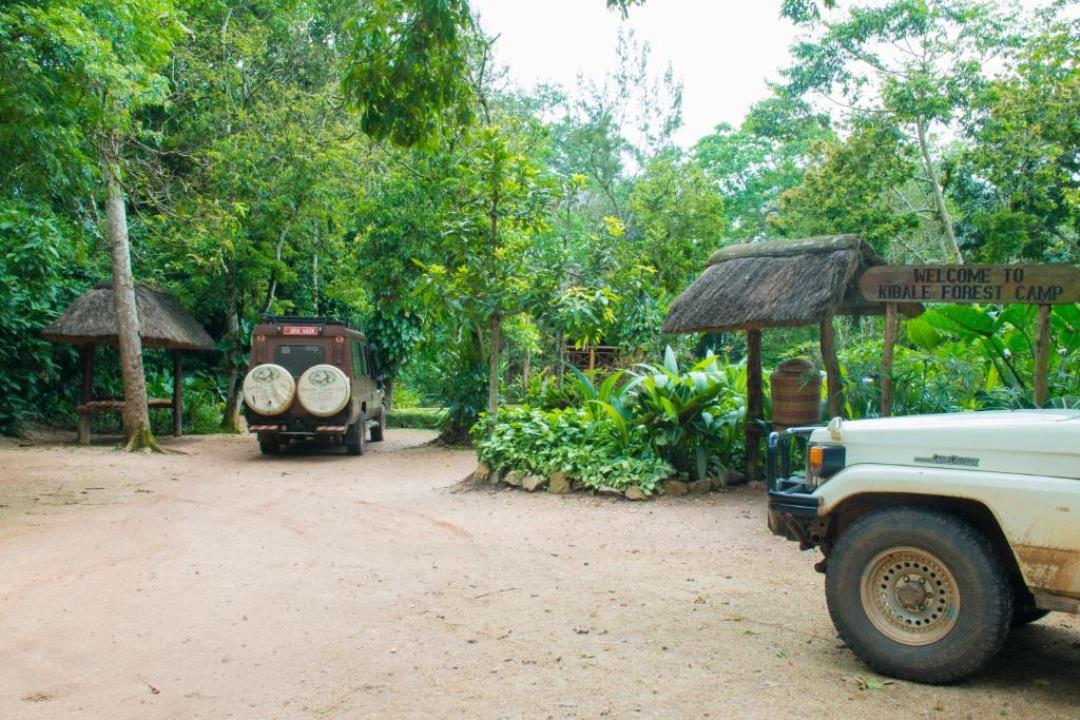
Beyond primate permits, Uganda's national parks charge separate daily entry fees — these apply to Queen Elizabeth, Murchison Falls, Kidepo Valley, Lake Mburo, and others, and cover game drives and general park access. These are usually quoted per 24-hour period and are typically bundled into your safari package quote rather than paid separately, so always confirm whether your itinerary price includes them.
4. Accommodation
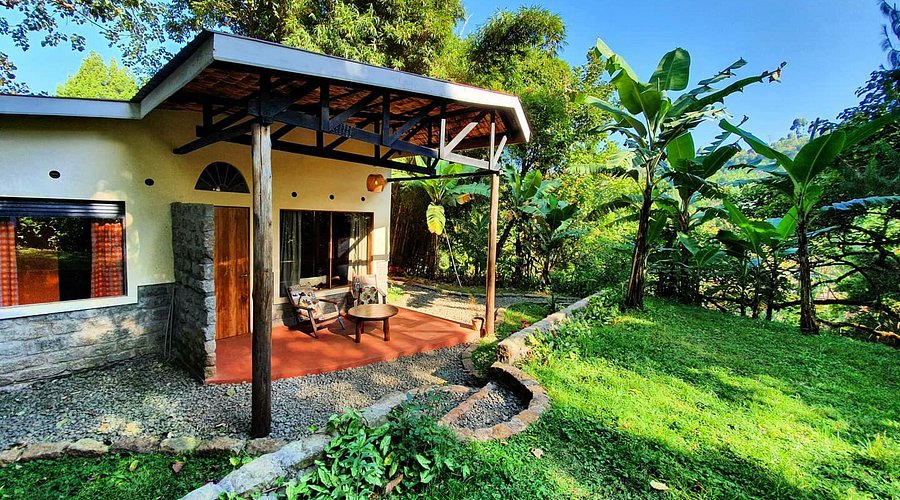
This is where your daily budget flexes the most, and Uganda genuinely spans the full range:
| Tier | Per-person, per night | What to expect |
|---|---|---|
| Budget/camping | $30–$80 | Basic guesthouses, campsites, simple bandas |
| Mid-range | $100–$250 | Comfortable lodges and tented camps, en-suite rooms, good food |
| Luxury | $300–$800+ | Premium safari lodges, private conservancies, top-tier service and views |
If lodging is a major part of your decision-making, it's worth browsing Uganda safari lodges directly to compare tiers by park and see what's realistically included at each price point.
5. Transport
How you move between parks has a real effect on your total cost, and it usually comes down to three options:
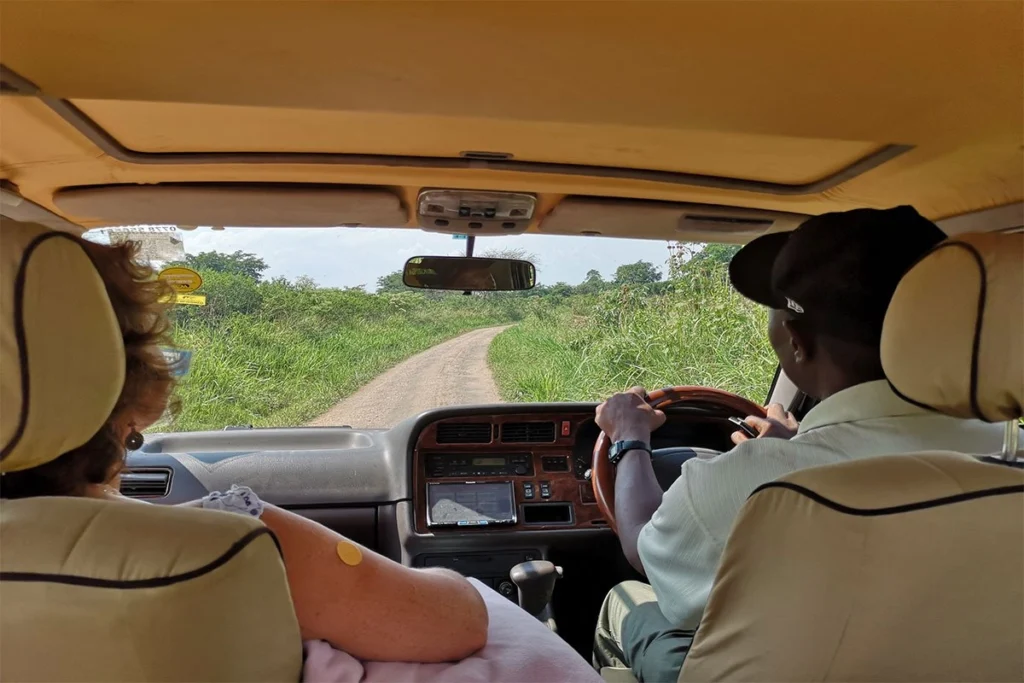
- Self-drive rental: the cheapest way to cover ground, starting around $50/day for a rugged 4x4 like a Toyota RAV4, up to $150–$200/day for a fully-kitted safari Land Cruiser with rooftop tent or pop-up roof.
- Driver-guided rental: a similar vehicle plus a driver-guide, priced higher but removing the navigation and logistics burden — often the better choice for first-time visitors on wildlife-heavy itineraries.
- Domestic flights: the fastest but most expensive option for covering long distances like Entebbe to Kidepo Valley, useful if you're short on time rather than budget.
Fuel, park-road wear, and insurance are usually priced into a rental quote upfront if you book properly, but always confirm this before you sign anything. If transport is your next planning step, you can compare the full Uganda car rental fleet and pricing by vehicle type, or look at specific options like the Toyota RAV4 for a lean self-drive budget, or a Safari Land Cruiser for a proper game-viewing setup.
6. Guides, Meals, and Extras
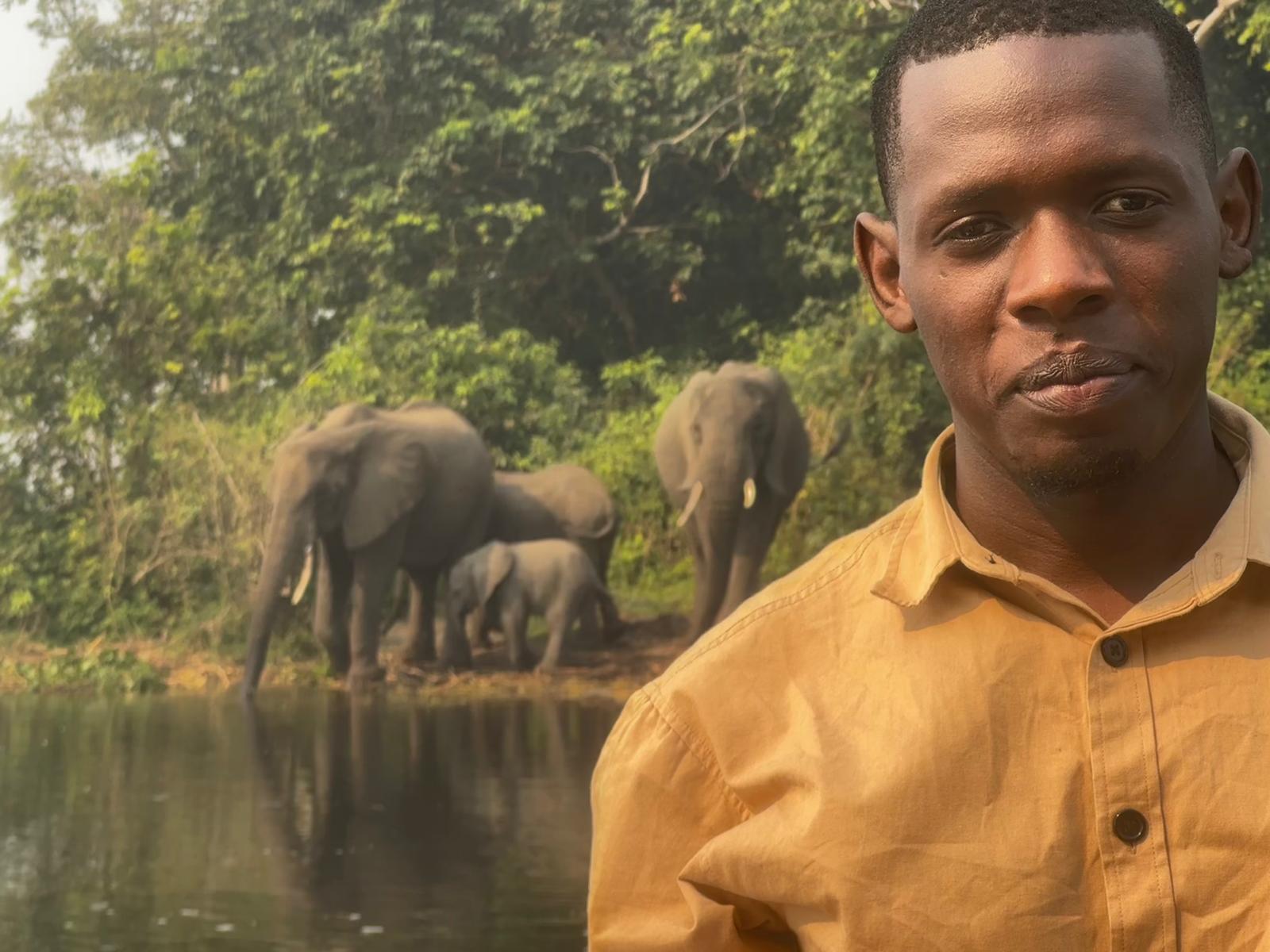
- Driver-guide fees (if not self-driving): typically bundled into your vehicle rental rate.
- Meals: often included at lodges on a full-board basis; budget separately if arranging your own.
- Tips and gratuities: not mandatory, but customary for driver-guides, ranger guides, and porters — a common rule of thumb is $10–$20 per day for a driver-guide and a smaller amount for porters on trekking days.
- Porters on gorilla/chimp treks: optional but strongly recommended, usually $10–$20 per trek, and it directly supports local communities.
- Visa: most nationalities need an East Africa Tourist Visa or single-entry Uganda visa, an additional cost to factor in separately from your safari budget.
Sample Total Costs by Trip Type
Budget primate + wildlife trip (7 days, self-drive, no gorilla trekking): Vehicle rental + budget lodging + park fees + meals ≈ $1,200–$2,000 per person
Mid-range gorilla + wildlife safari (7–8 days, driver-guided, one gorilla permit): Gorilla permit + mid-range lodging + driver-guided vehicle + park fees ≈ $2,800–$4,500 per person
Luxury gorilla + primate + wildlife safari (10 days, premium lodges, gorilla + chimp permits): Permits + luxury lodging + private driver-guide + flights between parks ≈ $6,000–$10,000+ per person
These ranges will shift depending on group size (per-person transport costs drop sharply when shared), season, and how many parks you're covering.
How to Keep Costs Down Without Cutting the Experience
- Travel in low season (April, May, November) for discounted gorilla and chimp permits — just be prepared for wetter roads and non-reschedulable permits.
- Self-drive instead of driver-guided if you're an experienced traveler comfortable with dirt roads — it's the single biggest transport saving.
- Choose one primate experience, not both, if budget is tight — gorilla trekking is the pricier of the two by a wide margin.
- Travel in a group to split vehicle and driver-guide costs across more people.
- Mix accommodation tiers — splurge on a luxury lodge for your gorilla trekking base, and go mid-range or budget everywhere else.
Final Word
Gorilla permits are non-negotiable and fixed by the government, but almost everything else on a Uganda safari — your vehicle, your lodging, your pace — is flexible. That flexibility is exactly why Uganda works for both shoestring self-drive trips and fully luxury itineraries on the same map.
Ready to build your itinerary and get a real quote? Contact us now by sending an email to info@ugandasafaribookings.com or calling us on +256-700135510.
Permit prices are set and revised by the Uganda Wildlife Authority and are subject to change — always confirm current rates with your operator before booking.