
See Gorillas, Big Game, and the Nile — Without the Luxury Price Tag
A Uganda safari doesn't have to mean $500-a-night lodges and private charter flights. With the right mix of self-drive transport, budget lodges and campsites, and a well-planned route, you can track mountain gorillas, spot lions and elephants, and cruise the Nile for a fraction of the cost of a luxury itinerary — without cutting corners on safety or comfort.
At Uganda Safari Bookings, we build budget safaris in Uganda around three things: affordable but reliable transport, honest accommodation choices, and routes that don't waste your money on unnecessary distance. Here's what a budget safari in Uganda actually looks like, what it costs, and how to plan one that still delivers the trip you came for.
What "Budget" Really Means in Uganda
Budget doesn't mean rough. It means being deliberate about where your money goes:
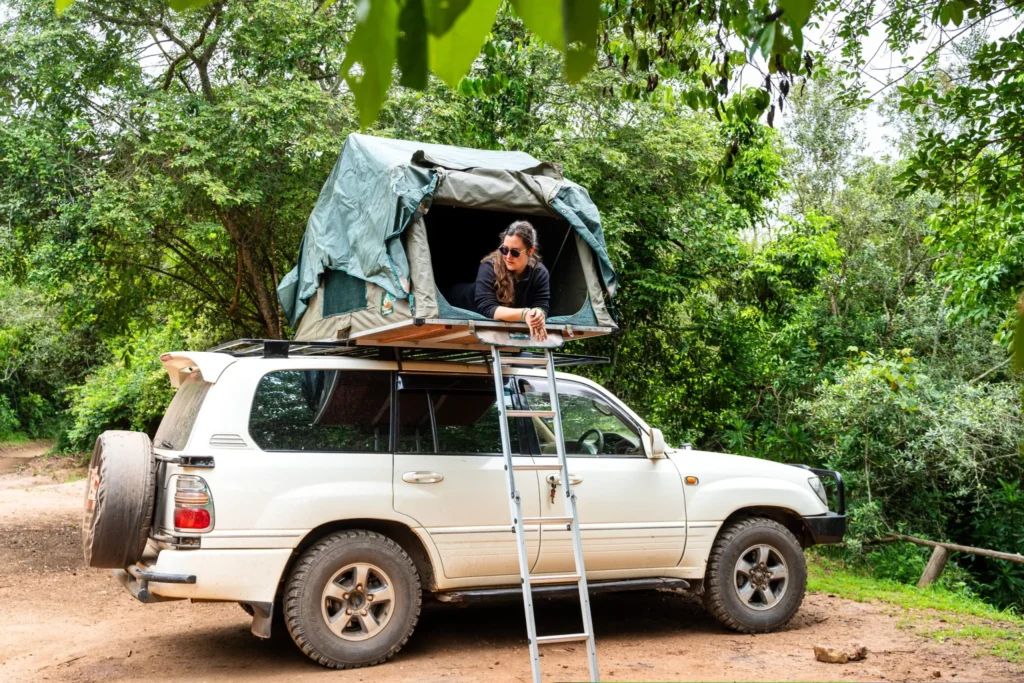
- Self-drive instead of a driver-guide, when you're a confident traveler
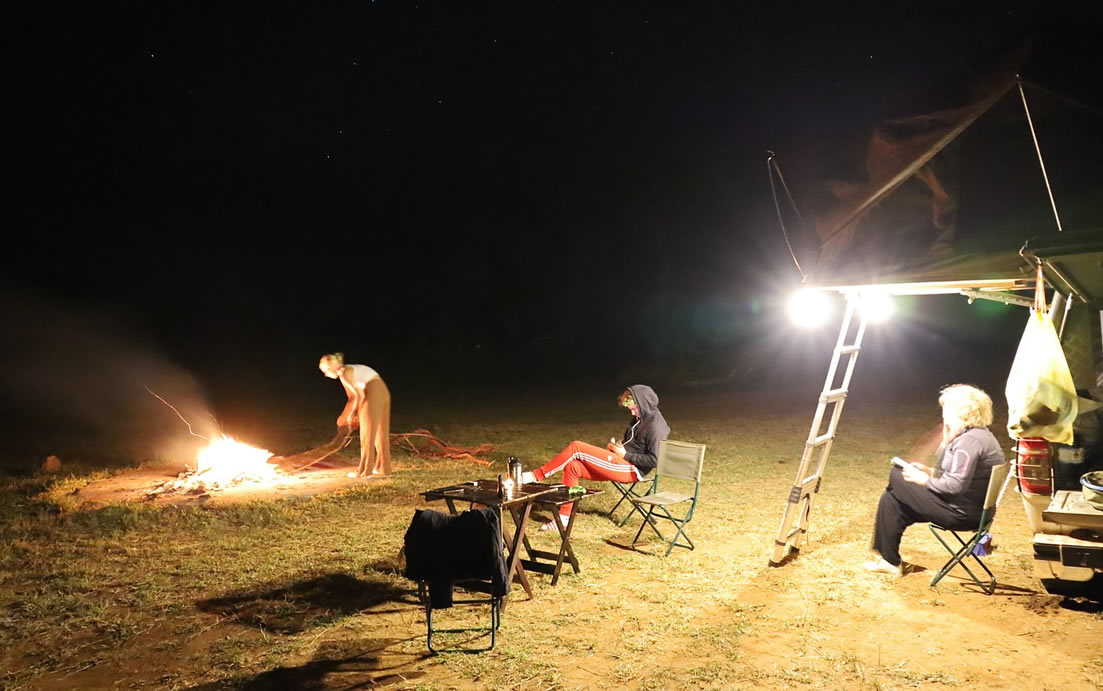
- Guesthouses, campsites, and simple bandas instead of premium lodges
- A tighter, smarter route instead of criss-crossing the country
- One primate permit instead of two, if your budget is genuinely tight
- Group travel to split vehicle and guide costs across more people
None of this affects the wildlife, the parks, or the gorillas themselves — a budget trekking permit gets you the same hour with the same habituated gorilla family as a luxury one. The difference is entirely in how you travel and where you sleep.
What a Budget Safari Costs
As a rough guide for 2026, a budget-focused Uganda itinerary (excluding gorilla permits) runs $150–$250 per person, per day, covering a self-drive vehicle, budget accommodation, park fees, and meals. Add a gorilla trekking permit — currently around $600–$800 depending on season — if that's part of your plan.
A realistic 7-day budget safari, self-drive, covering one or two parks plus gorilla trekking, typically lands between $1,200 and $2,000 per person, with meaningful savings if you're traveling as a pair or small group and splitting vehicle costs.
Traveling in the low season (April, May, November) stretches your budget further still — gorilla and chimp permits both drop by roughly $200 during these months, in exchange for wetter roads and non-reschedulable dates.
Getting Around on a Budget
Transport is usually the second-biggest line item after permits, and it's also where budget travelers have the most control.
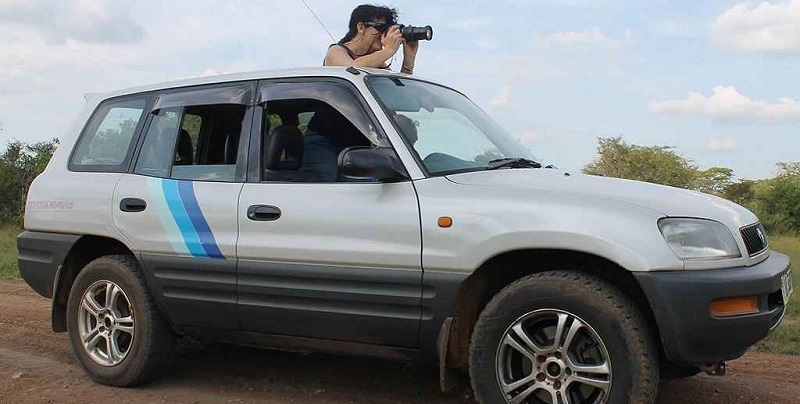
Self-driving is the single biggest saving available on a Uganda safari. Renting a rugged 4x4 and driving yourself — rather than adding a driver-guide — can cut your transport cost significantly, and Uganda's tarmac highways make the drive between towns straightforward. Inside the parks, murram roads mean a proper 4x4 is essential regardless of your budget, but you don't need the most expensive vehicle in the fleet to handle them.
For budget self-drive trips, a Toyota RAV4 is the practical starting point — capable on dirt roads, easy to drive, and priced for exactly this kind of trip. Larger groups traveling together can also look at a safari van, which keeps everyone in one vehicle and splits the daily rate across more people.
Every rental through us includes comprehensive insurance, unlimited mileage, and 24/7 roadside support as standard — none of that gets stripped out just because you've picked a budget vehicle. You can compare the full range on our Uganda car rental page.
Where to Stay
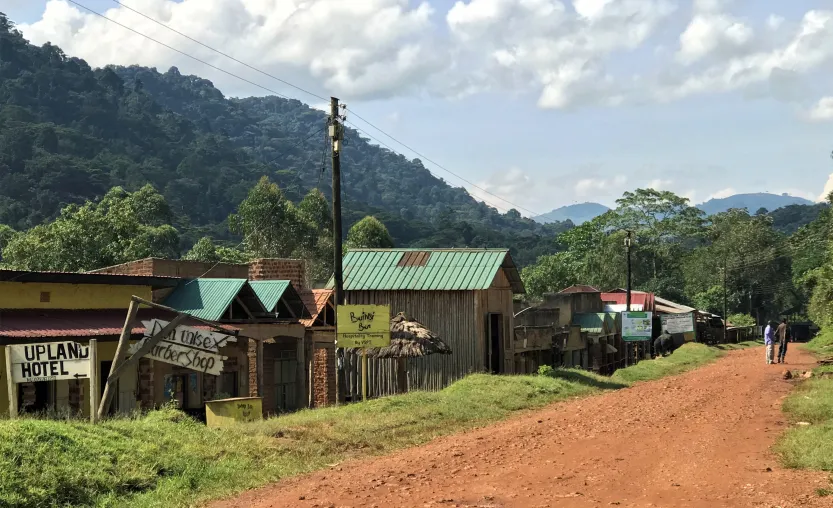
Budget accommodation in Uganda ranges from simple guesthouses in town to basic bandas and campsites right at the park edge — often with the same wildlife views as the lodge next door charging five times the price. Expect to pay roughly $30–$80 per person, per night for solid budget options with a proper bed, a mosquito net, and decent food.
If you'd rather splurge in one or two places and go budget everywhere else, that works too — many travelers put their only "upgrade" night at their gorilla trekking base, and keep everything else simple. Browse options by park on our safari lodges page to see what fits your route and budget.
Sample Budget Route: 7 Days, Self-Drive
A route we build often for budget travelers:
- Days 1–2: Entebbe to Bwindi Impenetrable Forest — self-drive with an overnight stop en route, gorilla trekking on day 2 or 3
- Day 3: Gorilla trekking day, budget lodge near the park
- Days 4–5: Bwindi to Queen Elizabeth National Park — game drives, optional boat cruise on the Kazinga Channel
- Days 6–7: Queen Elizabeth back to Entebbe, with a stop at a crater lake or tea estate along the way
This route keeps driving distances realistic, avoids unnecessary backtracking, and covers gorillas, big game, and classic Uganda scenery in a single, affordable loop.
Should You Add a Driver-Guide Anyway?
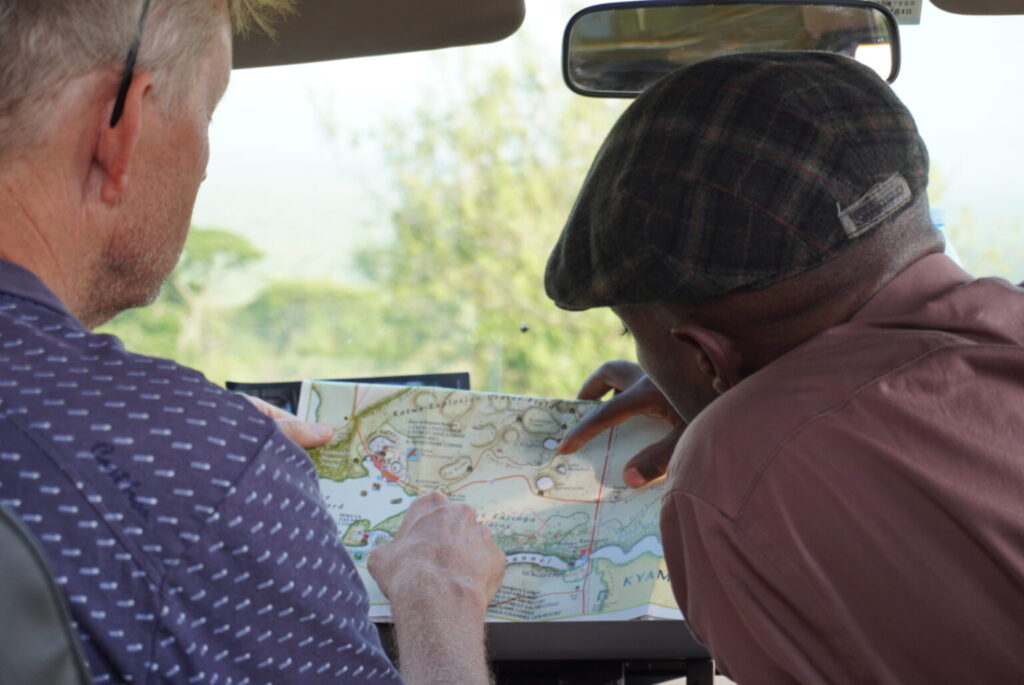
Even on a budget trip, it's worth weighing this honestly. A driver-guide costs more, but for first-time visitors it often pays for itself in smoother park navigation, fewer wrong turns on unmarked murram roads, and better wildlife spotting — driver-guides routinely notice animals that self-drivers miss entirely. If you're new to Uganda, budgeting for a driver-guide on just the park-heavy days of your trip — and self-driving the rest — is a middle ground worth considering.
Budget Safari FAQs
Can I really see gorillas on a budget safari? Yes. The gorilla permit price is fixed by the Uganda Wildlife Authority regardless of your accommodation or transport choice — you get the same trek and the same hour with the gorillas whether you're staying in a $50 guesthouse or a $500 lodge.
Is self-driving safe for a budget traveler with no Africa driving experience? Uganda's highways are well maintained, but park roads are dirt and can be challenging in the rain. If you're not confident on unfamiliar dirt roads, adding a driver-guide for the park sections of your trip is a reasonable compromise.
What's the cheapest time of year to do a Uganda safari? April, May, and November — the low season — when gorilla and chimp permits are discounted and lodges often drop their rates too. Roads are wetter, but the parks are quieter and the forests are lush.
Do I need to choose between gorillas and chimps to stay on budget? Not necessarily, but it's the easiest way to cut cost if needed — gorilla trekking is significantly more expensive than chimp trekking, so dropping it (or choosing a cheaper chimp trekking site like Kyambura Gorge or Budongo Forest) is a straightforward way to bring your total down.
Can a group split costs to travel cheaper? Yes — vehicle rental and driver-guide fees are priced per vehicle, not per person, so a group of 3–4 sharing a safari van will pay significantly less per person than solo travelers in separate cars.
Start Planning Your Budget Safari
Tell us your dates, group size, and what you want to see — gorillas, big game, the Nile, or all three — and we'll build a route and vehicle recommendation that fits your budget honestly, with no inflated quote and no hidden extras.
Contact us now by emailing info@ugandasafaribookings.com or calling +256-700-135510.