
Kampala sprawls across seven hills on the northern shore of Lake Victoria, and it wastes no time announcing itself: boda-boda motorcycles weave through packed streets, the scent of grilled meat and rolex—Uganda's beloved chapati-and-egg wrap—drifts from roadside stalls, and the hum of Luganda, English, and several other languages fills the air. Kampala is affectionately called part of the Pearl of Africa, and things to do in Kampala reveal a mix of cultures, from the royal calm of Mengo to the commercial chaos of downtown's taxi parks, with each area carrying its own rhythm. Whether you have a single day in Kampala before Bwindi's gorillas or a full week to settle in, here is a guide to the best things to do in Kampala during your visit in 2026.
Dive Into Buganda History and Royal Heritage
Kampala's identity is inseparable from the Buganda Kingdom, one of the oldest and most influential monarchies in East Africa, and several of the city's most meaningful sites trace back to it.
Kasubi Tombs is the obvious starting point. This UNESCO World Heritage Site on Kasubi Hill is the burial ground of four Buganda kings, and its centerpiece — the Muzibu Azaala Mpanga — is a soaring domed structure built almost entirely from organic materials like reed, wood, and thatch. It's a rare chance to see a living royal and spiritual site rather than a roped-off museum piece.
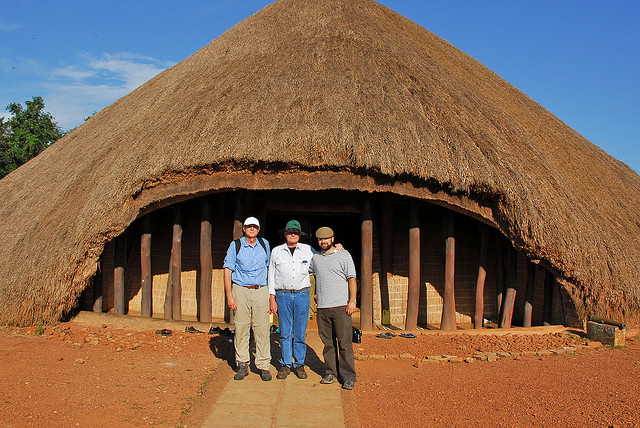
Nearby, the Buganda Parliament (Bulange) and the Kabaka's Palace in Mengo round out a half-day cultural circuit often called the Buganda Trail. Walking the Royal Mile — the road connecting the palace to the parliament — gives a sense of how central the kingdom remains to daily life in the city, even though Uganda is a republic. The palace grounds also hold a somber footnote to more recent history: torture chambers built during Idi Amin's rule, which guides on-site explain in unflinching detail.
For a broader overview before or after these sites, the Uganda National Museum — the country's oldest museum — houses collections of traditional instruments, tools, and an exhibition covering the Amin era, making it a useful anchor point for understanding the country's more difficult chapters alongside its cultural richness.
Explore the City's Markets and Street Life
No Kampala city tour is complete without wading into its markets, which are as much sensory experience as shopping trip.
Owino Market (officially St. Balikuddembe Market) is one of the largest open-air markets in East Africa, a maze of stalls selling everything from secondhand clothing to fresh produce and fabric. Nakasero Market is smaller and more manageable, known for fruit, vegetables, spices, and a more relaxed pace — mid-morning is typically recommended for the best light and liveliest atmosphere if you're taking photos.
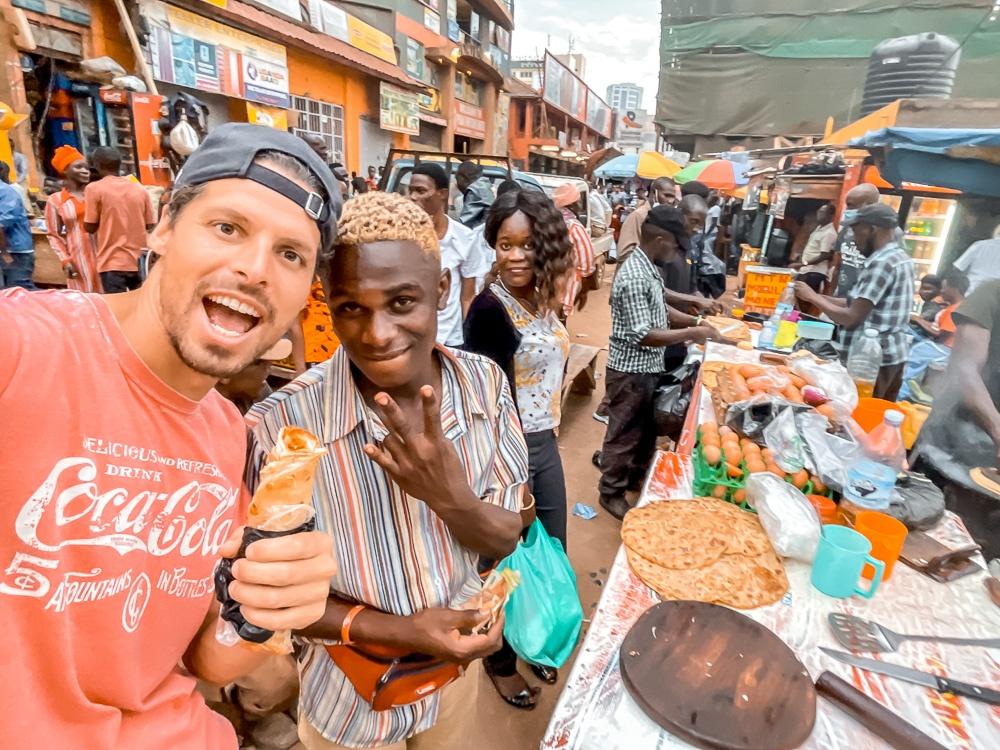
Just as iconic, in a very different way, is the Old Taxi Park downtown — reputedly the oldest and largest transit terminal in the city. It's less a tourist attraction than a genuine slice of Kampala's daily chaos: minibus taxis packed in seemingly impossible configurations, vendors squeezing between them, and a constant flow of commuters. Many visitors join a guided downtown walking tour specifically to experience this kind of urban energy safely, since navigating it solo can be disorienting.
Experience Ugandan Music, Dance, and Art
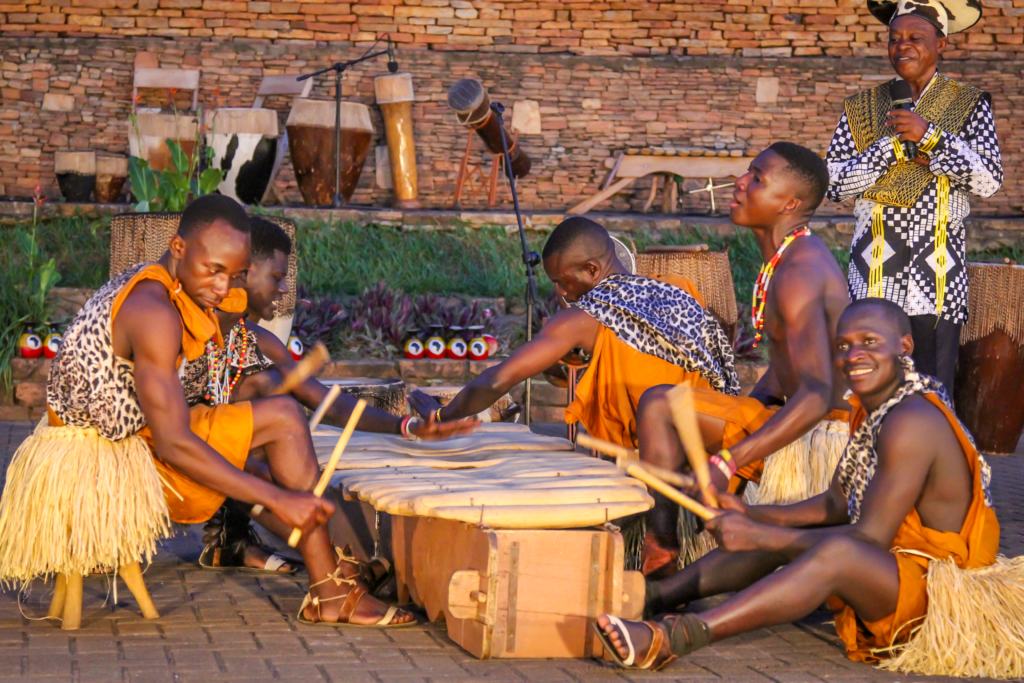
For a night that captures Uganda's cultural diversity in one sitting, the Ndere Cultural Centre is consistently ranked among the city's top experiences. Professional performers stage dances, music, and traditions drawn from Uganda's many ethnic groups in a lively evening show that's equal parts education and entertainment.
Art lovers should carve out time for Kampala's gallery scene, including the Makerere University Art Gallery, a hub for contemporary Ugandan artists connected to the country's leading university, and independent spaces like Afriart Gallery, which showcases contemporary African art more broadly. Film fans with a taste for the offbeat can also visit Wakaliwood, the Wakaliga neighborhood studio famous for its ultra-low-budget, high-energy action films — often paired with a Buganda cultural tour.
Visit Kampala's Landmark Places of Worship
Kampala's skyline and hillsides are dotted with striking religious architecture reflecting the country's mix of faiths.
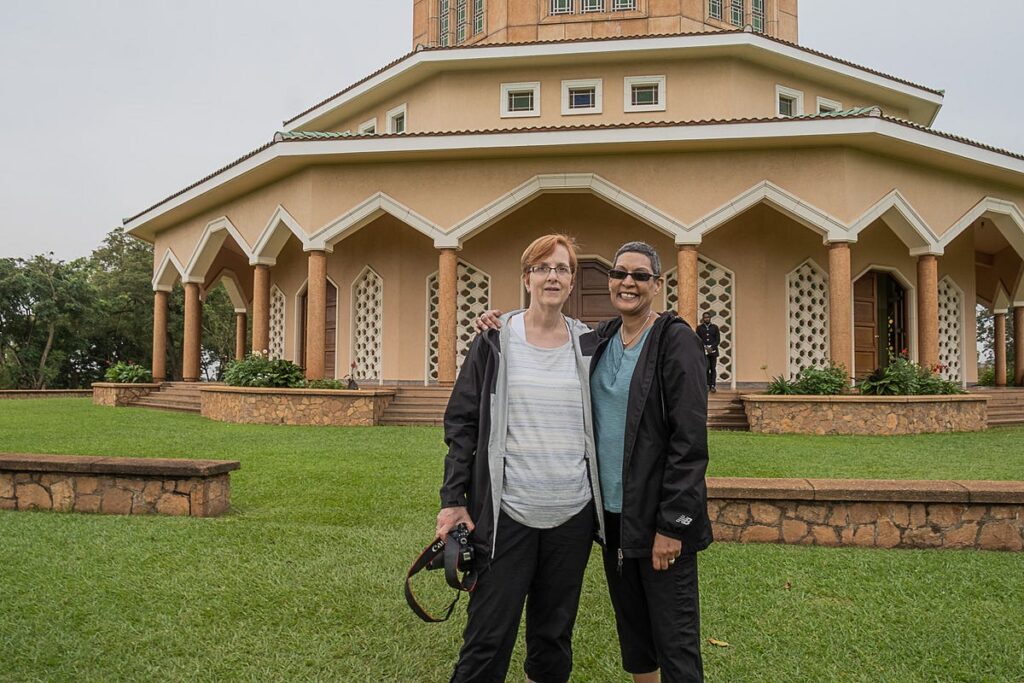
The Uganda National Mosque, widely known as the Gaddafi Mosque after the Libyan leader who funded its construction, blends Arab, European, and African design elements and offers panoramic views of the city from its minaret. Namirembe Cathedral, perched on one of Kampala's seven hills, is an architectural landmark in its own right and a good vantage point for sweeping city views. The Baha'i House of Worship, one of only a handful of Baha'i temples in the world, sits on a quiet hillside outside the city center and draws visitors of all backgrounds looking for a peaceful, contemplative stop.
Unwind by Lake Victoria and in Green Spaces
Kampala's energy is relentless, so locals and visitors alike lean on the city's pockets of calm. Lake Victoria, the world's largest tropical lake and the source of the Nile, is within easy reach for a boat ride, lakeside meal, or sunset view — a natural counterpoint to the city's density. Families often head to Kampala Children's Park for a safe, low-key outdoor space, while golf enthusiasts can play a round at the Uganda Golf Course, one of the city's more unexpected highly rated attractions.
For those with extra time, day trips from Kampala are easy to arrange: Mabamba Swamp near Entebbe is one of the best places in the world to spot the rare and prehistoric-looking shoebill stork, and the town of Jinja, on the shores of Lake Victoria, is a popular add-on for travelers interested in the source of the Nile and white-water rafting.
Get Your Adrenaline Fix: Adventure Sports Around Kampala
Kampala isn't just temples and markets — the greater metro area has quietly built up a solid lineup of adventure activities for travelers who want their heart rate up.
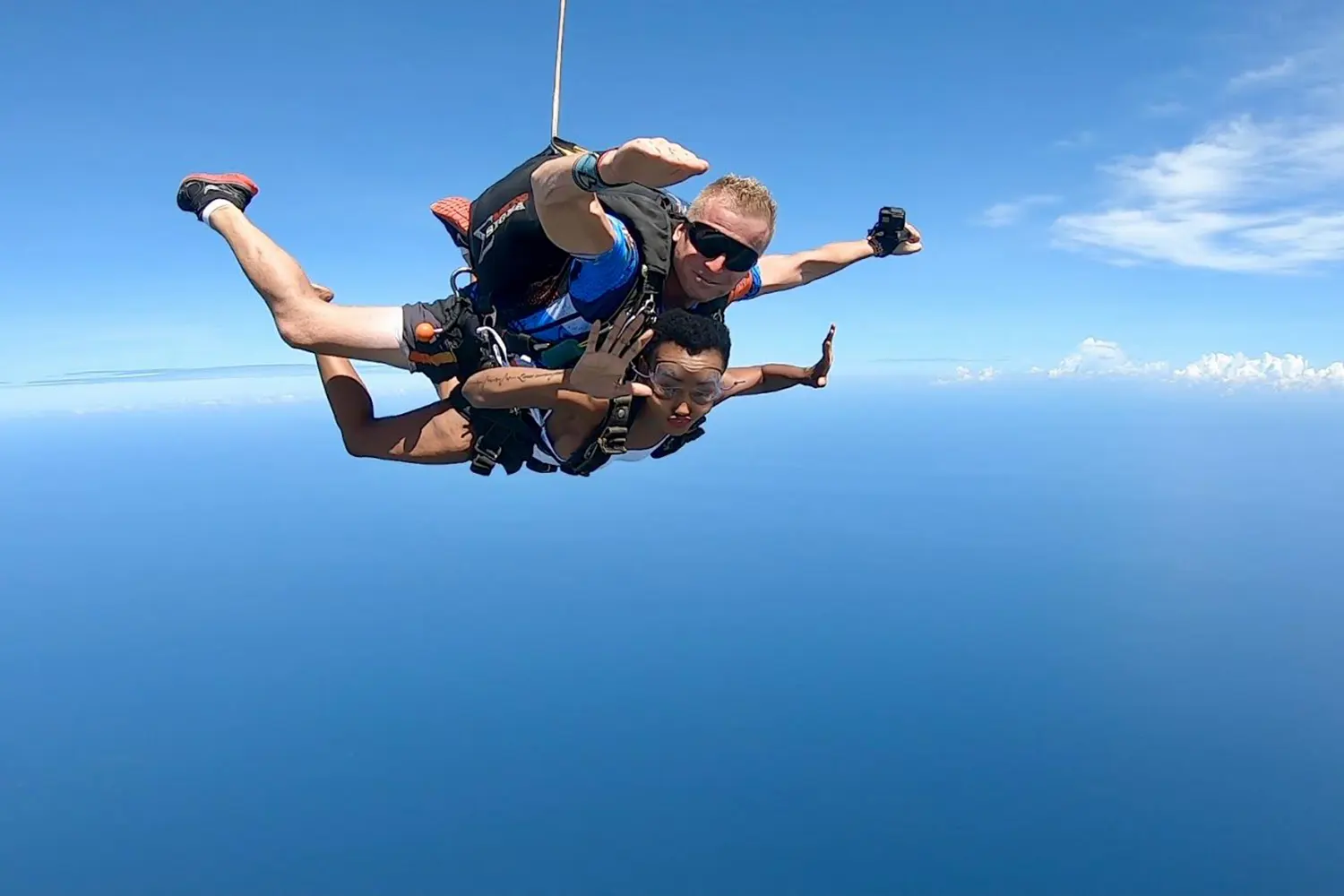
For the ultimate rush, Skydive Uganda operates tandem jumps out of Kajjansi Airfield, just south of the city near Entebbe Road. First-timers jump strapped to a certified tandem instructor from altitudes of 10,000 to 14,000 feet, befalling before the parachute opens for a scenic glide back down over the green hills and wetlands surrounding Kampala. It runs year-round, weather permitting, and add-ons like professional photo and video packages are available if you want proof for the group chat.
Closer to the ground but no less thrilling, Lubowa Karting sits on a hillside near the Kajjansi roundabout, roughly between Entebbe Airport and downtown Kampala. Its winding 370-meter track lets racers hit speeds up to 50 km/h in high-performance karts, with full safety briefings, sized helmets, and a small trackside café for spectators — making it a popular pick for both first-time drivers and competitive groups chasing lap times.
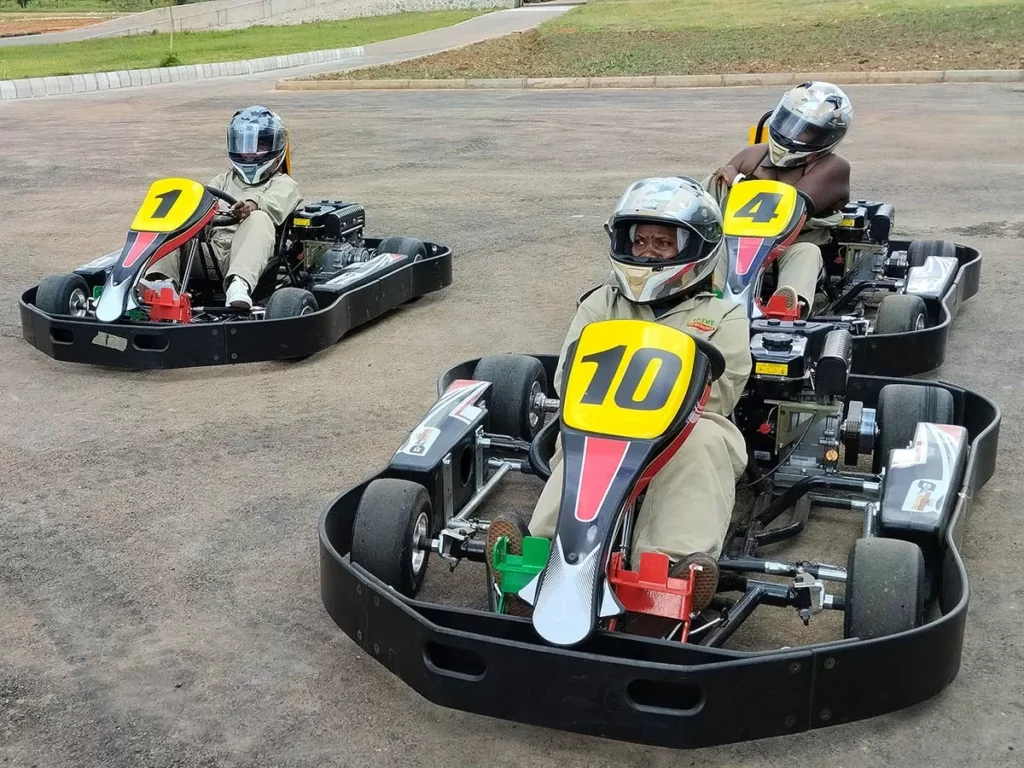
For a full day of mixed adrenaline, head about 40 kilometers north of the city center to Extreme Adventure Park in Busika, the largest adventure park of its kind in Uganda. Alongside its own go-karting track, the park offers high-rope obstacle courses, ziplines, quad biking, paintball, bungee trampolines, archery, and target shooting — plus a helicopter-assisted tandem skydive option for those who want the jump experience with an aerial sightseeing tour built in. It's a favorite for corporate team-building days, birthdays, and weekend getaways, and there's on-site accommodation if you want to turn it into an overnight trip.
If your itinerary stretches to nearby Jinja, you can round out the adventure sports circuit with white-water rafting on the Nile, bungee jumping over the river gorge, and quad biking through the surrounding countryside — all easy add-ons for travelers basing themselves in Kampala
Eat, Drink, and Experience Kampala's Nightlife
Food in Kampala is an experience in itself. Start with rolex from a busy roadside stand — busy stalls generally mean fresher, safer food — and branch out into Ugandan staples like matoke (steamed plantain), luwombo (stewed meat in banana leaves), and fresh tropical fruit. Several operators now run hands-on Ugandan cooking classes for visitors who want to learn the techniques rather than just eat the results.
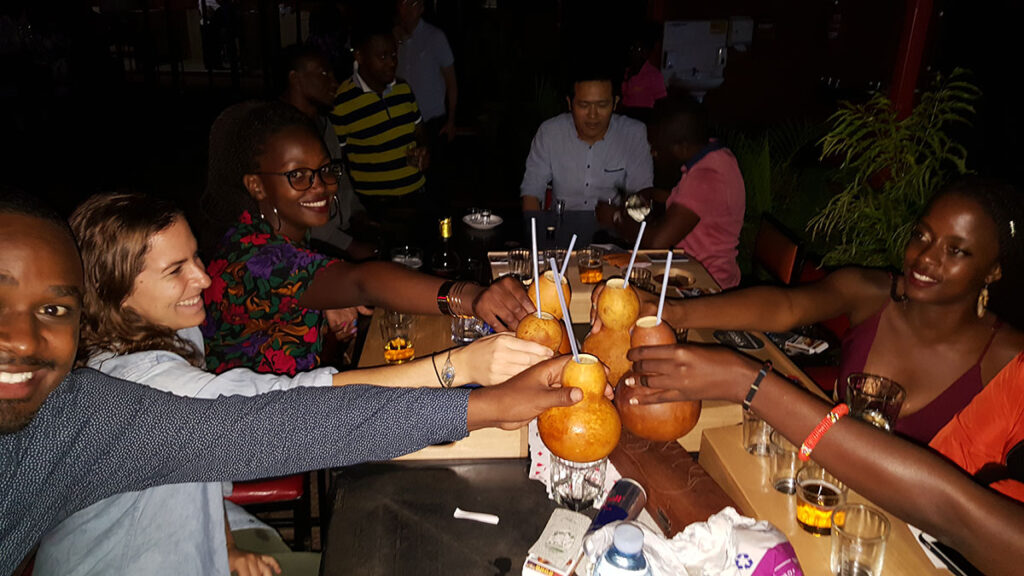
When the sun goes down, Kampala's reputation for nightlife kicks in. The city has a dense concentration of bars, pubs, and live-music venues, particularly around Kabalagala and the city center, making it easy to find everything from laid-back rooftop lounges to late-night dance clubs.
Get Around by Boda-Boda — Carefully
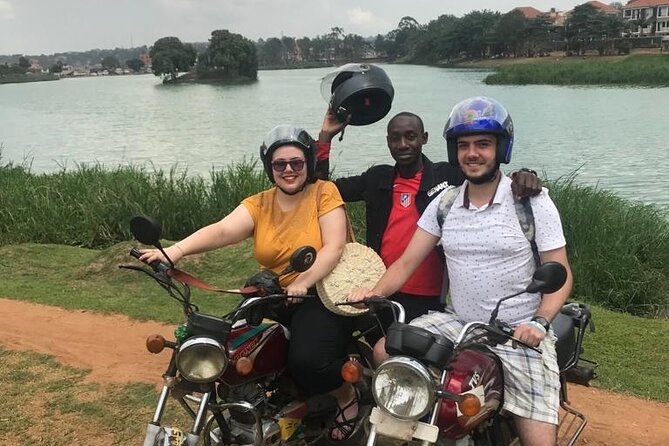
The boda-boda (motorcycle taxi) is Kampala's defining mode of transport and, for many visitors, an attraction in its own right. Guided boda-boda tours let you cover more ground than walking while getting an insider's view of the city's neighborhoods. If you're riding independently, always ask for a helmet, agree on a price before setting off, and stick to riders recommended by your hotel or a tour operator.
When to Visit and What to Know Before You Go
Kampala has a tropical climate with two dry seasons, roughly December to February and June to August, which are generally considered the best times to visit for comfortable sightseeing. If your trip lines up with September or October, you may catch the Bayimba International Festival, the Nyege Nyege Festival, or the Kampala City Festival — all of which fill the city with extra music, art, and street energy.
A few practical notes:
- Money: Ugandan Shillings are the standard currency; carry small denominations for markets and boda-bodas, since ATMs can run low on weekends.
- Dress and etiquette: Dress modestly at religious and rural sites, greet people with a handshake, and ask permission before photographing individuals, especially in markets.
- Food and water: Stick to bottled or boiled water, and favor busy street stalls where turnover is high.
- Getting oriented: Many of Kampala's key sights — the museum, cultural centre, and central markets — are close enough together that a guided walking tour is one of the most efficient ways to see several in a single day.
Final Thoughts
Kampala rewards visitors who are willing to embrace a bit of chaos alongside the calm. In a few days you can move from the solemn grounds of a royal tomb to the sensory overload of a downtown market, from a quiet lakeside sunset to a pounding dance floor — often all in the same 24 hours. It's a city built on contrasts, and that's exactly what makes it worth exploring slowly, on foot, boda-boda, or however you choose to take it in.
Ready to experience Kampala for yourself? Whether you're drawn to one activity or want to combine several into a custom itinerary, we'd love to help you plan it. Get in touch with us by sending an email to info@ugandasafaribookings.com or call +256-700-135510, and let's start planning your Kampala adventure.