
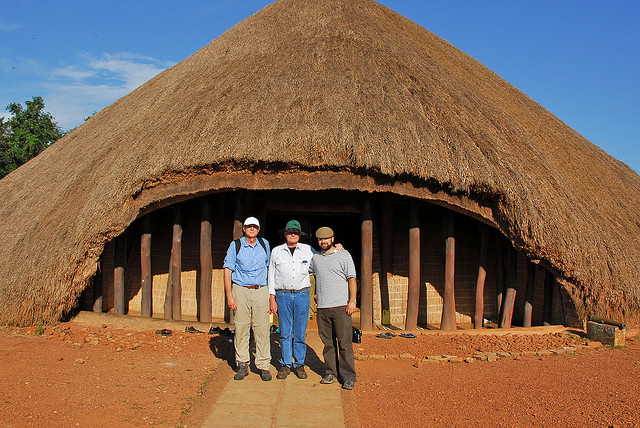
On a quiet hilltop five kilometers northwest of downtown Kampala, past the roar of boda-bodas and the sprawl of Nakulabye's markets, a wooden gate opens onto a different pace of time. Beyond it, a vast thatched dome rises out of the grass like something grown rather than built. This is Muzibu Azaala Mpanga, the heart of the Kasubi Tombs — and it is not a ruin, not a museum piece behind glass, but a living shrine where four kings of Buganda still rest, and where their descendants still come to kneel.
Most travel guides describe Kasubi Tombs as a checklist stop: UNESCO site, burial ground, half-hour visit. That undersells it. Kasubi is one of the only places in East Africa where you can watch a centuries-old monarchy still actively practicing its rites on the same ground where its kings are buried — and where a national tragedy was rebuilt, almost log by log, into something that now stands stronger than before.
From Royal Palace to Royal Grave
The story of Kasubi begins not with death, but with power. In 1882, Kabaka Muteesa I — the 30th king of Buganda and by then the most influential ruler in the Great Lakes region — built his palace on this hill. Buganda at the time was the dominant kingdom in what is now Uganda, and its Kabaka's compound functioned as the political and spiritual nerve center of the state.
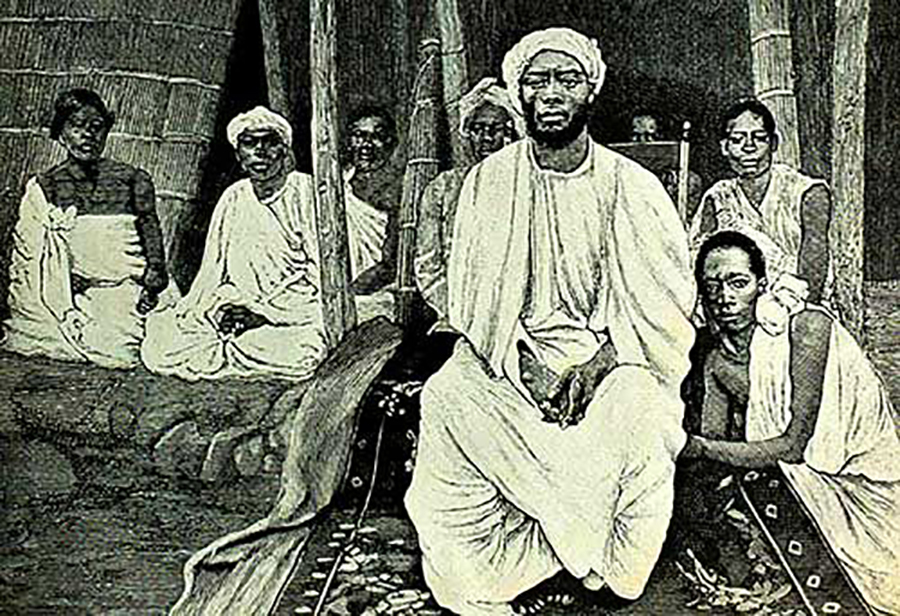
When Muteesa I died in 1884, tradition dictated that a Kabaka's palace be converted into his burial site upon his death. Kasubi became his tomb — and then, over the following century, the tomb of three more kings who chose to break with older custom and be laid to rest at Kasubi rather than build new palace-tombs of their own. Together, the four kabakas buried within Muzibu Azaala Mpanga trace nearly ninety years of Buganda's, and Uganda's, turbulent modern history:
- Muteesa I (r. 1856–1884) — the palace's original owner, whose reign coincided with the arrival of European explorers, missionaries, and the early contest for influence over Buganda.
- Mwanga II (r. 1884–1897) — his son, whose resistance to colonial encroachment and conflict with Christian converts remains one of the most debated chapters in Ugandan history.
- Daudi Chwa II (r. 1897–1939) — who ruled through most of the colonial period as a minor and then adult king under a British protectorate.
- Sir Edward Muteesa II (r. 1939–1969) — the last Kabaka before Buganda's monarchy was abolished, who went on to become independent Uganda's first president before being forced into exile, where he died in 1969. His body was repatriated and buried at Kasubi in 1972, closing the circle on the site's royal lineage.
Walk the grounds today and this history isn't presented to you in placards. It's narrated by a royal guide — traditionally a descendant of the same clans who have watched over the tombs for generations — standing inside the very structure where the kings lie.
A Masterpiece Built to Decay — And Be Reborn
What sets Kasubi apart architecturally isn't grandeur in the European sense. It's the opposite: an entire monument built from organic, biodegradable materials — spear grass, papyrus reed, wattle and daub, wooden poles wrapped in bark cloth — engineered to be periodically renewed rather than to last forever unchanged. Muzibu Azaala Mpanga's circular form spans roughly 31 meters across and rises about 7.5 meters inside, its dome held up entirely by rings of palm fronds and timber, with not a single nail or piece of metal in its original construction. UNESCO doesn't just recognize it for the object itself, but for the traditional craftsmanship required to keep rebuilding it — a living skill set passed down through Baganda builders rather than a static artifact frozen in time.
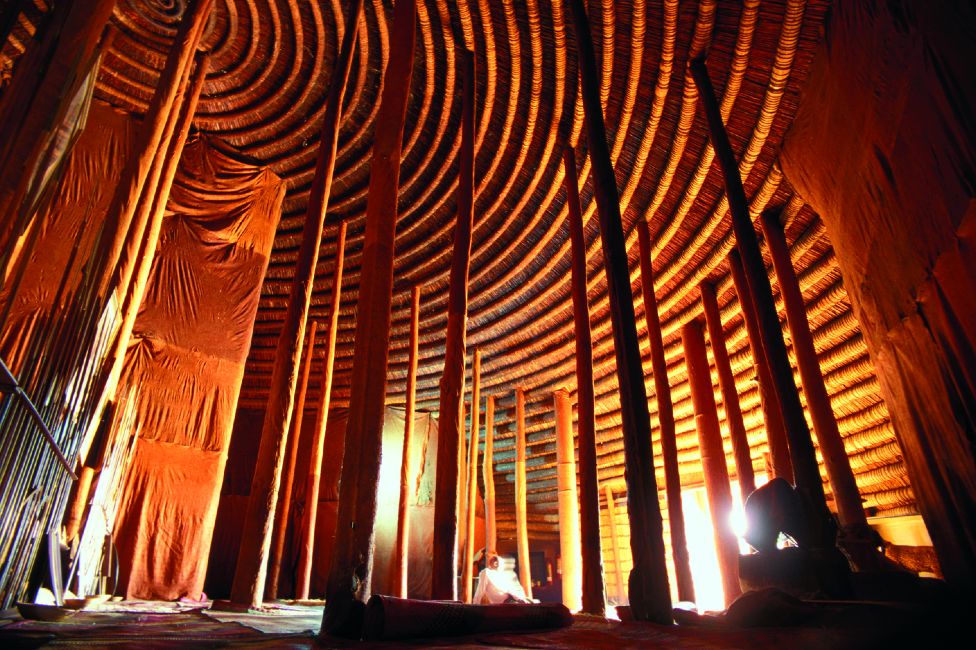
That renewability was tested in the worst possible way. In March 2010, fire tore through Muzibu Azaala Mpanga and destroyed the main tomb house almost entirely, an event that shook the Buganda Kingdom and made international headlines. UNESCO placed the site on its List of World Heritage in Danger that same year. What followed was more than a decade of painstaking reconstruction — a joint effort between the Buganda Kingdom, the Ugandan government, UNESCO, and local communities to rebuild the structure using the same materials and techniques as the original, guided by extensive prior documentation of the site. A second fire in 2020 set the project back further, but the rebuilt tombs were finally completed in 2023, and Kasubi was formally removed from the endangered list — a rare heritage success story on a continent where so much is lost for good.
Standing inside the rebuilt Muzibu Azaala Mpanga today, you're not looking at a replica behind rope barriers. You're standing inside a structure that Baganda hands rebuilt from grass and wood after fire nearly erased it — which arguably makes the site's story now more powerful than its original construction ever was.
Sacred Ground, Not a Museum
This is the detail most write-ups miss entirely: Kasubi Tombs is not a historical exhibit. It is an active spiritual and ceremonial center for the Buganda Kingdom today. The site is organized into three distinct zones — the western section housing the main tomb, a rear area with smaller graves and the residences of royal widows who serve as traditional custodians of the site, and an eastern section still farmed using traditional methods, much as it would have been in the Kabakas' time.
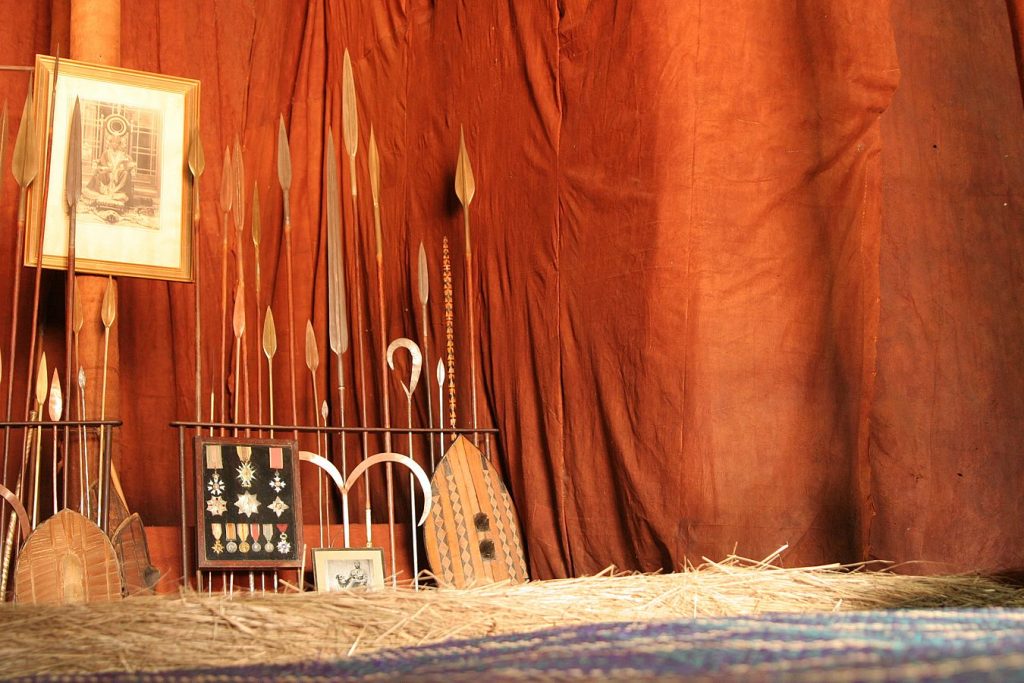
Those royal widows, along with royal guards and clan representatives, still live on and maintain the grounds, and members of the current Buganda royal family periodically visit to perform rituals connected to succession, remembrance, and clan identity. Depending on when you visit, you may witness these practices firsthand rather than reading about them on a sign — which is part of why guides ask visitors to move quietly, dress modestly, and treat the space less like a tourist attraction and more like the sacred ground it remains to this day.
Visiting Kasubi Tombs: What to Know
- Location: Kasubi Hill, Masiro Road, Rubaga Division — about 5 km (roughly 15–25 minutes depending on traffic) northwest of central Kampala.
- Getting there: Easiest by taxi, boda-boda, or private hire from anywhere in the city; the route generally runs through Makerere and Nakulabye before climbing Kasubi Hill.
- Hours: Generally open daily, with hours commonly listed around 9:00 AM–5:00 PM (some sources note Monday–Saturday). It's worth confirming current hours before you go, since access can occasionally be affected by royal ceremonies.
- Entry: A modest entrance fee applies for non-resident visitors, with a lower rate for children; the proceeds help fund the site's ongoing maintenance and restoration.
- Guides: Entry includes or allows for an on-site guide, typically English-speaking, and touring with one is highly recommended — much of Kasubi's meaning lives in oral history that isn't written anywhere on-site.
- Dress code: Modest clothing is expected (shoulders and knees covered), and shoes must be removed before entering the main tomb house.
- Photography: Generally fine in the outer grounds; ask your guide before photographing inside the sacred inner chambers.
- Best time to visit: Uganda's dry seasons — June to August and December to February — offer the most comfortable conditions, and arriving earlier in the day tends to mean fewer crowds and a more personal experience with your guide.
Kasubi pairs naturally with other Buganda heritage sites nearby, including the Kabaka's Palace (Lubiri) in Mengo and the Buganda Parliament (Bulange), making it easy to build a half-day cultural circuit around Kampala's royal history.
Plan Your Visit to Kasubi Tombs
Few places in Uganda condense so much history, craftsmanship, and living tradition into a single hillside. If you're planning a tour to Kampala and want Kasubi Tombs — along with the rest of Buganda's royal heritage sites — built into your itinerary, we'd love to help you plan it properly, with a knowledgeable guide who can bring the site's stories to life.
Contact us at info@ugandasafaribookings.com or call +256-700135510 to start planning your visit to Kasubi Tombs.