
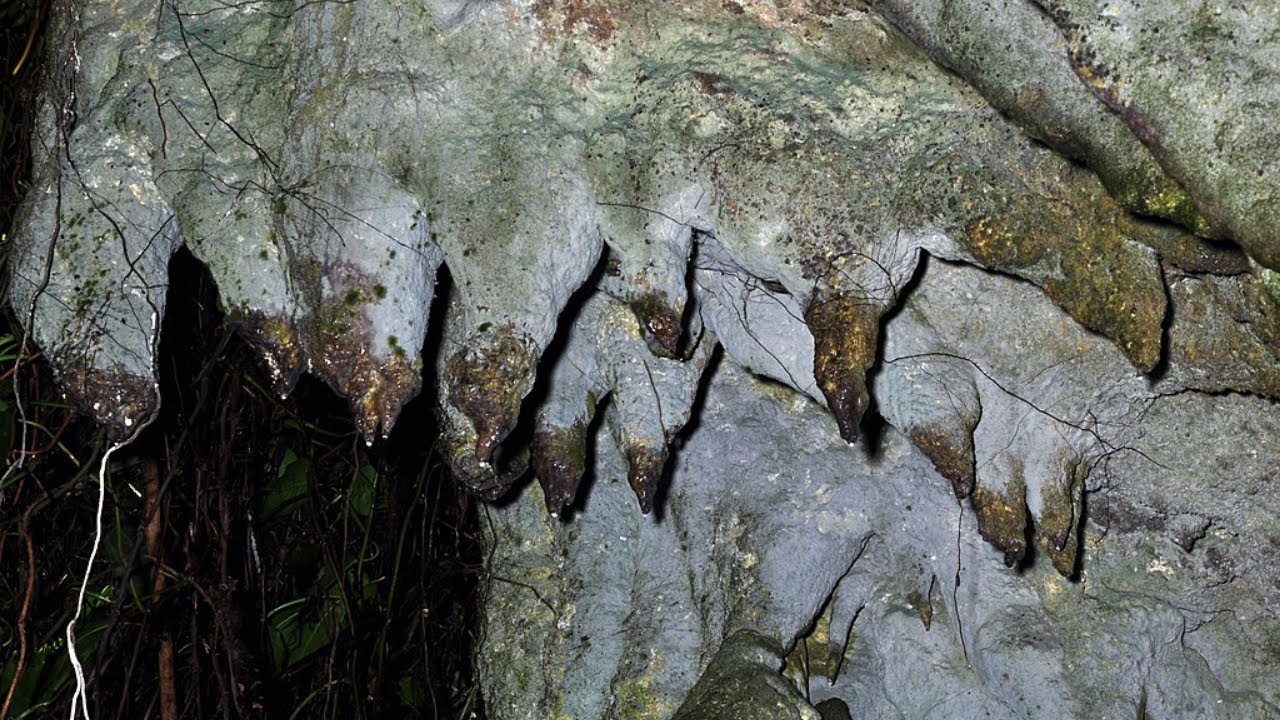
A king hears a prophecy that his own daughter will one day give birth to the son who overthrows him. Rather than accept fate, he mutilates her, imprisons her in a cave, and waits for the threat to die out. She survives anyway, falls pregnant, and gives birth in the very cave meant to be her prison — and her son grows up to fulfill the prophecy exactly as foretold. It sounds like the plot of a Greek tragedy, but it's the founding legend of one of western Uganda's most visited cultural sites: Amabere Ga Nyinamwiru, the "Breasts of Nyinamwiru," near Fort Portal.
A Story Older Than the Toro Kingdom Itself
The legend belongs to the Batembuzi dynasty, the semi-mythical rulers believed to predate — and give rise to — both the Bachwezi dynasty and, eventually, the modern Toro and Bunyoro kingdoms of western Uganda. According to Batooro oral tradition, King Bukuku received a prophecy that his daughter, Nyinamwiru, would one day marry, bear a son, and that son would grow up to usurp his throne. Determined to prevent it, Bukuku took drastic measures: he imprisoned Nyinamwiru and, in versions of the story that vary in detail but agree on the outcome, had her breasts cut off — either as punishment for refusing an arranged marriage, or as a direct attempt to make her undesirable and prevent her from ever bearing children. Her severed breasts, the legend says, were thrown into the cave that now bears her name.
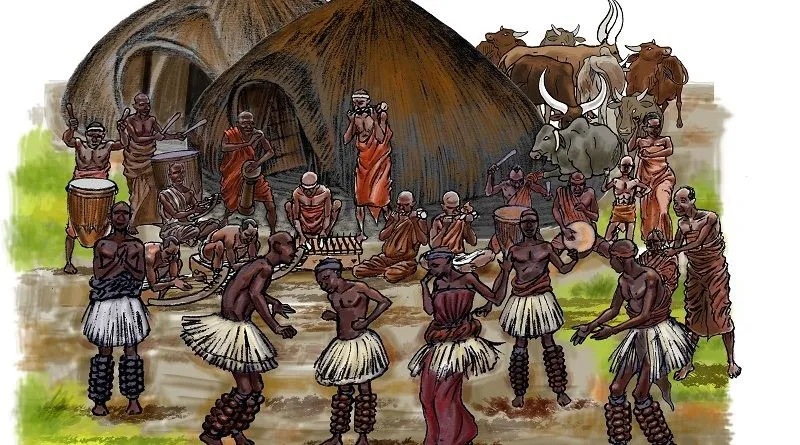
The plan failed. Nyinamwiru survived her imprisonment and, according to the fuller versions of the legend, became pregnant by King Isaza of the Batembuzi — the very throne her father feared losing. She gave birth to a son, Ndahura, inside the cave, and unable to nurse him herself, used the milky liquid dripping from the cave's stalactites to feed him instead. Ndahura grew up to do exactly what the prophecy had promised: he became king, took the throne that had rightfully belonged to Isaza's line, and is remembered as a founding figure of the Bachwezi dynasty — the semi-divine rulers who Batooro and Banyoro oral history credits with laying the foundations of the kingdoms that followed.
Geology Wearing the Costume of Myth
What makes the cave itself so visually convincing as the setting for this story is entirely a matter of chemistry. The "breasts" visitors see hanging from the cave's ceiling are stalactites, formed as water carrying dissolved calcium carbonate seeps through the limestone rock and drips slowly over centuries, leaving mineral deposits that build into breast-like shapes, some capped with a whitish, milk-like residue caused by the same calcium content. Beneath them, corresponding stalagmites rise from the cave floor, and in places the two have grown together into connecting pillars that help support the cave roof. It's the same slow geological process that forms cave decorations anywhere in the world — but here, framed by the Nyinamwiru legend, the site reads less like a science exhibit and more like proof of a story the Batooro have told for generations.
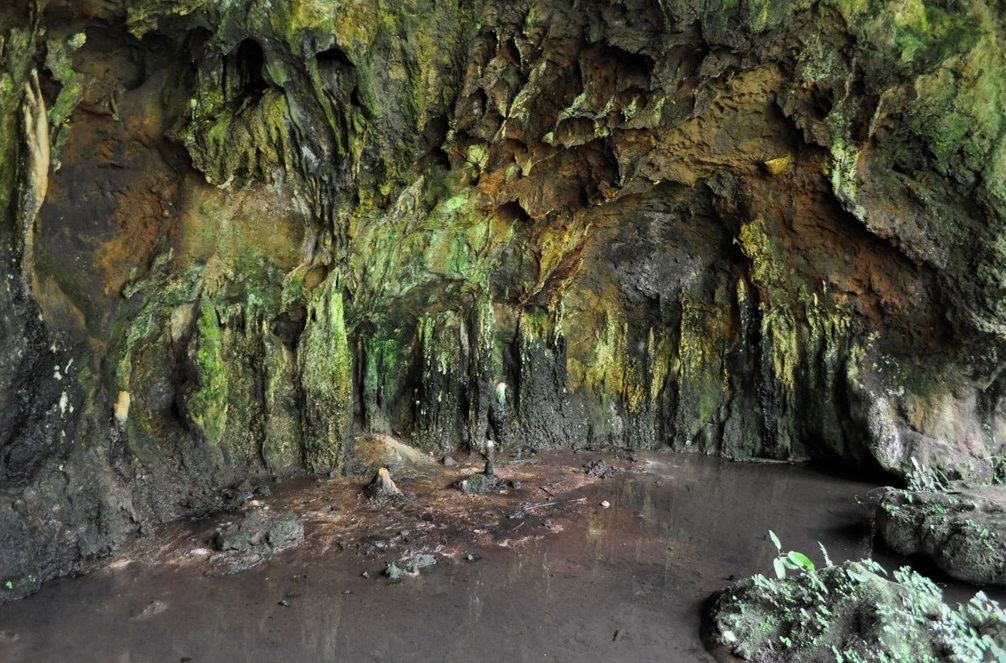
Located near Nyakasura Falls, the caves are sometimes referred to locally as the Nyakasura Caves — and the site isn't a single enclosed cavern so much as a large rock overhang, set among trees with a waterfall cascading nearby, adding a second natural attraction to the same short visit.
A Story Still Used to Teach
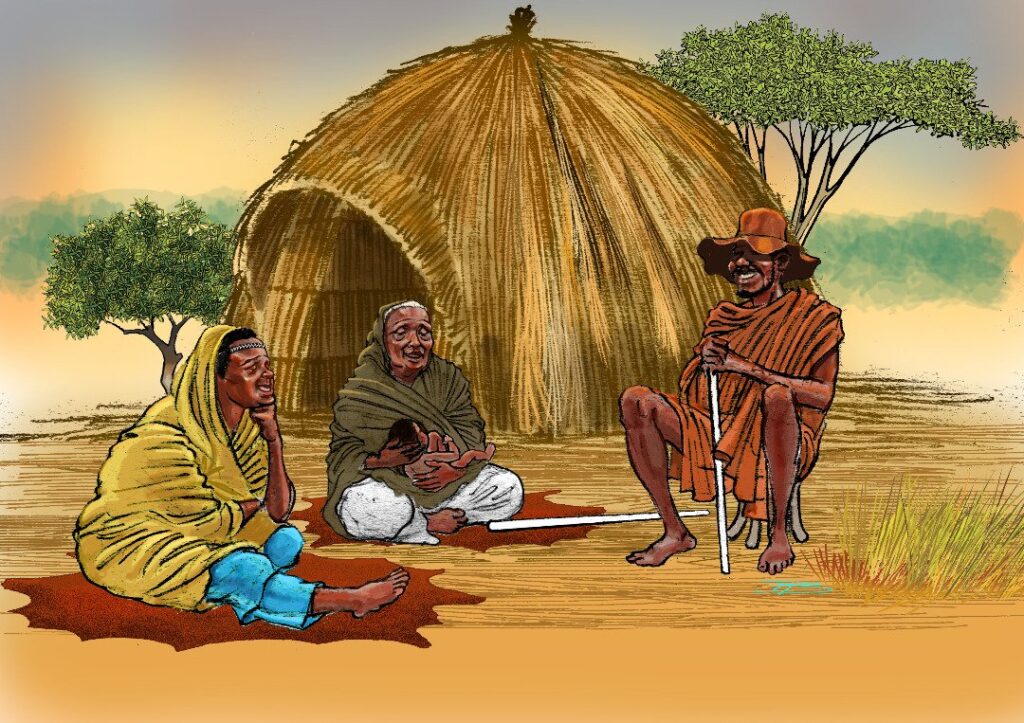
Beyond its role as a piece of dynastic origin myth, the Nyinamwiru story carries an enduring moral function in Batooro culture: it's frequently cited as a cautionary tale about respecting parental authority and the consequences of defiance — even as the story's sympathies, told today, often lean toward Nyinamwiru's endurance and survival rather than her father's cruelty. That tension is part of what makes the site interesting to visit with a local guide, who can walk through the different versions and emphases the story takes depending on who's telling it.
Visiting Amabere Ga Nyinamwiru: What to Know
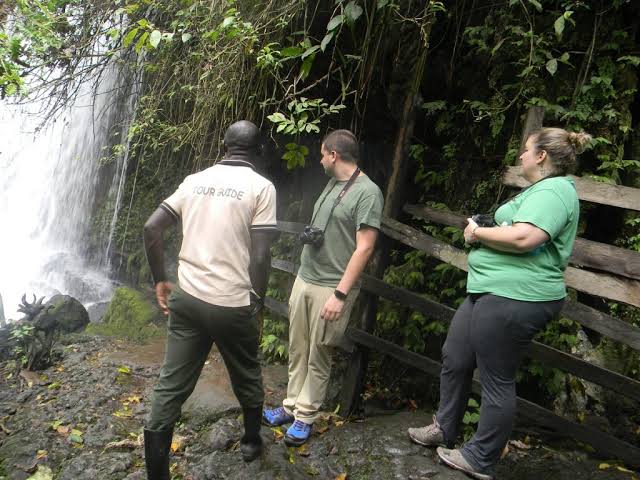
- Location: Near Nyakasura School and Nyakasura Falls, roughly 10 km outside Fort Portal town in western Uganda's Kabarole District.
- What to expect: A large rock overhang and shallow cave system featuring visible stalactite and stalagmite formations, alongside a nearby waterfall; a full guided exploration typically takes around two hours.
- Good to pair with: Kibale National Park (chimpanzee tracking), Semuliki National Park (Sempaya hot springs), or Queen Elizabeth National Park (tree-climbing lions and Kazinga Channel boat cruise) — all reachable as part of the same western Uganda circuit.
- Best time to visit: Year-round, though a local guide is recommended both for navigating the site and for hearing the legend told properly.
- What to bring: Comfortable walking shoes, as the surrounding terrain includes some uneven ground near the falls.
Plan Your Visit to Amabere Ga Nyinamwiru
If your western Uganda itinerary already includes Kibale, Semuliki, or Queen Elizabeth National Park, Amabere Ga Nyinamwiru is an easy and memorable cultural stop to add along the way. Let us help you build it into your route.
Planing to visit the Amabere gal Nyinamwiru caves, please contact us at info@ugandasafaribookings.com or call +256-700135510 to start planning your visit.