
Gorillas are one of the most recognizable animals on the planet, yet most of what people think they know barely scratches the surface. Beyond the chest-thumping and sheer size, gorillas turn out to be far more complex, individual, and quietly emotional creatures than their reputation suggests. Here are five facts that go well beyond the basics — the kind of details that make a gorilla trekking encounter in the wild feel even more extraordinary.
1. Every Gorilla Has a Unique "nose print"
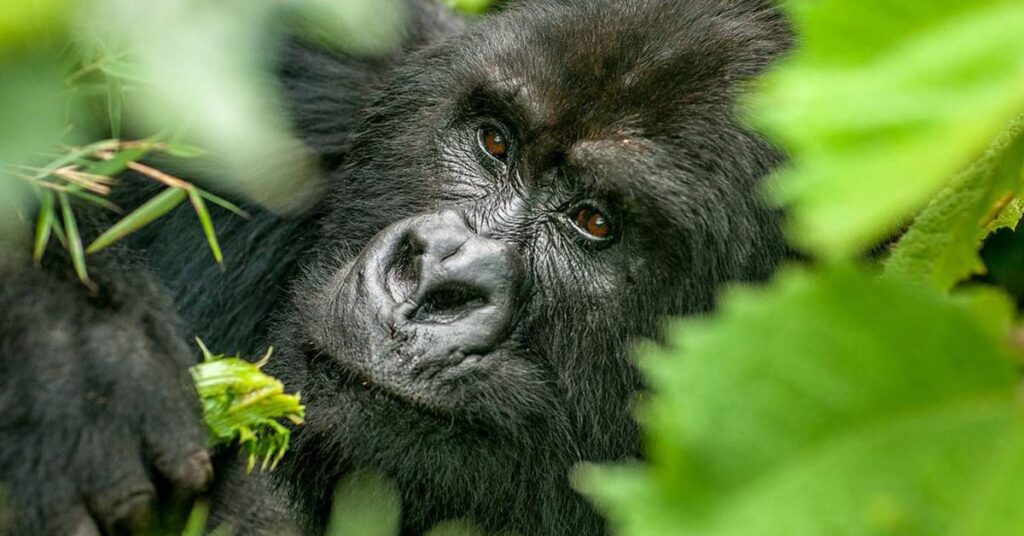
Just like no two human fingerprints are identical, no two gorillas share the same nose. The wrinkles and creases above a gorilla's nostrils form a completely individual pattern, distinct enough that researchers use nose prints as a primary method for identifying and tracking specific gorillas in the wild over the course of their lives. Field researchers and trackers who spend years with the same habituated gorilla families can often recognize individuals on sight simply from these facial markings — a level of individuality most people never associate with an animal often lumped together as one uniform species.
2. Chest-Beating Isn't Just a Threat Display
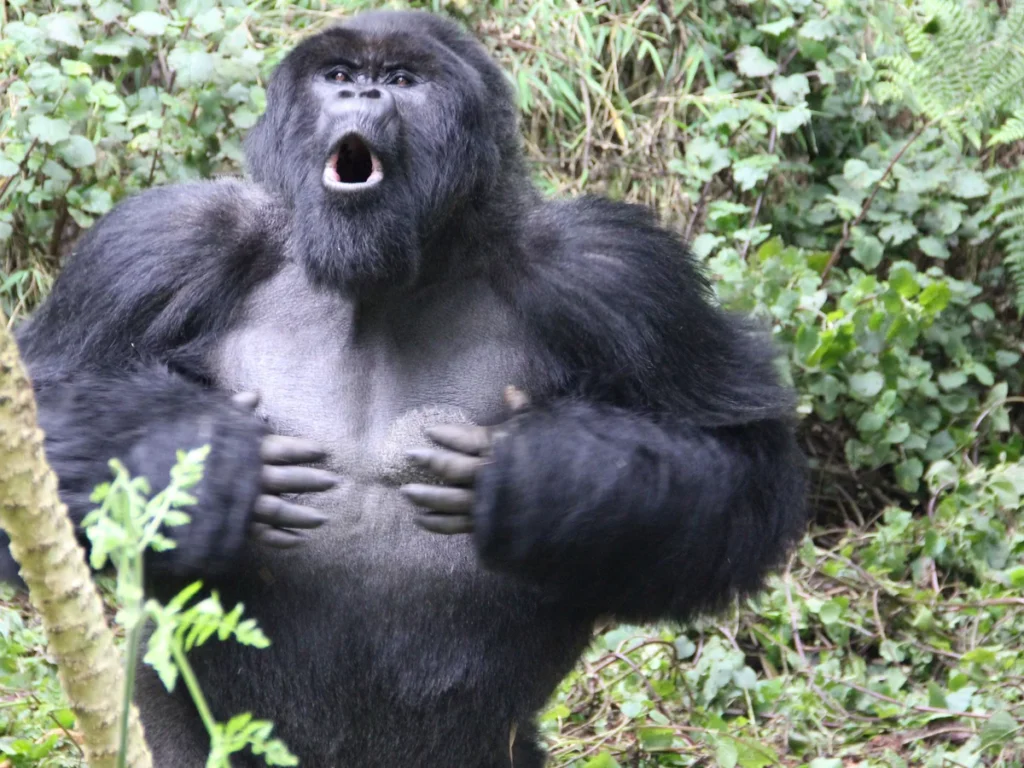
The image of a gorilla pounding its chest is usually read as pure aggression, but that's only part of the story. Chest-beating is actually a form of long-distance communication, often preceded by a specific sequence: a series of hoots that build in speed before the chest-beating begins. It's used to announce location, assert dominance, or diffuse tension without physical conflict — and, notably, it also shows up in playful contexts among younger gorillas, who beat their chests during games in a way that has nothing to do with aggression at all. In many cases, a display like this is less "I'm about to attack" and more "I'm here, and I'd rather not have to prove it."
3. Gorillas Are Vastly Stronger Than They Look — Even Accounting for Their Size
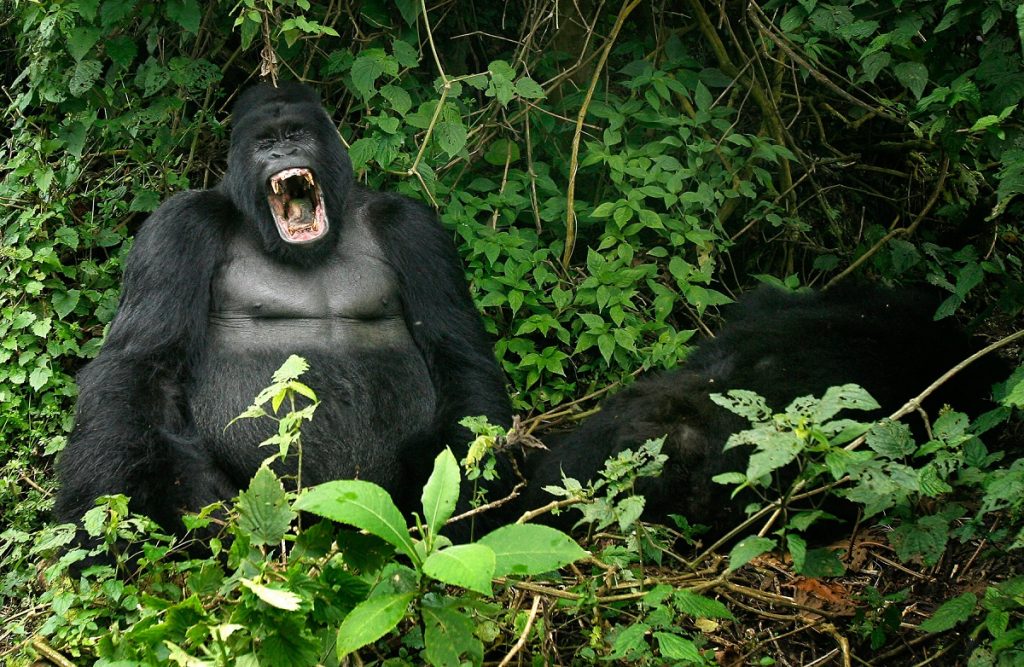
A fully grown silverback isn't just heavier and more muscular than a human — he's disproportionately stronger for his size. Researchers estimate that an adult male gorilla is somewhere between four and ten times stronger than the average adult human male, a gap driven by denser muscle fiber and a skeletal structure built for both climbing and short bursts of explosive power. It's part of why silverbacks rarely need to actually fight to win a confrontation — displays of strength alone are usually enough to settle disputes within or between groups.
4. They Recognize Each Other the Way We Recognize Old Friends
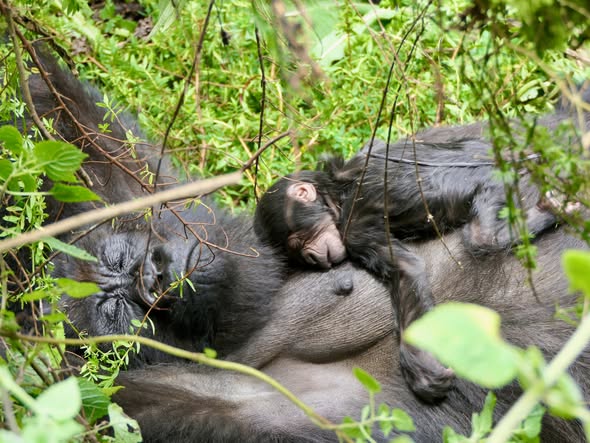
Gorillas don't just live in family groups — they actively track who's who within them using multiple senses at once. They recognize individual family members by face, by body size and posture, by the particular sound of their grunts and hoots, and even by each individual's distinct body odor. That layered recognition system suggests a much richer social awareness than gorillas are typically given credit for, closer to how humans instinctively identify close friends and relatives through a combination of sight, voice, and familiarity, rather than any single cue.
5. Gorilla Families Can Remember — and React to — Past Trauma
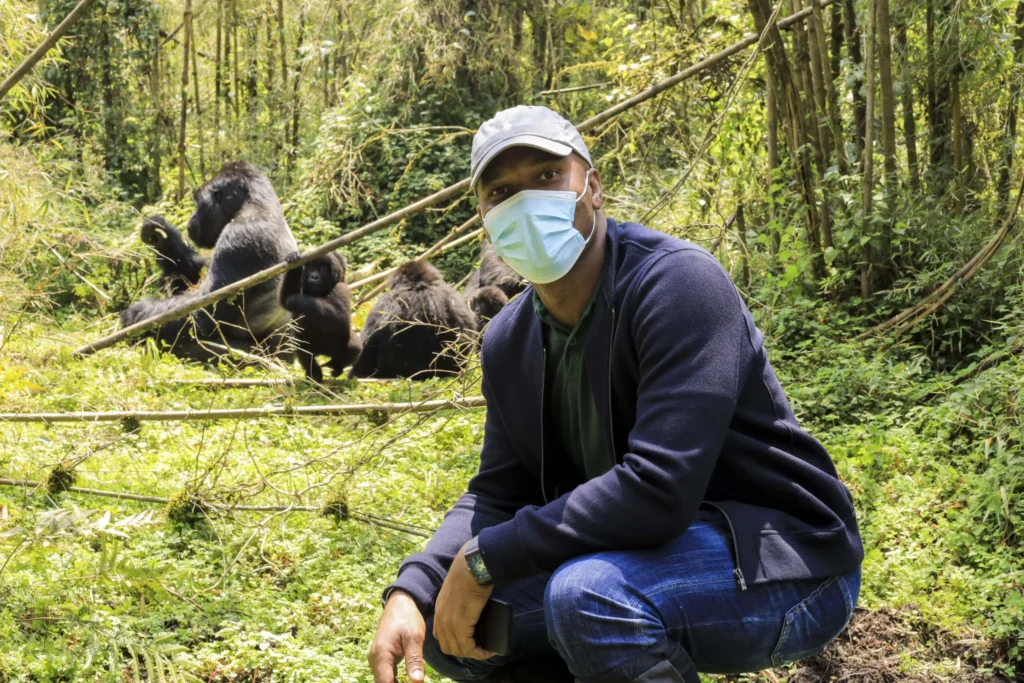
Perhaps the most striking finding to come out of long-term gorilla research is emotional, not physical: silverbacks have been observed becoming visibly defensive or on-edge when their group revisits a location where the family previously experienced something traumatic, such as a violent encounter or the loss of a group member. That kind of place-based emotional memory — reacting protectively to a location tied to a bad memory rather than to any immediate threat — hints at a depth of psychological life in gorillas that goes well beyond simple instinct, and edges closer to something recognizably similar to how humans process and carry difficult memories.
A Reminder of Just How Remarkable They Are
None of this comes as a total surprise once you consider how closely gorillas are related to us — sharing an estimated 98% of human DNA makes them one of our nearest living relatives in the animal kingdom. But it's easy to reduce that statistic to trivia rather than let it change how you actually see them. Individual nose prints, nuanced communication, disproportionate strength, layered social recognition, and even emotional memory all point to the same conclusion: gorillas aren't just large, powerful animals — they're deeply individual, socially complex beings living in some of the world's last remaining wild forests. Seeing that up close, on a trek through Uganda, Rwanda, or the DRC, tends to leave a very different impression than any wildlife documentary can.
Ready to See Gorillas for Yourself?
Reading about gorillas is one thing — standing a few meters from a wild silverback in Uganda's forests is another entirely. If you're planning a gorilla trekking trip and want it handled from start to finish, we'd love to help.
Contact us at info@ugandasafaribookings.com or call +256-700135510 to start planning your gorilla trekking adventure.