
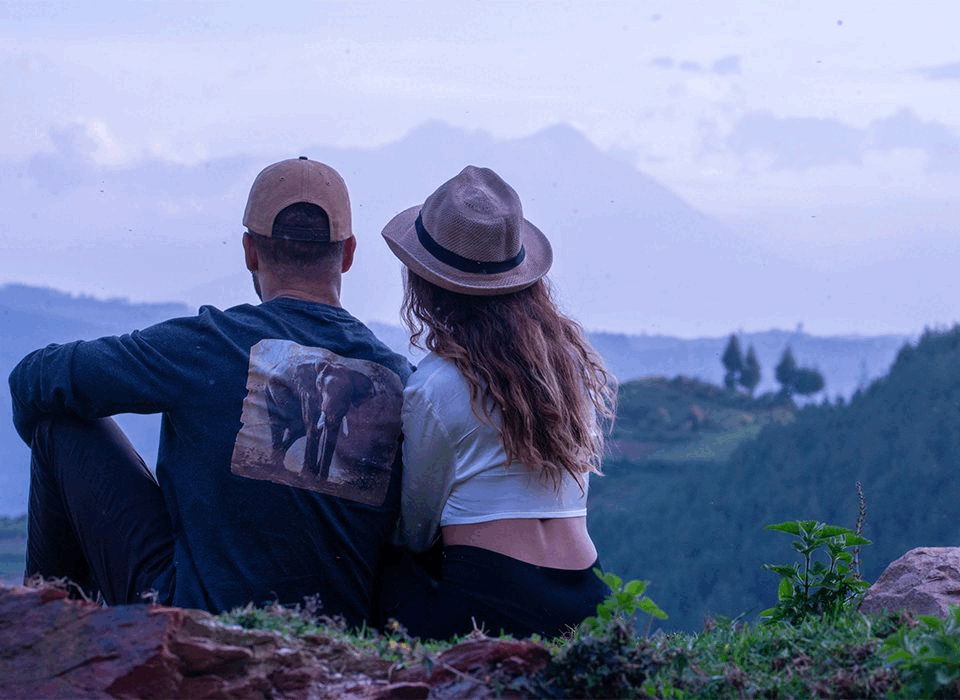
For years, Uganda safaris were booked almost exclusively by families and larger groups. That's changing fast. Solo travelers and couples are now among the country's fastest-growing visitor segments — and the reasons go well beyond a general global uptick in independent travel.
The Global Backdrop: Solo Travel Is Having a Moment
This isn't unique to Uganda. Worldwide interest in solo travel has grown sharply over the past decade, and 2026 has seen record momentum — searches for "solo travel" hit more than 1.6 million in a single month at the start of the yearTravelers aged 25 to 40 now make up the largest share of the solo market, driven by younger generations prioritizing flexibility, self-discovery, and travel built around their own interests rather than group compromises.
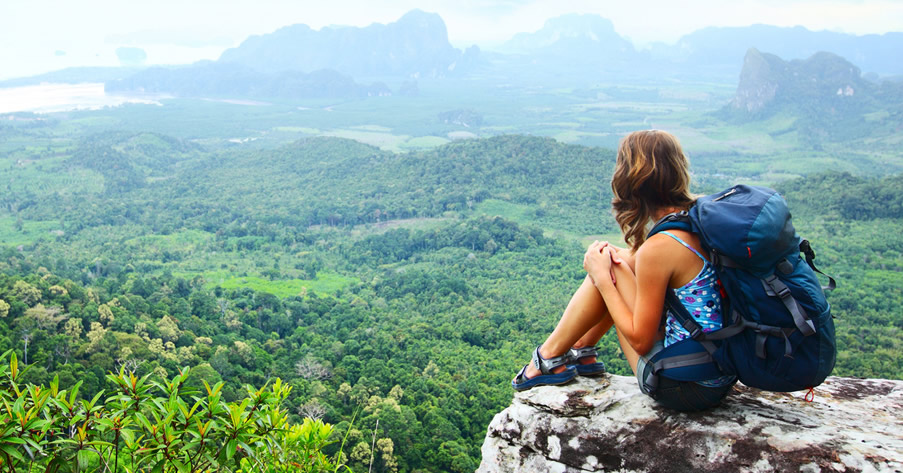
Africa is riding this wave in its own way. Within the safari sector specifically, growth in solo travel interest has been especially sharp in destinations that were previously considered off the beaten path — and Uganda fits that description well.
Why Uganda Specifically Is Benefiting
1. It offers something no crowded safari circuit can: genuine intimacy. Kenya and Tanzania's classic parks are spectacular, but they're also busy — dozens of vehicles circling the same pride of lions is a common complaint. Uganda's parks, by contrast, still feel comparatively undiscovered. For couples in particular, this translates into private, uncrowded moments — a gorilla family encountered with just a handful of other trekkers, a boat cruise on the Kazinga Channel without a flotilla of other tourists, a lodge dinner table with an actual view instead of a row of identical safari vehicles parked outside.
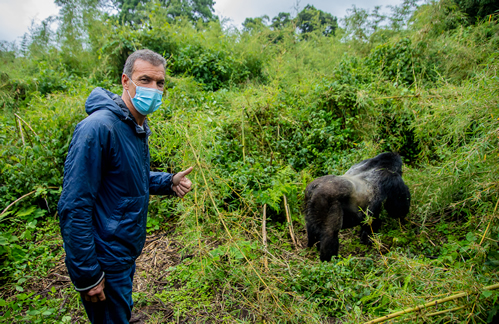
2. The safety infrastructure has matured — and it shows. One of the biggest hesitations for solo travelers, especially solo women, is safety in unfamiliar terrain. Uganda has quietly built a strong answer to this. Gorilla treks and most major wildlife activities require trained, armed ranger escorts throughout — a structure that exists purely for wildlife protection but has the side effect of creating a genuinely supervised, secure environment even in Uganda's most remote regions. That single detail has done a lot to ease first-timer anxiety.
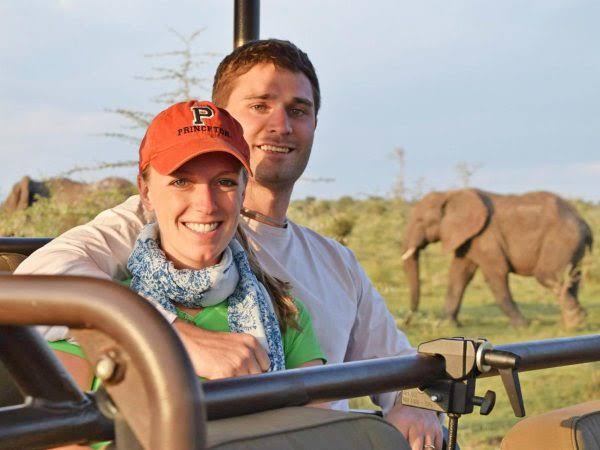
3. Uganda rewards a longer, slower trip — which suits both solo travelers and couples. Rather than a single park and a quick exit, most visitors now build multi-stop itineraries that move from Bwindi's misty gorilla forests to the open savanna of Queen Elizabeth National Park, often with stops in Kibale for chimp tracking or Murchison Falls for the Nile. This kind of layered, immersive route appeals directly to two groups: solo travelers who want to actually absorb a place rather than rush through it, and couples looking for a shared adventure with real variety, not a repetitive circuit.
4. The lodge scene has diversified. Uganda's accommodation options have expanded well beyond basic tented camps. Small, high-end lodges tucked into remote wilderness settings now cater specifically to couples wanting romance and privacy — think private decks overlooking the forest canopy, candlelit dinners with no other guests in sight, and honeymoon-style suites in places most travelers have never heard of. At the same time, hostels, guesthouses, and mid-range lodges with communal areas have grown to serve solo and budget-conscious travelers, giving Uganda a spread of options it simply didn't have a decade ago.
5. Tour operators have adapted their pricing and structure. Historically, solo travelers on safari were penalized with steep single-supplement fees, making independent travel disproportionately expensive. That's shifting in Uganda, as more operators design packages and group departures specifically priced and structured for one traveler — removing one of the biggest financial barriers that used to push solo travelers toward group tours they didn't actually want.
6. Social media has done real marketing work for Uganda. Younger travelers increasingly build itineraries around what they discover on Instagram and TikTok rather than traditional travel agents, and Uganda's gorilla treks, dramatic landscapes, and less-crowded parks photograph and film exceptionally well. That organic exposure has introduced the country to travelers who might never have considered it a decade ago.
What This Means If You're Planning a Trip
If you're a solo traveler or a couple considering Uganda, you're arriving at a genuinely good moment: the infrastructure — ranger-escorted safety, a wider range of lodges, solo-friendly pricing, and well-developed multi-park itineraries — has matured enough to support independent and couple travel comfortably, while the crowds that define more established safari destinations haven't caught up yet.
That combination — depth of experience without the overtourism — is precisely why Uganda has moved from a niche gorilla-trekking add-on to a genuine standalone destination for travelers who don't want to share the experience with a busload of strangers.
Are you a solo traveler or couple planning a safari in Uganda, we will be more than happy to organize a memorable trip for you and your loved one at very affordable rates. Simply contact us now by sending an email to info@ugandasafaribookings.com or call us now on +256-700135510.