

Quoted Uganda safari costs almost always cover the big-ticket items cleanly: accommodation, a driver-guide, park entry, maybe your gorilla permit. What they routinely leave out is a second layer of spending that shows up daily, in cash, once you're actually on the ground — and it adds up to more than most first-time travelers expect. Understanding these hidden Uganda safari costs before you go is the difference between a trip that stays on budget and one where you're quietly stressed by day four.
Tipping Is Bigger Than People Expect
This is the single largest hidden category, and it's almost never included in a package price. Uganda safaris run on a tipping culture that touches nearly everyone you interact with:
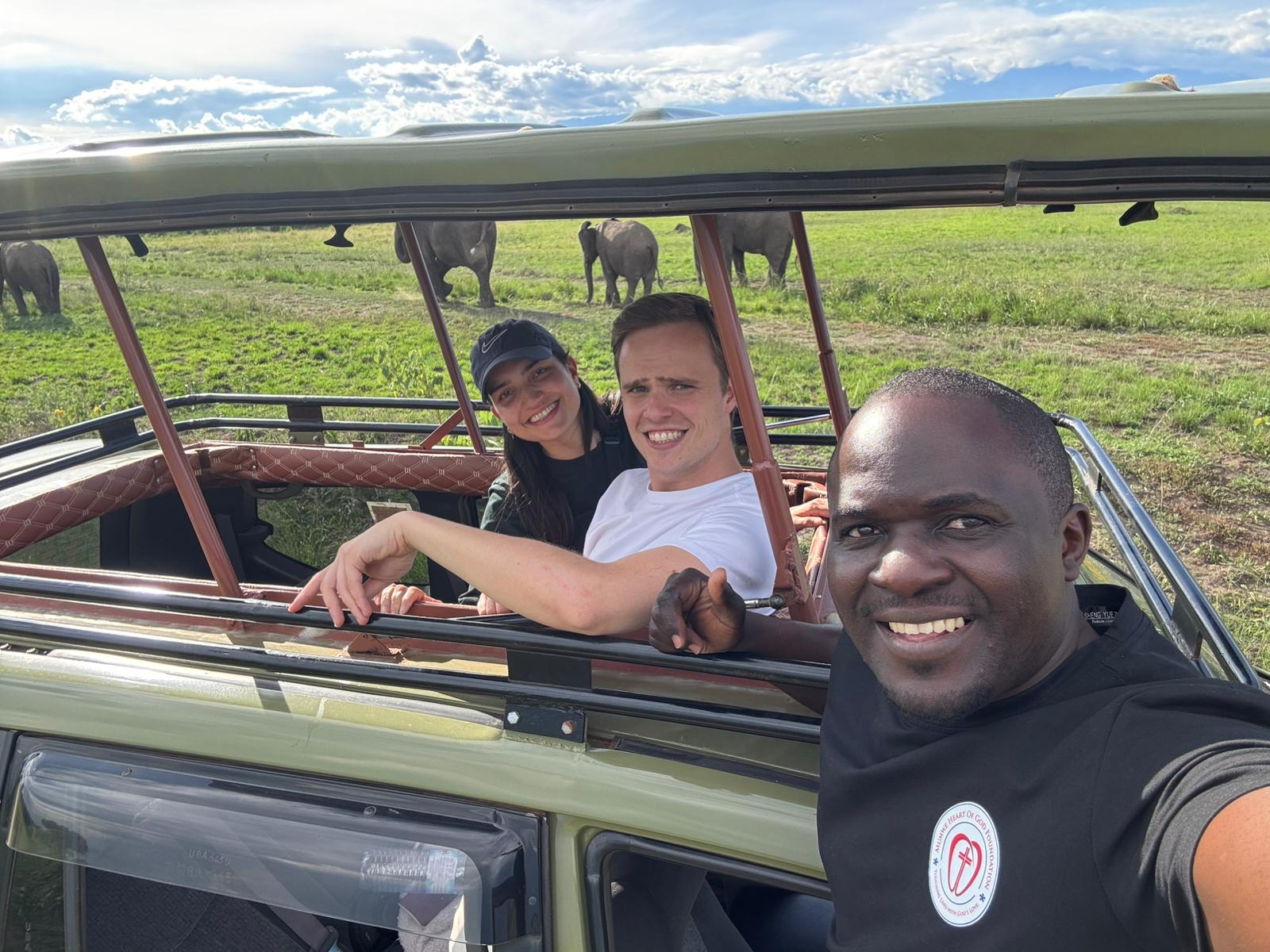
- Driver-guides — typically $10–20 per person per day, and they're with you the whole trip, so this adds up fast on longer itineraries
- Gorilla or chimp trekking rangers and trackers — usually $5–20 per group, often pooled and left in a tip box at park headquarters
- Porters on treks — the hire fee itself ($15–20) is separate from a further tip of $5–10
- Lodge and camp staff — generally $5–15 per guest per stay, left in a communal tip box on departure
For a couple on a 7–10 day safari including gorilla trekking, total tipping cash can realistically land between $150 and $400 — money that needs to be budgeted in cash, in small denominations, separately from anything charged to a card.
Park Fees Beyond the Permit
A gorilla or chimp permit is only one line item. Most national parks charge separate daily park entry fees on top of any permit, and specific activities — boat cruises on the Kazinga Channel, a nature walk, a cultural visit to a Batwa community — often carry their own $20–50 fees that aren't automatically bundled into a "safari package" unless you've specifically confirmed they are.
Visa, Vaccination, and Entry Costs
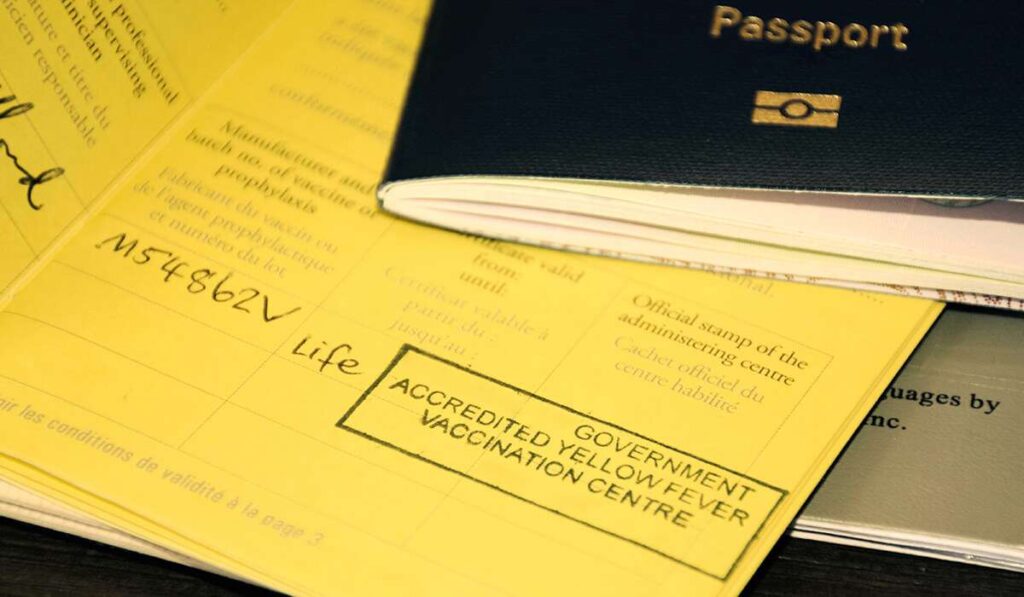
A Uganda e-visa runs around $50, applied for online before arrival — straightforward, but easy to forget when budgeting the "vacation" portion of a trip rather than the "logistics" portion. A yellow fever vaccination certificate is required for entry, and depending on where you're traveling from, this may mean an out-of-pocket vaccination cost before you even leave home. Crossing into Rwanda mid-trip for gorilla trekking on both sides of the border adds a second visa fee and, if you're self-driving a rented vehicle across the border, a COMESA insurance certificate purchased at the crossing.
Alcohol, Snacks, and "Extras" at Lodges
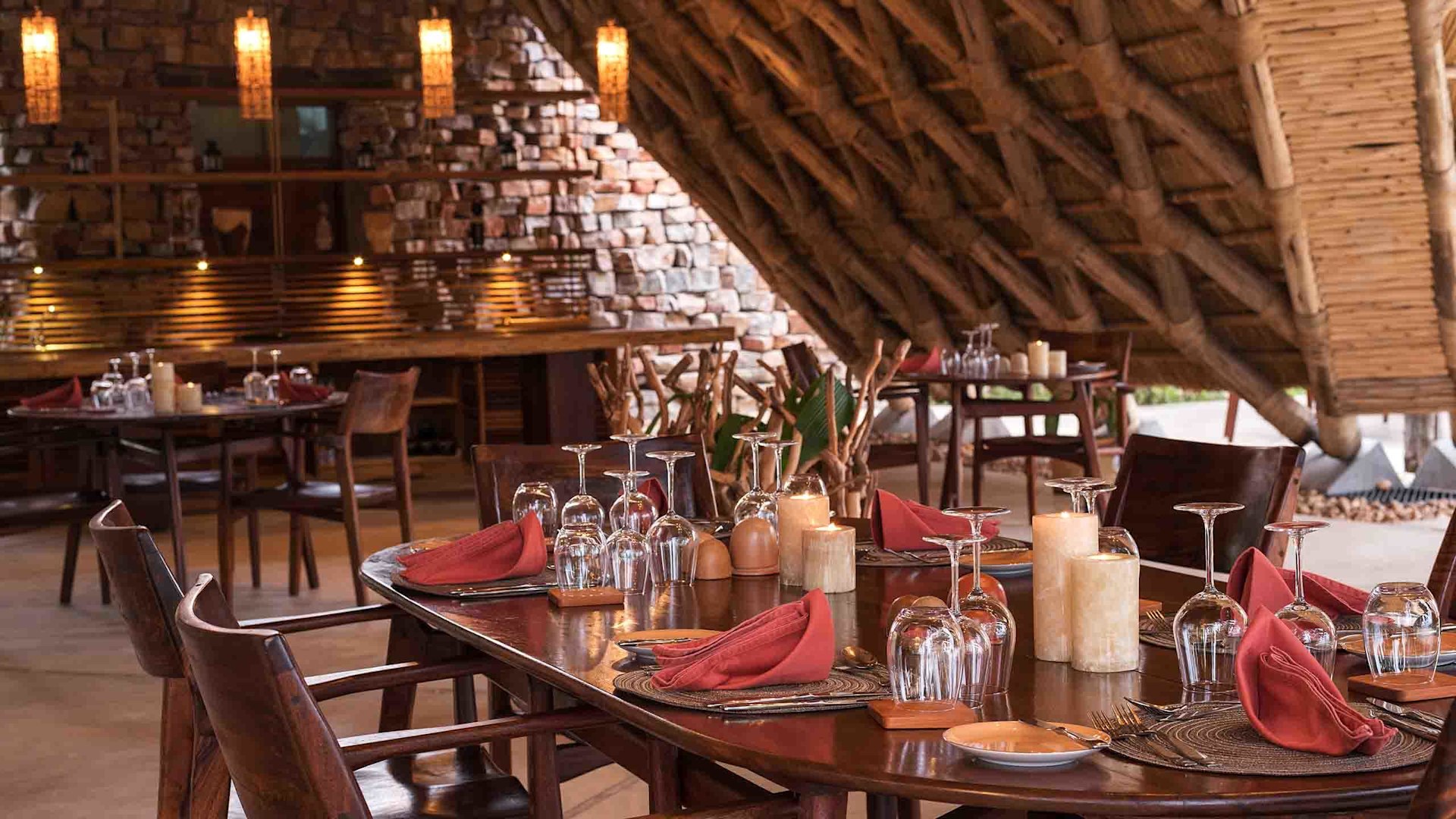
Meals are usually included in safari packages, but drinks often aren't — and lodge markups on alcohol, particularly imported wine and spirits, are notoriously steep. A local beer runs $3–5 at a lodge; a glass of wine or cocktail can run $5–10. Travelers who stock up on drinks at a supermarket in Kampala or Entebbe before heading into the parks save meaningfully over a multi-day trip, since remote lodges have limited competition and price accordingly.
Travel and Evacuation Insurance
Standard travel insurance is worth having anywhere, but Uganda safaris — particularly gorilla trekking through remote forest terrain — make a case for evacuation coverage specifically. Medical evacuation from a park like Bwindi isn't a quick local ambulance ride; it can mean an organized flying-doctor response. This isn't a cost everyone budgets for upfront, but it's one of the more important hidden Uganda safari costs to price in before departure rather than after something goes wrong.
Domestic Flights, If You Use Them
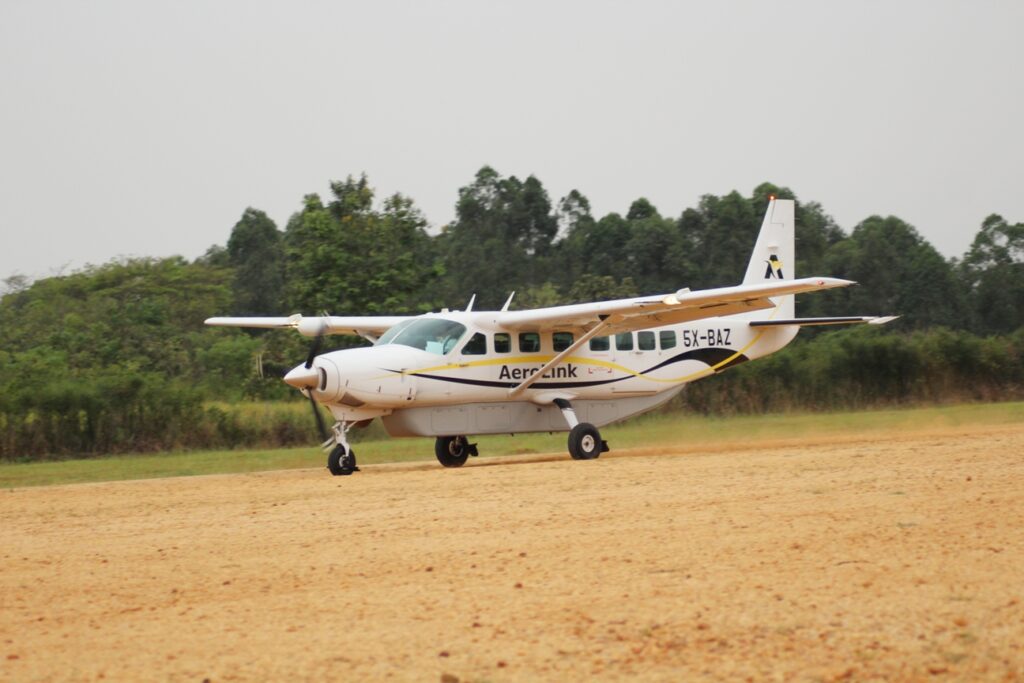
If you're connecting parks by air rather than road — flying to Bwindi rather than enduring the 8–10 hour drive, for instance — domestic flights typically run $200–400 per leg. These are often presented as an optional upgrade rather than a default inclusion, so a multi-park itinerary that looks affordable on paper can climb quickly once flight legs get added for the sake of time.
A Rough Number to Actually Budget
Beyond whatever your safari package costs, a reasonable daily allowance for tips, drinks, incidental snacks, and small extras runs around $30–50 per person per day for most travelers — more on longer high-touch itineraries, less if you're deliberately economizing. Multiply that across a 7–10 day trip and you're looking at an additional $200–500 per person that rarely shows up on the quote you were first given.
The Honest Verdict
None of these Uganda safari costs are hidden in a deceptive sense — they're standard, well-documented parts of how safari travel works in East Africa. They're just easy to overlook when comparing package prices, because they live outside the itinerary line items and show up instead as cash spent day to day. Budgeting an extra 15–20% on top of your quoted package price, set aside specifically for tips, drinks, visas, and incidentals, is the simplest way to make sure your actual Uganda safari costs match what you expected going in.
To book a Uganda safari adventure online - simply contact us now by sending an email to info@ugandasafaribookings.com or call us now on +256-700135510 to speak with the reservations team.