
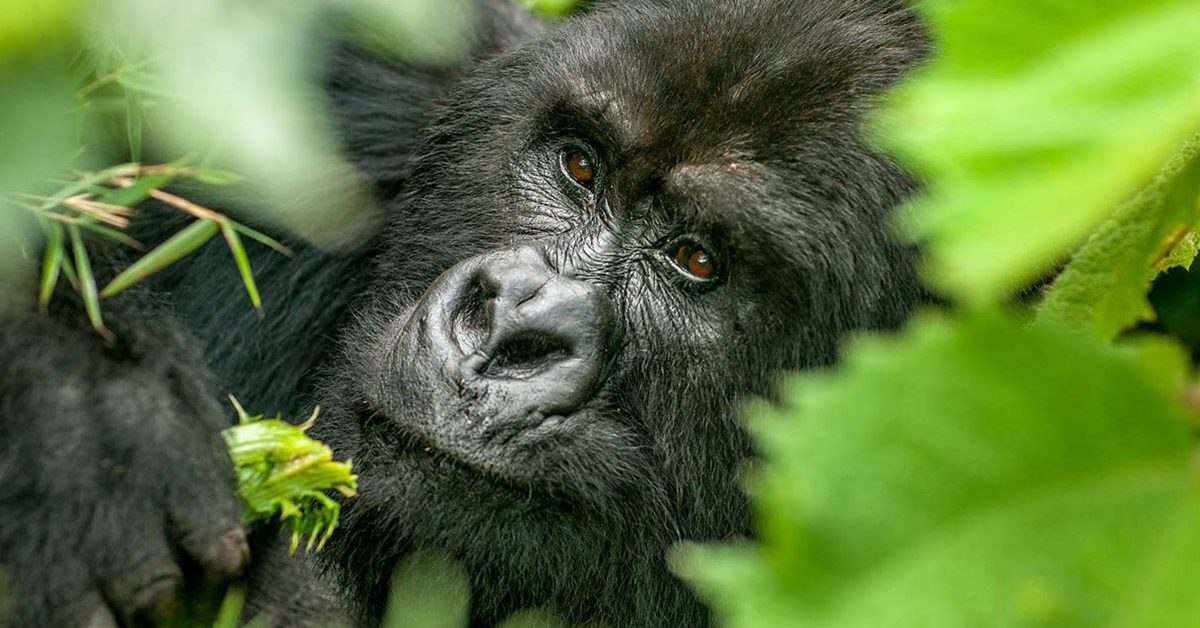
If you're planning a mountain gorilla trek in 2026, you've almost certainly landed on this question: Uganda or Rwanda? Both countries offer the same core experience — one unforgettable hour with a wild, habituated mountain gorilla family — but the price, the journey to get there, and the overall feel of the trip are genuinely different.
This guide breaks down the real numbers and trade-offs so you can decide with confidence, not just marketing copy.
The Quick Answer
If budget matters and you don't mind a longer, bumpier road to the park, Uganda is the better value — permits cost roughly half of Rwanda's, and Bwindi Impenetrable National Park's dense, ancient rainforest is arguably more scenic and more "wild-feeling" than Volcanoes National Park. If your priority is convenience, minimal travel time, and pairing gorillas with a fast, polished luxury circuit, Rwanda is the smoother choice — you can fly into Kigali and be trekking within a couple of hours.
Neither is "wrong." They're built for slightly different travelers, and the details below explain why.
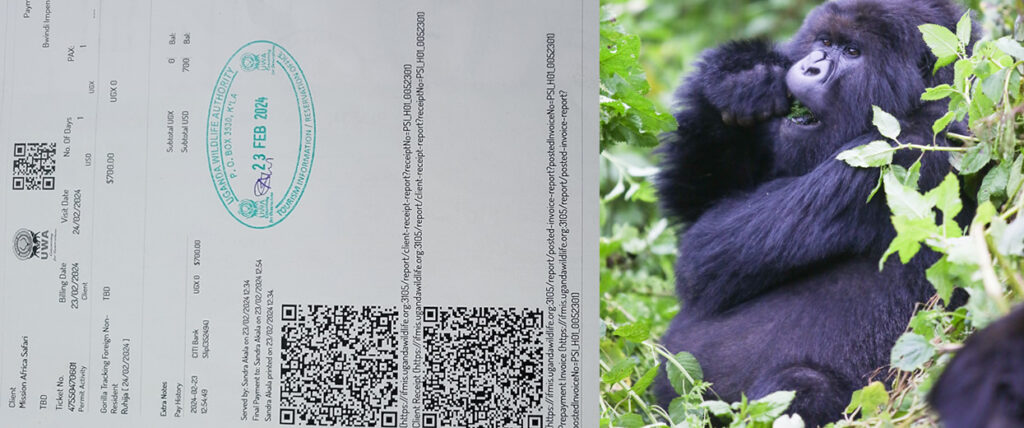
Permit Costs: The Biggest Difference by Far
This is where the two countries diverge most sharply.
| Uganda | Rwanda | |
|---|---|---|
| Standard permit (foreign non-resident) | US$800 | US$1,500 |
| Foreign resident / other African citizens | Discounted rate available | ~US$500 |
| East African Community citizens | Discounted rate available | ~US$200 |
| Where it's used | Bwindi Impenetrable NP or Mgahinga Gorilla NP | Volcanoes National Park |
Rwanda's near-doubled price isn't arbitrary — the country deliberately runs a "low volume, high value" tourism model, and permit revenue funds anti-poaching patrols, ranger salaries, and veterinary care for the gorillas. Rwanda also periodically offers low-season promotional permits around US$1,050 for travelers combining the trek with visits to Akagera or Nyungwe, so it pays to check dates before assuming the full price applies.
For a family of four, that permit price gap alone is a difference of roughly US$2,800 — often enough to cover several extra nights of lodging, a second wildlife activity, or the flight itself.
Getting There: Convenience vs. Character
This is the second-biggest factor, and it's more of a lifestyle trade-off than a simple "better or worse."
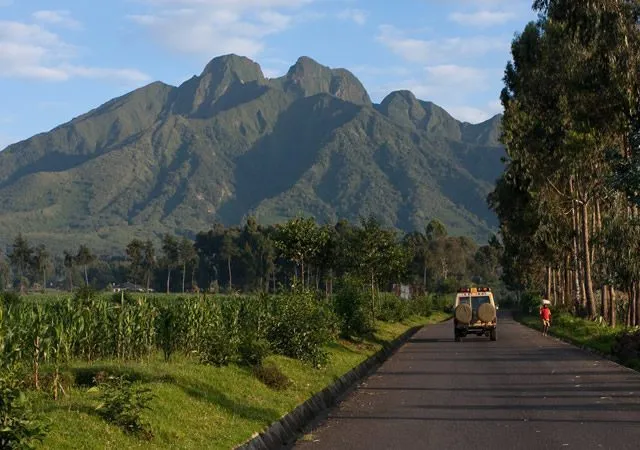
Rwanda wins on convenience. Volcanoes National Park sits roughly a 2- to 3-hour drive from Kigali International Airport on paved roads. You can land in the morning and be at your lodge near Kinigi by afternoon. For travelers with limited time — a long weekend, a stopover, a honeymoon add-on — this matters enormously.
Uganda asks more of you, but rewards patience. Bwindi is a 6- to 9-hour drive from Entebbe (or a short domestic flight to a nearby airstrip), often along winding, unpaved roads through Uganda's rural highlands. Many travelers treat the drive itself as part of the adventure, since it passes through terraced hillsides, local markets, and the Equator crossing. If you're combining gorillas with a broader Uganda safari (Queen Elizabeth NP, Kibale chimps, Murchison Falls), the extra driving time is largely absorbed into the itinerary anyway.
The Trekking Experience Itself
Both countries offer the same fundamental activity: a ranger-led hike through forest to locate a habituated gorilla family, followed by exactly one hour of observation. But the terrain and atmosphere differ.
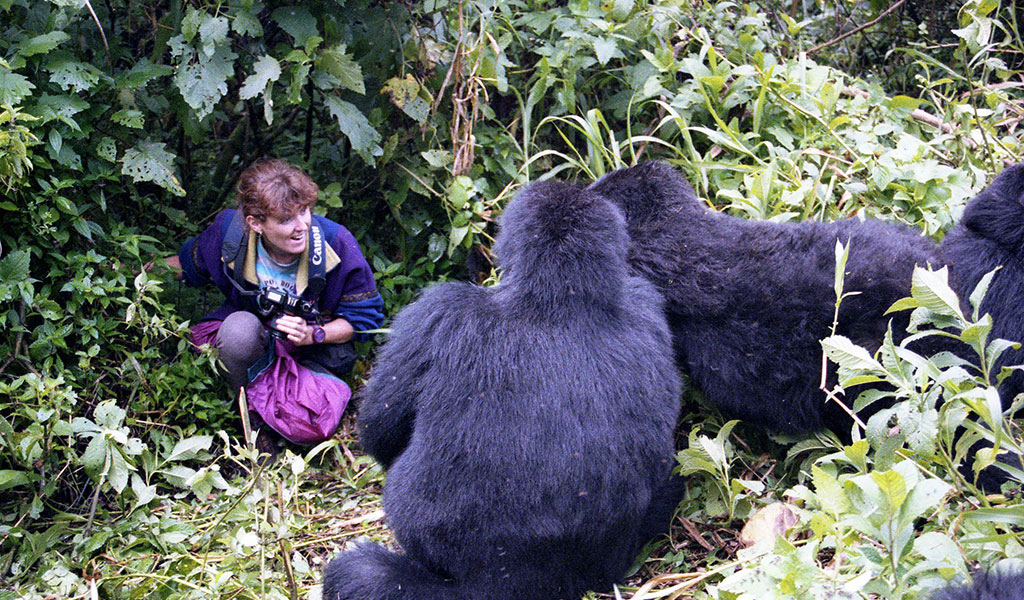
- Bwindi (Uganda) lives up to its name — "impenetrable." It's ancient, tangled rainforest with steep, muddy trails, and treks can run anywhere from 2 to 8 hours round-trip depending on where the gorilla family is feeding that day. It feels genuinely wild and unpredictable.
- Volcanoes National Park (Rwanda) sits at higher altitude on the slopes of the Virunga volcanoes, with more open bamboo and eucalyptus forest in places. Treks are often (though not always) somewhat shorter, and the scenery includes dramatic volcanic peaks as a backdrop — plus the option to add a hike to Diane Fossey's former research camp.
Fitness demands are broadly similar in both countries: expect steep, uneven, sometimes slippery ground, and be prepared for a multi-hour hike regardless of which park you choose. Porters are available (and worth hiring) in both places.
Gorilla Families and Availability
- Uganda has the edge in sheer numbers: over 20 habituated gorilla families spread across Bwindi's four trekking sectors (Buhoma, Ruhija, Rushaga, Nkuringo) plus one family in Mgahinga. More families generally means it's easier to secure last-minute permits, especially outside peak months.
- Rwanda has around a dozen habituated families in Volcanoes National Park, with a daily cap of roughly 112 permits (14 families × 8 visitors). Popularity plus the higher price hasn't dented demand — book 3 to 6 months ahead for peak season.
Accommodation and Overall Trip Cost
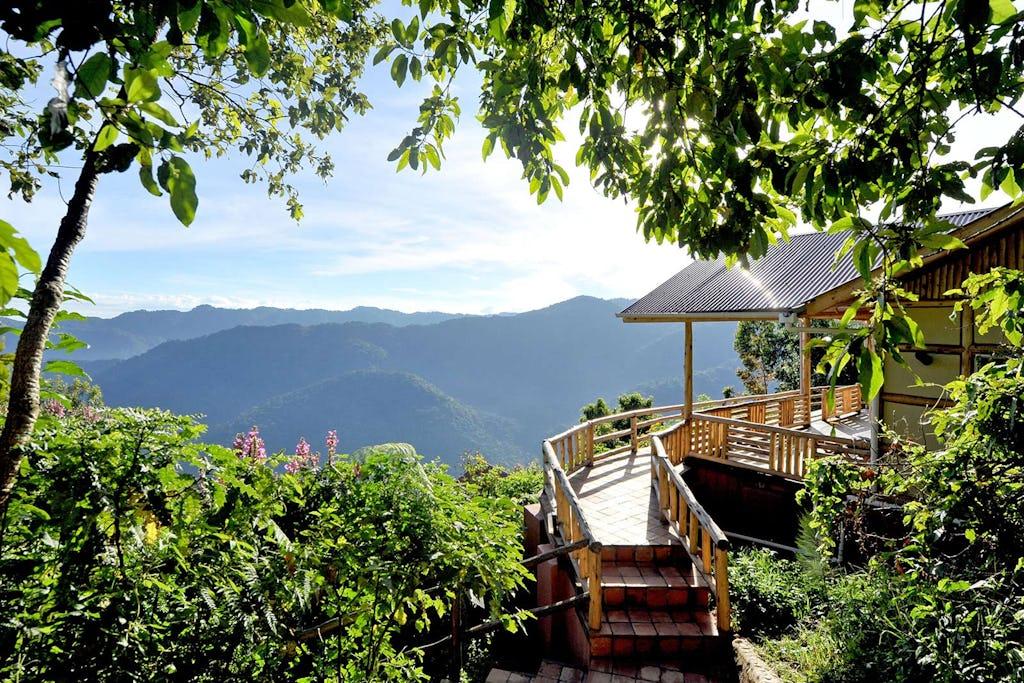
Rwanda's lodges near Volcanoes National Park lean heavily toward the luxury end, with some of Africa's most acclaimed eco-lodges charging well over US$1,000 a night. Budget options exist but are thinner on the ground.
Uganda offers a much wider spread — genuine budget guesthouses, solid mid-range lodges, and high-end options around Bwindi, so travelers can scale the rest of the trip to match their wallet even if they're paying for a premium permit sector.
When you add permit + lodging + transport together, a like-for-like week-long trip in Rwanda typically costs noticeably more than the same trip in Uganda, even before factoring in the permit gap.
Combining Gorillas with Other Wildlife
This is an underrated deciding factor. Rwanda is a compact, primarily gorilla-and-golden-monkey destination with limited additional big-game safari options within the country. Uganda, by contrast, lets you pair gorilla trekking with:
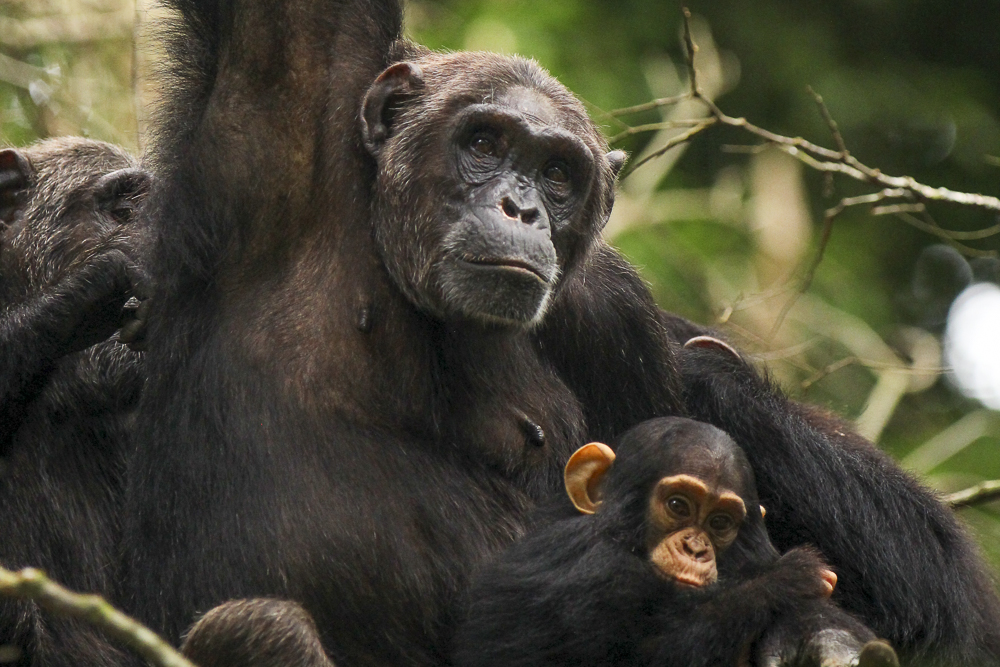
- Chimpanzee tracking in Kibale Forest ("the Primate Capital of the World")
- Tree-climbing lions and boat cruises in Queen Elizabeth National Park
- Big-game game drives and the Nile in Murchison Falls National Park
- Bird watching (Uganda hosts over 1,000 species)
If your trip is "gorillas plus a proper safari," Uganda usually wins simply on breadth of experience within one country.
So, Which Is Really Worth It?
Choose Uganda if:
- Budget matters and you want more trip for your money
- You're building a longer, multi-park safari itinerary
- You don't mind a longer overland journey to reach the park
- You want a wider range of accommodation price points
Choose Rwanda if:
- Time is limited and you want minimal travel to the trail-head
- You're drawn to a more polished, luxury-oriented experience
- You're combining the trek with a short, high-end getaway rather than a longer safari circuit
Some travelers even do both in a single trip, crossing the Uganda-Rwanda border to trek in each country — a route several operators now package directly.
Whichever you choose, the encounter itself is the real value: an hour spent a few meters from a wild silverback, watching a family group feed, groom, and rest exactly as they would if you weren't there. That part, at least, is worth every dollar in either country.
Permit prices and park details reflect 2026 figures and are subject to change by the Uganda Wildlife Authority and Rwanda Development Board. Always confirm current rates before booking.
Planning a gorilla trekking adventure in Africa and still haven't decided between Uganda and Rwanda- contact us to day and let our experts do the planning for you. You can email to info@ugandasafaribookings.com or call +256-700135510.