
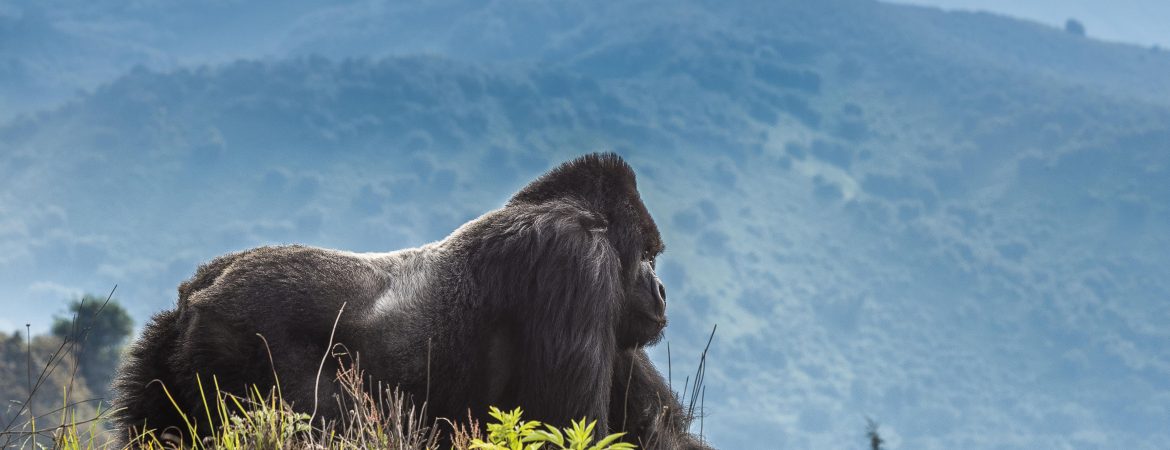
Mountain gorillas exist in the wild in only three countries: Uganda, Rwanda, and the Democratic Republic of Congo. Of these, Uganda and Rwanda sit close enough together that combining both into a single trip is not only possible but increasingly popular among travelers who want to experience gorilla trekking from two different angles — Uganda's rugged, bio diverse forests and Rwanda's more accessible volcanic slopes. This guide breaks down what cross-border gorilla trekking actually involves: how the parks differ, what the logistics look like, what it costs, and how to decide whether one country, or both, makes sense for your trip.
Why Trek Gorillas in Both Countries
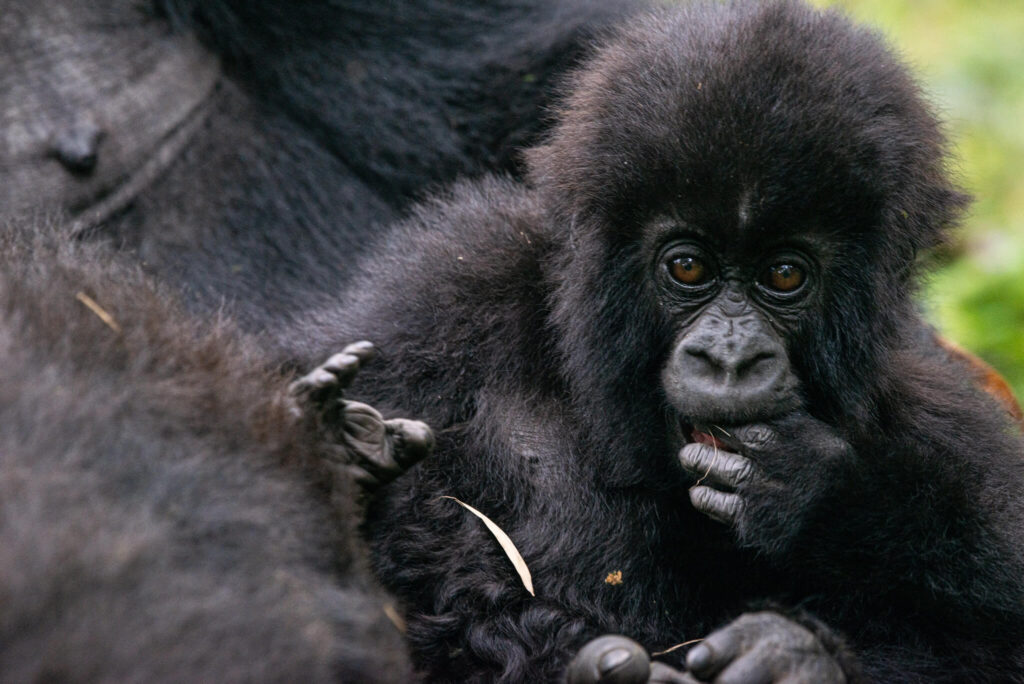
Uganda and Rwanda each offer a genuinely different gorilla trekking experience, which is exactly why many travelers choose to do both rather than pick one over the other. Uganda's Bwindi Impenetrable National Park is home to roughly half the world's remaining mountain gorillas, spread across four trekking sectors, and its dense, ancient forest delivers a wilder, more immersive trek — often longer and more physically demanding, but with a lower permit cost. Rwanda's Volcanoes National Park, by contrast, sits on the slopes of the Virunga volcanoes, where trails tend to be shorter and gentler, gorilla families are often found closer to the park boundary, and the overall infrastructure — roads, lodges, park facilities — is more polished. Doing both means experiencing the full range of what mountain gorilla trekking in East Africa looks like, rather than settling for a single data point.
How the Two Countries Compare
Uganda (Bwindi Impenetrable National Park)
- Permit cost: $800 per person (high season), discounted to $600 in April, May, and November
- Trekking time: 1–8 hours depending on gorilla family location
- Terrain: Dense, hilly rainforest — physically demanding
- Gorilla population: Roughly 20 habituated families across four sectors
- Access: 8–10 hour drive from Entebbe, or a short domestic flight
Rwanda (Volcanoes National Park)
- Permit cost: $1,500 per person
- Trekking time: 1–6 hours, generally shorter than Bwindi treks
- Terrain: Volcanic slopes — steep in places but shorter overall trails
- Gorilla population: Around 12 habituated families
- Access: 2–3 hour drive from Kigali
Rwanda's higher permit price reflects its more developed tourism infrastructure and shorter average trek times, while Uganda offers a lower cost of entry and a larger number of gorilla families to be allocated across.
Crossing the Border for a Combined Trek
The most common overland crossing for this route is Cyanika, connecting southwestern Uganda directly to Musanze, the gateway town for Rwanda's Volcanoes National Park — a drive of roughly 1.5–2 hours from Bwindi's Ruhija or Rushaga sectors. A second, less direct route runs through Katuna/Gatuna, further north.
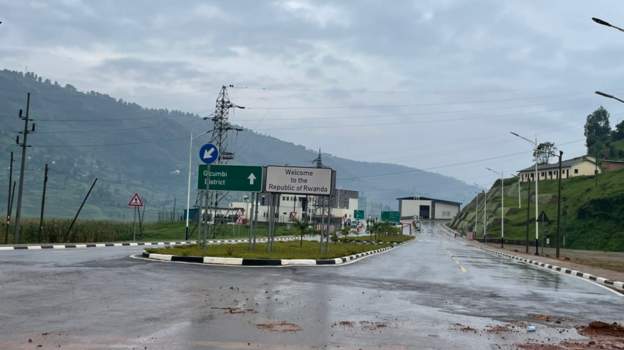
Border logistics are straightforward for most nationalities. You'll need a valid passport, appropriate visa (the East Africa Tourist Visa, at $100, covers Uganda, Rwanda, and Kenya on one multiple-entry visa and is the simplest option for this route), and proof of yellow fever vaccination, which both countries require on entry. Most tour operators handle the border paperwork directly, and the crossing itself typically takes under an hour outside of peak periods.
Planning a Cross-Border Trek: Practical Considerations
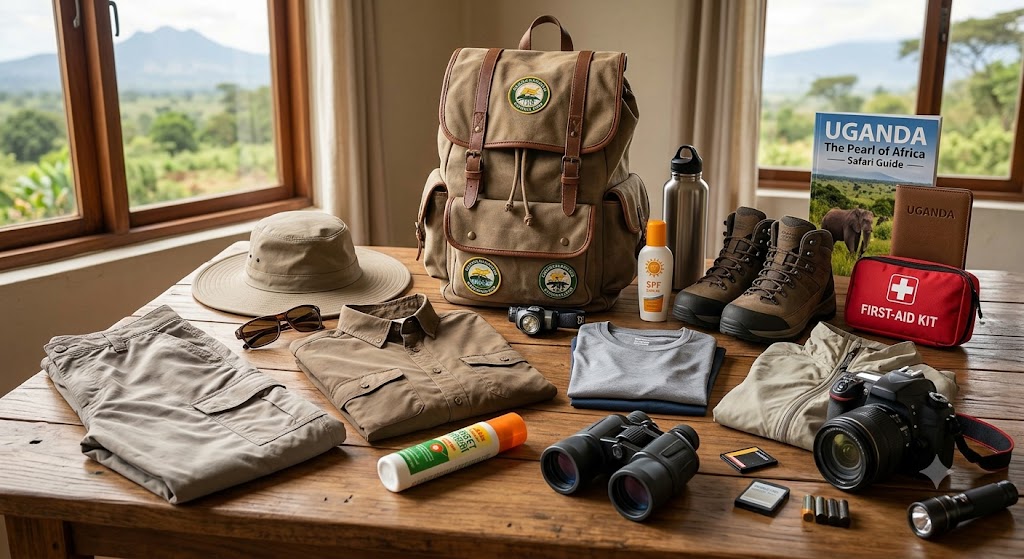
Order of countries matters less than logistics. Some travelers start in Uganda and finish in Rwanda before flying out of Kigali; others do the reverse. Flying into Entebbe and out of Kigali (or vice versa) avoids backtracking and is generally the more efficient routing.
Permit booking timelines differ. Rwanda's gorilla permits, being fewer and higher-demand, should ideally be booked 4–6 months in advance for peak season. Uganda's permits have somewhat more flexibility but still sell out during June–September and December–February.
Two treks means two separate physical efforts on consecutive days is uncommon — most itineraries space the two treks a day or two apart, using the days between for game drives in Queen Elizabeth National Park or a stopover at Lake Bunyonyi.
Budget accordingly. Between the two permits alone, cross-border gorilla trekking runs $2,100–$2,300 per person before accounting for accommodation, transport, park fees, and guiding — making it a premium addition to an East Africa itinerary, but one many repeat visitors describe as worth the cost for the contrast between the two experiences.
Is Cross-Border Gorilla Trekking Worth It?
For first-time visitors on a single trip to the region, one gorilla trek — in either country — is enough to have a complete, memorable experience. Cross-border trekking tends to appeal most to serious wildlife travelers, photographers wanting variety in terrain and light, and those who are already combining Uganda and Rwanda for other reasons (chimp tracking, Big Five safari, Kigali city time) and want to make the most of being in the region. If gorillas are the main event of your trip rather than one stop among several, doing both countries is a genuinely different experience from doing either alone.
Booking a Cross-Border Trip
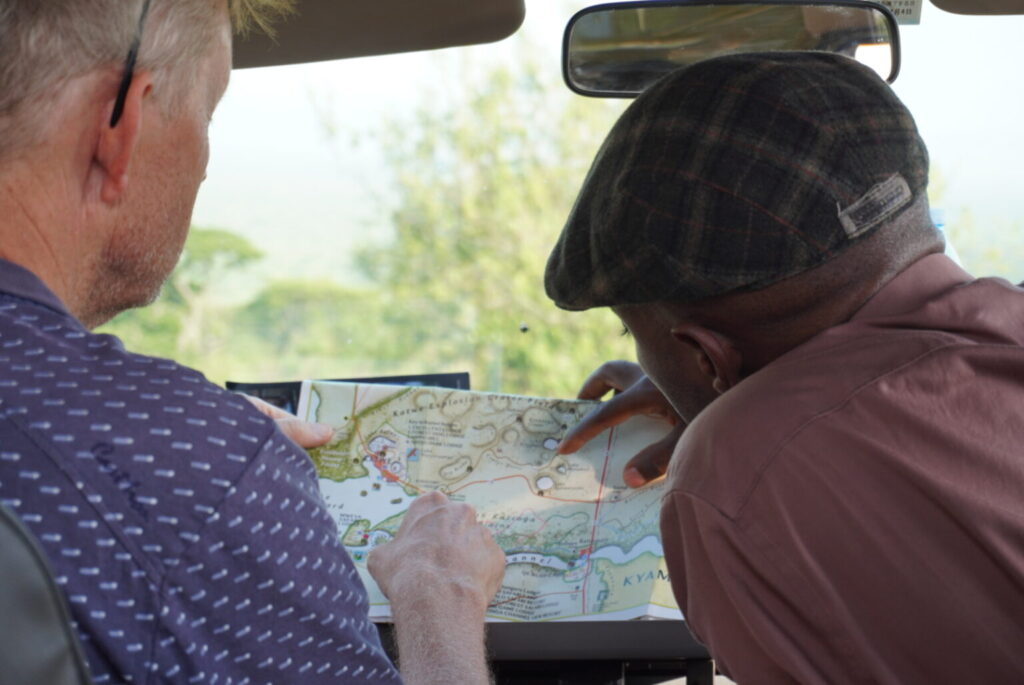
Because permits, border logistics, and lodge availability all need to line up across two countries, most travelers book cross-border gorilla trekking as a structured tour rather than piecing it together independently. A well-designed Uganda Rwanda safari itinerary handles permit reservations, border crossings, and accommodation in both countries as a single coordinated trip, which removes most of the friction that comes with planning across two national parks systems and two sets of visa and permit rules.
Final Thoughts
Cross-border gorilla trekking isn't a requirement for a great Uganda or Rwanda trip — but for travelers who want to see mountain gorillas from more than one angle, in more than one forest, it's one of the few genuinely unique wildlife experiences left in Africa. With the right planning around permits, borders, and pacing, combining the two countries turns a single bucket-list moment into two distinct ones.
PLanning to do a cross-border gorilla safari in Uganda & Rwanda today, simply contact us now by sending an email to info@ugandasafaribookings.com or call us now on +256-700135510.
Bryan Muhoozi