
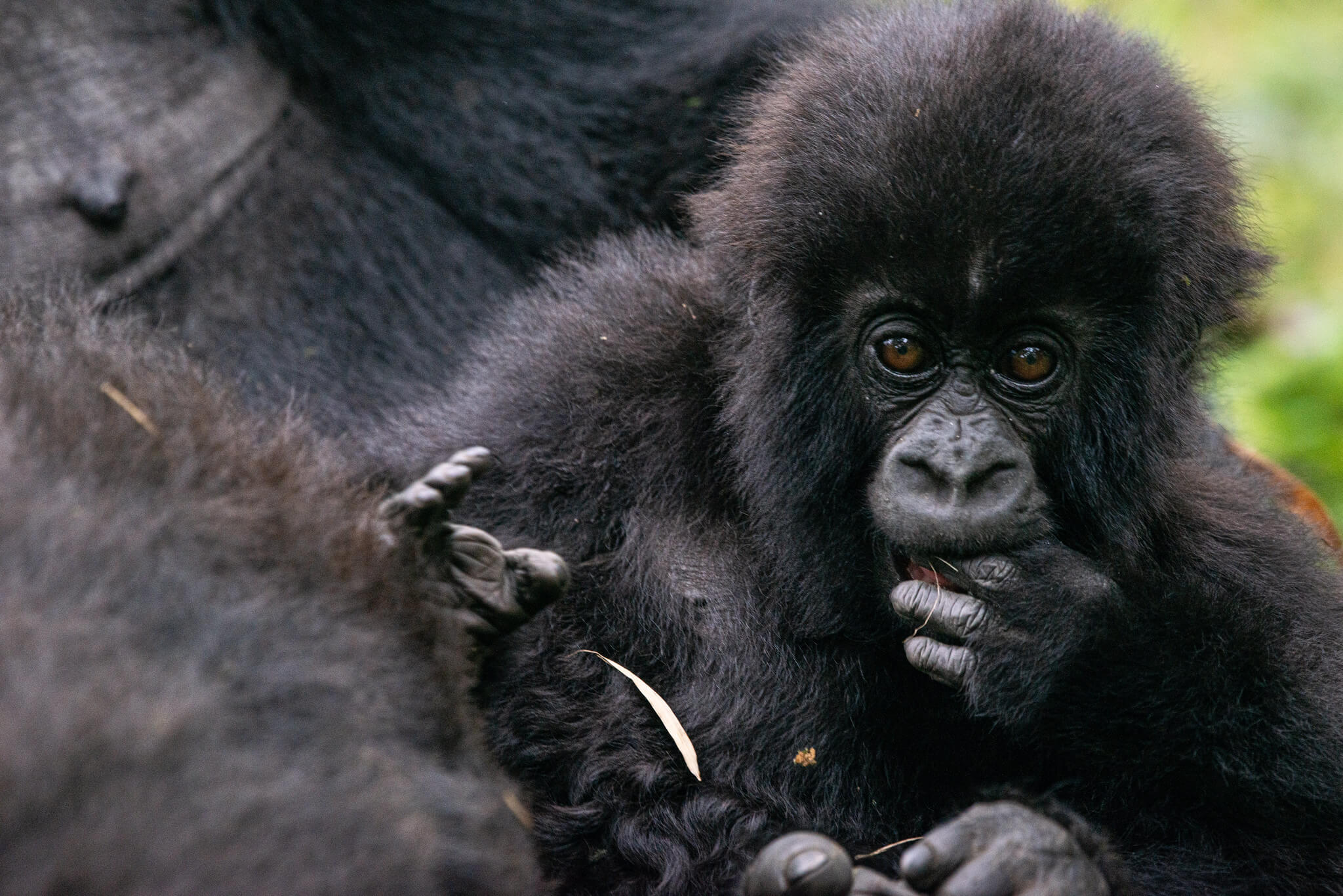
There are wildlife encounters, and then there's standing three meters from a 200kg silverback in the misty highlands of an African rainforest, watching him watch you back. Gorilla trekking occupies a category of its own in African travel — not because it's the easiest safari, or the cheapest, but because nothing else comes close to matching the intimacy, rarity, and sheer emotional weight of the experience. Of everything Africa's wilderness has to offer — the Big Five, the Great Migration, the endless plains of the Serengeti — gorilla trekking is the one experience seasoned safari-goers and first-timers alike tend to describe as life-changing. This is why.
A Species You Can Only See in Three Places on Earth
Start with scarcity. Mountain gorillas exist in the wild in exactly three countries — Uganda, Rwanda, and the Democratic Republic of Congo — and nowhere else on the planet. With fewer than 1,100 mountain gorillas left in existence, this isn't a species you can casually add to an itinerary the way you might a lion or an elephant sighting. Every trek represents a genuinely rare privilege: an encounter with one of Earth's most endangered great apes, in one of its last remaining strongholds.
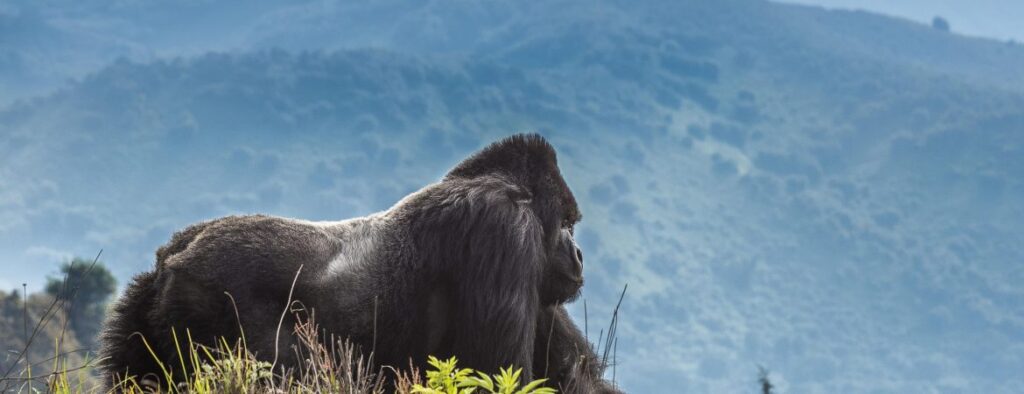
That scarcity is exactly what makes gorilla trekking feel different from every other safari activity. Lions, elephants, and giraffes are found across dozens of countries and thousands of protected areas. Mountain gorillas are found in a handful of forest blocks spanning three nations — which means a successful trek isn't just a wildlife sighting, it's access to something the vast majority of the world will never see.
The Trek Itself Is Part of the Magic
Unlike a game drive, where wildlife comes to you across open plains, gorilla trekking asks something of you first. You earn the encounter. Treks begin with an early morning briefing at park headquarters, followed by a hike into dense, ancient rainforest — sometimes over in an hour, sometimes stretching to five or six hours through steep, muddy, vine-tangled terrain that hasn't changed meaningfully in millennia.
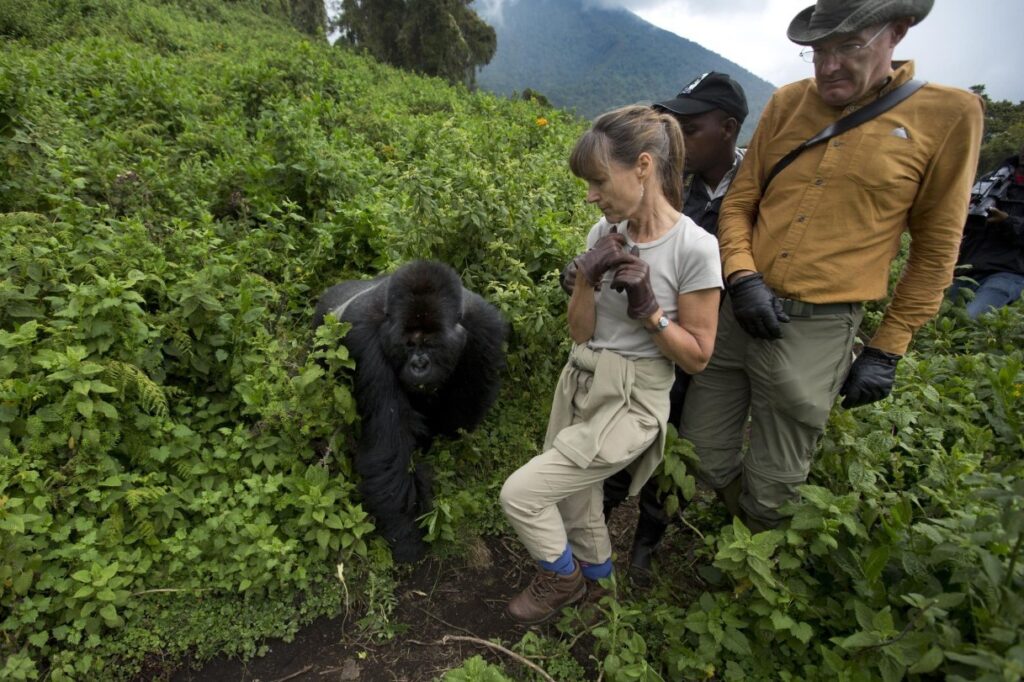
That effort transforms the eventual encounter. By the time you round a final bend in the forest and see dark shapes moving through the undergrowth, you're not a passive observer in a vehicle — you're a visitor who has physically journeyed into the gorillas' world, on their terms, through the same forest they call home.
An Hour That Rewires How You See Wildlife
Once you've located a habituated gorilla family, you're granted exactly one hour in their presence — a rule strictly enforced to protect the gorillas' well being. It's a strange, powerful constraint. There's no lingering, no second visit that afternoon, just sixty unhurried minutes to watch a silverback patrol his territory, juveniles wrestle and tumble through the undergrowth, and mothers groom infants with an unmistakable, almost human tenderness.
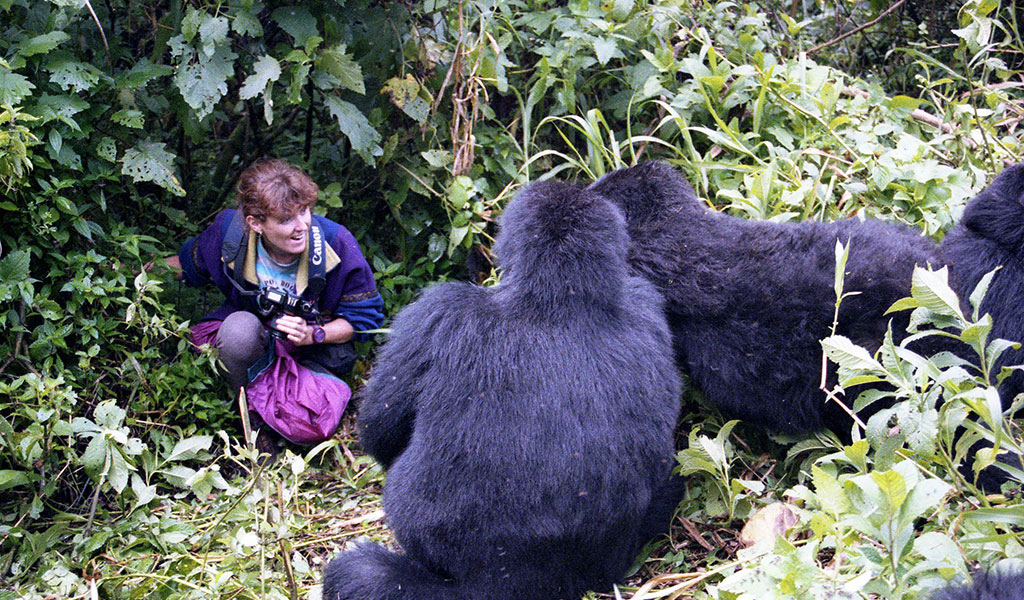
It's that tenderness that catches most visitors off guard. Gorillas share roughly 98% of human DNA, and it shows — in their expressions, their social bonds, the way they make eye contact. Trekkers routinely describe the experience less like wildlife viewing and more like meeting a distant, forest-dwelling relative. Few safari activities anywhere in Africa produce that same jolt of recognition.
Conservation You Can Actually See Working
Gorilla trekking is also one of the rare tourism experiences where the economics genuinely support the cause. Permit revenue funds ranger patrols, anti-poaching operations, and community programs in the areas surrounding gorilla habitats — and it's worked. Mountain gorillas are one of the only great ape populations in the world whose numbers have been rising, not falling, largely because trekking tourism gave local communities and governments a direct financial incentive to protect the forests instead of clearing them.
Visiting isn't just a personal bucket-list moment — it's a direct, tangible contribution to one of conservation's genuine modern success stories.
Planning Ahead: Gorilla Bookings and Permit Demand
Because gorilla trekking is capped — only one hour with a habituated family, and a strictly limited number of permits issued per day, per park — gorilla bookings sell out well in advance, especially during peak dry seasons (June–September and December–February). Uganda issues around 20 permits per gorilla family per day, and Rwanda's Volcanoes National Park issues even fewer, which means high-demand periods can book out months ahead.
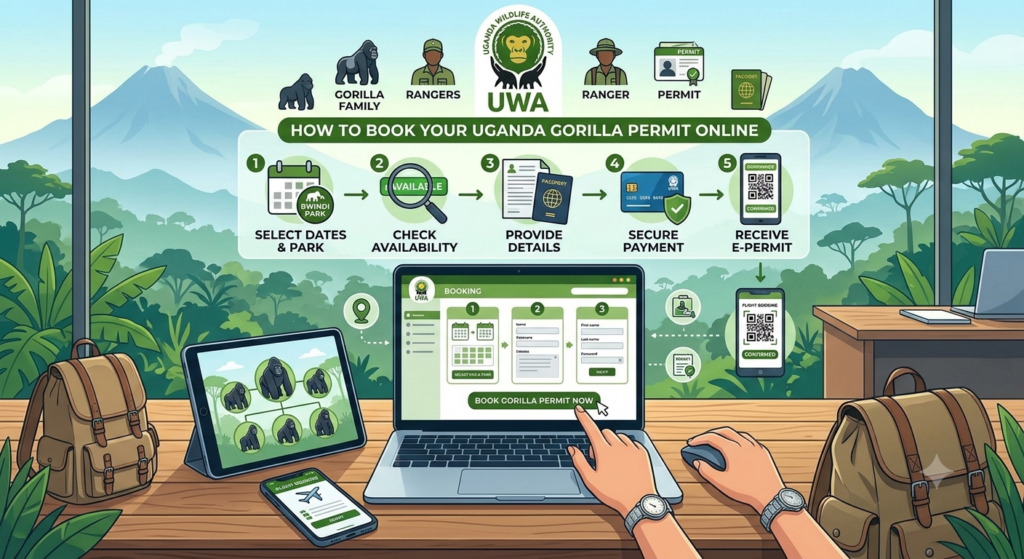
This is the part of gorilla trekking that trips up unprepared travelers the most: it's not a walk-up activity. Securing your permit through proper gorilla booking channels — ideally 4–6 months ahead for peak season, or 2–3 months for shoulder and low season — is the single most important step in making sure the trip actually happens on the dates you want. Reputable tour operators handle this permit reservation process directly, coordinating it with your lodge and transport bookings so nothing falls through the cracks.
Gorilla Trekking vs. the Rest of the Safari World
It's worth being honest about what gorilla trekking isn't. It's not a relaxed game drive from an open vehicle with sun-downers at the end. It's physically demanding, sometimes muddy and uncomfortable, and considerably more expensive per hour than almost any other wildlife experience on Earth, permit costs running from $600–$1,500 depending on country and season.
But that's precisely the trade-off that makes it Africa's ultimate safari experience rather than just another one. The Serengeti's migration is vast and unforgettable in its scale; gorilla trekking is intimate and unforgettable in its closeness. One is about witnessing nature at its most epic; the other is about a genuine, individual connection with a creature that looks back at you with something unmistakably like recognition.
Final Thoughts
Africa offers no shortage of extraordinary wildlife experiences, but gorilla trekking sits apart — rare, hard-earned, deeply moving, and tied directly to one of conservation's few real success stories. If there's one safari experience worth building an entire trip around, this is it. The only real decision left is making sure your gorilla bookings are locked in early enough to guarantee your place in the forest.
Planning to do gorilla trekking in Uganda, Rwanda or Congo- we at Uganda Safari Bookings will be more than happy to organize your safari helping you purchase gorilla permits, booking accommodation & meals as well as available comfortable 4x4 transportation. Just contact us now by sending an email to info@ugandasafaribookings.com or calling +256-700135510.