
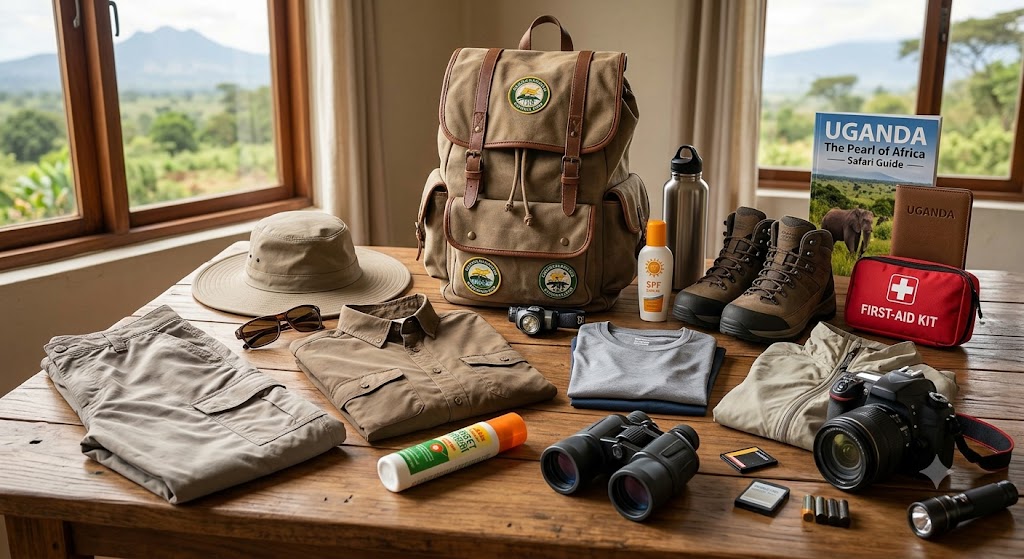
Gorilla trekking is unlike a normal hike. You're moving through dense, humid rainforest, on steep and often muddy terrain, for anywhere between 2 and 8 hours round-trip — all to earn one unforgettable hour with a wild mountain gorilla family. The right gear won't just keep you comfortable; it can genuinely determine whether you enjoy the trek or spend it distracted by wet feet, stinging nettles, or a dead camera battery.
Here's exactly what to pack for gorilla trekking, organized by category, plus what to skip.
The Six Essentials (Don't Trek Without These)
If you remember nothing else, remember this shortlist:
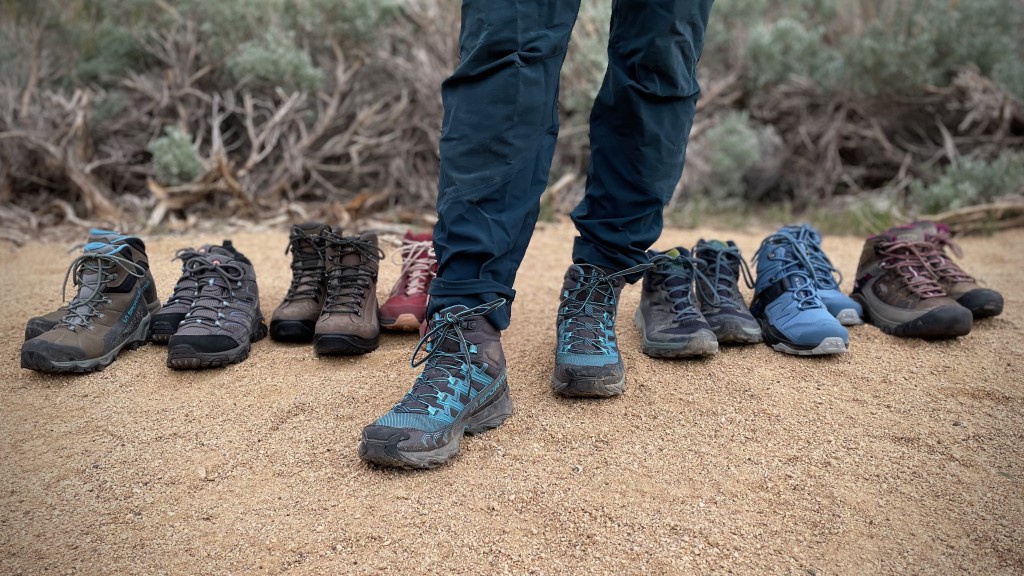
- Waterproof hiking boots with ankle support — broken in well before your trip, not straight out of the box
- Gardening gloves — for grabbing vines, branches, and thorny vegetation on steep sections
- A rain jacket — packable and breathable, not a poncho (ponchos snag on branches)
- Long-sleeve layers in neutral colors — protection from nettles, insects, and scratches
- A small daypack with 2 liters of water — this is what you carry on the trail
- A face mask — Uganda Wildlife Authority guidelines require trekkers to wear one during the viewing hour, to protect gorillas from human respiratory illnesses
Everything else below is about refining and supporting these six.
Footwear
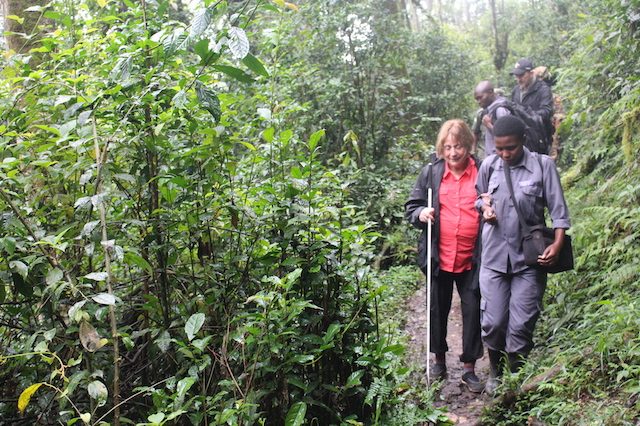
- Hiking boots, mid-to-high ankle, waterproof, well broken-in. Bwindi's trails are steep, root-covered, and frequently coated in slick clay mud — sneakers or low-cut trail shoes won't cut it.
- Gaiters (knee-high, waterproof). These stop mud, water, and biting ants from getting into your boots and are one of the most-forgotten items on most packing lists. If you don't own a pair, they can often be rented locally at the park or from your lodge.
- Thick hiking socks, worn with trousers tucked in — this combination is your main defense against Uganda's safari ants, which can bite through thin fabric.
Clothing
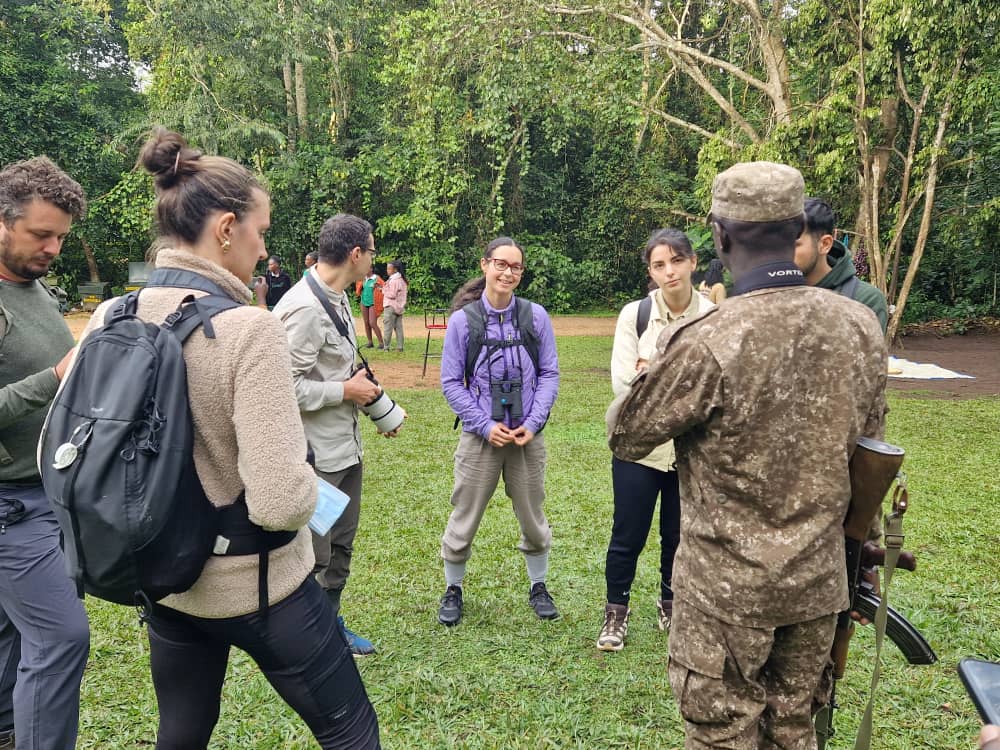
- Long-sleeve, moisture-wicking shirt in neutral tones (khaki, olive, brown, grey). Bright colors can disturb wildlife and make you more visible to insects.
- Long trekking trousers — avoid shorts entirely; the forest floor is thick with stinging nettles and thorny undergrowth.
- A fleece or lightweight down layer. trail head temperatures before sunrise can drop to around 10°C (50°F), especially at Bwindi's higher-elevation sectors.
- A packable rain jacket with a hood. Bwindi means "impenetrable forest" for a reason — rain can arrive with little warning, in any season.
- A neck gaiter or buff — doubles as insect protection in dense sections and a headband when the canopy opens up.
Layering order: long-sleeve shirt → fleece → rain jacket on top. Peel off layers as you warm up on the climb.
Hand and Head Protection
- Sturdy gardening gloves (cotton with rubber grip, or full leather). You'll be grabbing branches, vines, and roots constantly for balance on steep or slippery sections — bare hands get cut up fast on thorns and nettles.
- A brimmed hat or cap for sun and rain, secured well enough not to blow off or snag on branches.
Your Daypack
Pack a 20–30 liter water-resistant backpack — this stays with you on the trek itself, separate from your main luggage, which stays at the lodge. Inside it:
- 2 liters of water (a hydration bladder works well)
- Energy snacks or trail mix
- Rain cover for the pack (or a dry bag/liner inside)
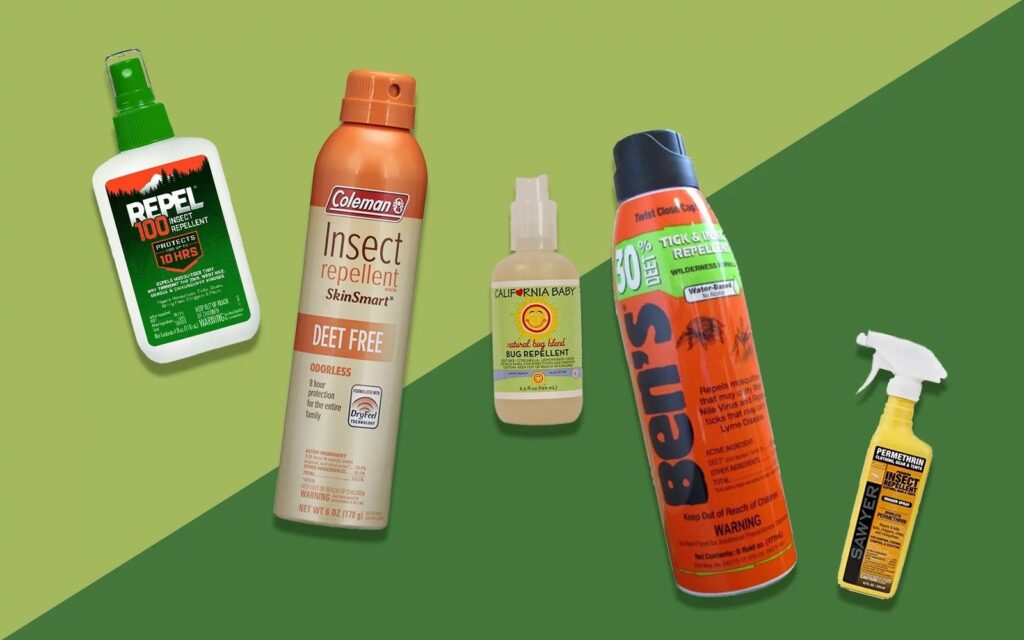
- Insect repellent (DEET-based, reapplied periodically)
- Sunscreen
- Personal first-aid kit: blister plasters, antiseptic, antihistamine, oral rehydration salts, pain relievers, anti-diarrhea tablets
- A basic camera with a mid-range zoom (70–200mm is ideal) — gorillas are often surprisingly close, so a huge telephoto lens can actually be a hindrance
- Extra camera batteries and memory cards — cold, humid conditions drain batteries faster than usual
- A copy of your passport and gorilla permit (your guide typically holds the originals, but carry a copy)
- Small bills in local currency for tipping your guide, trackers, and porter
Documents You Cannot Forget
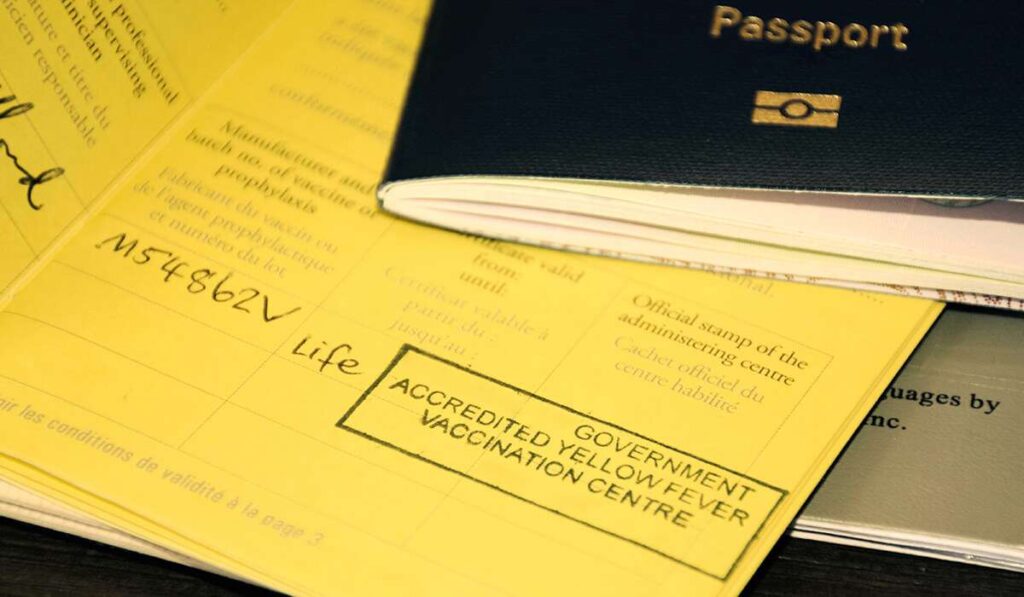
- Yellow fever vaccination certificate — Uganda requires this for entry; without it, you risk being denied boarding or quarantined on arrival.
- Passport (with the necessary visa/eVisa arranged in advance)
- Gorilla trekking permit confirmation
- Travel insurance details, including medical evacuation coverage if possible
Should You Hire a Porter?
Yes — and it's one of the best-value decisions you'll make on the trek. For roughly USD 10–20, a porter will carry your daypack, offer a steady hand on difficult sections, and help you navigate the trickiest parts of the trail. Many porters are local community members — some are former poachers who now earn a living supporting conservation tourism instead. Arrange one at park headquarters on the morning of your trek, and pay them directly in cash afterward.
What Not to Pack for gorilla trekking
- Bright-colored clothing — it can unsettle the gorillas and makes you a bigger target for biting insects
- Open-toed shoes or sandals — the terrain makes these genuinely unsafe
- A poncho instead of a proper rain jacket — ponchos snag constantly on vegetation
- An oversized telephoto lens — gorillas are often within a few meters; you won't need it, and it's one more heavy item to carry
- Excess luggage on the trail — anything not on this list belongs at your lodge, not in your daypack. Weight adds up fast on steep terrain.
Quick Reference: The Night-Before Checklist
- Waterproof, broken-in hiking boots
- Gaiters
- Thick socks + long trousers
- Long-sleeve shirt, fleece, rain jacket (layered)
- Gardening gloves
- Hat and neck gaiter
- Face mask
- 20–30L daypack
- 2L water
- Snacks
- Insect repellent and sunscreen
- First-aid kit
- Camera (70–200mm zoom) + extra batteries/memory cards
- Cash for tips (guide, tracker, porter)
- Passport, permit copy, yellow fever certificate
A Final Tip
Uganda's trekking sectors — Buhoma, Ruhija, Rushaga, and Nkuringo — vary in altitude and terrain difficulty, and the length of your trek depends entirely on where the gorilla family happens to be feeding that day. Pack for the possibility of a long, physically demanding day even if you're hoping for a short one. When in doubt, prioritize function over fashion: nobody remembers what you wore in the photos, but everyone remembers whether they were comfortable enough to enjoy the hour that made the whole trip worth it.
Gear requirements and park regulations reflect Uganda Wildlife Authority guidelines current as of 2026. Always confirm the latest rules with your tour operator before departure.
Planning to visit Bwindi or Mgahinga parks- we hope the above checklist on what to pack for gorilla trekking in Uganda will be of use. For a gorilla safari quote, simply contact us now by emailing to info@ugandasafaribookings.com or calling +256-700135510.