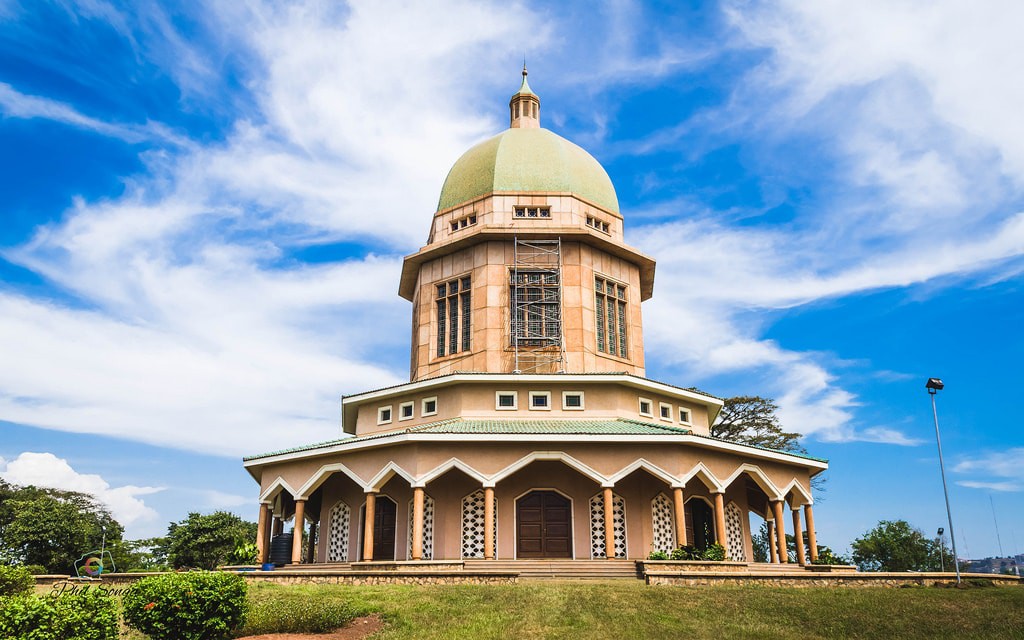
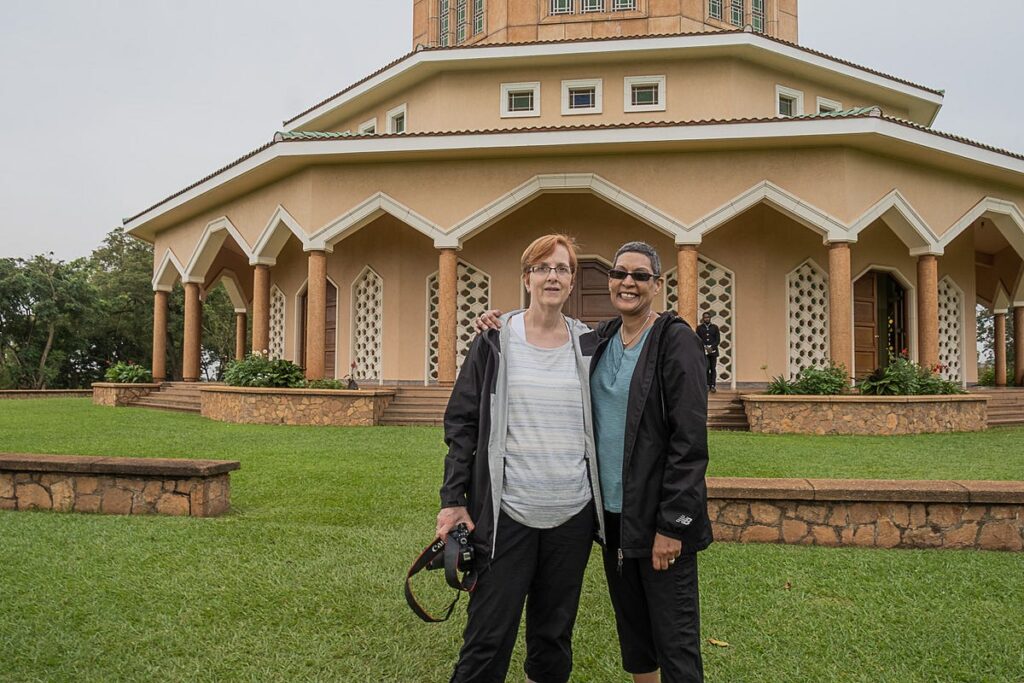
Rising serenely above the rooftops of northern Kampala, perched on the summit of Kikaya Hill with views that sweep across the city and out towards the shimmer of Lake Victoria on the horizon, stands one of the most quietly magnificent religious buildings in all of Africa. The Bahai Temple or Bahai House of Worship in Uganda — known formally as the Mother Temple of Africa — is a building that stops visitors in their tracks. Its smooth white dome, its graceful arched entrances opening in nine directions, its immaculate gardens cascading down the hillside, and the profound atmosphere of stillness and welcome that envelops the entire complex combine to create an experience that transcends the categories of tourism entirely and enters the realm of genuine encounter with the sacred.
Built between 1957 and 1961 and dedicated on 13th January 1961, the Kampala Bahai Temple was the first Bahai House of Worship to be built on the African continent and only the fourth in the entire world at the time of its completion. It is one of eight continental Bahai Houses of Worship that exist globally — one on each inhabited continent — and its designation as the Mother Temple of Africa carries profound spiritual and symbolic significance for the more than two million Bahai followers on the African continent and for the worldwide Bahai community of approximately five to eight million believers.
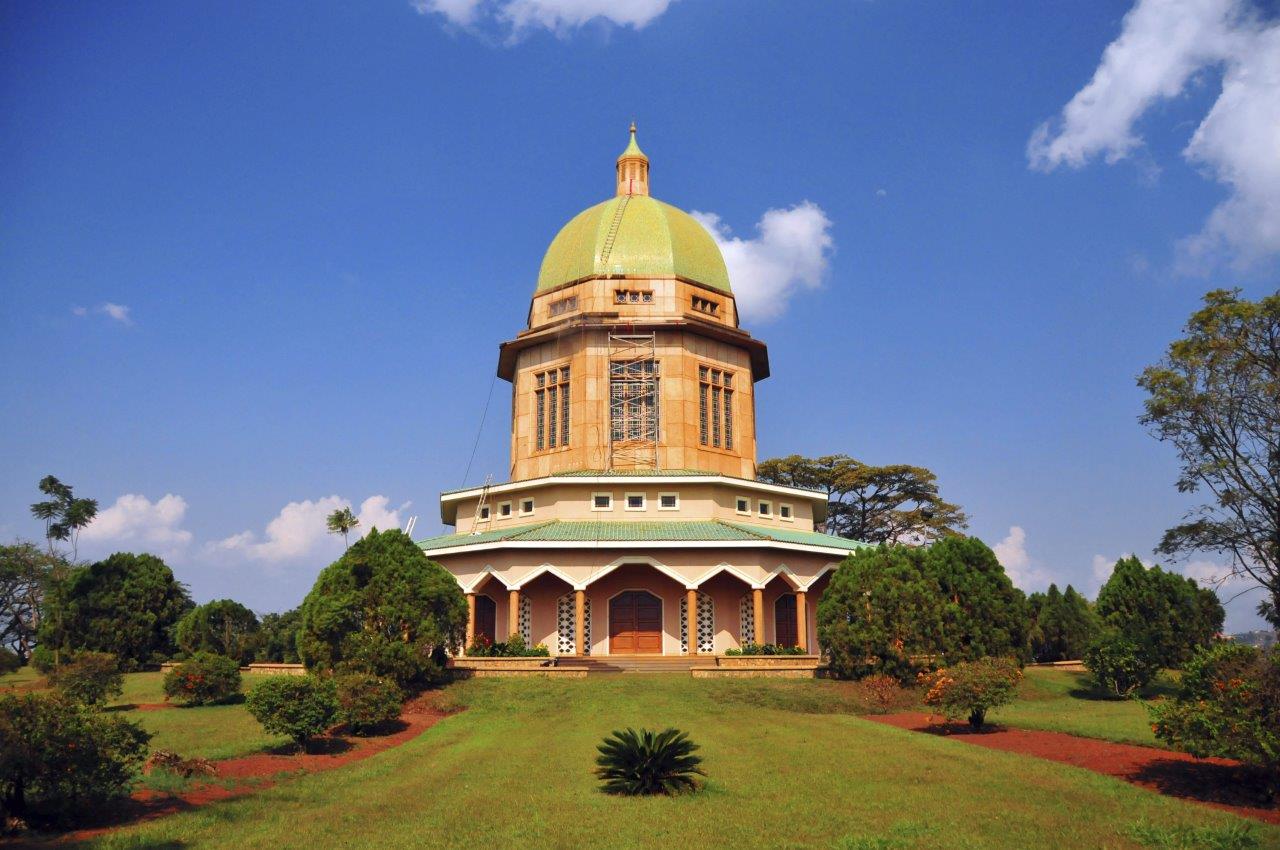
But the Bahai Temple of Uganda is far more than a building of religious significance. It is a historical landmark of the first order — a monument to the arrival and growth of one of the world’s youngest and most genuinely universal religions in Africa, a symbol of the extraordinary openness and spiritual receptivity of Uganda’s people, and an architectural achievement that has drawn admiration from architects, scholars, and visitors from around the world for more than six decades. It is, in every meaningful sense, a site that belongs not only to Uganda’s Bahai community but to Uganda’s national heritage and to the heritage of all humanity.
Historical Background: The Bahai Faith & Its African Journey
The Origins of the Bahai Faith
The Bahai Faith is one of the youngest of the world’s independent religions, founded in Persia — present-day Iran — in the mid-19th century. Its origins lie in the ministry of the Bab (meaning “the Gate”), who in 1844 proclaimed a new religious dispensation and announced the imminent coming of a greater messenger of God. The Bab was executed by Persian authorities in 1850, but his movement continued to grow.
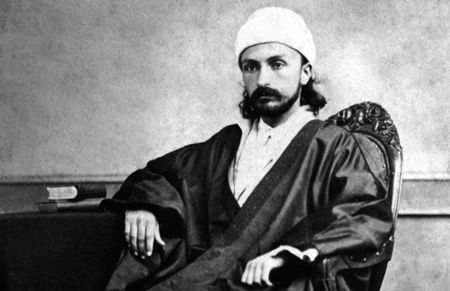 The central figure of the Bahai Faith is Baha’u’llah (meaning “the Glory of God”), who in 1863 proclaimed himself to be the messenger whose coming the Bab had foretold — indeed, the latest in a line of divine messengers that includes Abraham, Moses, Krishna, Zoroaster, Buddha, Jesus, and Muhammad. Baha’u’llah spent most of his life as a prisoner and exile of the Ottoman and Persian authorities, yet from his prison cell in Akka (present-day Israel) he wrote prodigiously, producing the scriptures, laws, and administrative framework of a new world religion.
The central teachings of the Bahai Faith are radical in their simplicity and universal in their scope: the oneness of God, the oneness of religion, and the oneness of humanity. Bahai teachings affirm that all the world’s great religions are expressions of a single, progressively unfolding divine plan; that humanity is a single family whose unity is the prerequisite for civilisational flourishing; and that the elimination of all forms of prejudice — racial, religious, national, and class-based — is among the most urgent moral tasks of our time.
The Bahai Faith Comes to Africa
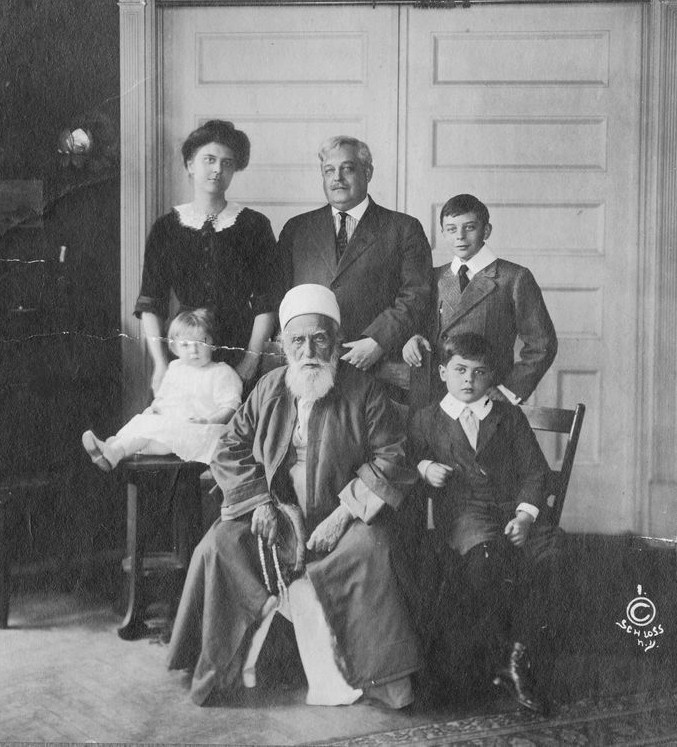
The spread of the Bahai Faith to Africa began in earnest in the early 20th century, as the faith’s administrative structures — developed by Baha’u’llah’s son Abdu’l-Baha and grandson Shoghi Effendi — began systematically organising the global expansion of the religion. Africa, with its extraordinary diversity of peoples, cultures, and spiritual traditions, was identified early as a continent of immense potential for the Bahai message.
The first Bahai pioneers — believers who voluntarily relocate to new territories to establish the faith — arrived in sub-Saharan Africa in the late 1940s and early 1950s. Uganda was among the earliest and most successful destinations for these pioneers, and the extraordinary growth of the Bahai community in Uganda in the 1950s created the conditions for what would become the faith’s most visible monument on the continent.
The Growth of the Bahai Faith in Uganda
The Bahai Faith arrived in Uganda in 1951, when the first pioneering Bahai families settled in the country. The response was remarkable. Within a very few years, thousands of Ugandans from across the country’s many ethnic communities had embraced the Bahai Faith, drawn by its message of human unity, its rejection of racial and ethnic prejudice, its commitment to the equality of men and women, and the quality of life modelled by the early Bahai communities.
The rapid growth of the Ugandan Bahai community in the early 1950s attracted the attention of Shoghi Effendi, the Guardian of the Bahai Faith, who oversaw the global development of the religion from his headquarters in Haifa, Israel. It was Shoghi Effendi himself who selected Uganda — and specifically Kampala — as the site for the first Bahai House of Worship on the African continent, and who purchased the land on Kikaya Hill for this purpose.
The Decision to Build: Shoghi Effendi and the Mother Temple of Africa
Shoghi Effendi’s Vision
Shoghi Effendi Rabbani was one of the most extraordinary figures in the history of the Bahai Faith — a man of profound spiritual insight, remarkable administrative genius, and extraordinary aesthetic sensibility. As Guardian of the Bahai Faith from 1921 until his death in 1957, he guided the global development of the religion through decades of growth, persecution, and institutional development.
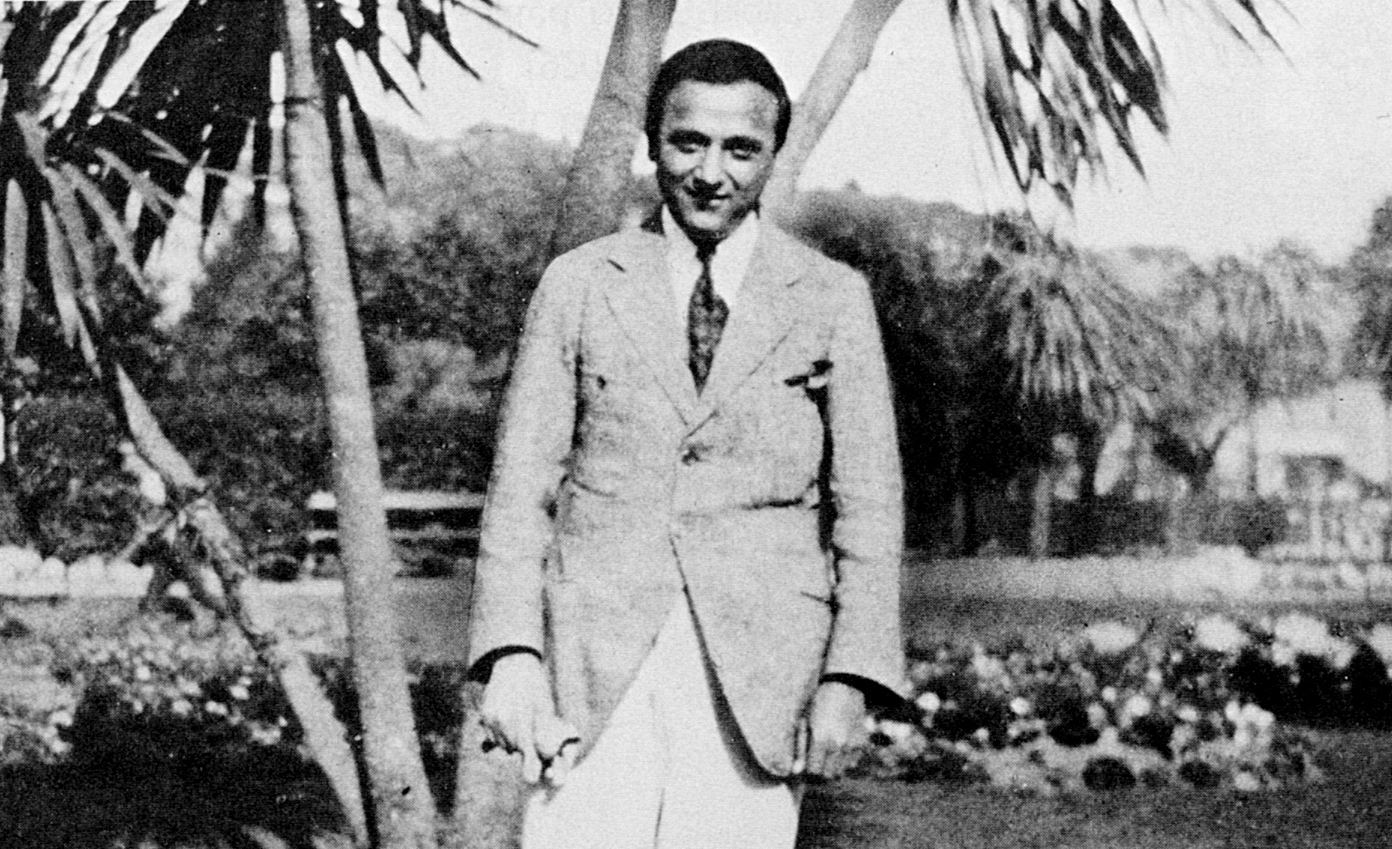
Shoghi Effendi understood the Bahai Houses of Worship not merely as buildings for congregational worship but as powerful symbols of the faith’s core teachings — most especially its commitment to the unity of all humanity and the universality of religious truth. Each House of Worship, in his vision, was to be a place where people of every background, every religion, every race and nation could come to pray, to meditate, and to experience the reality of human oneness.
His selection of Kampala as the site for the Mother Temple of Africa was deliberate and deeply considered. Uganda’s extraordinary ethnic and cultural diversity — with more than fifty distinct ethnic groups and strong communities of Christians, Muslims, and traditional religion practitioners — made it, in his view, the ideal location for a temple whose symbolic purpose was the proclamation of human unity. The site on Kikaya Hill, with its commanding views and its central location in East Africa, was purchased in the early 1950s, and the design and construction process began.
The Architect: Charles Mason Remey
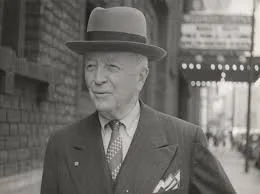
The design of the Kampala Bahai Temple was entrusted to Charles Mason Remey, an American Bahai architect who had already designed the Bahai Houses of Worship in Wilmette, Illinois (the Mother Temple of the West, completed 1953) and in Sydney, Australia. Remey worked closely with Shoghi Effendi on the design of the Kampala temple, producing a building that synthesised Bahai architectural principles with African environmental and cultural context.
The design that emerged is a masterpiece of mid-century religious architecture. The central dome — smooth, white, and perfectly proportioned — rises above a cylindrical drum pierced by nine arched windows. Nine stairways lead up to nine entrances — the nine-fold symmetry being a fundamental feature of all Bahai Houses of Worship, reflecting the faith’s teaching that all the world’s great religions are approaches to a single divine reality. The building is constructed from reinforced concrete faced with white marble aggregate, giving it a luminous quality that is particularly striking in the strong Ugandan sunlight.
Architecture: A Building That Speaks of Unity
The Significance of Nine
The number nine pervades the architecture of every Bahai House of Worship and carries deep theological significance. Nine is the highest single digit, associated in Bahai numerology with completion and perfection. The word “Baha” in the abjad numerical system of Arabic has the value of nine. And nine, most importantly, represents the nine major world religions whose essential unity is a central Bahai teaching — Sabianism, Hinduism, Buddhism, Zoroastrianism, Judaism, Christianity, Islam, the Babi Faith, and the Bahai Faith itself.

Every Bahai House of Worship therefore has nine sides, nine entrances, nine pathways, and a single central dome — the dome representing the single divine reality towards which all nine pathways lead. The architectural form is thus not merely aesthetic but theologically expressive — a building that embodies, in its very geometry, the core teaching of the faith it serves.
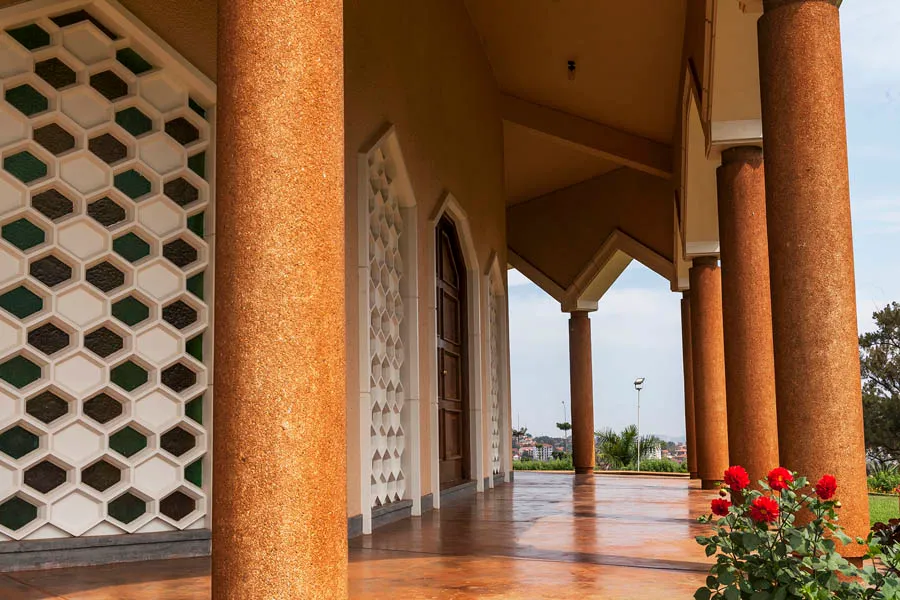
At the Kampala temple, this nine-fold structure is particularly elegant. The nine entrances open onto the surrounding gardens in every direction, symbolising the welcome extended to people of every background. There are no barriers, no checkpoints, no requirements for entry — any person of any faith or no faith is free to enter, to sit, to pray in whatever form their own tradition prescribes, and to leave in peace.
The Interior
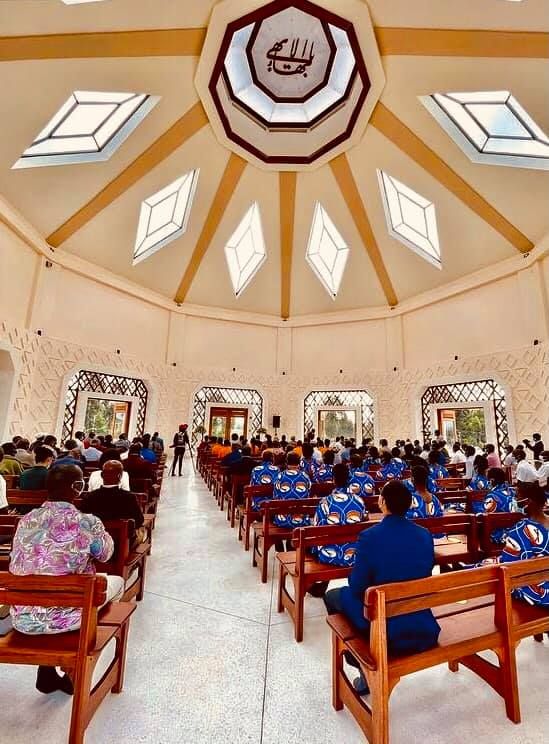
The interior of the Kampala Bahai Temple is a space of striking simplicity and extraordinary spiritual atmosphere. The circular interior space is arranged around the central axis of the dome, with rows of simple wooden pews arranged to face the centre. There are no altars, no statues, no images, no religious iconography of any kind — only the pure architectural space itself, the light filtering through the arched windows, and the sounds of whatever devotional programme may be in progress.
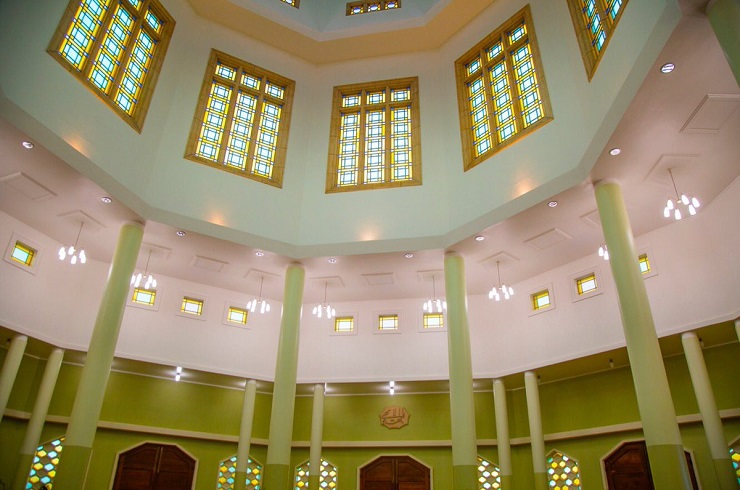
In Bahai Houses of Worship, only the recitation or singing of the sacred scriptures of the Bahai Faith — and, crucially, of all the world’s great religions — is permitted. There are no sermons, no clergy, no collection plates, no denominational services. The space is one of pure devotion, open equally to the prayers of a Christian, a Muslim, a Hindu, a Jew, a Buddhist, or a person of no formal religious affiliation. This radical inclusivity is physically embodied in the architecture — the nine open doors that face every direction of the compass, welcoming all who wish to enter.
The Gardens and Setting
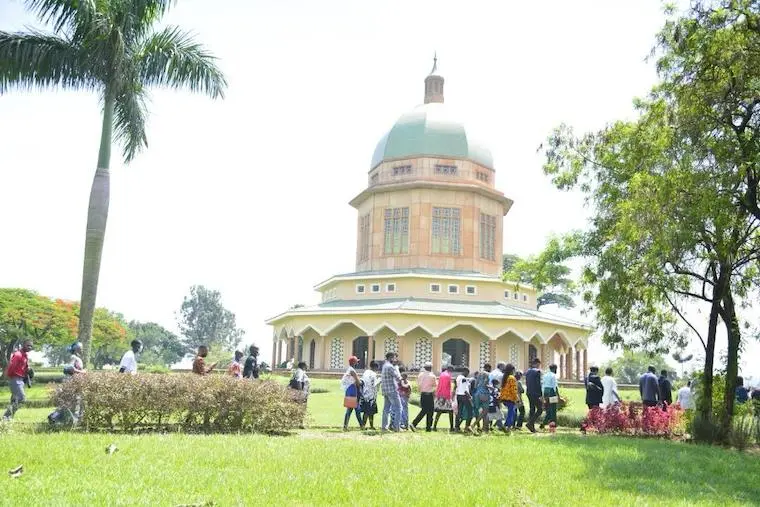
The gardens surrounding the Kampala Bahai Temple are among the most beautiful in Uganda and form an integral part of the overall experience of the site. Cascading down the slopes of Kikaya Hill in a series of terraced levels, the gardens are meticulously maintained and feature a rich variety of tropical and subtropical plants, flowering trees, and carefully tended lawns that provide a setting of remarkable serenity and beauty.
The pathways that wind through the gardens — nine of them, corresponding to the nine entrances of the temple — are lined with flowering hedges and ornamental plantings that guide visitors upward towards the temple and create a sense of gradual transition from the busy world outside to the stillness at the heart of the complex. The views from the upper garden terraces are spectacular, encompassing the sweep of northern Kampala, the distant hills of Wakiso District, and, on clear days, the gleam of Lake Victoria to the south.
The Dedication and Early History of Bahai Temple
The Dedication Ceremony of January 1961
The Kampala Bahai Temple was formally dedicated on 13th January 1961 — a date that marked a historic moment not only for the Bahai Faith but for Africa’s religious history more broadly. The dedication ceremony drew Bahai pilgrims and representatives from across Africa and from the worldwide Bahai community, as well as representatives of the Ugandan government and dignitaries from numerous faiths and nations.
The occasion was particularly poignant because Shoghi Effendi, the Guardian who had conceived and championed the building of the temple, had died in November 1957, before its completion. The dedication was therefore also an act of remembrance and gratitude — a community honouring the vision of its beloved leader by completing the work he had set in motion.
The hands of the Cause of God — the senior appointed figures of the Bahai Faith at that time — presided over the ceremony, and the assembled gathering was a remarkable expression of the international and multiracial character of the Bahai community: people from dozens of countries and every racial background, united in common devotion and shared purpose.
Uganda Under the Obote and Amin Regimes
The decades following the temple’s dedication were, in broader Ugandan terms, turbulent ones. The overthrow of Uganda’s democratic government by Milton Obote, the subsequent dictatorship of Idi Amin Dada, and the Uganda-Tanzania War of 1978-79 brought enormous suffering to the Ugandan people. The Bahai community, with its commitment to non-involvement in partisan politics and its emphasis on loyalty to legitimate government, navigated these years with considerable difficulty but maintained its presence and its institutions.
The Bahai Temple on Kikaya Hill remained standing throughout these years — a constant and serene presence above a city experiencing extraordinary upheaval. The temple’s survival through the Amin years is itself a minor historical miracle, given the generalised destruction and institutional collapse of that period. The Bahai community’s emphasis on peaceful, non-confrontational engagement with authority helped protect the temple and its community during this dangerous time.
Post-War Recovery and Growth
Following the end of the Amin era and the restoration of some measure of stability in the 1980s and 1990s, the Ugandan Bahai community entered a period of renewed growth and activity. New Bahai communities were established across the country, educational and social development projects multiplied, and the temple on Kikaya Hill resumed its role as the spiritual and administrative heart of the Bahai Faith in Africa.
Today, the Ugandan Bahai community is one of the largest and most active on the continent, and the Kampala temple receives tens of thousands of visitors annually — pilgrims, tourists, scholars, students, and the simply curious — from Uganda and from around the world.
The Bahai Faith in Uganda Today
A Community Rooted Across Uganda
The Bahai Faith in Uganda today is a genuinely national community, with local Bahai communities established in villages, towns, and cities across all regions of the country. The faith has grown particularly strongly in rural areas, where its emphasis on practical community development, education, and the equality of women has resonated deeply with the aspirations of ordinary Ugandans.
The Bahai community in Uganda operates numerous educational initiatives, including a network of tutorial schools offering academic support to children in underserved communities, moral education programmes for young people, and junior youth empowerment programmes that have reached tens of thousands of adolescents across the country. These practical social contributions have made the Bahai community a respected presence in Ugandan civic life far beyond its numerical size.
The Ruhi Institute and Community Development
One of the most significant contributions of the worldwide Bahai community to development thinking has been the Ruhi Institute curriculum — a series of courses in moral and spiritual education developed initially in Colombia and now used globally. In Uganda, the Ruhi courses have been widely adopted by Bahai communities as a framework for neighbourhood-level social and spiritual development, bringing together people of all backgrounds in collaborative study and action.
The emphasis in these programmes on building capacity within communities — rather than delivering services from outside — reflects a distinctively Bahai approach to development that has attracted the interest and respect of development professionals and policymakers in Uganda and internationally.
Relations with Other Faiths
The Bahai Faith’s foundational commitment to the oneness of religion and the unity of humanity makes interfaith engagement not merely a diplomatic courtesy but a spiritual imperative. In Uganda, where the coexistence of Christianity, Islam, and traditional religion has not always been harmonious, the Bahai community has played a quiet but consistent role in promoting interfaith dialogue and cooperation.
The Bahai Temple itself is the most visible expression of this commitment — a building that is genuinely open to all, where the prayers of every religion are equally welcome, and where the architecture itself proclaims the unity of all spiritual seeking. It is a powerful counter-testimony to the forces of religious division and exclusion that have caused so much suffering in Uganda and across the world.
The Visitor Experience
Getting to the Bahai Temple
The Bahai House of Worship is located on Kikaya Hill in the Gayaza Road area of northern Kampala, approximately 8 kilometres from the city centre. The site is easily accessible by private car or taxi from central Kampala, with the journey typically taking 20 to 40 minutes depending on traffic. Clear signage on Gayaza Road directs visitors to the temple, and the building’s gleaming dome is visible from considerable distance on the approach road.
The temple and its gardens are open to visitors every day of the week, free of charge. There is a small visitor reception area at the entrance to the complex where information about the Bahai Faith and the temple is available.
What to See and Experience
A visit to the Bahai Temple should begin with a walk through the gardens, taking time to appreciate both the beauty of the landscaping and the extraordinary views of Kampala that the hillside location affords. The ascent through the terraced gardens, following one of the nine pathways towards the temple, is itself a meditative experience — a gradual transition from the world outside to the stillness at the summit.
Inside the temple, visitors are invited to sit quietly, to reflect, and if they wish, to pray in whatever form their own tradition prescribes. The atmosphere inside the building is one of remarkable tranquillity — a quality that visitors of every religious background and none consistently remark upon. The pure white interior, the quality of the light, and the knowledge that this space has been a place of quiet devotion for more than six decades combine to create an experience that is genuinely moving.
The visitor centre at the complex provides an excellent introduction to the history of the Bahai Faith, the story of the temple’s construction, and the current activities of the Ugandan Bahai community. Knowledgeable Bahai volunteers are available to answer questions and to discuss the faith and the site with interested visitors.
Devotional Programmes and Holy Days
The Bahai community holds regular devotional gatherings at the temple, typically including the recitation and singing of prayers and sacred texts from the Bahai writings and from the scriptures of other world religions. These gatherings are open to all visitors and provide an opportunity to experience the temple not merely as an architectural monument but as a living place of worship.
The Bahai calendar includes nineteen months of nineteen days each, with the final days of the year designated as a period of fasting and preparation. Major Bahai holy days — including the commemoration of the Declaration of the Bab, the Birth of Baha’u’llah, and Naw-Ruz (the Bahai New Year, celebrated at the spring equinox) — are observed with gatherings at the temple that are open to the public and provide fascinating windows into Bahai devotional practice and community life.
Best Time to Visit
The Bahai Temple is a year-round destination, though visits during Uganda’s dry seasons — December to February and June to August — are generally most comfortable. The gardens are particularly beautiful during and immediately after the rainy seasons, when the lush tropical vegetation is at its most vibrant. Morning visits, before the heat of the day builds, allow for the most comfortable exploration of the gardens and the most contemplative time inside the temple.
Combining the Bahai Temple with Other Kampala Attractions
The Bahai Temple makes an excellent addition to a Kampala cultural itinerary that might also include the Kasubi Tombs (UNESCO World Heritage Site), the Uganda Museum, Namirembe and Rubaga Cathedrals, the Namugongo Martyrs Shrine, and the vibrant street life and markets of the city centre. The temple’s location on Gayaza Road places it conveniently on the route to or from Namugongo, making it natural to combine visits to both sites in a single day.
Architectural Legacy and Global Significance
Among the World’s Most Beautiful Religious Buildings
 The Kampala Bahai Temple has attracted the admiration of architects and architectural critics since its completion. Its combination of structural elegance, symbolic richness, and sensitive response to its hilltop site has led to its inclusion in numerous surveys of significant 20th-century religious architecture. The building demonstrates that the modern movement in architecture — with its emphasis on clarity, structural honesty, and the expressive use of materials — was perfectly capable of producing buildings of deep spiritual power and beauty.
The smooth white dome, the graceful proportions of the cylindrical drum beneath it, and the elegant rhythm of the nine arched entrances create a building that is both formally resolved and emotionally resonant — a rare combination in any era of architecture. The setting on Kikaya Hill, with its gardens and its views, amplifies the building’s impact enormously, demonstrating the importance of landscape as an integral component of sacred architecture.
The Global Family of Bahai Houses of Worship
The Kampala temple belongs to a global family of eight continental Bahai Houses of Worship, each architecturally distinct yet sharing the common features of nine-fold symmetry, a single central dome, and unconditional welcome to all people. The other Houses of Worship are located in Wilmette, Illinois (USA); Sydney, Australia; Frankfurt, Germany; Panama City, Panama; Apia, Samoa; New Delhi, India (the famous Lotus Temple); and Santiago, Chile.
Together, these eight buildings — joined now by a growing number of national and local Bahai Houses of Worship being constructed around the world — form an architectural testimony to the Bahai vision of human unity and spiritual universality that is without precedent in the history of religion. The Kampala temple, as the first and oldest of the continental Houses of Worship still standing in its original form, holds a special place in this global family.
Conclusion: A House Built for All Humanity
The Bahai Temple on Kikaya Hill is, at its most essential, a building built not for a sect, not for a nation, not for an ethnicity, but for the whole human family. Its nine open doors face every direction. Its prayers welcome every tradition. Its gardens invite every visitor. Its dome rises above the complex diversity of Kampala like a symbol of the unity that underlies all human difference.
In a world and a city that are sometimes fractured by the very differences the Bahai Faith seeks to transcend — religious differences, ethnic differences, political differences — the temple on Kikaya Hill stands as a quiet, consistent, and enormously powerful counter-testimony. It has stood through the turbulence of Uganda’s post-independence history, through dictatorship and war and recovery, and it continues to stand — serene, welcoming, and luminously beautiful — as an affirmation that the dream of human unity is not naive but necessary, not utopian but urgent.
To visit the Bahai Temple is to spend time in a place that has been dedicated, with complete sincerity and over many decades, to the best that humanity is capable of. Few experiences in Uganda — or anywhere — are more quietly uplifting. Few buildings in Africa speak more eloquently of what we could be, if we chose to be it.
✦ Visit the Bahai Temple with Uganda Safari Bookings
Ready to experience one of Africa’s most beautiful and spiritually uplifting landmarks? Uganda Safari Bookings offers expertly guided visits to the Bahai House of Worship and the full breadth of Kampala’s magnificent cultural and historical heritage — crafting journeys that connect visitors with the depth, diversity, and beauty of Uganda’s extraordinary story.
We offer tailor-made Kampala cultural day tours combining the Bahai Temple with Kasubi Tombs, Namugongo Martyrs Shrine, and the Uganda Museum, multi-day Uganda safari packages that pair Kampala’s heritage sites with gorilla trekking in Bwindi, chimpanzee tracking in Kibale, and game drives in Queen Elizabeth and Murchison Falls National Parks, spiritual and interfaith pilgrimage tours for groups and individuals, and private guided tours for architects, scholars, and heritage enthusiasts with specialist interests.
Our passionate, expert team is based in Uganda and knows every corner of this remarkable country. We are committed to providing travel experiences that are not merely enjoyable but genuinely meaningful — journeys that leave you with a deeper understanding of Uganda, its people, and its place in the human story.
To book a tour to Bahai Temple this season, simply contact us now by sending an email to info@ugandasafaribookings.com or 📞 Call / WhatsApp: +256-700135510.


More Articles
Fort Lugard
Sezibwa Falls
Ndere Cultural Center- Traditional Music, Dance & Drama