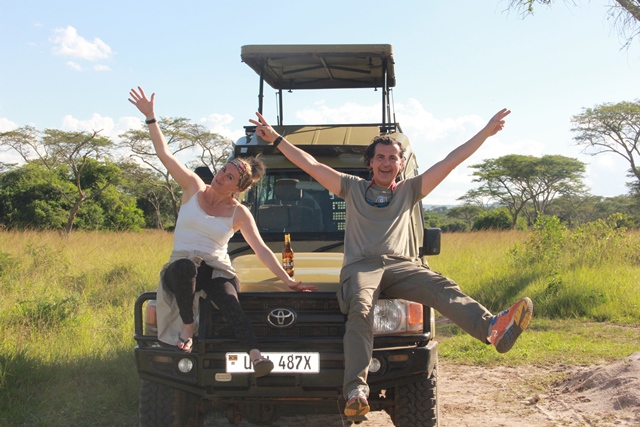
Uganda doesn’t whisper anymore. The country Winston Churchill famously called “the Pearl of Africa” has stepped fully into the spotlight, transforming from a backpacker’s secret into one of the world’s most compelling wildlife destinations — and the traveler profile arriving at Entebbe International has shifted dramatically alongside it.
Demand for Uganda safari packages has surged in 2026, driven by a growing appetite for experiences that go beyond the classic East African circuit. Travelers aren’t just passing through for a single gorilla trek; research from travel specialists points to an 8-night average stay as the benchmark for experiencing Uganda’s full range — from Bwindi’s misty forests to the savanna of Queen Elizabeth National Park.
The appeal is genuinely dual-tracked. Solo travelers are drawn to the raw, immersive adventure Uganda delivers. Couples, meanwhile, are discovering that intimate, high-end lodges tucked into remote wilderness offer a romance that overtouristed safari destinations simply can’t replicate.
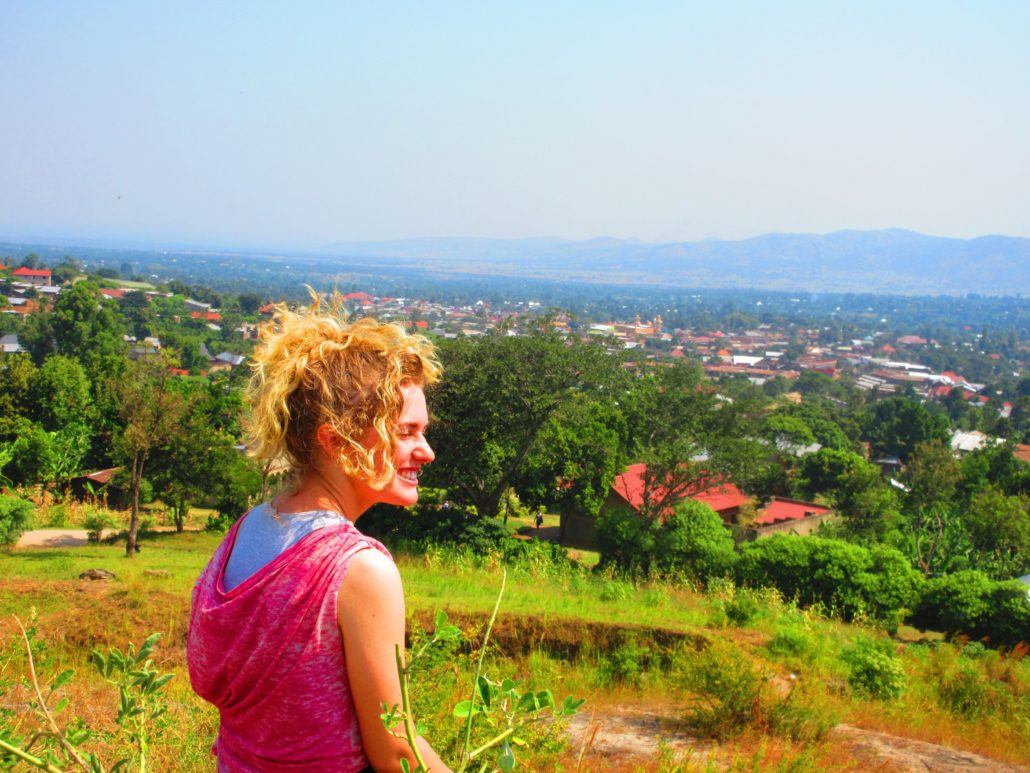
Uganda’s infrastructure has matured to support both audiences simultaneously — a rare achievement in adventure travel. The question is no longer whether Uganda is ready for discerning visitors. It’s whether you understand how to navigate it strategically. That starts with addressing the two concerns most solos and couples raise first: safety and cost.
The Solo Traveler’s Blueprint: Safety, Community, and the 315-Tour Advantage
Uganda solo safari packages have quietly become one of the most compelling options in African travel, and the market depth backing that claim is genuinely impressive. With over 300 group tours available across numerous operators, the infrastructure for independent travelers has matured well beyond what most first-time visitors expect. This isn’t a niche offering anymore — it’s a robust, competitive ecosystem.
Addressing Safety Head-On
Solo female travelers, in particular, often pause at the idea of East African travel. The reality on the ground in Uganda is considerably more reassuring than the hesitation suggests. The Uganda Wildlife Authority (UWA) ranger system deploys trained, armed rangers as mandatory escorts on every gorilla trek and most major wildlife activities. That model isn’t just about wildlife protection — it creates a structured, supervised environment throughout the most remote sections of your itinerary.
Uganda’s political climate has been stable for over a decade, and popular routes through Bwindi Impenetrable Forest and Queen Elizabeth National Park are well-monitored. As We Are Travel Girls note in their Uganda trekking guide, the ranger-led experience provides genuine reassurance for travelers going it alone.
The Group Joining Model: Smart Economics
Solo travel’s biggest practical obstacle is cost. Private safaris demand single-supplement fees that can inflate a budget significantly. The Group Joining Safari model solves this cleanly — you book into an existing small-group itinerary, share vehicle and guide costs, and pay a per-person rate rather than underwriting the entire trip.
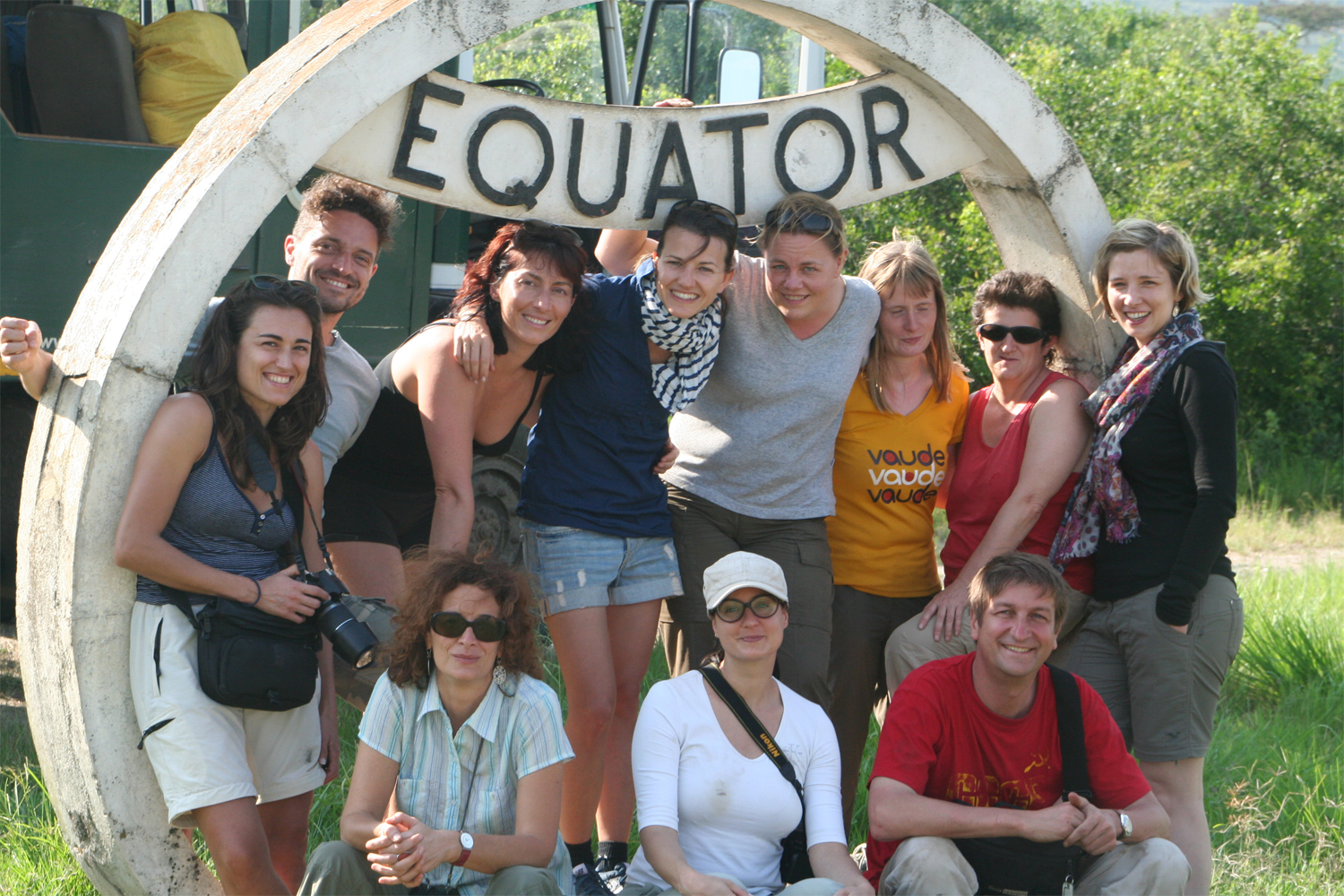
In practice, this approach cuts accommodation and transport costs substantially while maintaining the quality of lodges and expert naturalist guides.
The Social Upside
There’s a dimension that pure cost analysis misses: the people you meet. Shared treks through Bwindi’s dense forest canopy or game drives across Queen Elizabeth’s Kazinga Channel corridor consistently produce lasting connections. Wildlife enthusiasm is a powerful social equalizer — strangers bonded by a silverback sighting tend to become dinner companions by nightfall.
That social dynamic also shapes the next major decision every Uganda traveler faces: which primate experience to prioritize, and what the real costs look like in 2025.
The Primate Factor: Navigating Bwindi and Kibale in 2026
No Uganda itinerary — whether you’re traveling solo or planning a Uganda safari for couples — makes sense without a serious conversation about primates. Bwindi Impenetrable National Park remains the headline act, and the visitor numbers have increased.
The $800 Permit: What’s Changed and Why It Matters
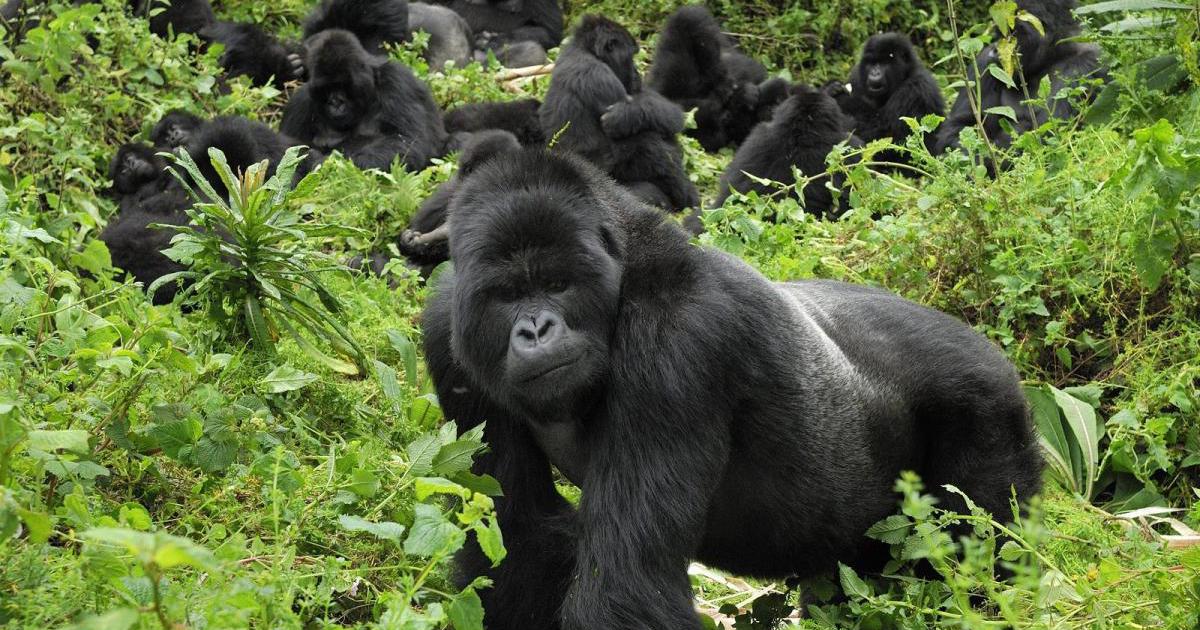
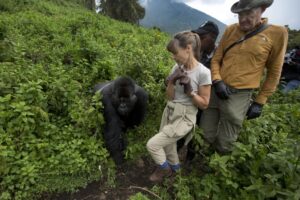
Effective July 2024, gorilla trekking permits at Bwindi now cost $800 per person. That’s the updated figure every traveler needs to budget around — and it’s a meaningful line item, especially for solo visitors absorbing the full cost without a travel partner to split logistics. The permit covers a single, one-hour encounter with a habituated gorilla family, guided by Uganda Wildlife Authority rangers. That ranger-led security model is worth understanding: armed rangers accompany every group, trails are pre-scouted, and group sizes are capped at eight trekkers. It’s one of the more tightly controlled wildlife experiences on the continent.
Physical requirements are real but manageable. Treks can range from two to eight hours depending on gorilla family location. Hiring a porter is strongly recommended — it supports local employment and genuinely reduces the physical toll on steep, muddy terrain.
The $1,500 Habituation Alternative
For those who want more than sixty minutes with a gorilla family, the Gorilla Habituation Experience offers a four-hour encounter at $1,500 per permit. This involves joining researchers as they work with a semi-habituated family — a fundamentally different and more immersive encounter. The upfront cost is steep, but the depth of access is unmatched.
Kibale Forest: The Primate Capital Companion
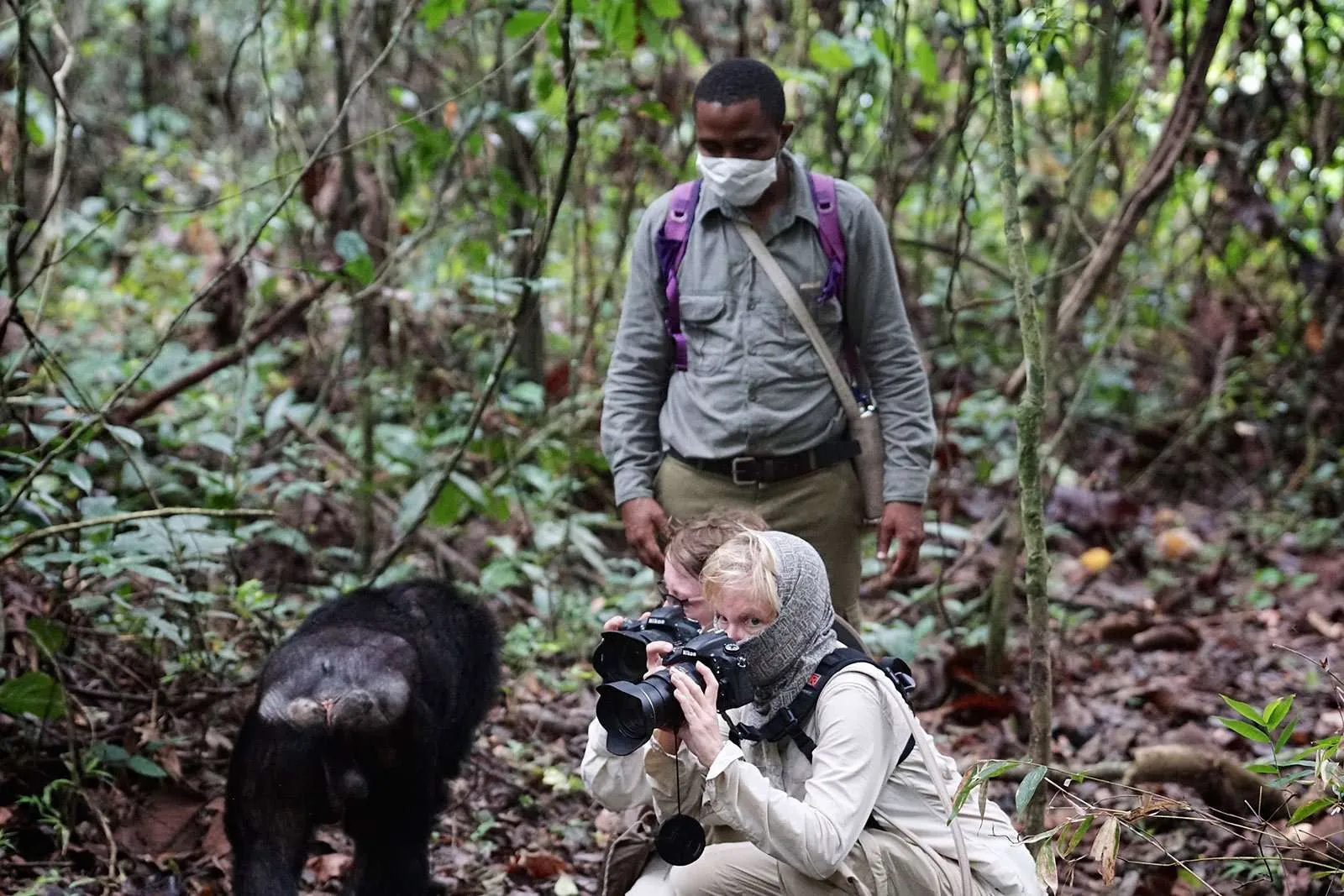
Bwindi doesn’t stand alone in any smart itinerary. Kibale Forest National Park — often called the Primate Capital of the World — hosts the densest concentration of chimpanzees in East Africa. Chimp tracking here runs approximately $200 per person and pairs naturally with a Bwindi itinerary as a multi-species primate circuit.
That layered primate experience is compelling for solo travelers. However, couples tend to approach these encounters differently — prioritizing privacy, pacing, and atmosphere in ways that point toward a very specific style of safari planning.
Romantic Wilds: Tailoring the Perfect Uganda Safari for Couples
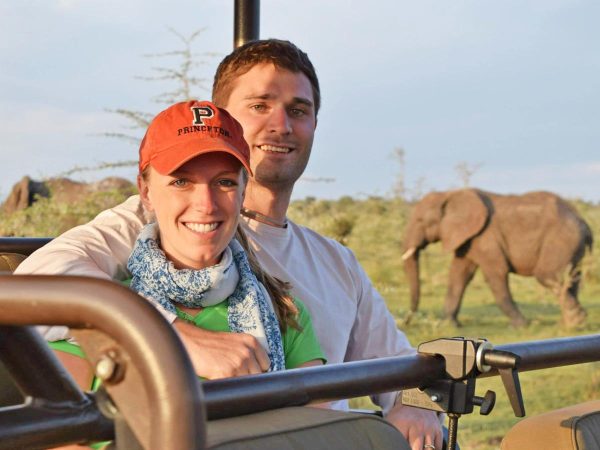
If the previous sections have mapped out the solo traveler’s playbook, couples are working with an entirely different set of priorities — and Uganda rewards them generously. The shift that defines a great couples safari is simple: move away from shared group vehicles and into a private 4×4 safari Land Cruiser rental. That single upgrade transforms the experience. You set the pace, linger at a waterhole as long as you want, and share genuinely private moments in the bush — no strangers, no compromises.
The Ishasha Escape
For couples seeking a highlight that feels truly cinematic, the Ishasha sector of Queen Elizabeth National Park delivers something rare: tree-climbing lions. These lions, habitually draped across massive fig branches, are found almost nowhere else on the continent. An afternoon game drive here — just the two of you in an open-sided cruiser — has a particular intensity that’s difficult to replicate on a crowded shared tour.
Going Deeper with Habituation
Standard Bwindi gorilla trekking offers one-hour encounters. Couples who want more should seriously consider the Gorilla Habituation Experience (GHEX), which allows up to four hours with a semi-habituated gorilla family. It’s physically demanding, emotionally overwhelming, and deeply intimate — exactly what a trip like this should be.
Stay Longer, Experience More
Data consistently shows that couples who stay an average of 8.7 nights strike the right balance between adventure days and genuine downtime. Rushing Uganda never works. Build in an evening at a lakeside lodge or a scenic drive through the Bwindi foothills — the unhurried moments are often what couples remember most.
Of course, unlocking all of this — the private cruiser, the habituation permit, the right lodges — raises an obvious question about what the budget actually looks like.
Budgeting for the Pearl: What a Safari Actually Costs
Understanding Uganda safari cost per person is where most itineraries either come together or fall apart. The honest range sits between $150 and $600+ per day, and that spread reflects genuinely different experiences — not just luxury markups.
The Vehicle Question
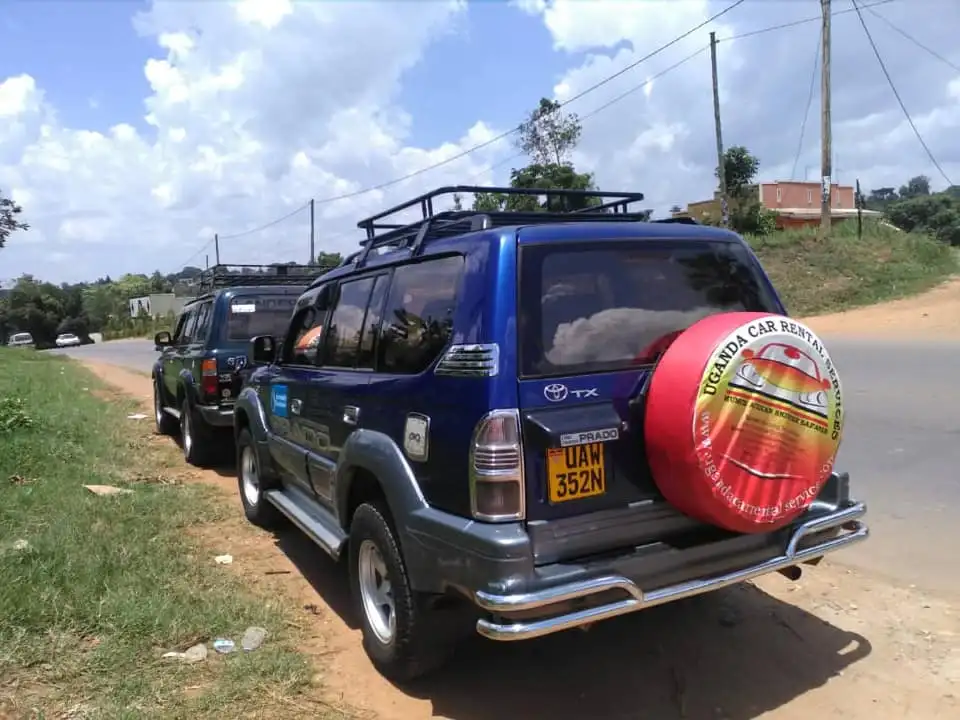
Ground transport is one of the most controllable costs in your budget. A basic RAV4 rental with driver typically runs around $40/day, making it a practical choice for flatter routes or shorter transfers. Step up to a 4WD Land Cruiser, the preferred vehicle for Bwindi’s steep, unpredictable tracks, and you’re looking at closer to $150/day. For gorilla trekking specifically, the Land Cruiser isn’t a luxury — it’s a practical necessity.
What ‘All-Inclusive’ Actually Includes
Most reputable safari packages bundle permits, lodging, transport, and meals into a single figure. This structure simplifies planning considerably, especially for first-time visitors. What it typically doesn’t cover deserves equal attention.
Hidden costs to budget separately:
- Visa fees — Uganda’s e-visa currently costs $50 for most nationalities
- Tipping — guides, porters, and lodge staff; budget roughly $10–$20 per person per day
- Internal flights — Entebbe to Kihihi or Kisoro saves significant road time but adds $150–$300 per leg
- Souvenirs and personal expenses
The real cost of cutting corners is often a compromised experience. Choosing the right budget tier from the outset — rather than discovering gaps mid-trip — keeps the focus where it belongs: on the wildlife. With your budget framework in place, the next critical piece is timing — knowing exactly when to go and what to bring.
Logistics & Planning: Best Times and Essential Gear
Timing and preparation are the final pieces that determine whether your Uganda safari runs smoothly or becomes an avoidable ordeal.
When to Go
The two prime trekking windows are June through August and December through February. During these drier months, forest trails are firmer underfoot, visibility improves, and the overall trek is less physically demanding. The wet season doesn’t make trekking impossible — gorillas don’t take rainy season off — but mud-slicked slopes and obscured sightlines are a real trade-off.
Can You Wear Blue?
Short answer: avoid dark blue clothing entirely. Tsetse flies are strongly attracted to the color, and their bites are both painful and carry disease risk. Stick to neutral khaki, olive, or gray tones throughout your trip.
Essential Packing List
Five items no trekker should leave behind:
- Waterproof hiking boots with ankle support
- Gaiters to block mud and insects
- Lightweight gloves for grabbing vegetation on steep climbs
- Rain jacket — weather shifts fast at elevation
- Long-sleeved, neutral-colored layers for warmth and sun protection
Your Next Step
Uganda gorilla permits sell out months in advance — particularly during peak windows. A reliable rule of thumb: secure your permit at least six months ahead. The trek itself lasts one hour with the gorillas; the memories last a lifetime. Start the booking process today.
Key Takeaways
- Visa fees — Uganda’s e-visa currently costs $50 for most nationalities
- Tipping — guides, porters, and lodge staff; budget roughly $10–$20 per person per day
- Internal flights — Entebbe to Kihihi or Kisoro saves significant road time but adds $150–$300 per leg
- Souvenirs and personal expenses
- Waterproof hiking boots with ankle support
Planning to visit Uganda on safari as a couple or solo traveler, we at Uganda Safari Bookings will be more than happy to organize for you trip that fits your budget and travel needs. Contact us today by sending an email to info@ugandasafaribookings.com or call us on +256-700135510.

More Articles
Why Uganda Safari Bookings Is Your Best Travel Partner?
Big 5 & Beyond: Discovering the Best Uganda Safaris for 2026
How to Plan Your A Uganda Safari in 2026: Step-by-Step Guide