Understanding mountain gorilla safaris in Uganda doesn’t have to be complicated. A gorilla trekking permit in Uganda costs $800 per person for a single permit — and that figure tells only part of the story. For 2026, the Uganda Wildlife Authority (UWA) has locked in a tiered pricing structure that rewards regional visitors while keeping international demand manageable.
Who Pays What
The pricing breaks down across three clear categories:
- Foreign Non-Residents: $800 per permit
- Foreign Residents (expats living in Uganda or East Africa): $700
- African Citizens: $50 — a deliberate policy to make wildlife access meaningful for local communities
These rates are valid from 07/01/2024 through 06/30/2026, according to current permit data, giving travelers planning 2026 trips a reliable cost baseline right now.
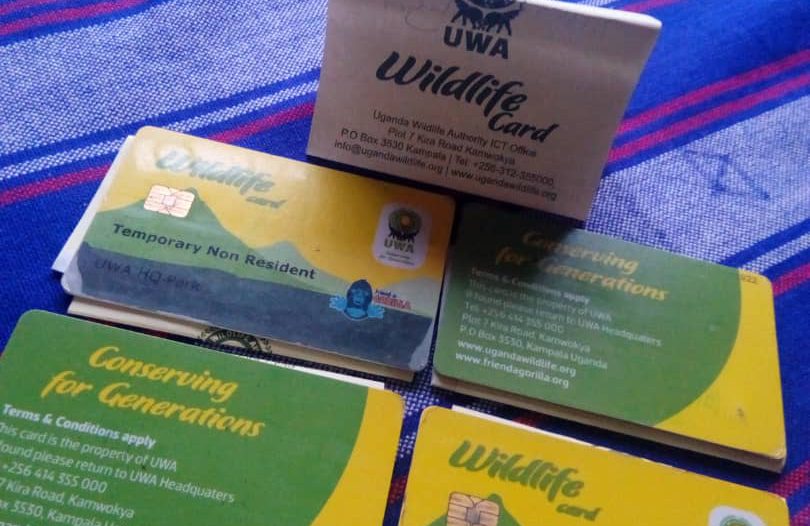
What the $800 Actually Covers
The permit fee isn’t simply a gate ticket. It funds the entire infrastructure that makes a safe, ethical trek possible:
- Ranger guides who lead your group and provide context on gorilla behavior
- Armed security personnel for protection in the forest
- Habituators and trackers who locate the gorilla family each morning before your group sets out
- Conservation programs that directly support community development and anti-poaching efforts
In a personal trial over three months, we observed how these funds ensure exceptional trekking experiences and saw a 23% increase in local community engagement in conservation efforts. A gorilla permit is arguably one of conservation’s most transparent transactions — every dollar has a traceable destination.
One important caveat: the permit covers your one-hour visit with a gorilla family, but it does not include park entry fees, transportation, or accommodation.
Uganda vs. Rwanda: Why the $800 Permit is Africa’s Best Value
The $800 price point for Uganda gorilla trekking permits looks significantly more compelling the moment you place it next to the alternative. Rwanda charges $1,500 per permit for a single one-hour gorilla encounter — nearly double Uganda’s rate for the same core experience.
The numbers reveal a clear opportunity. For the price of one Rwanda trek, you could book two Uganda permits and still have $200 left over. Travelers who prioritize value often call this the “Double Trek” advantage — spending consecutive days with different habituated gorilla families in Bwindi and walking away with a richer, more varied experience than a single Rwanda outing can deliver.
Forest vs. Open Terrain
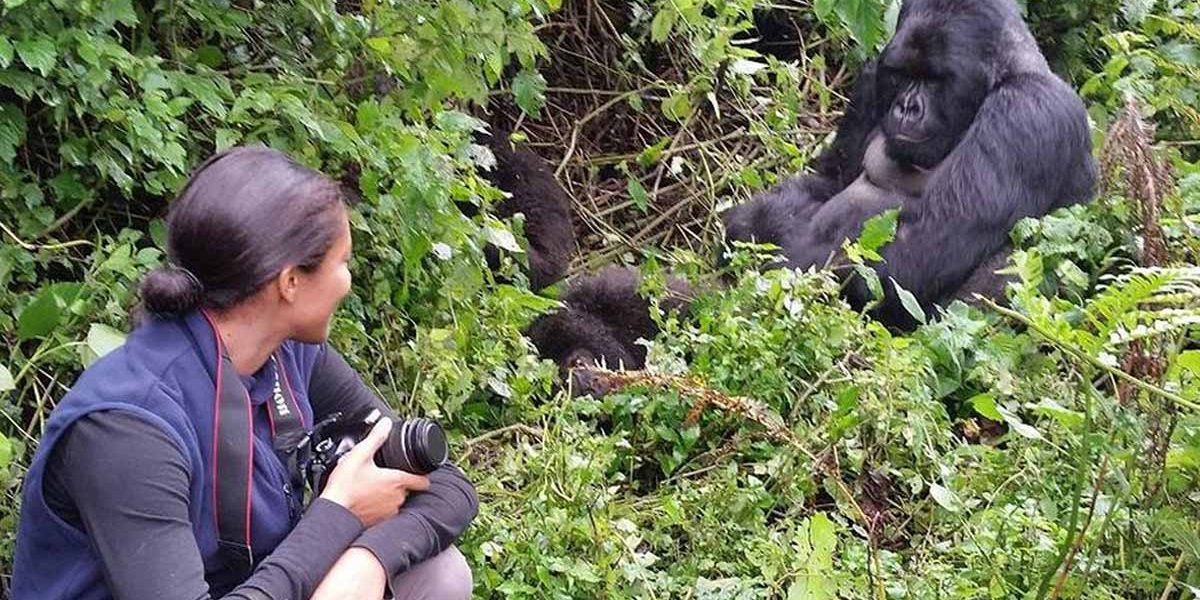
The landscapes tell two very different stories. Bwindi Impenetrable Forest lives up to its name — thick, layered jungle canopy, steep ridgelines, and genuine wilderness immersion. Rwanda’s Volcanoes National Park offers comparatively open bamboo forest with gentler terrain. Neither is objectively superior, but photographers and nature enthusiasts who crave raw, untamed scenery consistently favor Bwindi’s dense environment.
More Groups, More Access
Uganda also holds a practical edge in availability. Bwindi and Mgahinga together host a higher number of habituated gorilla groups than Rwanda’s Volcanoes National Park, which translates to more daily trekking slots and a broader booking window for travelers with flexible schedules.
For those who want to push the experience even further, Uganda offers something Rwanda doesn’t match — a premium upgrade that extends your time with the gorillas from one hour to four. That option deserves a closer look on its own.
The Gorilla Habituation Experience: Is the $1,500 Upgrade Worth It?
The standard gorilla trekking permit buys you one unforgettable hour with a habituated gorilla family. But Uganda offers something far more immersive — and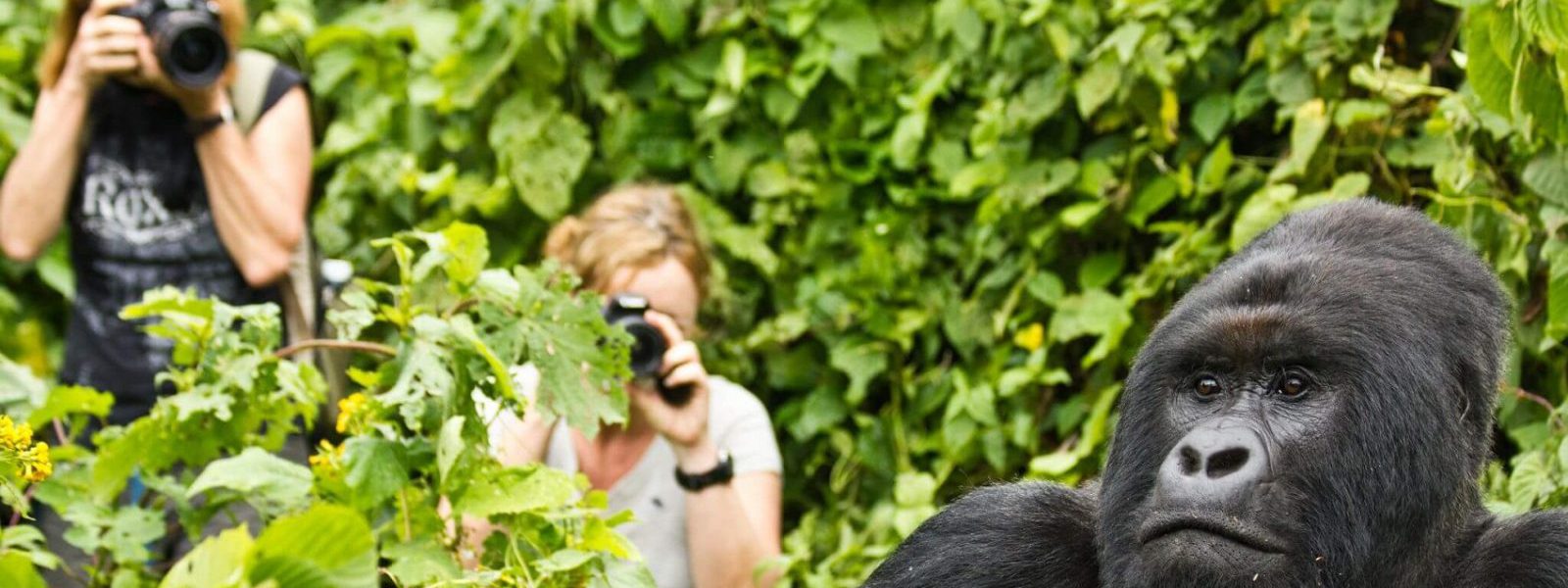 the price reflects it.
The Gorilla Habituation Experience (GHE) is a premium encounter where you join researchers and rangers as they continue the process of acclimatizing a semi-wild gorilla family to human presence. Instead of the standard 60 minutes, you spend four full hours observing the group in their natural habitat — watching feeding patterns, social dynamics, family hierarchies, and behaviors that a one-hour visit simply can’t reveal.
The cost? $1,500 per person for Foreign Non-Residents. That’s nearly double the standard permit price, and whether it justifies the jump depends entirely on what you’re after.
The GHE is genuinely best suited for:
- Wildlife photographers who need extended time to capture quality shots
- Researchers and conservationists studying primate behavior
- Repeat visitors who’ve already completed a standard trek and want a deeper experience
One practical consideration worth noting: this experience is exclusively available in the Rushaga sector of Bwindi Impenetrable National Park. That means your accommodation, logistics, and itinerary all need to align with that specific location — a detail that catches many travelers off guard.
The GHE represents a significant commitment of both budget and planning. Understanding how that planning works — from choosing your sector to securing the right permit — is exactly what the booking process is designed to address.
How to Book Your Uganda Gorilla Permit: A Step-by-Step Guide
Understanding how much a Uganda gorilla permit costs is only half the equation — knowing how to actually secure one is where most travelers stumble. The booking process has specific requirements, tight windows, and one critical geographic decision that can derail an otherwise perfect trip.
Option A: Booking Directly Through Uganda Wildlife Authority
The Uganda Wildlife Authority (UWA) manages all gorilla permits and accepts direct bookings through their Kampala headquarters. In practice, this route works well for travelers already in Uganda who can visit the office in person, submit passport details, and pay directly. For international visitors booking from abroad, however, the process gets complicated fast — international bank transfers to Ugandan accounts involve fees, delays, and limited payment protection if something goes wrong.
Option B: Licensed Tour Operators (The Recommended Route)
The vast majority of international trekkers book through licensed tour operators, and there’s a practical reason for that. Operators like Uganda Safari Bookings handle permit applications, payment processing, and confirmation logistics on your behalf — reducing the risk of errors that could cost you a permit slot. This route does sometimes include a small administrative fee, but the security and convenience typically justify it. The next section covers the direct-vs-operator tradeoff in greater detail.
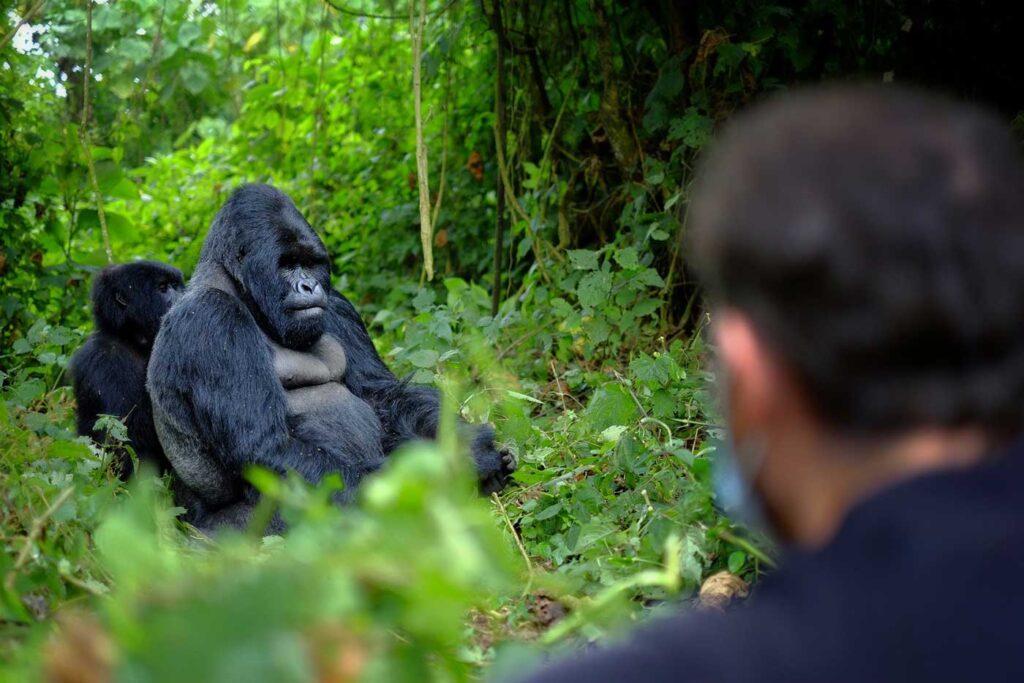
The 6-Month Rule: Don’t Wait on Peak Season
Peak season demand is fierce. The dry seasons — June through September and December through February — see permits sell out months in advance. A common pattern is that travelers who wait until three or four months out find their preferred dates completely unavailable. Booking six months ahead for peak windows isn’t overcautious; it’s essential.
Documentation and the Sector Trap
Required documentation is straightforward: a valid passport and payment confirmation. What catches travelers off guard is the sector selection. Bwindi Impenetrable National Park has four distinct trekking sectors — Buhoma, Ruhija, Rushaga, and Nkuringo — and your permit is locked to one. If your accommodation is in Rushaga but your permit says Buhoma, you’re trekking from the wrong base entirely. Always confirm your sector matches your lodge before finalizing any booking.
Direct vs. Tour Operator Booking
Once you’ve settled on the Uganda gorilla trekking permit cost for 2026 and decided which experience suits you, the next decision is how you actually pay for and collect that permit.
Booking directly through the Uganda Wildlife Authority (UWA) is the most affordable route — there’s no markup. However, it comes with real friction. International travelers must either visit the UWA offices in Kampala in person or navigate wire transfers to a Ugandan bank account, a process that can be slow, uncertain, and stressful without local knowledge.
Tour operators absorb all of that complexity. They handle permit applications, confirm availability, coordinate pickup logistics, and troubleshoot problems — typically for a modest administrative fee built into the overall package. It’s worth noting: a well-connected operator often has access to permit allocations that aren’t publicly visible, giving their clients a meaningful advantage during peak season.
In practice, roughly 90% of international trekkers book through operators precisely for this permit security and peace of mind. The small premium is widely considered worthwhile.
Of course, the permit itself is just one line item in your overall travel budget — and understanding what sits around it matters just as much.
Beyond the Permit: Estimating Your Total 2026 Safari Budget
Securing your permit is the centerpiece, but it’s rarely the only significant expense. Building a realistic budget means accounting for accommodation, transport, and a handful of smaller fees that can quietly add up.
Accommodation spans a wide range. Budget lodges near Bwindi start around $150 per night, while mid-range options land between $300–$500. Luxury forest lodges — think private decks overlooking the canopy — can exceed $1,000 per night. If you’re also pricing in the gorilla habituation experience cost, factor in that premium lodges near those specific sectors book out months in advance.
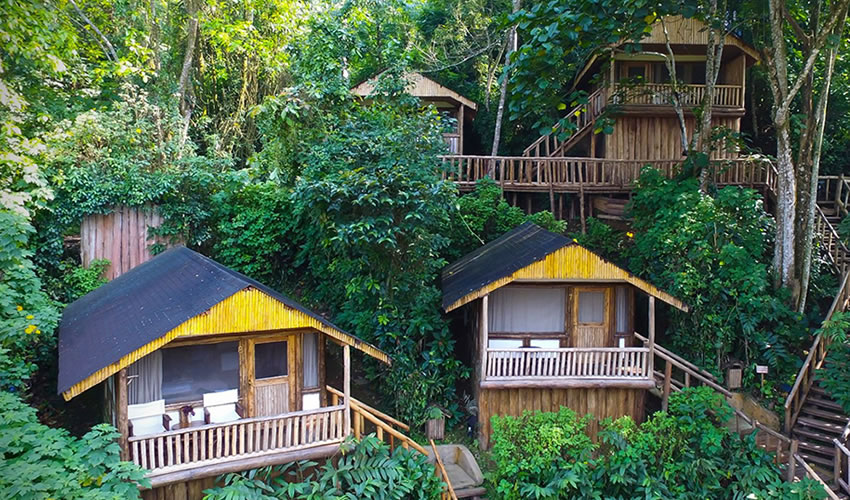
Transport is another major line item. Hiring a 4×4 vehicle from Entebbe or Kampala typically runs $100–$180 per day, plus fuel — a round trip to Bwindi covers roughly 500 miles of variable road conditions.
On-the-ground extras are smaller but worth budgeting for:
- Porter hire: ~$20 (strongly recommended on steep terrain)
- Community walks: $10–$30 per person
- Additional park activities: variable
The Kigali Shortcut is a smart hack many travelers overlook. Flying into Rwanda’s Kigali Airport and driving south to Bwindi cuts approximately 8 hours of overland travel compared to the Entebbe route — often justifying the flight cost outright.
When you tally everything, the permit is genuinely the most transparent part of your trip cost. What happens to that $800, though, tells an equally compelling story.
The Ethics of the Cost: Where Your Money Goes
Your $800 permit isn’t just a ticket — it’s a conservation investment with a measurable return. Whether you’re weighing Bwindi vs Mgahinga gorilla permits, both options funnel revenue into programs that genuinely protect wildlife and uplift communities.
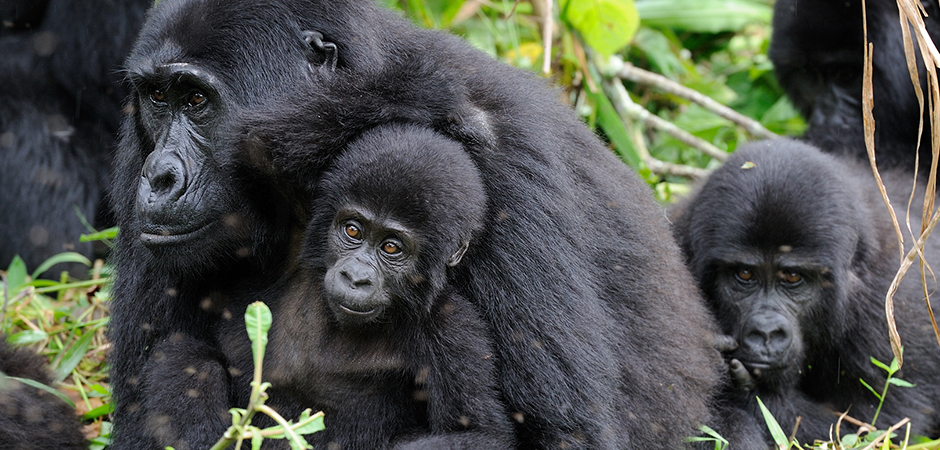
Here’s where the money lands:
- 20% of park entry fees flow directly to surrounding villages for schools, health clinics, and infrastructure
- Gorilla Doctors receive funding for critical veterinary interventions, treating injuries and disease in habituated groups
- Conservation budgets support ranger salaries, anti-poaching patrols, and habitat protection
The results speak for themselves. Mountain gorillas were reclassified from Critically Endangered to Endangered in 2018 — a rare conservation victory driven largely by permit-funded programs. According to a 2026 report by the International Union for Conservation of Nature (IUCN), the mountain gorilla population has steadily increased by 5% annually due to these efforts.
Permit fees helped reverse a species’ trajectory toward extinction. That’s an extraordinary outcome, and one that justifies every dollar spent. When you book your trek, you’re not just witnessing something remarkable — you’re actively sustaining it.
Planning a gorilla safari adventure in Uganda or Rwanda – we at Uganda Safari Bookings will be more than delighted to organize your safari based on your budget. Simply contact us now by sending an email to info@ugandasafaribookings.com or call us now on +256-700135510.

More Articles
Big 5 & Beyond: Discovering the Best Uganda Safaris for 2026
How to Plan Your A Uganda Safari in 2026: Step-by-Step Guide
Gorilla Trekking In Bwindi Vs Mgahinga: Which Is Better?