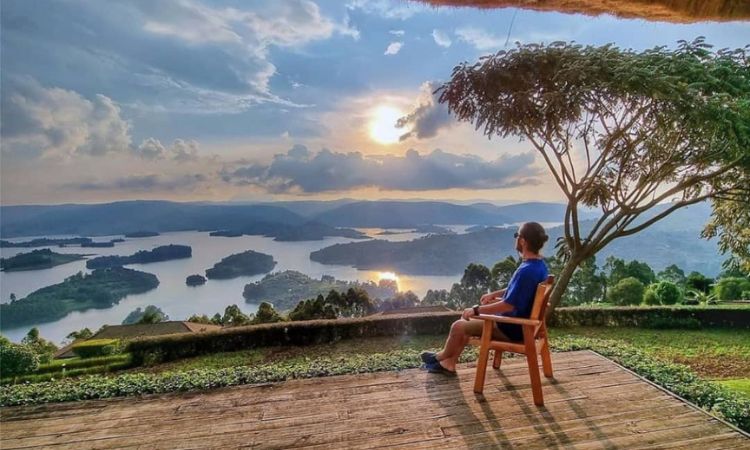
When most travelers envision an African safari, images of Kenya’s Maasai Mara or Tanzania’s Serengeti typically come to mind. Yet nestled in East Africa’s heart lies a country offering something arguably more compelling: Uganda, the self-proclaimed “Pearl of Africa.” While the traditional Big Five—lion, leopard, elephant, buffalo, and rhino—certainly roam Uganda’s savannas, this remarkably diverse nation delivers safari experiences that transcend the conventional checklist, offering encounters found nowhere else on the continent.
As 2026 unfolds, Uganda is emerging as the destination for discerning safari-goers seeking authenticity, diversity, and transformative wildlife encounters beyond the well-trodden paths of mass tourism.
Redefining the Safari Experience
Uganda’s greatest strength lies in its ecological diversity compressed into a relatively compact area. Within a single journey, travelers transition from mist-shrouded montane forests to sprawling savannas, from thundering waterfalls to tranquil crater lakes. This geographical variety translates into wildlife experiences of exceptional breadth, from tracking mountain gorillas through impenetrable jungle to watching lions climb trees in open grasslands.
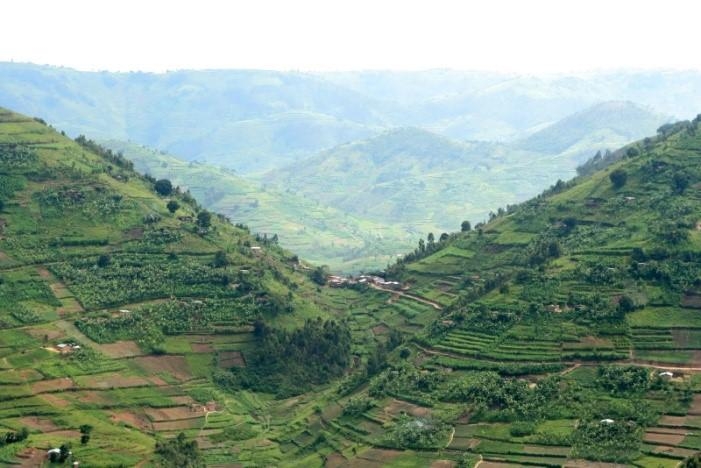
The country hosts ten national parks and numerous wildlife reserves, each offering distinct landscapes and species assemblages. This variety allows safari itineraries to be crafted around personal interests rather than following cookie-cutter routes, whether your passion is primates, birds, big cats, or simply immersing yourself in unspoiled wilderness.
Queen Elizabeth National Park: Uganda’s Big Five Showcase
For travelers seeking the classic Big Five experience, Queen Elizabeth National Park delivers magnificently. Spanning nearly 2,000 square kilometers in western Uganda, this park combines savanna, forest, wetlands, and lakes into a wildlife paradise. The Kasenyi plains teem with Uganda kob, buffalo herds numbering in the hundreds, and elephants moving in family groups. Lions here have developed the unusual behavior of climbing fig trees, offering photographers the surreal sight of Africa’s apex predator lounging in branches.
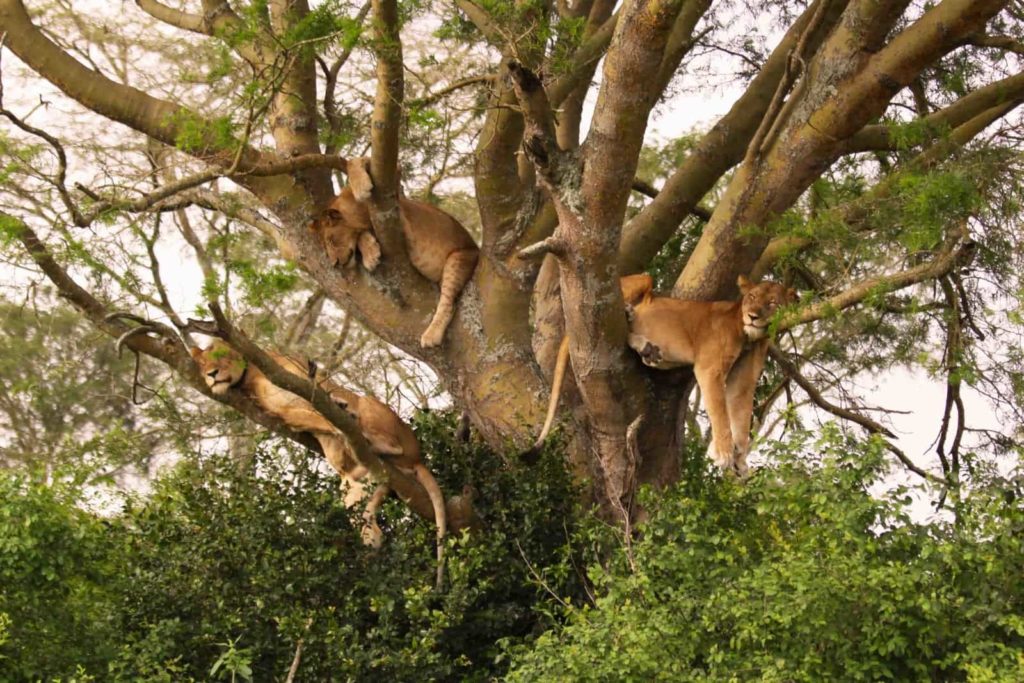
The park’s southern Ishasha sector is particularly famous for these tree-climbing lions, a behavior observed in only a few locations worldwide. Watching a pride sprawled across horizontal branches, occasionally lifting their heads to survey the plains below, ranks among safari’s most memorable sights.
Queen Elizabeth’s Kazinga Channel, a natural waterway connecting Lake Edward and Lake George, provides exceptional boat safari opportunities. Hippos congregate in pods numbering dozens, while crocodiles sun themselves on mudbanks. Elephants wade into shallows to drink and bathe. The channel’s shores attract an astonishing 611 bird species, making this one of Africa’s premier birding destinations. African fish eagles perch overhead, pelicans fish in coordinated groups, and brilliantly colored kingfishers dart among the reeds.
Murchison Falls National Park: Where Nature Shows Its Power
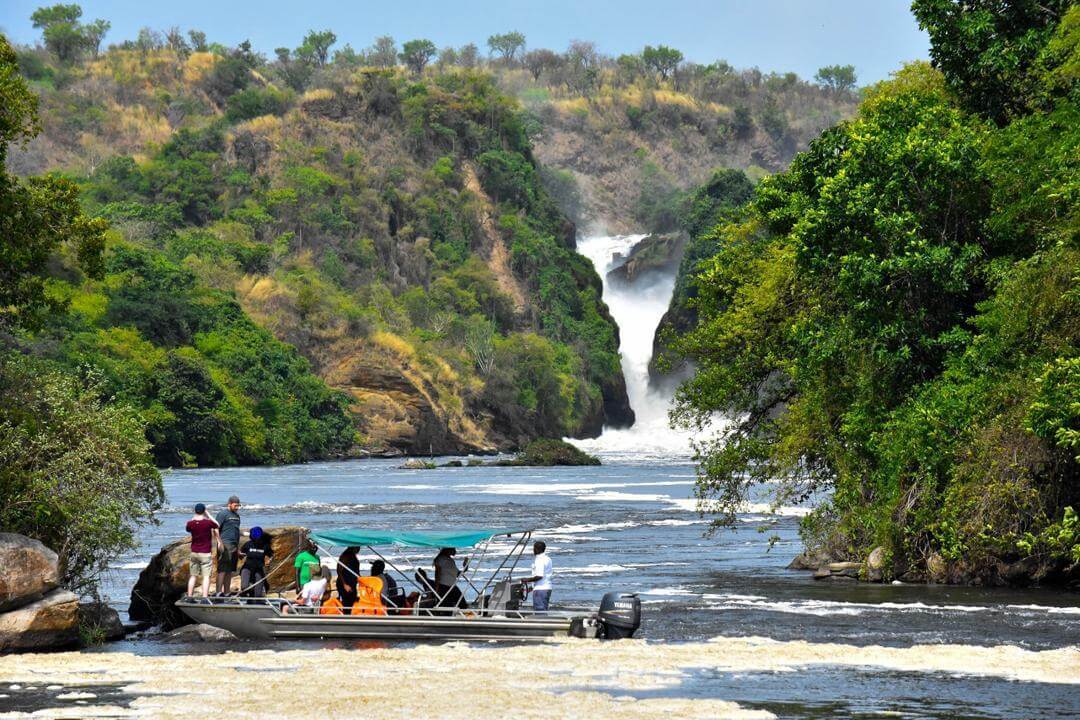
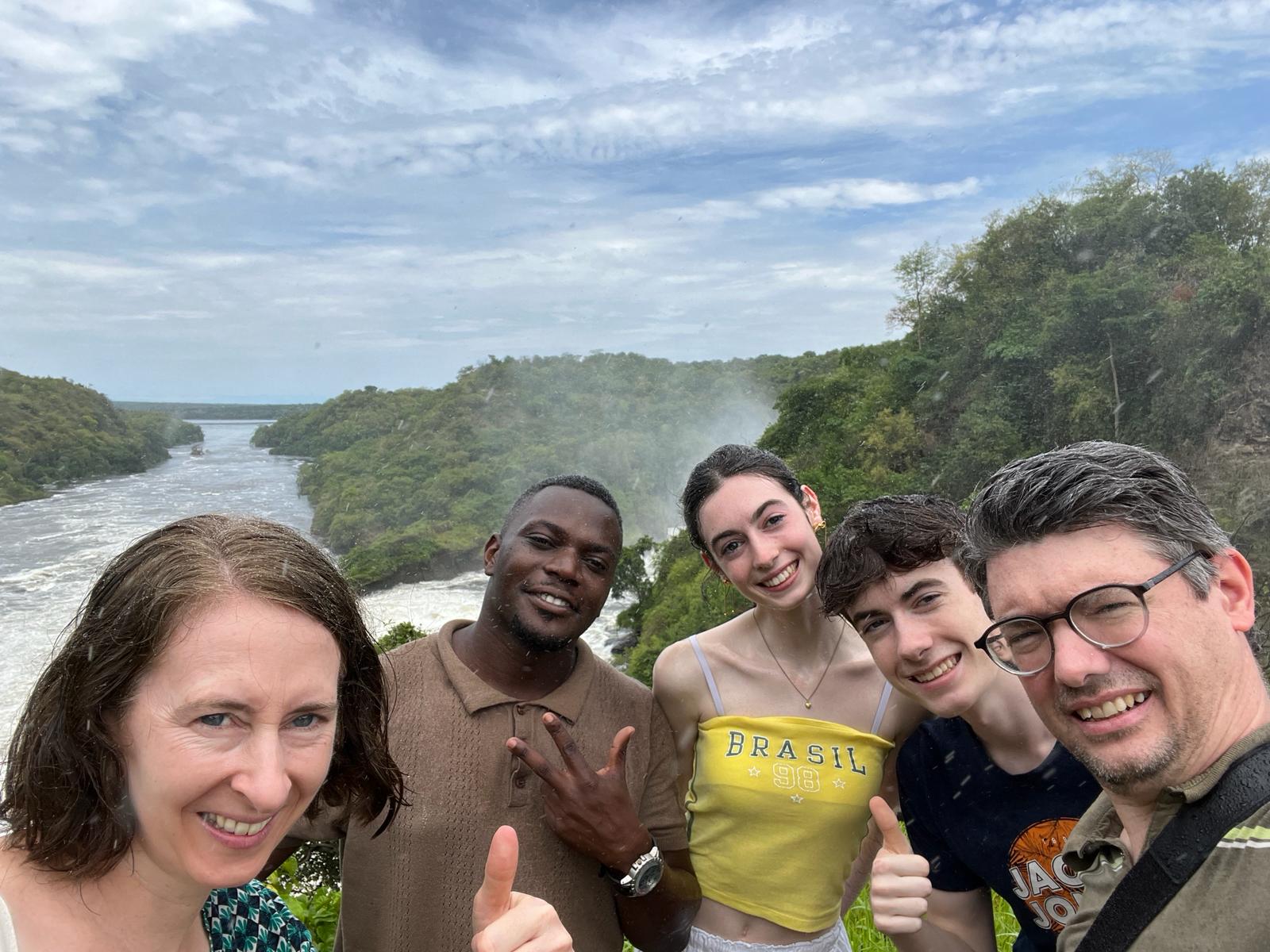
Uganda’s largest national park, Murchison Falls, offers drama both geological and biological. The park’s namesake feature sees the entire Nile River compressed through a seven-meter gap in the rock, creating a thundering cascade of extraordinary power. The boat journey to the falls’ base passes through landscapes thick with hippos, crocodiles, and water birds, building anticipation for the spectacular finale.
The northern savanna plains of Murchison rival East Africa’s more famous grasslands for wildlife density. Game drives here reveal lions, leopards, elephants, buffalo, and the reintroduced Rothschild’s giraffes—a critically endangered subspecies. The giraffe population has rebounded impressively through careful conservation, offering hope for this elegant giant’s survival. Jackson’s hartebeest, oribi, and waterbuck add to the diversity grazing across golden grasslands.
What distinguishes Murchison from southern African parks is the relative absence of crowds. Even during peak season, you might find yourself the only vehicle at a lion sighting, able to observe natural behavior without the pressure of tourist convoys jostling for position.
Kibale Forest: The Primate Capital
If Uganda’s safari offerings stopped at traditional game viewing, the country would still impress. But the opportunity to track chimpanzees in their natural habitat elevates Uganda into a category of its own. Kibale Forest National Park protects 795 square kilometers of tropical rainforest harboring the highest density of primates in Africa. Thirteen species reside here, including over 1,500 chimpanzees.
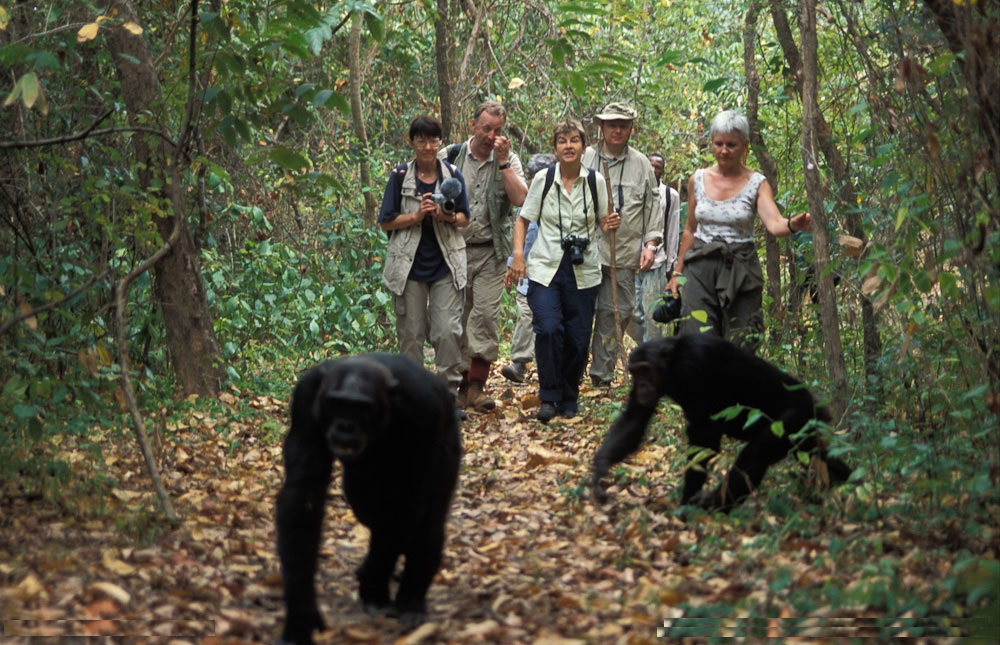
Chimpanzee tracking in Kibale offers intimacy and excitement that rivals even gorilla encounters. These highly intelligent, emotional, and behaviorally complex animals swing through the canopy, forage on the forest floor, and engage in social interactions that mirror human society in unsettling ways. Watching a mother tenderly groom her infant or young chimps wrestling in play provides glimpses into the evolutionary heritage we share.
Beyond chimpanzees, Kibale rewards visitors with sightings of red colobus, black-and-white colobus, grey-cheeked mangabeys, L’Hoest’s monkeys, and red-tailed monkeys. The cacophony of primate calls echoing through the forest at dawn creates an atmosphere utterly unlike savanna safaris, immersing visitors in a different dimension of African wilderness.
Bwindi: The Gorilla Experience
No discussion of Uganda safaris reaches completion without acknowledging gorilla trekking in Bwindi Impenetrable National Park. Housing nearly half the world’s remaining mountain gorillas, Bwindi offers what many consider the ultimate wildlife encounter. The physical challenge of trekking through steep, densely vegetated terrain amplifies the emotional payoff when you finally stand meters from a silverback weighing 200 kilograms, watching him watch you with eyes that convey unmistakable intelligence and personality.
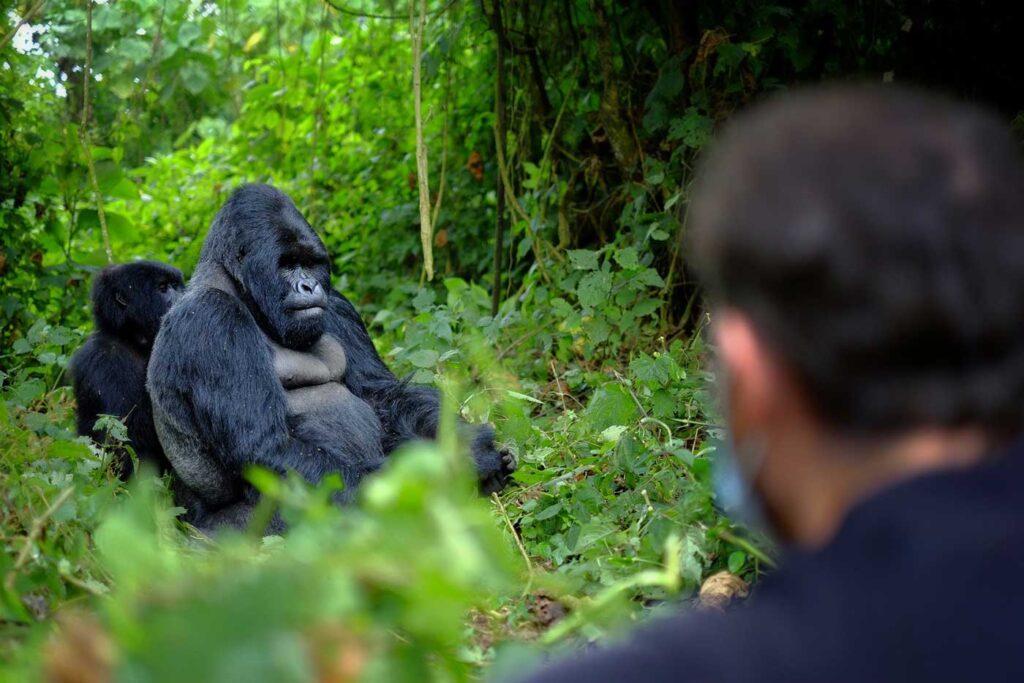
Gorilla permits at $800 represent significant investment, but the experience justifies the cost. That hour spent observing gorilla families—watching juveniles play, mothers nurse infants, and the dominant silverback maintain order—creates memories that resonate for a lifetime. More importantly, permit fees directly fund conservation efforts that have brought mountain gorillas back from the brink of extinction.
Ziwa Rhino Sanctuary: Completing the Big Five
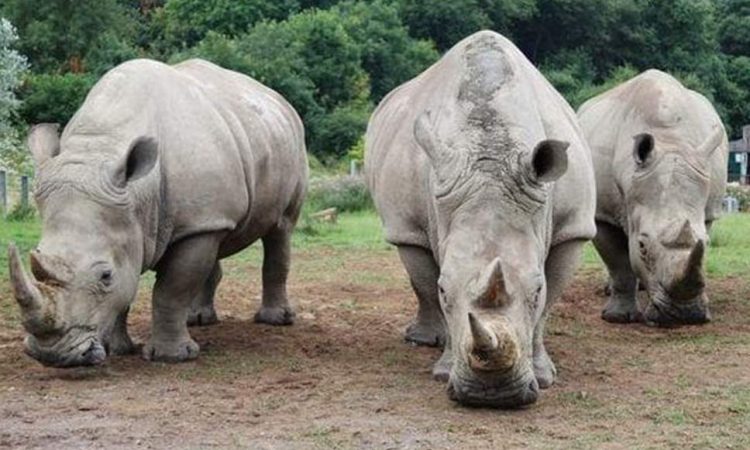
Uganda’s troubled history saw its native rhino populations poached to extinction by the early 1980s. The Ziwa Rhino Sanctuary, established in 2005, represents the country’s determined effort to restore what was lost. Here, southern white rhinos are bred with the goal of eventually reintroducing them to Uganda’s national parks. Tracking rhinos on foot at Ziwa provides thrilling close encounters with these prehistoric-looking giants, and completes the Big Five experience for visitors determined to check off the classic quintet.
Lake Mburo: Compact Convenience
For travelers with limited time, Lake Mburo National Park offers surprising diversity in a compact package. This small park near the main highway between Kampala and western parks showcases zebras, impalas, elands, and leopards. The lake itself attracts hippos and crocodiles, while the surrounding acacia woodland creates classic African scenery. Lake Mburo works perfectly as either an introduction or conclusion to longer Uganda itineraries.
Beyond Wildlife: Uganda’s Additional Appeals
Uganda’s safari experience extends beyond animal encounters. The landscapes themselves astound: the dramatic Rwenzori Mountains rising to snow-capped peaks on the equator, the explosion of wildflowers across Kidepo Valley’s remote northern plains, the jewel-toned crater lakes dotting the western highlands. Cultural encounters with diverse ethnic groups—from the Karamojong pastoralists to the Batwa forest people—add human dimensions to safari journeys.
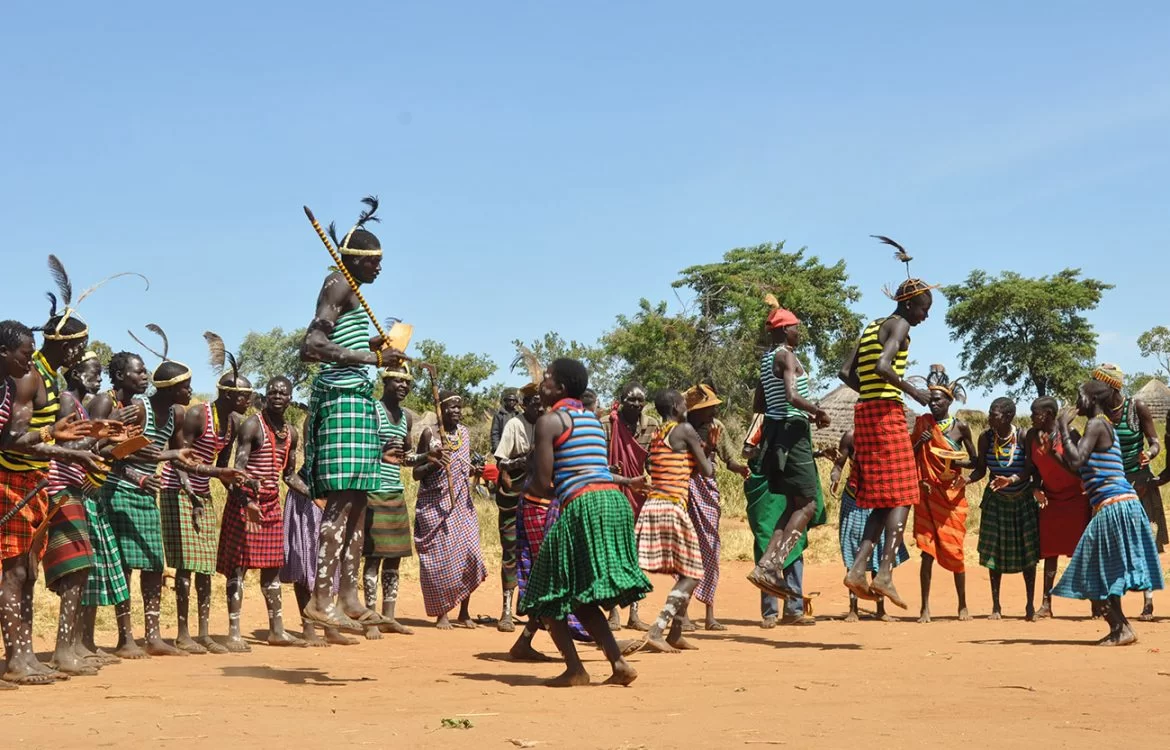
Adventure activities complement wildlife viewing. White-water rafting on the Nile at Jinja ranks among the world’s best. Mountain gorilla trekking naturally involves challenging hikes. Chimpanzee habituation experiences in Kibale allow full-day immersion with chimp communities. These activities attract travelers seeking more than passive observation from safari vehicles.
Planning Your 2026 Uganda Safari
The optimal time for Uganda safaris runs from June through September and December through February, when drier conditions make wildlife viewing and trekking easier. However, shoulder seasons offer advantages: fewer tourists, greener landscapes, and lower accommodation rates. Uganda’s equatorial location means wildlife remains active year-round rather than following dramatic seasonal migrations.
A comprehensive Uganda safari ideally spans 10-14 days, allowing time for both primate trekking and savanna game viewing without excessive rushing. Shorter itineraries can still deliver powerful experiences by focusing on specific regions or interests. Self-driving is possible, though most international visitors opt for organized safaris with experienced guides whose expertise significantly enhances wildlife spotting and provides valuable context.
The Uganda Difference
What ultimately distinguishes Uganda from more famous safari destinations is authenticity. Here you escape the tourism machinery that sometimes diminishes other African parks. Game drives unfold without convoys of vehicles surrounding every lion. Gorilla treks challenge you physically, making the encounter feel earned rather than entitled. The country retains a sense of discovery increasingly rare in our mapped, documented, Instagram-saturated world.
Uganda safaris in 2026 offer something increasingly precious: genuine wilderness experiences where wildlife still dictates the terms of engagement, where natural behaviors unfold without reference to human schedules, and where the journey matters as much as the destination. For travelers seeking the Big Five and so much more—primates found nowhere else, landscapes of staggering diversity, and authentic encounters with both wildlife and culture—Uganda delivers a safari experience that transcends the conventional and touches something deeper. The Pearl of Africa isn’t hyperbole. It’s an invitation to discover what safari can be when diversity, conservation, and authenticity align.
Planning to visit Uganda for safari adventure in 2026, simply contact us now by sending an email to info@ugandasafaribookings.com or calling us n0w on +256-700135510 to speak with the reservations team.


More Articles
Why Uganda Safari Bookings Is Your Best Travel Partner?
How to Plan Your A Uganda Safari in 2026: Step-by-Step Guide
Gorilla Trekking In Bwindi Vs Mgahinga: Which Is Better?