
Planning a safari to Uganda can feel overwhelming with so many incredible destinations, wildlife experiences, and logistical considerations to juggle. But breaking down the process into manageable steps transforms what seems daunting into an exciting and straightforward journey. Whether you’re dreaming of gorilla trekking in misty mountains or watching lions lounge in savannah trees, here’s your comprehensive guide to planning the perfect Ugandan safari in five easy steps.
Step 1: Define Your Safari Goals and Must-See Experiences
Begin by identifying what draws you to Uganda. Are you primarily interested in encountering mountain gorillas in their natural habitat? Do you want classic savannah wildlife viewing with elephants, lions, and buffalo? Perhaps you’re fascinated by chimpanzee tracking or bird watching in one of Africa’s most biodiverse countries?
Uganda offers remarkably varied experiences. Bwindi Impenetrable National Park and Mgahinga Gorilla National Park provide once-in-a-lifetime gorilla trekking opportunities. Murchison Falls National Park delivers classic safari experiences with abundant wildlife and the spectacular sight of the Nile exploding through a narrow gorge. Queen Elizabeth National Park is famous for tree-climbing lions and boat safaris along Kazinga Channel. Kibale Forest National Park hosts the highest concentration of primates in Africa, making it perfect for chimpanzee tracking.
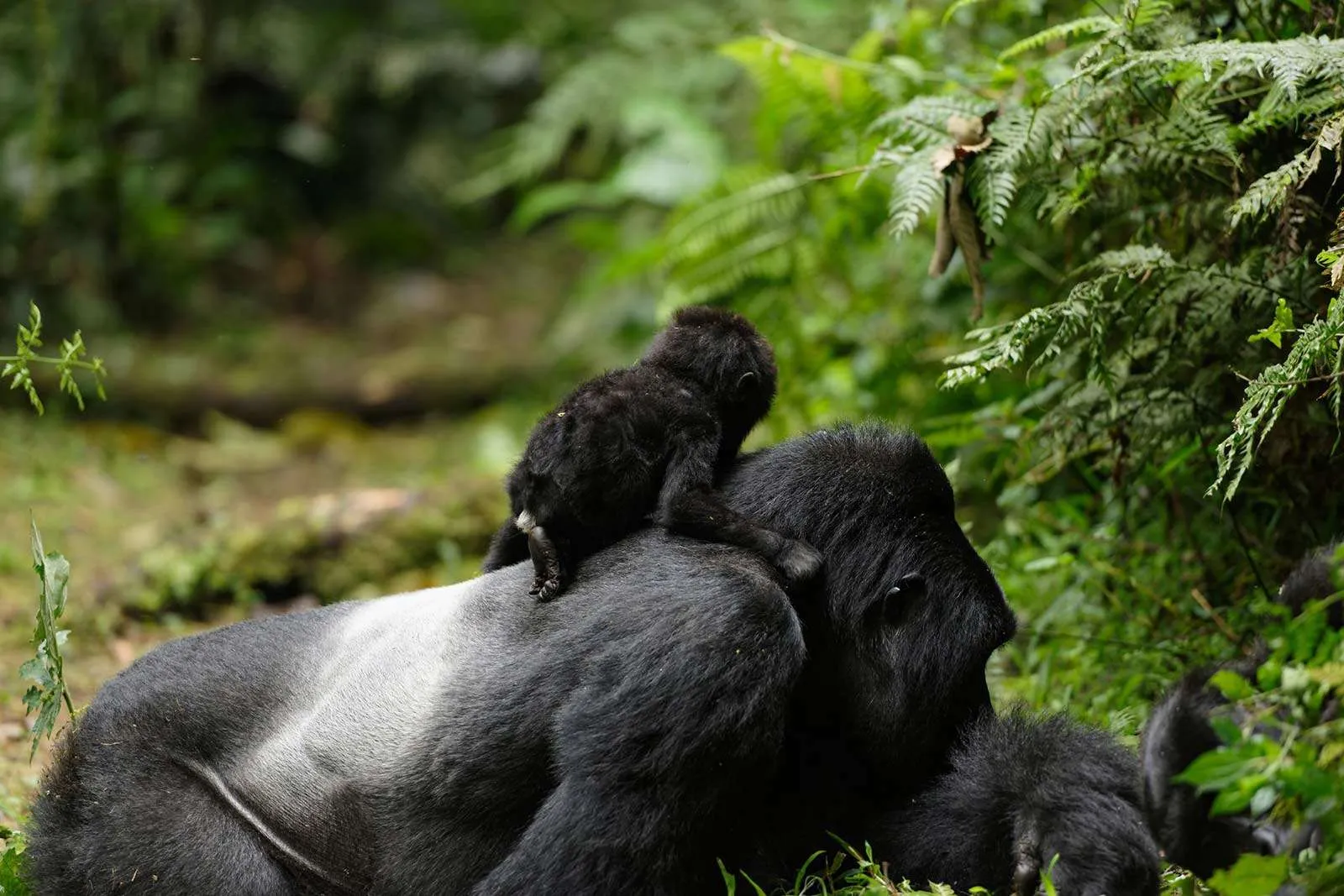
Create a prioritized list of experiences, understanding that Uganda’s compact size allows you to combine multiple adventures within a single trip. Most travelers successfully visit two to four major destinations in a week to ten days. Be realistic about your interests—if you’re primarily passionate about primates, focus on gorilla and chimpanzee experiences rather than trying to cover every park.
Step 2: Determine Your Ideal Travel Time and Duration
Uganda’s equatorial location means you can safari year-round, but seasons significantly impact your experience. The dry seasons from June to September and December to February offer easier trekking conditions, better road accessibility, and increased wildlife visibility as animals congregate around water sources. These months also represent peak season, requiring advance bookings, especially for gorilla permits.
The wet seasons from March to May and October to November bring lush landscapes, fewer tourists, and often discounted rates. However, expect muddy trails, occasional road challenges, and wildlife that’s more dispersed. Bird enthusiasts particularly appreciate wet seasons when migratory species arrive.
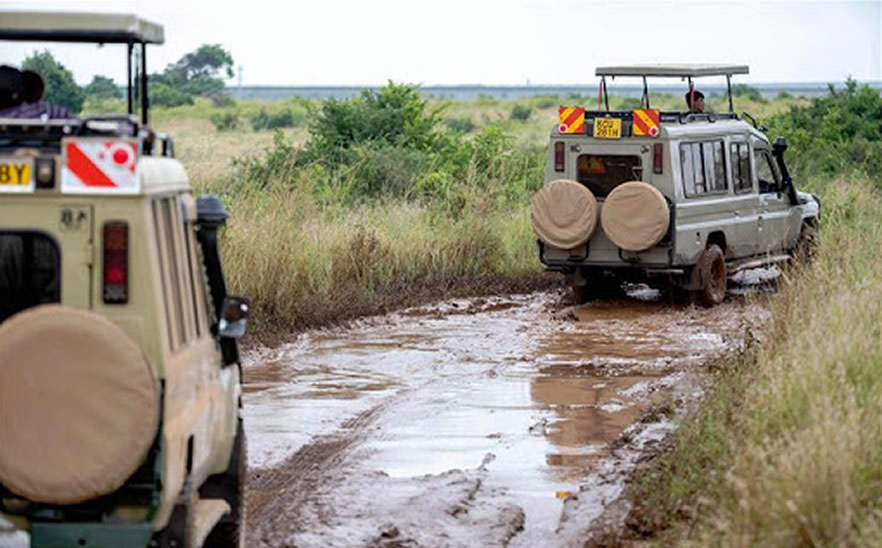
Regarding duration, a minimum of seven days allows you to experience Uganda meaningfully without feeling rushed. Ten to fourteen days provides the ideal timeframe for combining gorilla trekking, traditional safari experiences, and cultural encounters. Remember that some destinations require full-day drives to reach, so factor travel time into your itinerary planning.
Step 3: Secure Essential Permits and Documentation
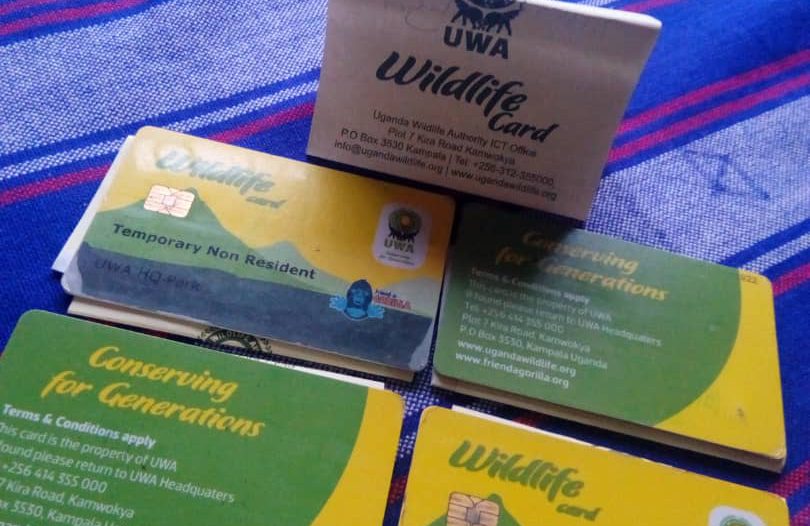
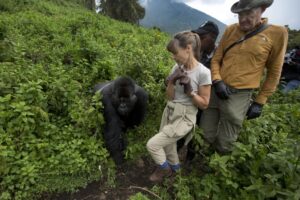
Gorilla trekking permits represent Uganda’s most sought-after safari element and require advance booking—sometimes six months to a year ahead for peak season. These permits, issued by the Uganda Wildlife Authority, cost $800 per person and allow one hour with a habituated gorilla family. Chimpanzee tracking permits cost significantly less at $250 but also require advance reservation.
Beyond wildlife permits, ensure your passport has at least six months validity remaining. Most visitors obtain tourist visas upon arrival at Entebbe International Airport, though online e-visa applications offer a smoother entry process. The East African Tourist Visa provides excellent value if you’re combining Uganda with Kenya or Rwanda visits.
Consult your doctor about recommended vaccinations, including yellow fever, which is mandatory for Uganda entry. Malaria prophylaxis is strongly advised, as is travel insurance covering medical evacuation—a non-negotiable safety measure for remote safari areas.
Step 4: Choose Your Transportation and Accommodation Style
Transportation decisions fundamentally shape your safari experience and budget. Self-drive options appeal to adventurous travelers comfortable navigating challenging roads, but renting a car in Uganda with an expert driver delivers immeasurably more value. Professional drivers navigate difficult terrain safely, spot wildlife you’d miss, provide cultural context, and solve problems that would stump independent travelers. The modest additional cost pays dividends in enhanced experiences and peace of mind.

Accommodation in Uganda ranges from budget camping to luxury lodges, with excellent mid-range options throughout major safari destinations. Book accommodations early, particularly near popular parks during peak season. Consider lodge locations carefully—staying inside or immediately adjacent to parks maximizes wildlife viewing time and delivers immersive bush experiences.
Many travelers benefit from working with specialized tour operators who handle vehicle rental, driver arrangement, accommodation booking, and permit acquisition as comprehensive packages. This approach often costs less than booking elements separately while ensuring everything coordinates smoothly.
Step 5: Create a Realistic Daily Itinerary
With destinations chosen and logistics arranged, craft a day-by-day itinerary that balances activities with adequate rest and travel time. Avoid the temptation to pack too much into each day—safari experiences are physically demanding, and Uganda’s roads require patience.
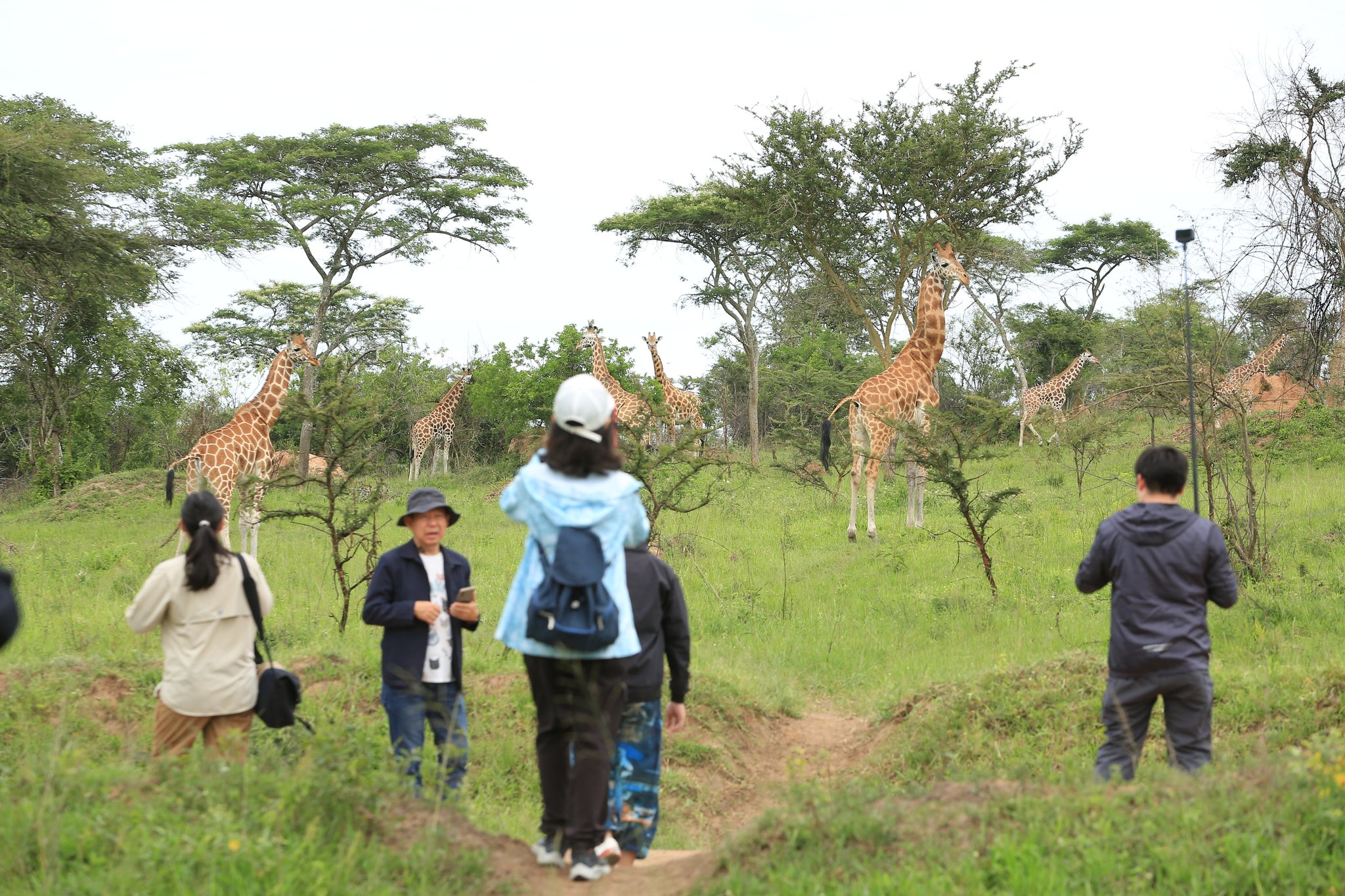
A sample ten-day itinerary might include: two days for gorilla trekking in Bwindi with travel time, two days exploring Queen Elizabeth National Park, two days in Kibale Forest for chimpanzee tracking, and three days in Murchison Falls National Park, with arrival and departure days in Kampala or Entebbe. This pace allows genuine immersion in each destination without exhausting travel schedules.
Build flexibility into your plans for weather delays, unexpected wildlife sightings, or spontaneous opportunities your driver suggests. The most memorable safari moments often occur during unplanned stops and serendipitous encounters.
Ready to Start Your Ugandan Adventure?
Planning your Uganda safari doesn’t have to be complicated. Let our experienced team handle the details while you focus on anticipating your adventure. Contact us today by emailing info@ugandasafaribookings.com or calling +256-700135510. We’ll help you create a perfectly tailored Ugandan safari that matches your dreams, budget, and timeline—transforming these five steps from planning into memories of a lifetime.

More Articles
Why Uganda Safari Bookings Is Your Best Travel Partner?
Big 5 & Beyond: Discovering the Best Uganda Safaris for 2026
How to Plan Your A Uganda Safari in 2026: Step-by-Step Guide