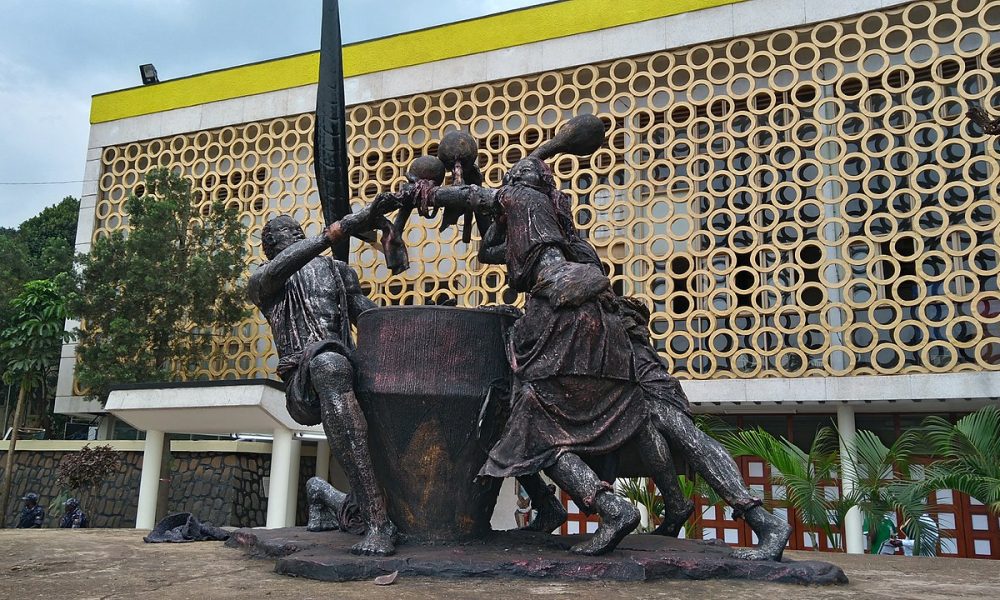
On Kira Road in the leafy Nakasero Hill area of Kampala, in a building that has quietly witnessed more than a century of Ugandan history, stands an institution that is at once a treasure house, a classroom, a cultural sanctuary, and a mirror held up to one of the most diverse and historically rich nations on the African continent. The Uganda Museum — the oldest museum in East Africa, established in 1908 — is a place where the extraordinary depth and variety of Uganda’s human heritage is gathered, preserved, and made available to all who wish to encounter it.
To walk through the Uganda Museum is to walk through time. From the Stone Age tools of Uganda’s earliest inhabitants to the royal regalia of the Buganda Kingdom, from the musical instruments of fifty distinct ethnic groups to the natural history collections that document the country’s astonishing biodiversity, from the archaeological artefacts of pre-colonial civilisations to the photographs and documents of the colonial and independence eras, the museum offers a journey through the full sweep of human experience in a country that has been continuously inhabited for hundreds of thousands of years.
The Uganda Museum is far more than a collection of objects. It is a living institution — a place of ongoing research, community engagement, and cultural dialogue — that plays an irreplaceable role in preserving the knowledge, the memory, and the identity of Uganda’s more than forty distinct ethnic communities. In a rapidly changing country and a rapidly changing world, where the pressures of modernisation, urbanisation, and globalisation can erode cultural memory with extraordinary speed, the Uganda Museum stands as a bulwark of continuity, a guardian of the irreplaceable, and a bridge between the generations.
Historical Background: The Making of East Africa’s Oldest Museum
Colonial Origins and the Collectors of Knowledge
The Uganda Museum was established in 1908 during the British Protectorate period, making it not only the oldest museum in East Africa but one of the oldest museums in sub-Saharan Africa. Its establishment reflected the growing interest of colonial administrators, missionaries, and scholars in systematically documenting the cultures, natural history, and material heritage of the territories under British administration.
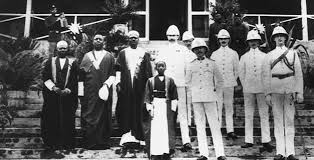 The early collections were assembled by a remarkable cast of colonial-era figures — administrators, naturalists, missionaries, and ethnographers — who, whatever the complex and often problematic dimensions of their broader colonial roles, recognised the value of preserving the material culture and natural specimens of a country whose traditional ways of life they could already see changing under colonial pressure. The motivations behind this collecting were mixed: scientific curiosity, administrative utility, a paternalistic desire to document what was being displaced, and, in some cases, genuine respect and admiration for the cultures being recorded.
The founding collections included ethnographic objects — musical instruments, weapons, tools, royal regalia, and everyday household items — gathered from communities across Uganda, as well as natural history specimens documenting the country’s extraordinary wildlife. These early collections formed the nucleus around which the museum has grown over more than a century into the comprehensive institution it is today.
The Growth of the Museum Through the 20th Century
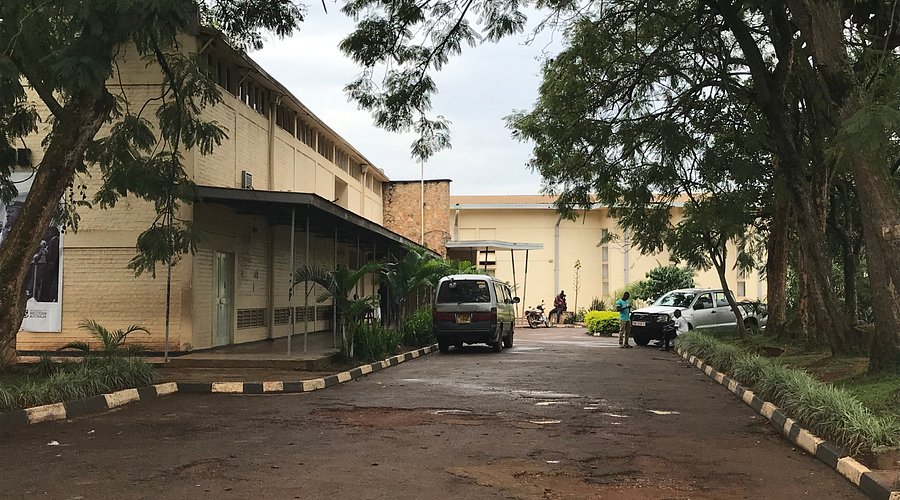
The Uganda Museum grew steadily through the decades of the colonial period, expanding its collections, improving its facilities, and developing its role as a centre of research and public education. The museum’s move to its current premises on Kira Road took place in 1954, when a purpose-built museum building was constructed to house the expanding collections more appropriately.
The years surrounding Uganda’s independence in 1962 were a transformative period for the museum, as the new Ugandan government grasped the importance of the institution as a symbol and instrument of national identity and cultural pride. The museum’s collections, assembled partly under colonial auspices, were reconceived as the heritage of the Ugandan nation — a national treasure belonging to all Ugandans rather than a colonial curiosity cabinet.
The turbulent years of the Idi Amin dictatorship (1971–1979) were deeply damaging to Ugandan institutions generally, and the museum was not spared. Collections were neglected, staff dispersed, and the broader infrastructure of cultural preservation deteriorated badly during this period. The years following the restoration of stability saw concerted efforts to restore and revitalise the museum, with support from the Ugandan government and international cultural organisations.
The post-1986 period — following the coming to power of President Yoweri Museveni’s government — saw a more sustained recovery, with renewed investment in the museum’s facilities, collections management, and public programming. International partnerships with museums and cultural organisations in Europe and North America provided technical support and resources for collection conservation and institutional development.
The Museum Today
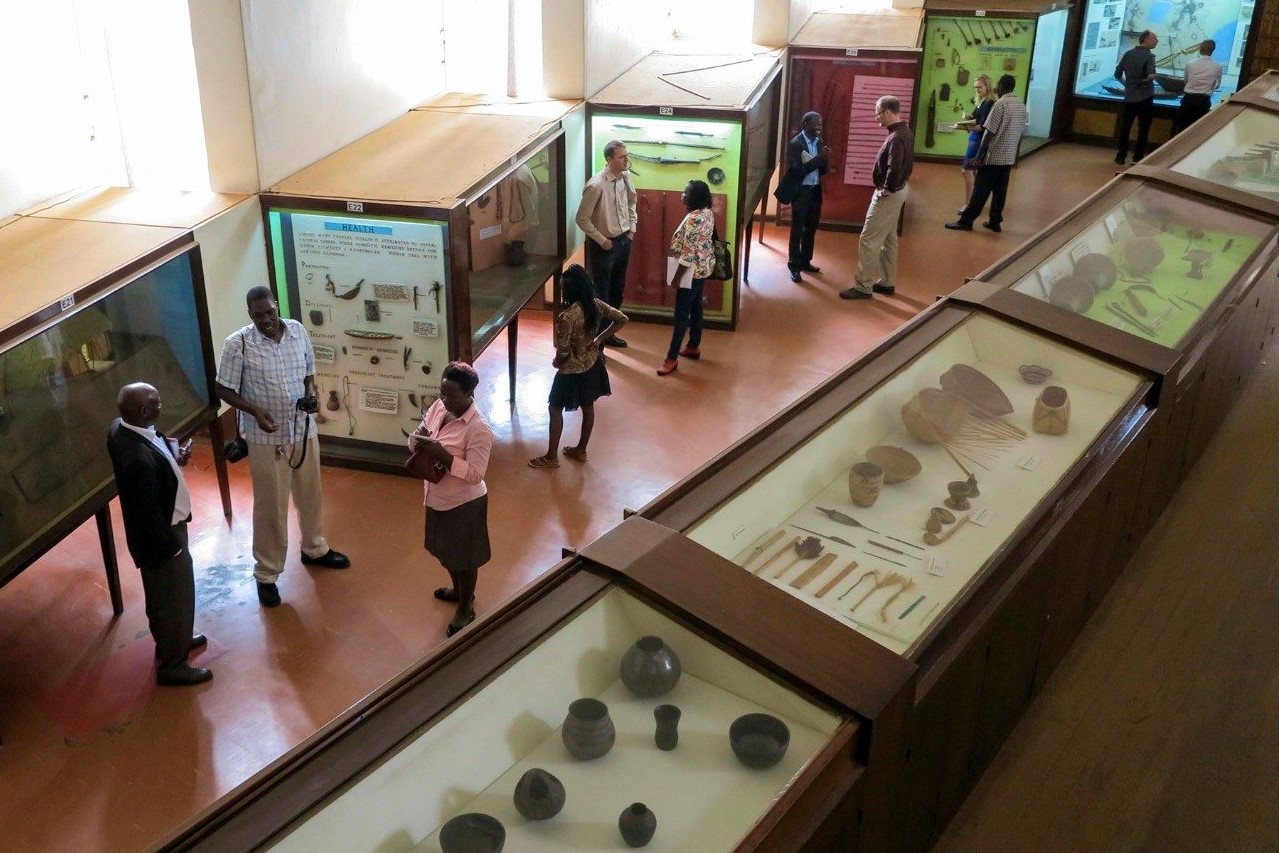
Today, the Uganda Museum stands as a significantly refurbished and actively managed institution, with ongoing programmes of collection development, public education, community outreach, and research. The museum’s galleries have been substantially upgraded in recent years, with improved display cases, better lighting, and more thoughtfully designed interpretation that contextualises the collections within the broader narratives of Ugandan history and culture.
The museum continues to serve multiple constituencies simultaneously: school groups from across Uganda who come for curriculum-linked educational visits, researchers and scholars studying Ugandan history and culture, international tourists seeking an introduction to Uganda’s heritage, and Ugandan adults reconnecting with aspects of their cultural heritage that the pace of modern life has distanced them from.
The Collections: A Journey Through Uganda’s Heritage
The Ethnographic Collections
The ethnographic collections at the Uganda Museum are the heart and soul of the institution — the collections that most directly embody the extraordinary cultural diversity of a country that is home to more than forty distinct ethnic groups speaking languages from four of Africa’s major language families: Bantu, Nilotic, Central Sudanic, and Kuliak.
The collections document the material culture of peoples as different in their histories, environments, and ways of life as the Baganda of the central region — with their sophisticated kingdom, their bark cloth traditions, and their royal court culture — and the Karamojong of the northeast, cattle-keeping pastoralists whose way of life has more in common with the great pastoral cultures of the East African Rift Valley than with the agricultural kingdoms of the south. Between these poles of cultural diversity lie the Acholi of the north, the Banyankole of the southwest, the Batwa forest communities of the Bwindi region, the Basoga of the east, the Bakonjo of the Rwenzori mountains, and dozens of other communities, each with their own languages, artistic traditions, and ways of understanding the world.
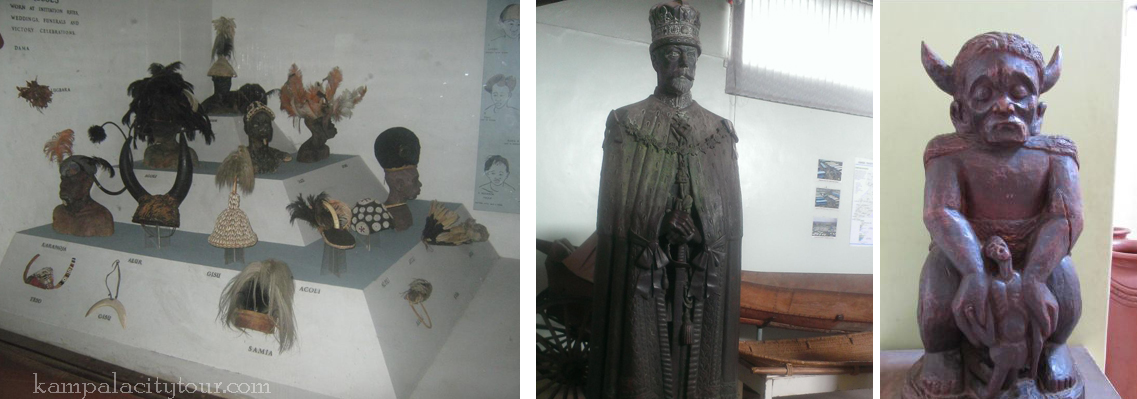
The ethnographic collections include household implements and agricultural tools that document the ingenuity with which different communities adapted to their specific environments, body adornment objects — jewellery, scarification tools, elaborate headdresses — that speak of the profound importance of personal and social identity in African cultures, hunting and fishing equipment that reflects the remarkable variety of the strategies different communities developed to harvest Uganda’s extraordinary natural abundance, and trade goods and exchange objects that document the long-distance commercial networks that connected Ugandan communities to the broader East African and Indian Ocean trading world.
The Royal Regalia Collections
Among the most significant and visually striking objects in the Uganda Museum are the collections of royal regalia from Uganda’s traditional kingdoms — particularly the Buganda Kingdom, whose royal court produced objects of extraordinary craftsmanship and symbolic richness. These collections include royal drums — among the most politically significant objects in Buganda culture, their possession and sounding marking the very presence of royal authority — royal spears, shields, and weapons that embodied the military power of the kingship, elaborate royal thrones and stools whose specific forms encode complex messages about the nature of authority and the relationship between the king and his ancestors, bark cloth garments and ceremonial textiles used in royal rituals and court ceremonies, and royal crowns, necklaces, and personal adornments of remarkable beauty and cultural complexity.
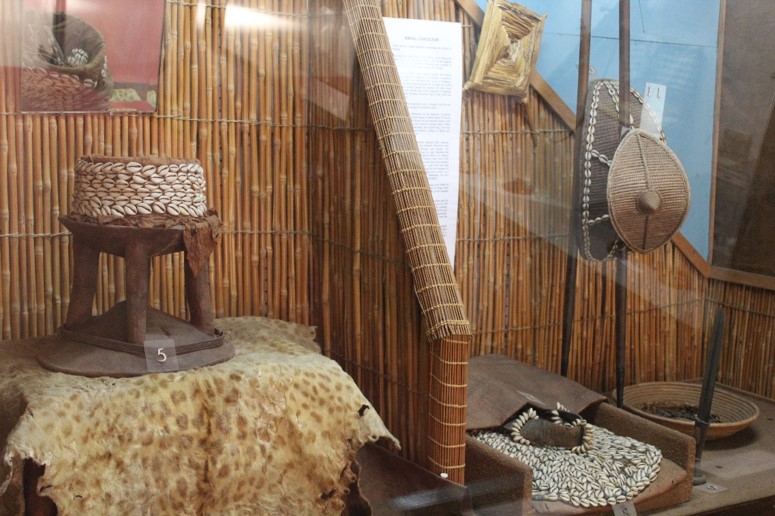
The presence of these objects in the museum raises important and unresolved questions about the relationship between museum collections and living cultural communities — questions that the museum is actively engaged with through ongoing dialogue with the Buganda Kingdom and other royal institutions. Some of these objects are reproductions made for display purposes, with the originals remaining in the custody of the royal institutions themselves. Others are genuine historical pieces, donated or transferred to the museum at various points in the institution’s history.
The Musical Instrument Collections
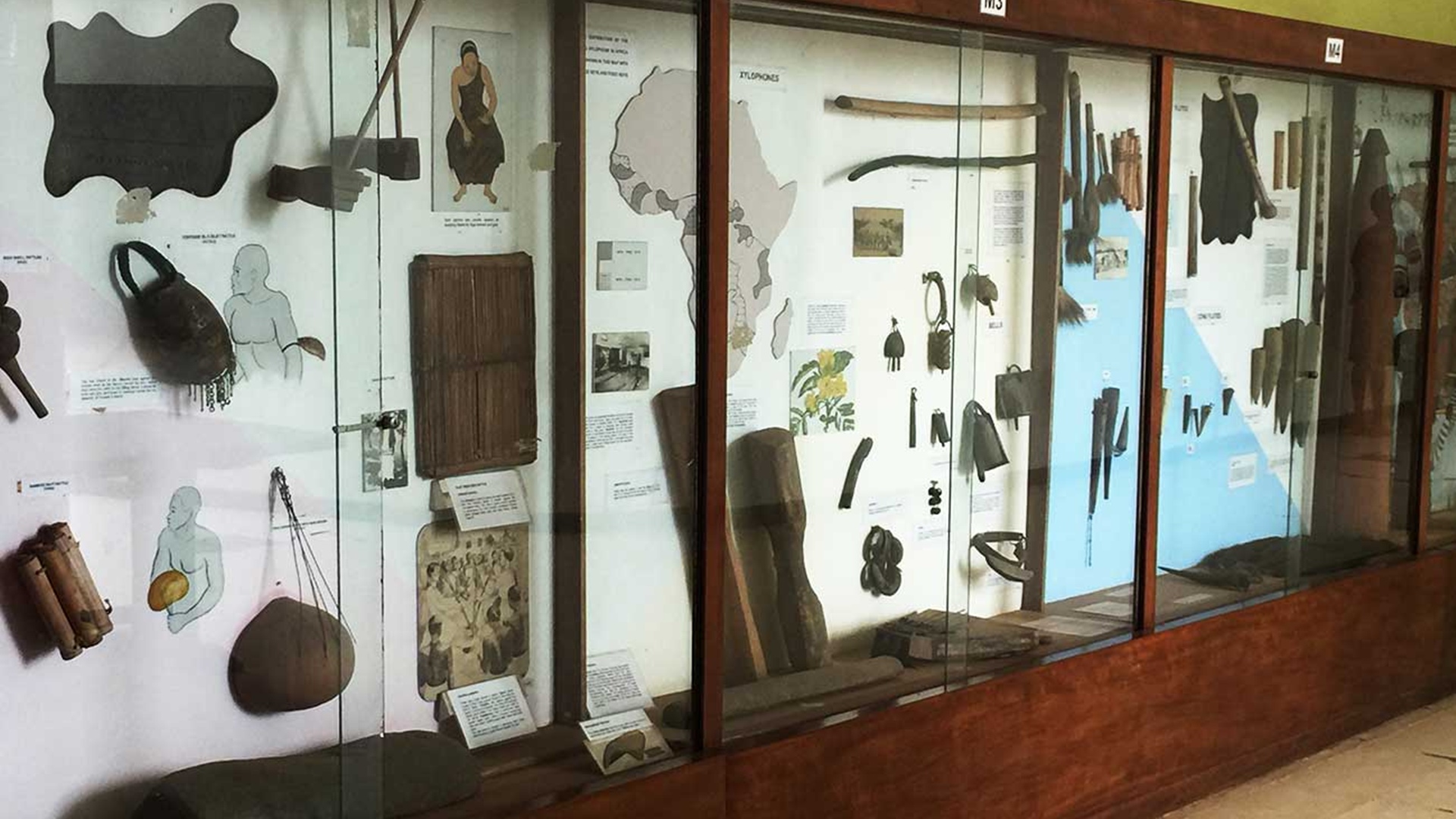
The Uganda Museum’s collection of traditional musical instruments is one of the finest in East Africa and deserves particular attention both for its breadth and for the extraordinary insight it provides into the musical cultures of Uganda’s many communities. Music in Uganda — as across much of Africa — is not merely an entertainment but a fundamental social technology, used to mark every significant moment in the life cycle, to communicate with ancestors, to organise collective labour, to celebrate harvests, and to transmit historical knowledge across generations.
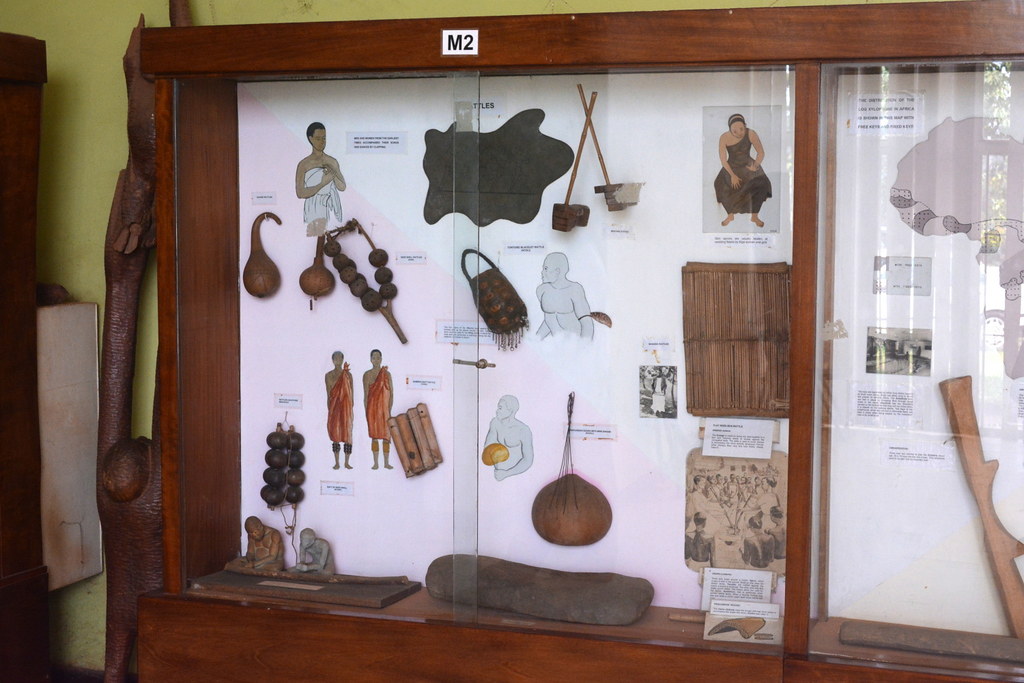
The collection includes the endongo — the Baganda bowl lyre, one of the most distinctive and beautiful instruments of the Great Lakes region; the amadinda and akadinda — the large and small xylophones of the Buganda court, which produce a hypnotic, interlocking polyphonic music that has attracted the attention of ethnomusicologists worldwide; the adungu — the arched harp of the Acholi and other northern communities, an instrument of remarkable expressive depth; an enormous variety of drums — from the giant royal drums of the Buganda court to the small personal drums of individual musicians — reflecting the central importance of percussion in virtually every Ugandan musical tradition; and wind instruments, including animal horn trumpets, flutes of various kinds, and the remarkable akogo thumb piano, found in various forms across the country.
Many of these instruments can be heard as well as seen, as the museum maintains a programme of musical demonstrations and live performances that bring the collection to life in a way that static display can never fully achieve. Attending a musical demonstration at the Uganda Museum is one of the most genuinely educational and enjoyable experiences available to visitors in Kampala.
The Archaeological Collections
The archaeological collections at the Uganda Museum document human presence in Uganda from the earliest Stone Age periods through to the early historical era, providing material evidence for a human story that stretches back hundreds of thousands of years. Uganda’s position at the heart of the African continent, in a region of extraordinary ecological diversity and rich natural resources, made it an attractive environment for early human populations, and the archaeological record reflects this long history of habitation.
The Stone Age collections include tools from the Early Stone Age — hand axes and cleavers of the Acheulean tradition dating back hundreds of thousands of years — as well as the refined microlithic tools of the Later Stone Age, which reflect the sophisticated hunting and gathering adaptations of Uganda’s pre-agricultural inhabitants. The transition to food production — farming and herding — is documented through collections of Early Iron Age pottery, iron-smelting equipment, and the remains of early agricultural settlements.
The collections relating to the later Iron Age kingdoms — including material from the Bigo bya Mugenyi earthworks and the associated Chwezi-period sites of south-western Uganda — are of particular significance, providing the material evidence that underpins debates about the nature of pre-colonial Ugandan civilisation. Pottery of the Entebbe ware tradition, iron tools and ornaments, and objects associated with royal and ritual contexts bring these largely undocumented centuries to life in tangible form.
The Natural History Collections
Alongside its cultural and historical collections, the Uganda Museum maintains significant natural history collections that document the extraordinary biodiversity of a country that packs more species of birds, mammals, reptiles, and plants into its relatively small territory than almost any other country on earth. Uganda is home to more than half of the world’s remaining mountain gorillas, to thirteen species of primate, to over 1,060 species of birds, and to an astounding variety of freshwater fish in its lakes and rivers.
The natural history collections include mounted specimens of Uganda’s iconic wildlife — including examples of species that have become rare or locally extinct since the specimens were collected — geological samples documenting the complex tectonic history of a country that straddles the East African Rift Valley, botanical collections documenting the extraordinary plant diversity of Uganda’s forests, wetlands, and savannahs, and entomological collections that hint at the barely imagined complexity of Uganda’s insect life.
These collections provide an important scientific record of Uganda’s natural heritage, particularly valuable in a period of accelerating environmental change and biodiversity loss. They also serve an important educational function, allowing Ugandan students and members of the public to encounter, at close range, animals and plants that they might never see in the wild.
The Historical Photographs and Documents
The Uganda Museum maintains an important archive of historical photographs and documents that constitute an irreplaceable visual record of Uganda’s recent past. The photographic collections include images from the late 19th and early 20th centuries that document the early colonial period, the royal courts of Uganda’s kingdoms, the construction of the Uganda Railway, the activities of early missionaries, and the daily life of communities across the country in the era before photography became widely accessible.
These historical photographs are among the most popular exhibits in the museum, drawing visitors into a world that is both recognisably Ugandan and dramatically different from the Uganda of today. They prompt reflection on the speed and scale of change that Uganda has experienced over the past century — and on what has been preserved, what has been lost, and what continues to evolve.
The Museum’s Educational Role
Schools and Young People
The Uganda Museum plays a central role in the formal education system, receiving thousands of school children every year for curriculum-linked educational visits that bring history, geography, science, and cultural studies to life in ways that no classroom can fully replicate. The museum’s education team develops programmes linked to the Ugandan school curriculum and tailored to different age groups, from primary school children encountering traditional musical instruments for the first time to secondary and tertiary students undertaking serious research in the collections.
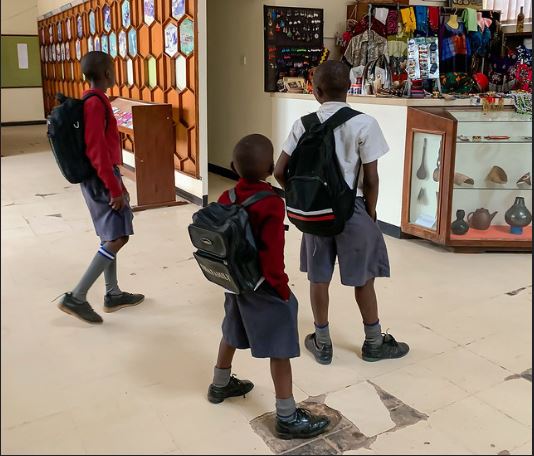
For many Ugandan children — particularly those from urban backgrounds who have grown up far from the communities and traditions that their grandparents knew — a visit to the Uganda Museum is the first sustained encounter with the breadth of their country’s cultural heritage. The experience of seeing, and sometimes touching and hearing, the material culture of communities from across Uganda can be genuinely transformative — a reconnection with a richness of heritage that the pace of modern life has made less visible.
Community Outreach and Cultural Programmes
Beyond its formal educational programmes, the Uganda Museum engages in a range of community outreach activities designed to make the museum’s resources accessible to the widest possible public. These include regular public lecture series on topics in Ugandan history, culture, and natural heritage, temporary exhibitions that bring specific aspects of Ugandan culture into focus for defined periods, cultural performances — including musical demonstrations, dance performances, and storytelling sessions — that animate the collections with living practice, and community collection days that invite members of the public to bring objects from their own homes and communities for documentation and contextualisation by the museum’s curatorial team.
Research and Documentation
The Uganda Museum serves as a centre for research into Ugandan history, culture, and natural heritage, maintaining library and archive resources that support the work of both Ugandan and international scholars. The museum’s curatorial staff are themselves researchers, contributing to the growing body of scholarship on Ugandan history and culture through publications, conference presentations, and collaborative research projects with universities and cultural institutions in Uganda and abroad.
The documentation of Uganda’s intangible cultural heritage — the songs, stories, ceremonies, and oral traditions that exist in the memory of communities but not in any written or physical form — is an increasingly important focus of the museum’s work, as the generation of elders who carry these traditions in living memory becomes ever smaller.
The Outdoor Exhibits: Traditional Architecture and Homesteads
The Open-Air Museum
One of the most distinctive and popular features of the Uganda Museum is its outdoor section — an open-air display of traditional homesteads and architectural structures from different Ugandan ethnic communities. These reconstructed homesteads allow visitors to walk through, explore, and physically experience traditional living spaces in a way that indoor gallery displays can never provide.
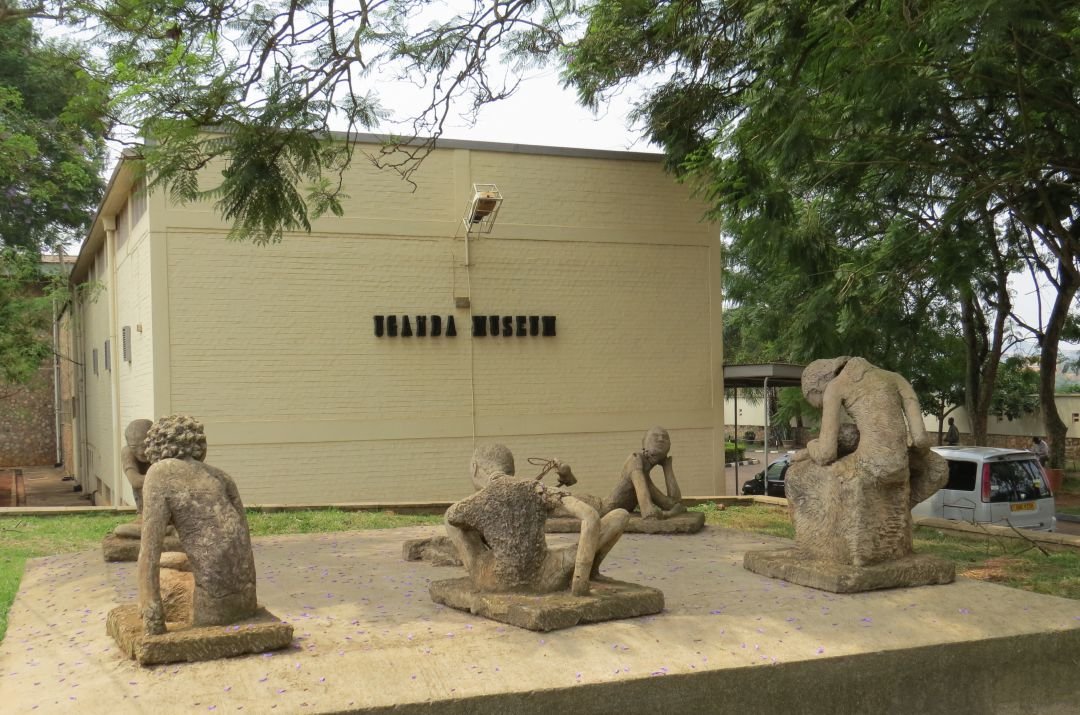
The outdoor exhibits include a reconstructed Buganda royal enclosure, demonstrating the circular thatched architecture and spatial organisation of a traditional Buganda palace, a Karamojong manyatta — the distinctive circular homestead of this northeastern pastoral community, with its thorn-bush enclosure for cattle and its low, rounded dwellings, a Banyankole homestead reflecting the pastoral culture and architectural traditions of south-western Uganda, a Basoga homestead from the eastern region, and agricultural and craft displays showing the tools and techniques of traditional farming, pottery, weaving, and iron-smelting.
Walking through these outdoor exhibits, particularly on a quiet morning when the grounds are relatively uncrowded, is one of the most evocative experiences the museum offers — a genuine imaginative transport into the daily lives of Ugandan communities across the centuries.
The Museum Gardens
The museum grounds are also home to a collection of traditional medicinal plants, labelled and explained in a small botanical garden that documents the extraordinary pharmacological knowledge of Uganda’s traditional healers. This garden serves both an educational and a conservation function, preserving knowledge of plants and their uses that is increasingly at risk as traditional healing practices give way to modern medicine and as the natural environments in which these plants grow are degraded.
Visiting the Uganda Museum
Getting There
The Uganda Museum is located on Kira Road in the Nakasero area of Kampala, approximately two kilometres from the city centre. It is easily accessible by private car, boda-boda (motorcycle taxi), or taxi from any part of the city. The museum is clearly signposted and is a well-known landmark in the Kira Road area.
The museum is open Tuesday through Sunday from 10:00 AM to 7:00 PM and is closed on Mondays. An entrance fee is charged, with different rates for Ugandan nationals, East African Community residents, and international visitors. Children’s rates are also available.
Planning Your Visit
A thorough visit to the Uganda Museum — taking in all the main galleries, the outdoor exhibits, and the gardens — requires a minimum of two to three hours and can comfortably occupy a full half-day for visitors with a serious interest in the collections. The museum is compact enough to be navigated without difficulty but rich enough to reward extended and unhurried exploration.
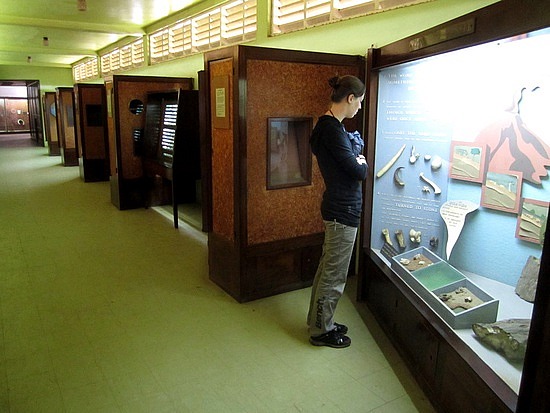
Guided tours are available and are strongly recommended for first-time visitors, as the guides are knowledgeable, engaging, and able to bring the collections to life with contextual information and personal stories that written labels alone cannot provide. Musical demonstrations are scheduled at regular intervals and should not be missed — the experience of hearing the amadinda xylophone or the endongo lyre played by a skilled musician in the museum’s courtyard is one of the most memorable things Uganda has to offer any visitor.
Accessibility and Facilities
The Uganda Museum has made efforts to improve accessibility for visitors with mobility limitations, with ramp access to the main building and most gallery areas. The outdoor exhibits involve some uneven ground and may be challenging for visitors with significant mobility difficulties. The museum has a small café area where light refreshments are available, and a gift shop selling postcards, books about Ugandan history and culture, and craft items produced by Ugandan artisans.
Combining the Uganda Museum with Other Kampala Attractions
The Uganda Museum’s location on Kira Road places it conveniently close to several other significant Kampala attractions, making it an ideal anchor for a full-day Kampala cultural itinerary. Within easy reach are Namirembe Cathedral, Rubaga Cathedral, the Kasubi Tombs (UNESCO World Heritage Site), the Bahai House of Worship on Kikaya Hill, and the lively commercial centre of Kampala with its markets, restaurants, and street life. The National Theatre of Uganda is also nearby and regularly programmes performances of traditional music, dance, and contemporary Ugandan theatre.
Conservation Challenges and the Future of the Museum
The Challenge of Preservation
The Uganda Museum faces the conservation challenges common to heritage institutions across sub-Saharan Africa — challenges that are real and significant but far from insurmountable. Limited financial resources constrain the museum’s ability to maintain its collections at the highest international standards of conservation, to upgrade its facilities as rapidly as desirable, and to compete for the best professional curatorial talent in a context where private sector and international organisation salaries are considerably higher than those available in public cultural institutions.
Climate is a significant conservation challenge in Uganda, where the combination of heat, humidity, and the biological activity that these conditions support creates a demanding environment for organic materials — wood, fibre, leather, bark cloth, and other materials that make up a large proportion of the ethnographic collections. Insect damage, mould, and simple physical deterioration are ongoing threats to objects that are irreplaceable.
International Partnerships and Support
The Uganda Museum has benefited significantly from international partnerships with museums and cultural organisations in Europe and North America. These partnerships have provided training for Ugandan museum professionals, financial and technical support for collection conservation projects, and access to international networks of expertise and knowledge that strengthen the institution’s capacity.
The question of repatriation — the return of objects collected during the colonial period from Ugandan communities to their places of origin — is an active and important conversation that the Uganda Museum is engaged in, both as a potential recipient of objects held in foreign collections and as a participant in broader African and international debates about the ethics of museum collections and the rights of source communities to their own heritage.
Vision for the Future
The leadership of the Uganda Museum has articulated a vision for the institution’s future that is ambitious, community-centred, and deeply rooted in an understanding of the museum’s unique potential as a force for cultural preservation, national identity, and social cohesion. Central to this vision is the development of the museum as a community resource — a place that belongs to and is actively used by all Ugandans, not merely a destination for tourists and scholars.
Plans for enhanced digital access to the collections — making catalogue records, photographs, and contextual information available online to researchers and community members who cannot physically visit the museum — represent an important step towards realising this vision in an era of digital communication and global connectivity.
Conclusion: The Memory of a Nation
Every nation needs a place where its memory is kept — where the objects, the images, the sounds, and the stories that constitute its heritage are gathered, preserved, and made available to all who wish to encounter them. For Uganda, that place is the Uganda Museum on Kira Road. For more than a century, through colonial rule and independence, through dictatorship and recovery, through rapid change and hard-won continuity, the museum has fulfilled this irreplaceable function with quiet dedication.
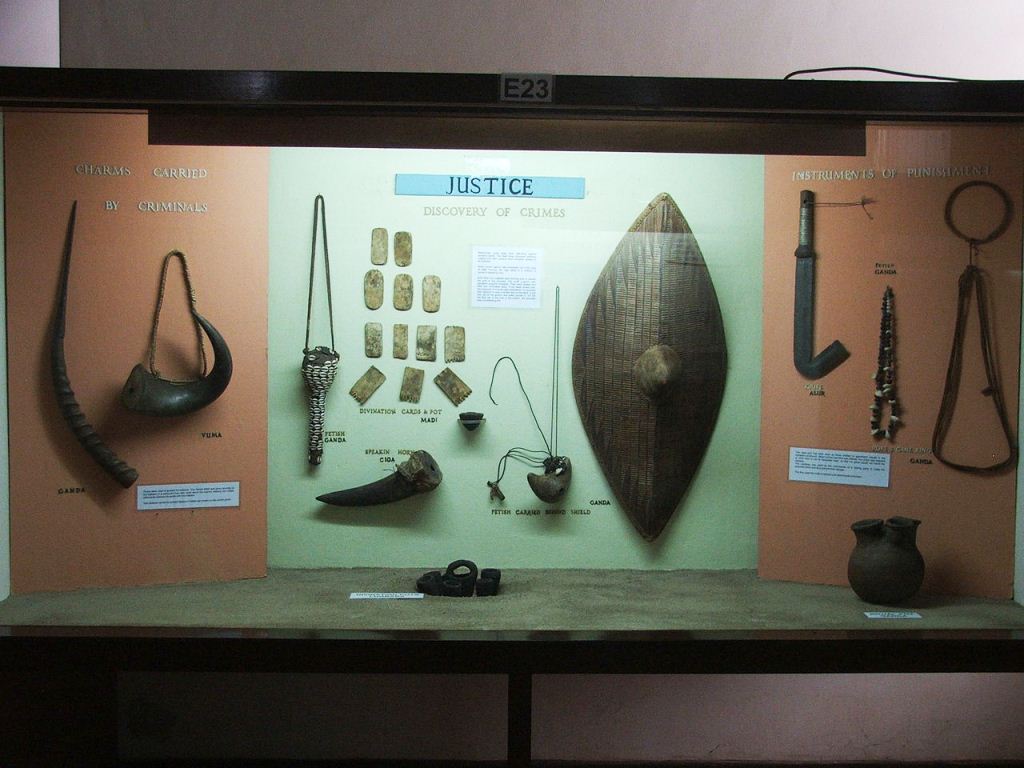
The Uganda Museum is not a perfect institution — no museum is. It operates under real constraints of resources and capacity, and it faces real challenges of conservation and relevance in a rapidly changing world. But it is a living institution, staffed by people who care deeply about Uganda’s heritage and who work with great commitment to make that heritage accessible and meaningful to every visitor who walks through its doors.
To visit the Uganda Museum is to spend time in the company of Uganda’s past — to hold, however briefly, the thread that connects the Uganda of today to the thousands of years of human creativity, resilience, and wisdom that have brought it to this moment. It is to encounter, in the most tangible and immediate way possible, the extraordinary richness of a country that continues to astonish all who take the time to know it properly.
It is, in every sense, time well spent.
✦ Visit the Uganda Museum with Uganda Safari Bookings
Ready to explore the full depth and richness of Uganda’s extraordinary cultural heritage? Uganda Safari Bookings offers expertly guided visits to the Uganda Museum and the complete range of Kampala’s magnificent historical and cultural landmarks — crafting journeys that connect every visitor with the stories, the peoples, and the wonders that make Uganda the Pearl of Africa.
We offer tailor-made Kampala cultural day tours combining the Uganda Museum with the Kasubi Tombs, Namugongo Martyrs Shrine, the Bahai House of Worship, and the city’s cathedrals and markets, comprehensive multi-day Uganda safari packages that pair Kampala’s heritage sites with gorilla trekking in Bwindi Impenetrable Forest, chimpanzee tracking in Kibale National Park, game drives in Queen Elizabeth and Murchison Falls National Parks, and the stunning scenery of the Rwenzori Mountains and the Ssese Islands, educational and cultural tours for school groups, university students, and heritage professionals, and private bespoke itineraries for travellers with specific historical, artistic, or cultural interests.
Our expert, locally based team has an intimate knowledge of Uganda’s history, culture, and landscapes and a genuine passion for sharing it with visitors from Uganda and around the world. We believe that travel, at its best, is not merely movement but transformation — and we design every journey with that belief at its heart. Contact us today by emailing to info@ugandasafaribookings.com 📞 Call / WhatsApp: +256-700135510
Let Uganda Safari Bookings open the doors of Uganda’s past, present, and future for you — and help you discover why this remarkable country captures the hearts of all who visit it.

More Articles
Fort Lugard
Sezibwa Falls
Ndere Cultural Center- Traditional Music, Dance & Drama