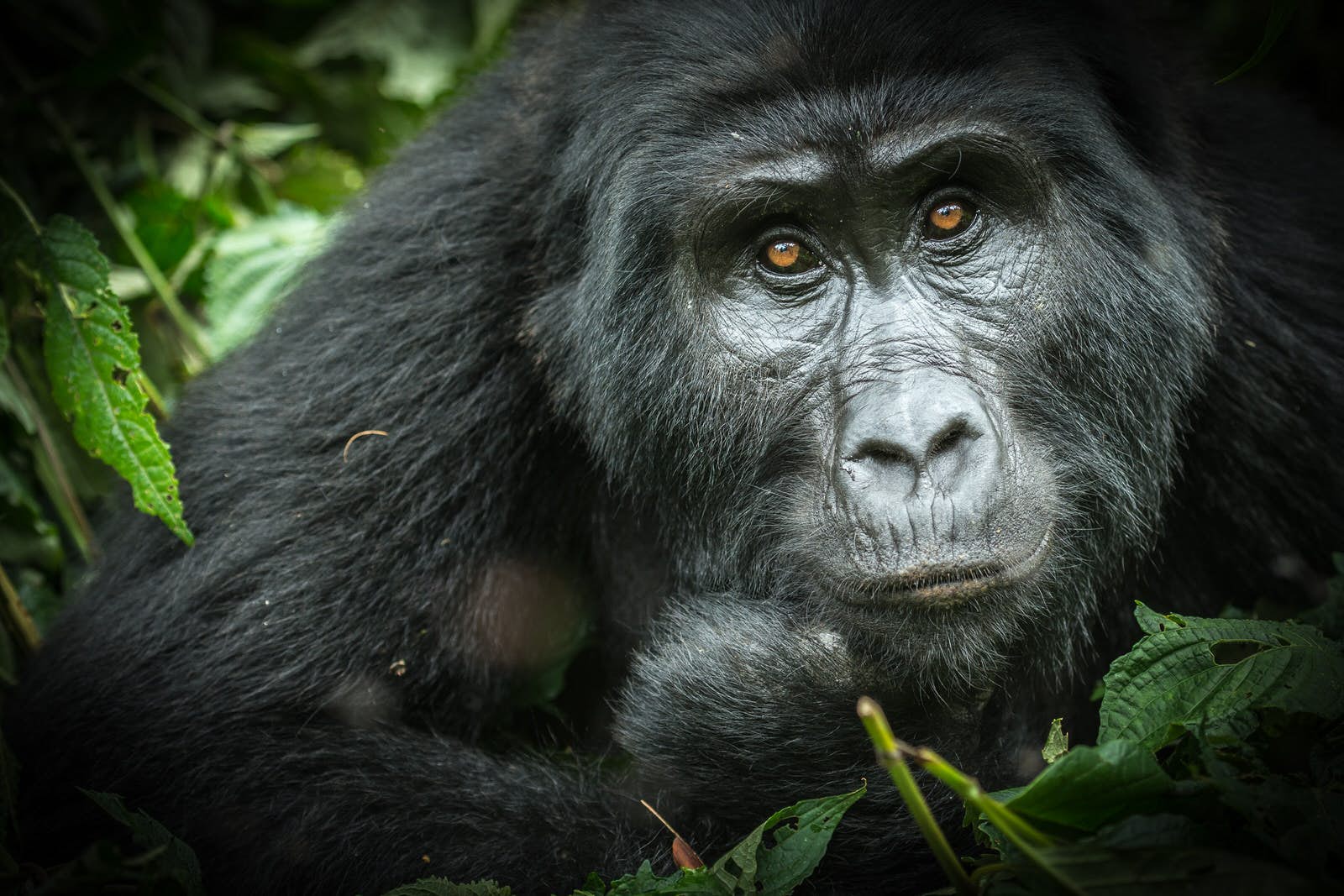
There are wildlife encounters, and then there are the kind that stop you completely — that silence you, slow your breathing, and make you feel, in the most visceral way, that you are part of something far older and larger than yourself. In Uganda, that experience comes not once but twice. Standing metres from a mountain gorilla in the mist-wrapped forests of Bwindi is one of the most extraordinary things a human being can do on this planet. Following that, just days later, with the electric chaos of chimpanzees crashing through the canopy of Kibale Forest, is something else entirely. Uganda is the only country on earth where you can do both, back to back, on a single safari.
For primate lovers, it is the definitive destination.
Why Uganda is the primate safari capital of the world
Uganda is home to more than half of the world’s remaining mountain gorilla population. Approximately 480 individuals live in the mist-covered forests of Bwindi Impenetrable National Park and Mgahinga Gorilla National Park, and the numbers are rising — mountain gorilla populations have now surpassed 1,060 individuals globally, a genuine conservation success story driven in large part by responsible tourism.
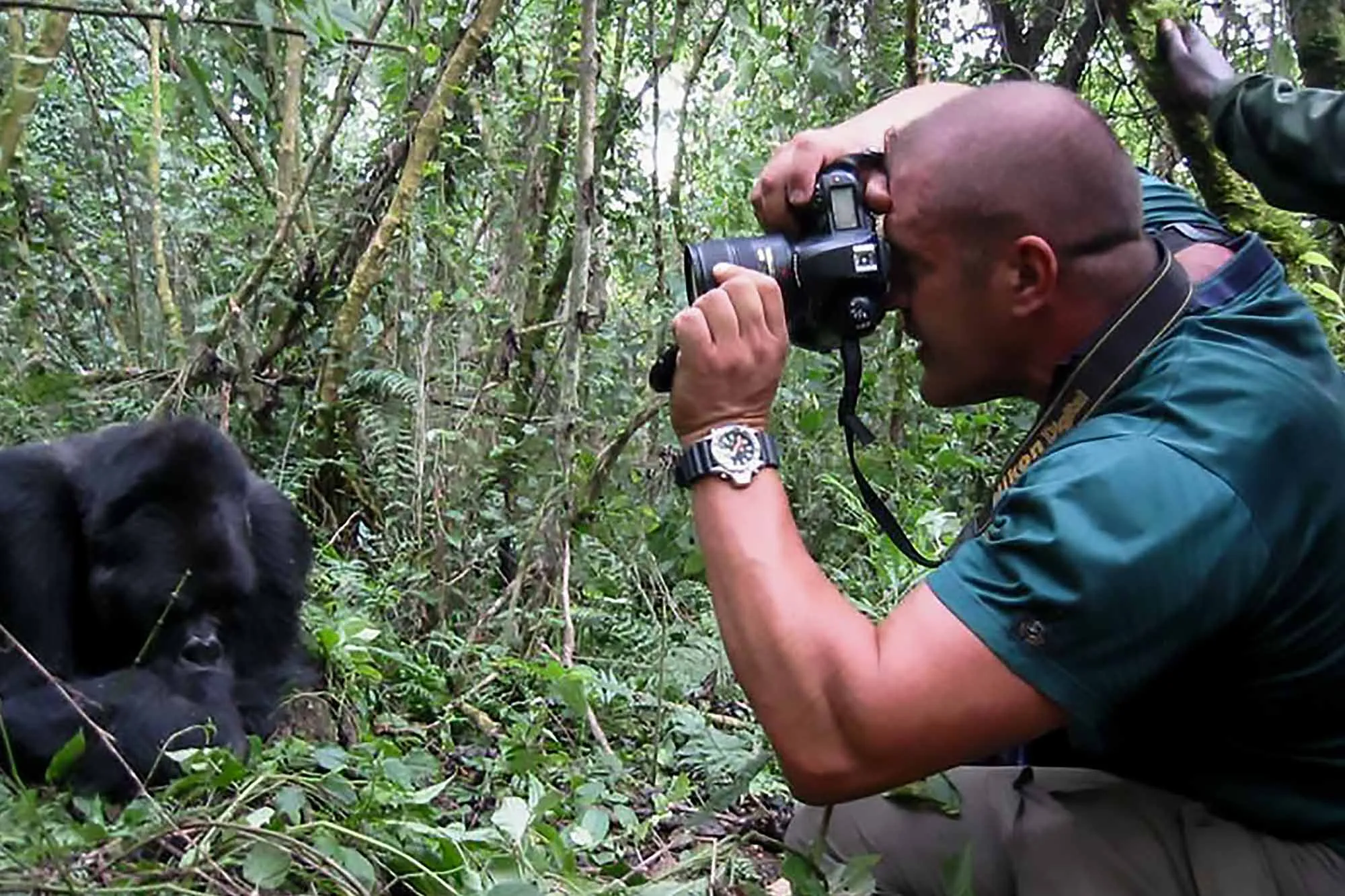
But Uganda’s primate story does not begin and end with gorillas. The country is often called the “Primate Capital of the World,” and for good reason — with 13 primate species, primate tracking Uganda safaris offer multiple opportunities to observe our closest relatives in the wild. Kibale Forest National Park protects 795 square kilometres of tropical rainforest and harbours the highest density of primates in Africa, with over 1,500 chimpanzees alongside red colobus, black-and-white colobus, grey-cheeked mangabeys, L’Hoest’s monkeys, and red-tailed monkeys.
Put Bwindi and Kibale together on one itinerary and you have a safari that no other country can replicate.
The permits: what you need to know before you book
Permits are the first thing to arrange, and the earlier the better. In 2026, gorilla trekking permits in Uganda cost $800 per person — significantly less expensive than neighbouring Rwanda’s $1,500 permits, making Uganda the more accessible choice for travellers who don’t want to compromise on this once-in-a-lifetime experience. Only eight permits are issued per habituated gorilla family per day, keeping the encounters intimate and the impact low.
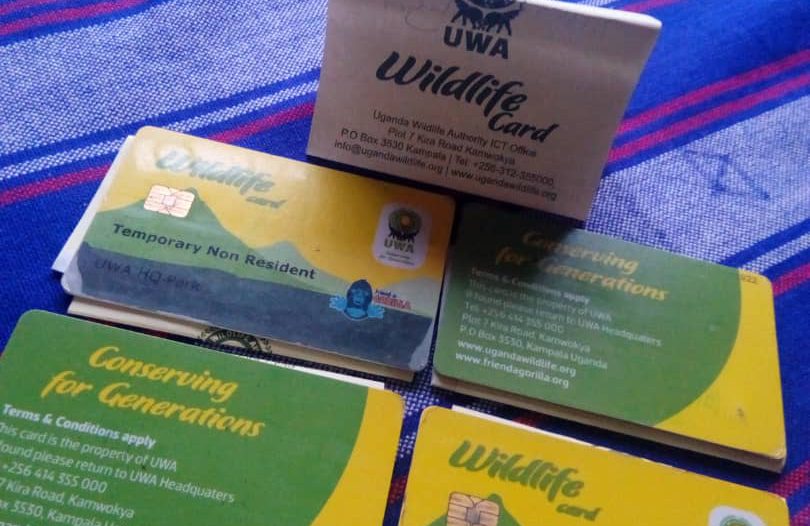
Chimpanzee tracking in Kibale requires a separate permit costing $250 per person, with 16 permits issued daily. For peak season — June through September and December through February — book your permits six to ten months in advance. Operators who specialise in Uganda can handle permit acquisition on your behalf, which is strongly recommended.
Itinerary 1: The 6-Day Express Primate Safari
This is the tightest viable combination, designed for travellers with limited time who want both primate encounters without unnecessary compromise.
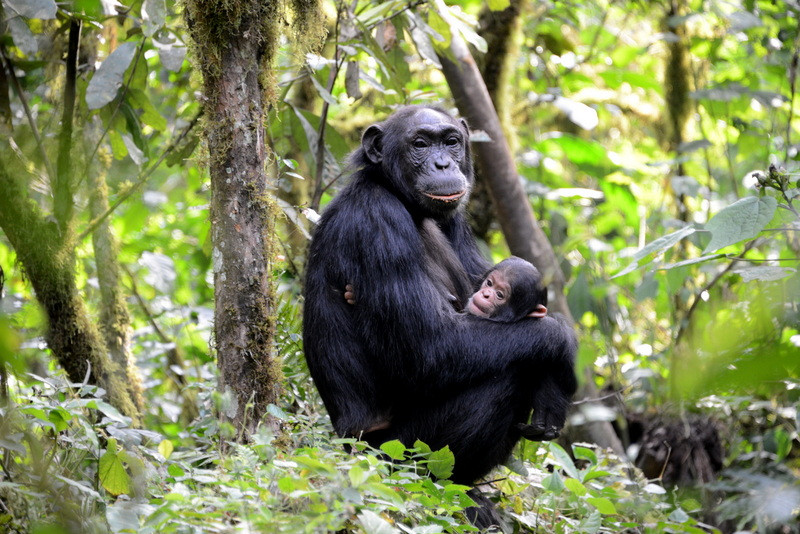
Days 1–2: Kibale Forest National Park. Fly into Entebbe and drive west through the tea plantations of Fort Portal to Kibale. On day two, spend your morning on a chimpanzee tracking expedition through the Kanyanchu trail, where these highly intelligent, emotional, and behaviourally complex animals swing through the canopy, forage on the forest floor, and engage in social interactions that mirror human society in unsettling ways. An afternoon visit to Bigodi Wetland Sanctuary adds further primate and birdwatching depth.
Day 3: Queen Elizabeth National Park. The drive south from Kibale passes through some of Uganda’s most beautiful highlands. A late-afternoon boat cruise along the Kazinga Channel — where hippos, elephants, and buffalo congregate at the water’s edge — gives you a taste of classic African safari before the deeper forest awaits.
Days 4–5: Bwindi Impenetrable Forest. The drive into Bwindi is itself an experience: winding roads through crater lakes, tea estates, and the dramatic Kigezi highlands. On the morning of your trek, you receive a briefing at the park offices before a Uganda Wildlife Authority ranger guide leads you into the forest. The trek can last between two and ten hours depending on the gorillas’ location — but meeting the calm giants heals whatever distance has been covered. You spend one hour with the gorilla family, observing silverbacks, mothers, and tumbling infants at close quarters. It is unhurried, unscripted, and unforgettable.
Day 6: Return to Entebbe. The long drive back east offers one final stop at the Uganda Equator — a worthy photo break before the journey ends.
Itinerary 2: The 8-Day Primates and Wildlife Classic
This is the most popular format in 2026, and with good reason. The 8-Day Uganda Primates Adventure covers mountain gorillas at Bwindi, chimpanzees at Kibale, and game drives at Queen Elizabeth — a combination that is demanding but very manageable.
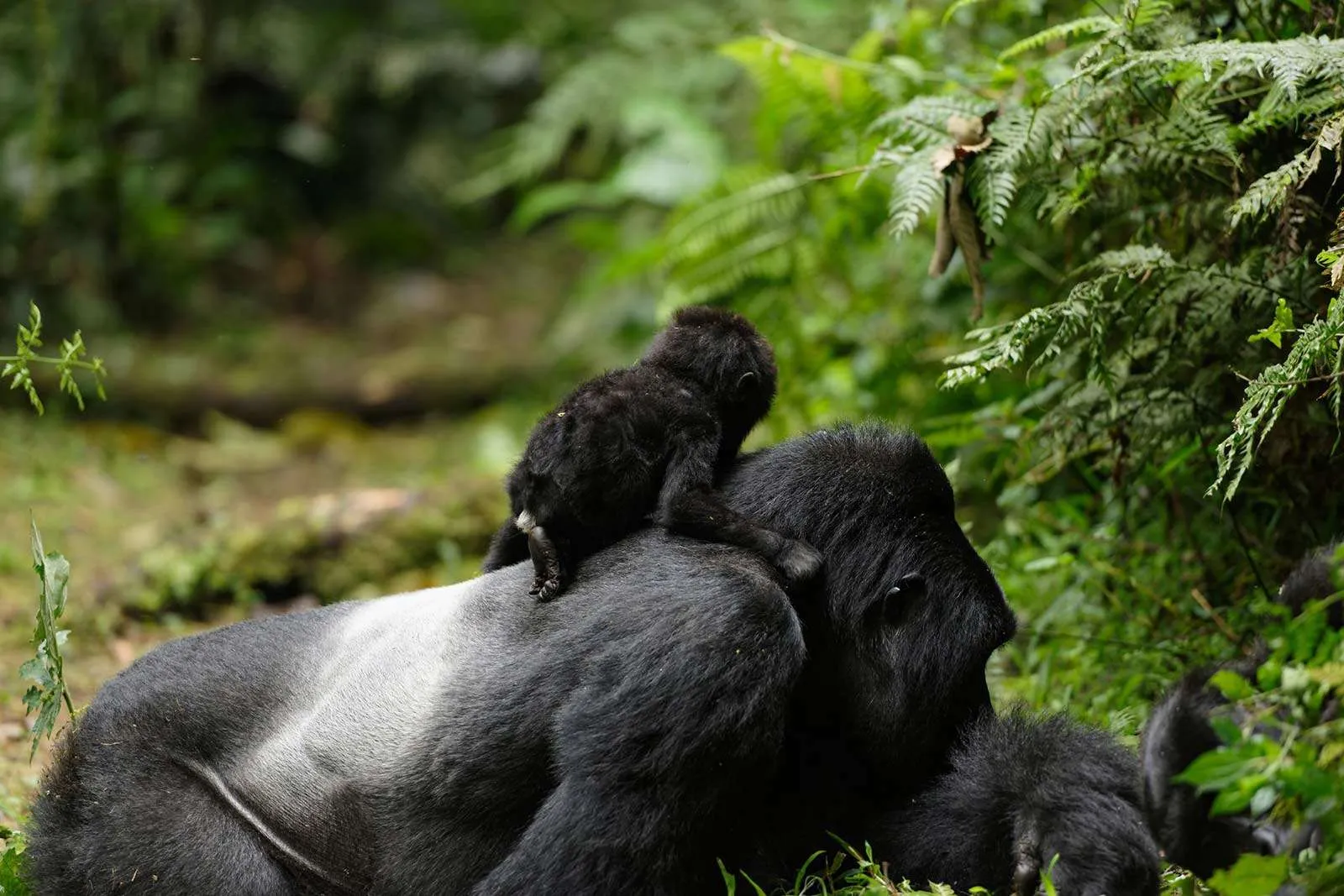
The additional two days over the express itinerary allow for a chimpanzee habituation experience in Kibale — a full-day immersion with a habituated chimp community as researchers work alongside them — rather than the standard two-hour tracking encounter. The difference is profound. You watch the troop wake, feed, dispute, play, and settle across an entire day, learning to read their behaviour in ways a brief encounter simply cannot teach.
The extra time at Queen Elizabeth also opens up the Ishasha sector in the park’s south, home to Uganda’s celebrated tree-climbing lions — a behaviour seen in only a handful of lion populations on earth and a spectacular counterpoint to the primate encounters that bookend the itinerary.
Itinerary 3: The 13-Day Ultimate Primate and Big Five Circuit
This circuit combines Bwindi gorilla trekking, Kibale chimpanzee trekking, and classic game viewing in Murchison Falls National Park and Queen Elizabeth National Park, plus rhino tracking at Ziwa. It is the comprehensive Uganda experience — one that moves through the country’s major ecosystems at a pace that allows genuine immersion rather than box-ticking.
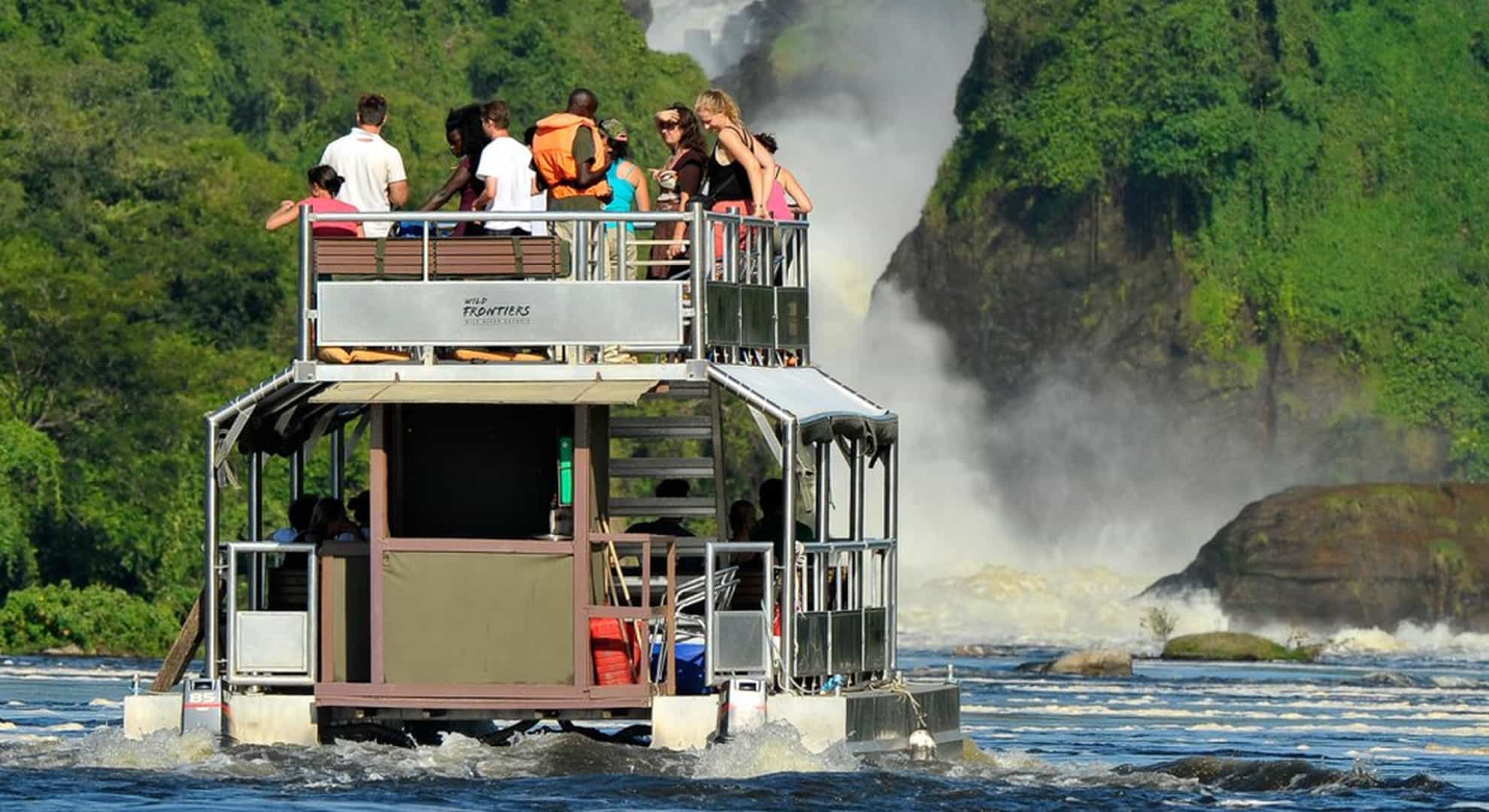
Murchison Falls, where the entire Nile is forced through a seven-metre gap in a thunderous display of raw power, anchors the northern section. A boat safari upriver to the base of the falls, followed by a game drive in the park’s north bank, rounds out a wildlife portfolio that covers primates, savannah species, Nile crocodiles, and the bird life for which Uganda is increasingly celebrated globally. Uganda hosts over 600 bird species — a number that makes it one of Africa’s premier birding destinations and a bonus for any naturalist on the longer itineraries.
Practical tips for 2026
The best time to trek is during the dry seasons — June, July, August, September and December, when there is less rain, the parks are drier, and hiking conditions are significantly more manageable. That said, gorilla trekking runs year-round, and the forest in the green season has its own damp, primeval beauty.
Pack light, breathable layers for the forest and one warm fleece — Bwindi sits above 1,600 metres and mornings can be sharply cold. Waterproof hiking boots are non-negotiable. Bring more camera batteries than you think you need, and leave the drone at home: they are prohibited in all Uganda national parks.
Above all, arrive with patience and an open schedule of mind. The forest operates on its own clock. That is precisely the point.
Uganda in 2026 offers primate encounters of a depth and intimacy that simply do not exist anywhere else in Africa. Book your permits early, choose an itinerary that matches your pace, and prepare for two of the most moving wildlife experiences of your life.
Planning to visit Uganda for mountain gorilla and chimpanzee tracking adventures- we at Uganda Safari Bookings will be more than happy to offer you our services. Simply contact us now by sending an email to info@ugandasafaribookings.com or call us now on +256-700135510 to speak with the reservations team.


More Articles
Why Uganda Safari Bookings Is Your Best Travel Partner?
Big 5 & Beyond: Discovering the Best Uganda Safaris for 2026
How to Plan Your A Uganda Safari in 2026: Step-by-Step Guide