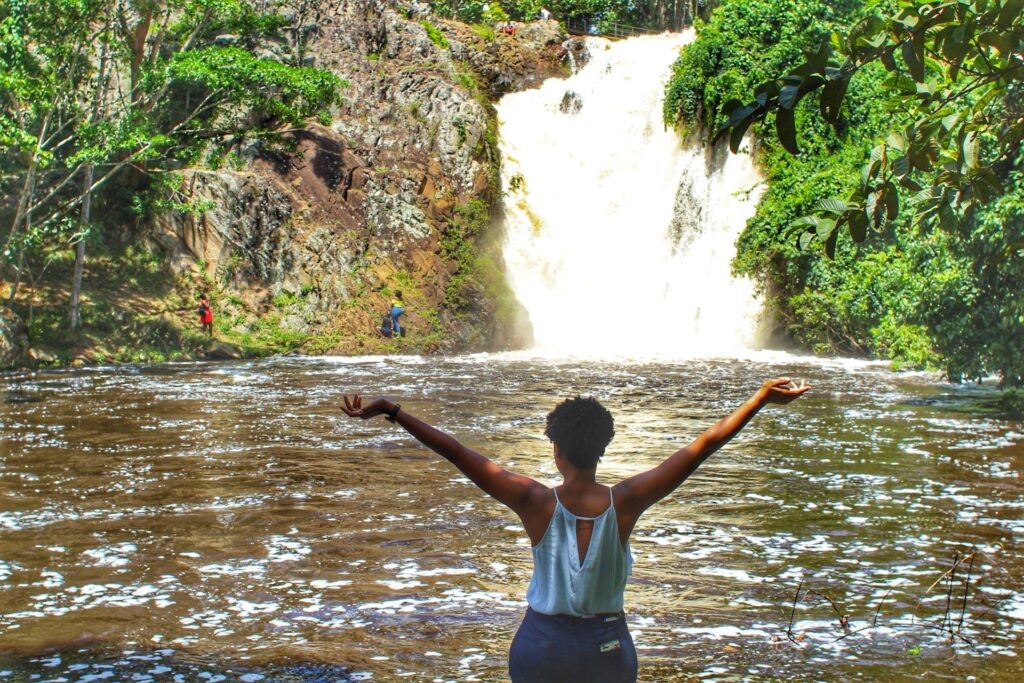
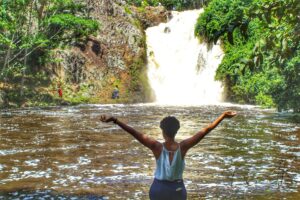
Rising from the hills of Mukono District, about 45 kilometres east of Kampala, the Sezibwa Falls are among Uganda’s most spiritually significant and naturally breathtaking historic sites. Where most waterfalls are celebrated purely for their scenic beauty, Sezibwa is different — it is a place where nature and mythology are inseparable, where the roar of cascading water carries the weight of centuries of Buganda Kingdom legend, royal ritual, and living tradition.
The Legend Behind the Falls
The story of Sezibwa begins not with geology but with birth. According to Buganda oral tradition, the Sezibwa River was not a river at all in its origins — it was one of twins born to a woman named Nakangu, wife of a man called Wanyana. The twins were born as spirits, and one of them became the river that now bears the name Sezibwa. This origin story elevated the falls and the river to a sacred status that has endured for centuries, making Sezibwa one of the most revered natural sites within the Buganda Kingdom.
The Kabaka, the King of Buganda, would historically visit the falls to perform rituals and seek spiritual guidance. Priests and custodians were appointed to tend the site and maintain its sacred character. Even today, the falls remain under the spiritual custodianship of appointed guardians, and traditional ceremonies continue to be conducted there, connecting the present to a tradition that stretches back many generations.
The Natural Setting
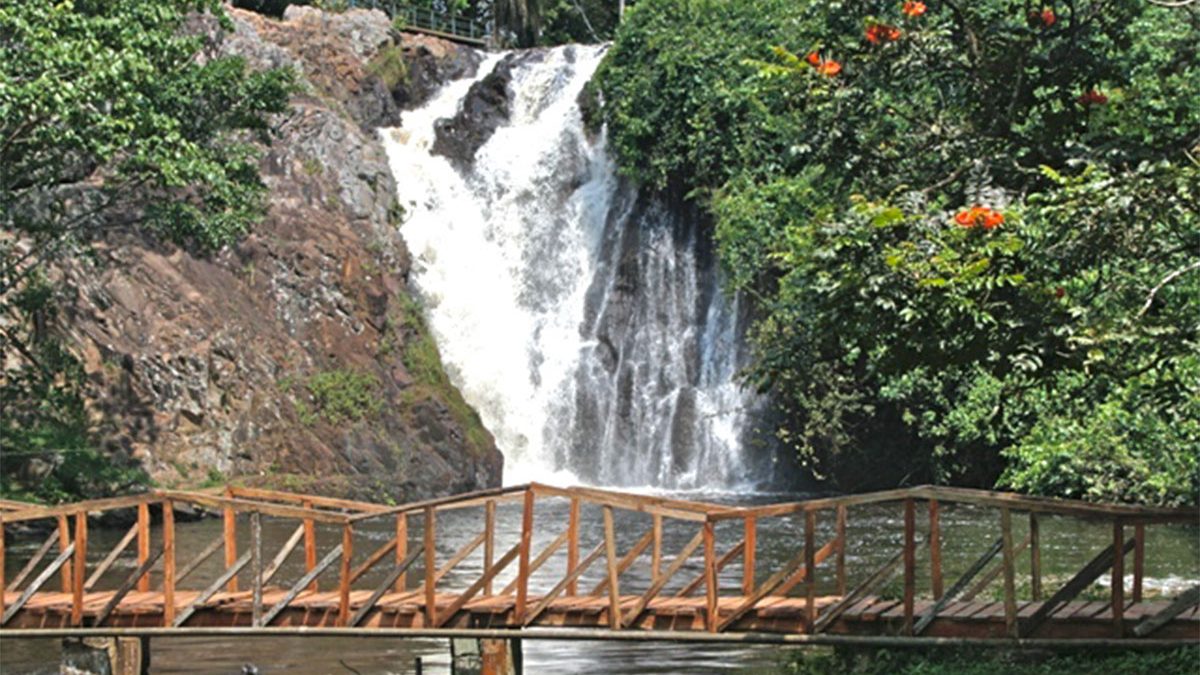
Beyond its spiritual and historical dimensions, Sezibwa Falls is a place of striking natural beauty. The river tumbles over two distinct cascades, dropping through a forested gorge thick with tropical vegetation. Giant fig trees, ferns, and riverine forest line the banks, creating a cool, shaded environment that feels entirely removed from the noise and heat of nearby Kampala.
The surrounding forest is home to a rich variety of birdlife, making Sezibwa a rewarding destination for birdwatchers. Grey parrots, African fish eagles, hornbills, and numerous forest species have been recorded in the area. Primates, including black-and-white colobus monkeys, move through the canopy above the falls, adding to the sense of a place still wild and untouched at its core.
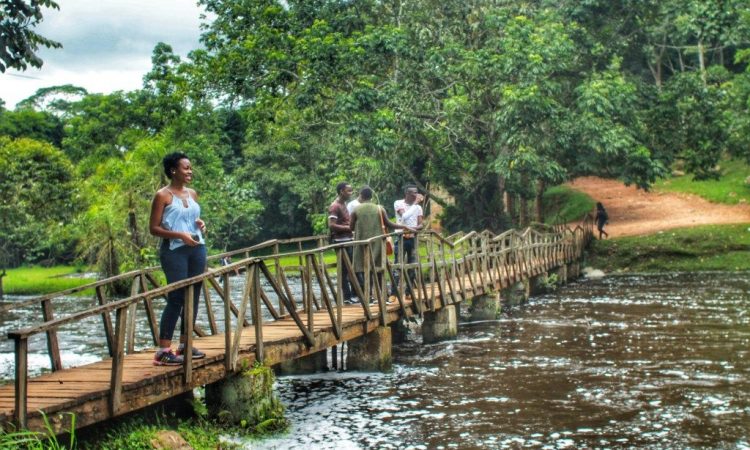
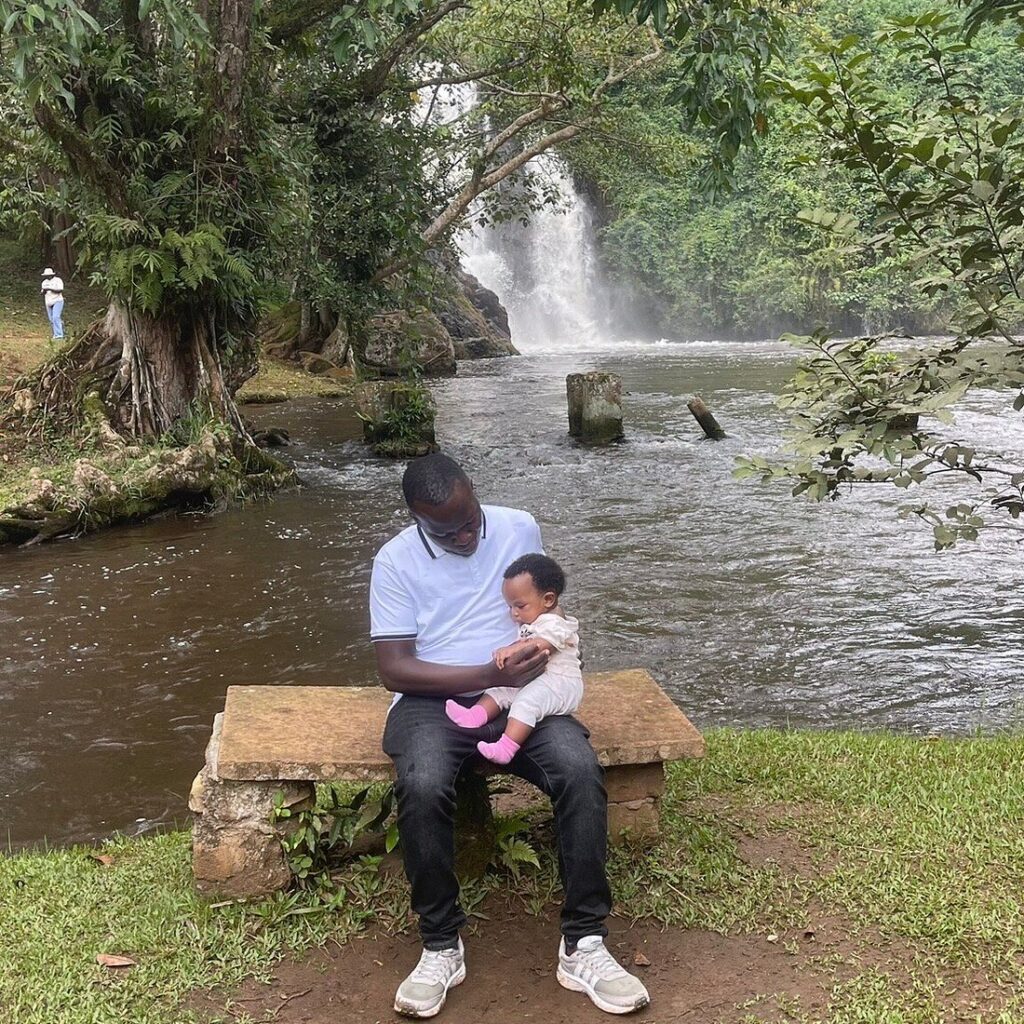
Walking trails thread through the forest, allowing visitors to approach the falls from different angles, cross the river on simple bridges, and sit quietly beside the water in a setting of unusual tranquility. It is the kind of place that invites stillness.
A Site of Royal and Spiritual Significance
What sets Sezibwa apart from Uganda’s other natural attractions is the seamless way it weaves together the natural and the sacred. The shrine complex near the falls contains traditional shrines tended by spiritual custodians who maintain the rituals associated with the site. Visitors who come respectfully are welcomed to learn about the spiritual practices, the legends, and the role the falls have played in the religious and political life of the Buganda Kingdom.
Offerings are still made at the shrines. Ceremonies marking significant occasions in Buganda’s calendar are still observed. The falls are not a relic of a dead tradition — they are an active, living sacred site, which makes a visit here feel meaningfully different from simply sightseeing. You are entering a space that still matters to the people whose ancestors consecrated it.
Getting There and What to Expect
 Sezibwa Falls sits along the Kampala-Jinja highway, making it one of the more accessible day trip destinations from the capital. The drive takes roughly an hour, passing through Mukono’s rolling hills and green countryside. Many travellers combine a visit to Sezibwa with a trip to the Source of the Nile at Jinja, creating a rewarding full day of natural and cultural discovery along one of Uganda’s most scenic corridors.
The site has basic but comfortable facilities — a small entrance area, guides who offer informative walks, and the opportunity to purchase locally made crafts and souvenirs. The best time to visit is during the drier months, when the trails are easiest to navigate, though the falls are impressive year-round, and the forest remains green in all seasons.
Why Sezibwa Belongs on Every Uganda Itinerary
Uganda’s story cannot be told through its wildlife alone. Sezibwa Falls represents something equally important — the spiritual landscape that the Buganda people have inhabited and revered for centuries. To stand beside these falls is to stand at a crossing point between the physical and the sacred, between Uganda’s ancient past and its living present. Few places in East Africa offer that particular combination of natural beauty, historical depth, and unbroken spiritual tradition.
Whether you are on a gorilla trekking safari in Bwindi forest, exploring the shores of Lake Victoria, or simply spending time in Kampala, a detour to Sezibwa Falls will add a dimension to your journey that no game drive can replicate.
Don’t leave Uganda without visiting the sacred waters of Sezibwa Falls. Uganda Safari Bookings specialises in crafting travel experiences that go beyond the ordinary, combining Uganda’s world-famous wildlife destinations with the cultural and historic sites that give this country its true depth. From Kampala day trips to Sezibwa to full multi-week Uganda itineraries, their team will handle every detail so you can simply arrive, explore, and be moved.
Reach out to Uganda Safari Bookings today and let them build you a Uganda journey worth telling stories about for the rest of your life. Email to info@ugandasafaribookings.com or call/chat with us via +256-700135510.


More Articles
Ndere Cultural Center- Traditional Music, Dance & Drama
Mparo Tombs- Bunyoro-Kitara Kingdom Royal Scared Mausoleum
Uganda Museum- East Africa’s Oldest Heritage Repository