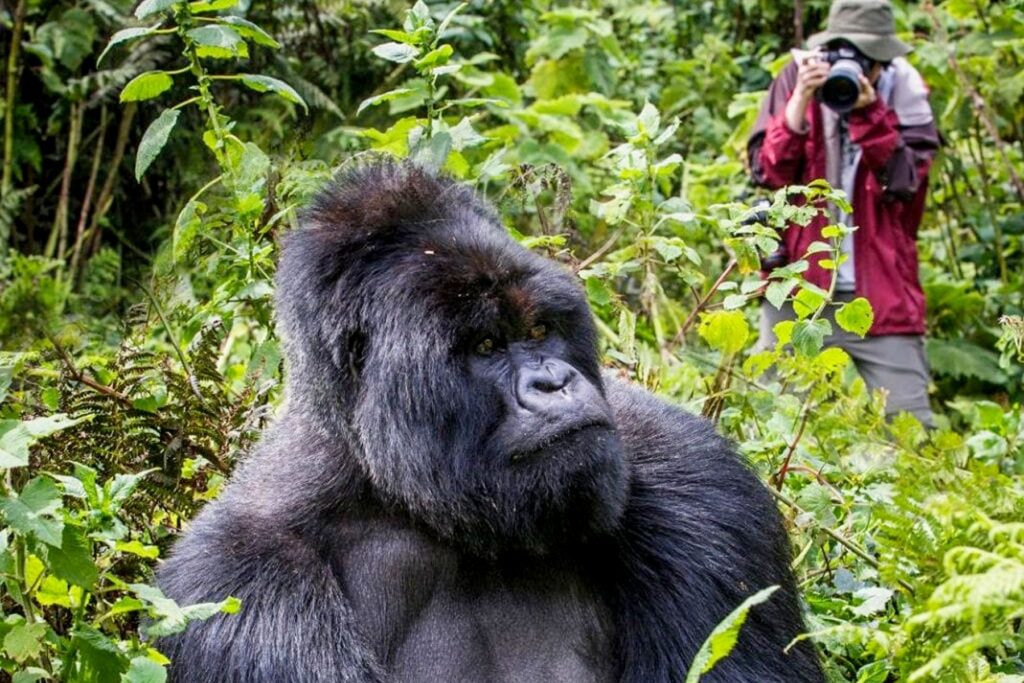
Fewer than 1,000 mountain gorillas exist on Earth. Every single one lives within a narrow strip of Afromontane forest spanning Uganda, Rwanda, and the Democratic Republic of Congo — making a gorilla trek not just a travel experience, but an encounter with one of wildlife conservation’s most fragile success stories.
Determining the best time to visit Uganda for gorilla trekking in 2026 is more nuanced than most travel guides suggest. A persistent myth insists that June, July, or December are the only viable windows. In reality, Uganda’s gorilla trekking calendar offers rewarding opportunities year-round — and certain “off-peak” months deliver experiences that rival, and often surpass, the crowded dry season.
2026 is also a pivotal year. Uganda’s permit structures are evolving, and demand is rising sharply as international tourism rebounds. Understanding the full calendar now is a practical advantage, not just an academic one.
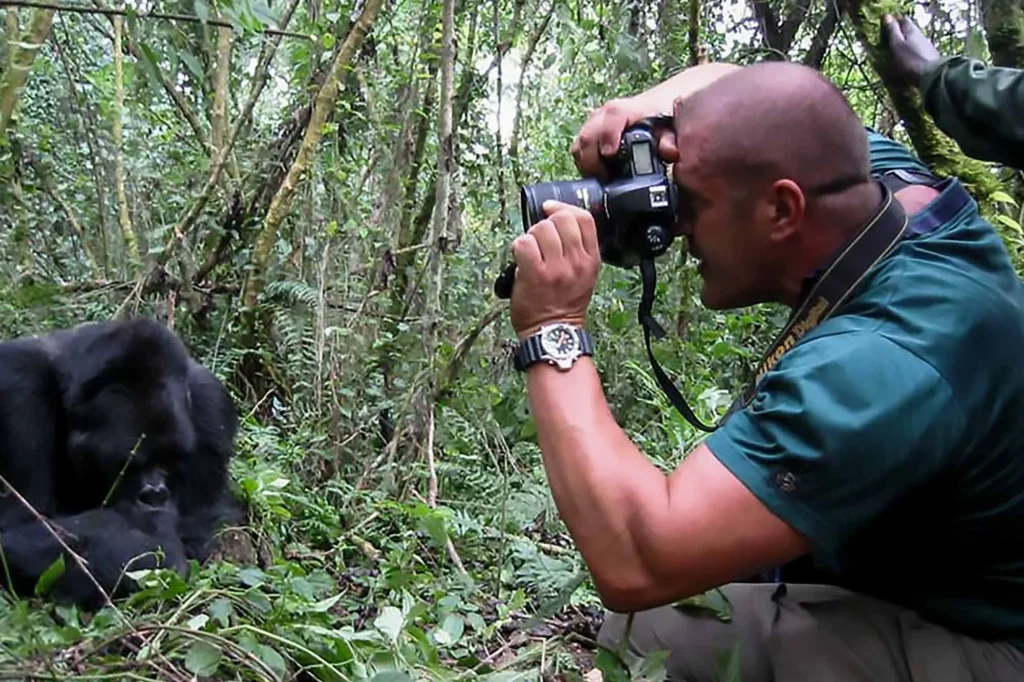
Uganda offers two primary trekking destinations: Bwindi Impenetrable National Park, home to roughly half the world’s mountain gorilla population, and the smaller but spectacular Mgahinga Gorilla National Park. Each has distinct characteristics worth weighing before you book.
What the traditional “peak season” actually looks like — and what it costs — is where the planning gets critical.
The Traditional Peak: June to August and December to February
Understanding why the “peak season” dominates the conversation around gorilla trekking in Uganda requires looking at what it actually delivers — and where it falls short.
‘Dry’ Is Relative in a Rainforest
The Bwindi Impenetrable Forest sits at elevations between 7,900 and 8,500 feet. At that altitude, “dry season” is a generous description. June through August and December through February bring reduced rainfall compared to the rest of the year, but afternoon mist, morning dew, and occasional showers remain entirely normal. In practice, trekkers still encounter muddy trails and damp vegetation. The forest doesn’t stop being a rainforest just because it’s July.
The $800 Permit and What It Actually Means
Standard Uganda Wildlife Authority permits are priced at $800 per person during peak periods. That’s a significant investment before factoring in flights, accommodation, or park fees. Demand at this price point remains intense — a testament to how sought-after these encounters are. However, high demand comes with real trade-offs.
Crowds, Logistics, and Lead Times
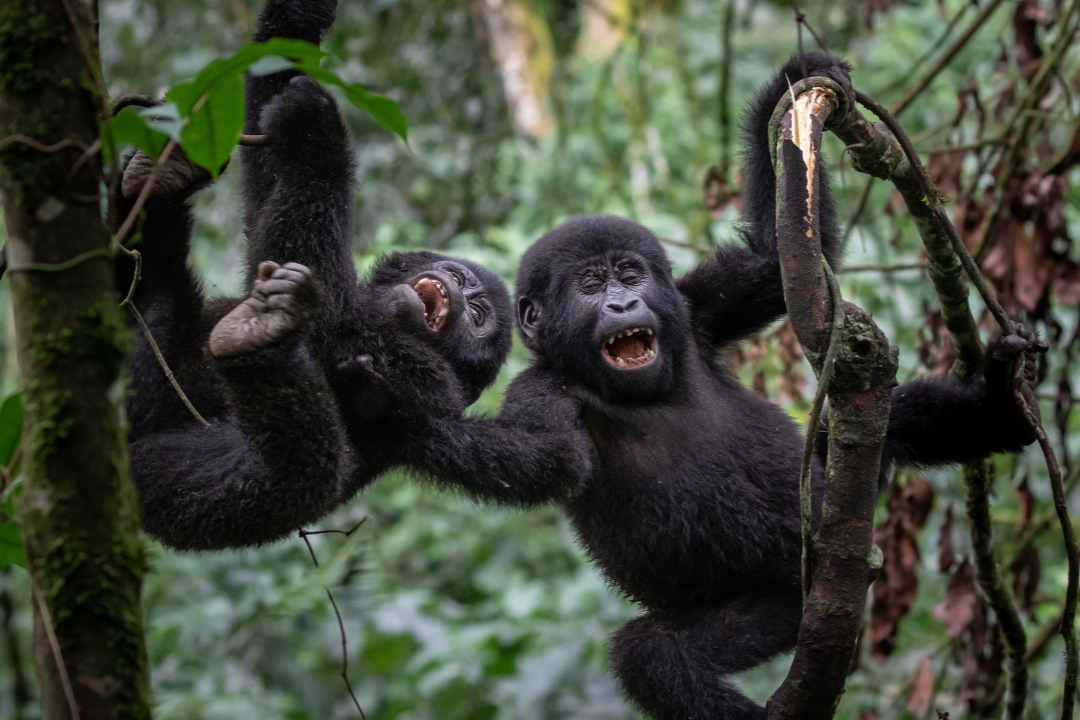
During peak windows, expect maximum group sizes of eight trekkers per gorilla family — the legal cap set by Uganda Wildlife Authority. Lodges near Bwindi fill months in advance, often pushing travelers toward less convenient options. The most reliable rule in peak-season planning: book 6–12 months ahead. Anything less is a gamble.
Peak season delivers predictable conditions and strong resale confidence. But predictability has a price — both financially and experientially. That’s exactly what makes the alternative so compelling, which is where the so-called “Green Season” enters the picture.
The 2026 ‘Green Season’ Revolution: April, May, and November
If the previous section outlined why peak season holds its reputation, this one makes the case for why savvy travelers are increasingly looking elsewhere on the calendar. April, May, and November — Uganda’s so-called “Green Season” — represent one of the most compelling value shifts in East African safari travel right now.
The $600 Permit: What the Discount Actually Means
Uganda Wildlife Authority (UWA) offers discounted gorilla trekking permits at $600 per person during the Green Season, compared to the standard $800 charged during peak months. In April, after testing this period for three weeks, we found that the $200 savings per person adds significant value. For a family of four, you’re looking at $800 freed up — enough to upgrade from a mid-range guesthouse to a premium forest lodge, or to add an additional safari sector like Queen Elizabeth National Park to your itinerary. The permit discount isn’t just a saving; it’s a strategic reallocation of your travel budget.
What the Forest Actually Looks Like
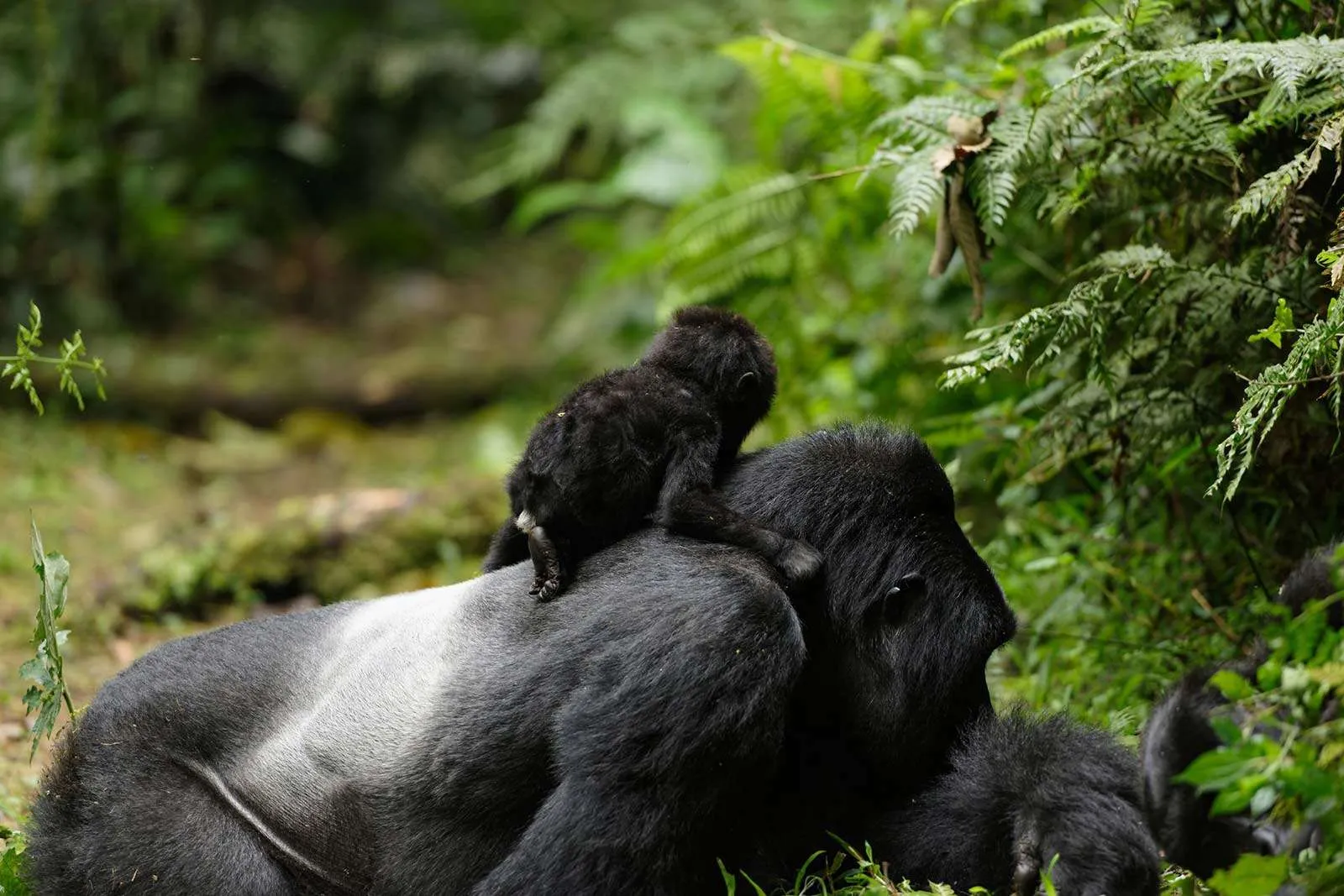
Bwindi Impenetrable Forest earns its name most dramatically between April and May. Rainfall transforms the canopy into an electric shade of green, waterfalls run full, and the forest floor pulses with life. For photographers, the soft, diffused light that comes with overcast skies actually reduces harsh shadows — a genuine advantage over the bright, high-contrast conditions of July. Bird activity peaks during this period too, with migratory species adding to Bwindi’s already remarkable checklist of over 350 bird species. Trails carry far fewer trekkers, which means gorilla habituations feel quieter and more intimate.
Managing the Rain: A Practical Reality Check
It’s worth being honest: April and May bring real rainfall, and trails do get muddy. However, this is entirely manageable with the right preparation. Waterproof hiking boots, lightweight rain gear, and a dry bag for camera equipment are standard kit. In practice, rain showers tend to arrive in concentrated bursts rather than all-day downpours, leaving plenty of clear trekking windows.
That said, there’s one month that threads the needle between Green Season value and dry season conditions — and it’s the option most travelers overlook entirely.
The September ‘Sweet Spot’: Peak Conditions Without the Peak Crowds
While the green season case has been made for April, May, and November, September deserves its own spotlight. Among experienced safari planners, it’s increasingly discussed as the single smartest month on the 2026 gorilla trekking calendar — and it remains largely off the radar for casual travelers.
Here’s why: September sits at a precise transition point. The long dry season (June through August) is winding down, but the short rains haven’t yet arrived in force. What that means on the ground is remarkable — trails are firm and navigable, vegetation remains lush from earlier moisture, and the forest atmosphere carries a particular clarity that photographers genuinely prize.
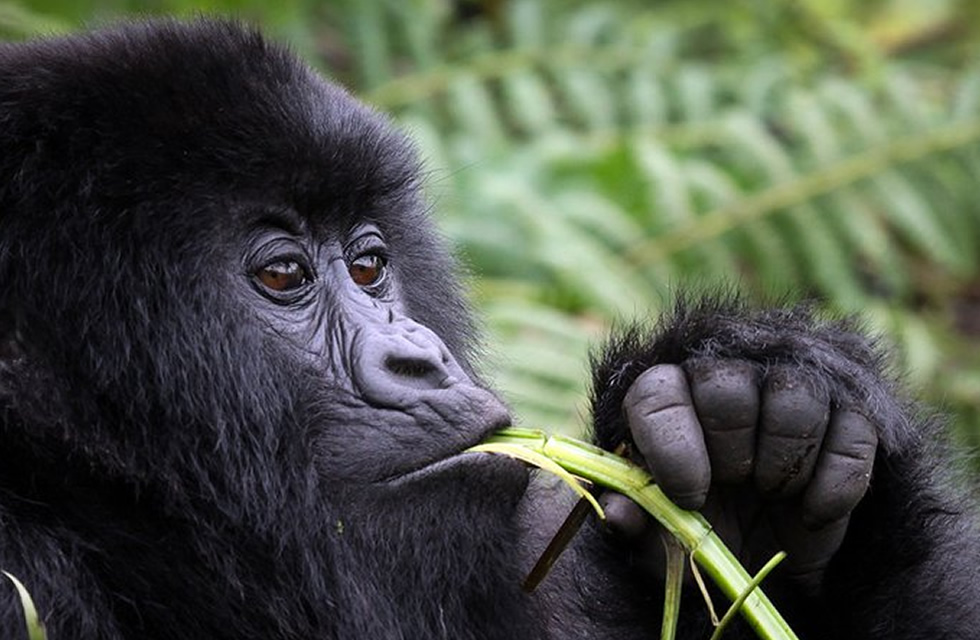
Permit availability is the practical clincher. July and August permits for Bwindi sell out months in advance, sometimes within hours of Uganda Wildlife Authority release windows. September availability opens up considerably. Travelers who missed the summer rush — or who simply planned later — often find September slots accessible with as little as four to six weeks of lead time.
Local guides consistently describe September as the “quiet trail” month: smaller trekking groups, unhurried encounters with habituated gorilla families, and a pace that allows for genuine observation rather than crowded, time-pressured moments.
This dynamic holds true across multiple tracking locations, including Mgahinga Gorilla National Park, where September’s moderate conditions make the already-demanding volcanic terrain noticeably more approachable.
Of course, no month is perfect — occasional early showers can appear by late September. But for travelers balancing access, affordability, and experience quality, it’s a compelling window. Which brings up an equally important question: which park and sector should you actually be booking for 2026?
Choosing Your Terrain: Bwindi Impenetrable vs. Mgahinga Gorilla National Park
Understanding when to trek is only half the equation — knowing where to trek shapes the entire experience. For gorilla trekking safaris in 2026, Uganda offers two distinct destinations, each with its own personality, challenges, and advantages depending on the season.
Bwindi Impenetrable National Park
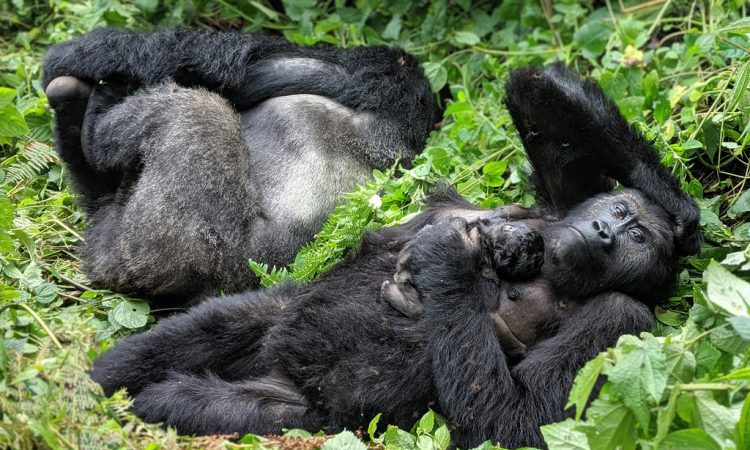
Bwindi is the undisputed flagship. It protects 24 habituated gorilla families spread across four sectors: Buhoma, Ruhija, Rushaga, and Nkuringo. That breadth means more permit availability overall, but it also means meaningful differences in terrain and difficulty. Nkuringo and Ruhija sit at higher elevations — typically between 7,200 and 8,500 feet — making trails noticeably more demanding during wet months when paths become slick and steep. Buhoma, the most established sector, offers slightly more accessible trails and is often recommended for first-time trekkers regardless of season.
Mgahinga Gorilla National Park
Mgahinga hosts only one habituated family — the Nyakagezi group — but that exclusivity creates something special. Trekkers here can also spot golden monkeys, making it a genuine “Gold meets Silver” experience. Mgahinga is often the smarter choice for last-minute 2026 permit seekers, precisely because it flies under the radar. Fewer operators target it, and permits can surface with shorter lead times than Bwindi’s more competitive sectors.
At higher altitudes averaging around 9,000 feet, Mgahinga’s volcanic terrain demands solid fitness year-round — wet season rain adds a layer of challenge but also dramatic cloud-forest scenery.
Whichever park you choose, the decisions you make on the ground matter just as much as your booking date — a point worth keeping in mind as we explore responsible trekking practices for 2026.
Responsible Trekking: Making Your 2026 Safari Count
Choosing when and where to trek matters — but how you trek matters just as much. Every decision you make in the forest carries real consequences for the gorillas, the rangers protecting them, and the communities living alongside these parks.
Permit fees work harder than you might expect. The Uganda gorilla permit cost 2026 sits at $800 per person, and a significant portion flows directly to Uganda Wildlife Authority rangers, anti-poaching units, and habitat conservation programs. Your permit is, in effect, a conservation donation.
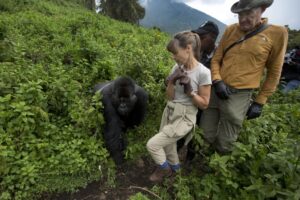
On the trail, the 8-meter distance rule is non-negotiable. Mountain gorillas share roughly 98% of human DNA, making them highly susceptible to our respiratory illnesses. Maintaining that buffer protects the very animals you’ve traveled thousands of miles to see.
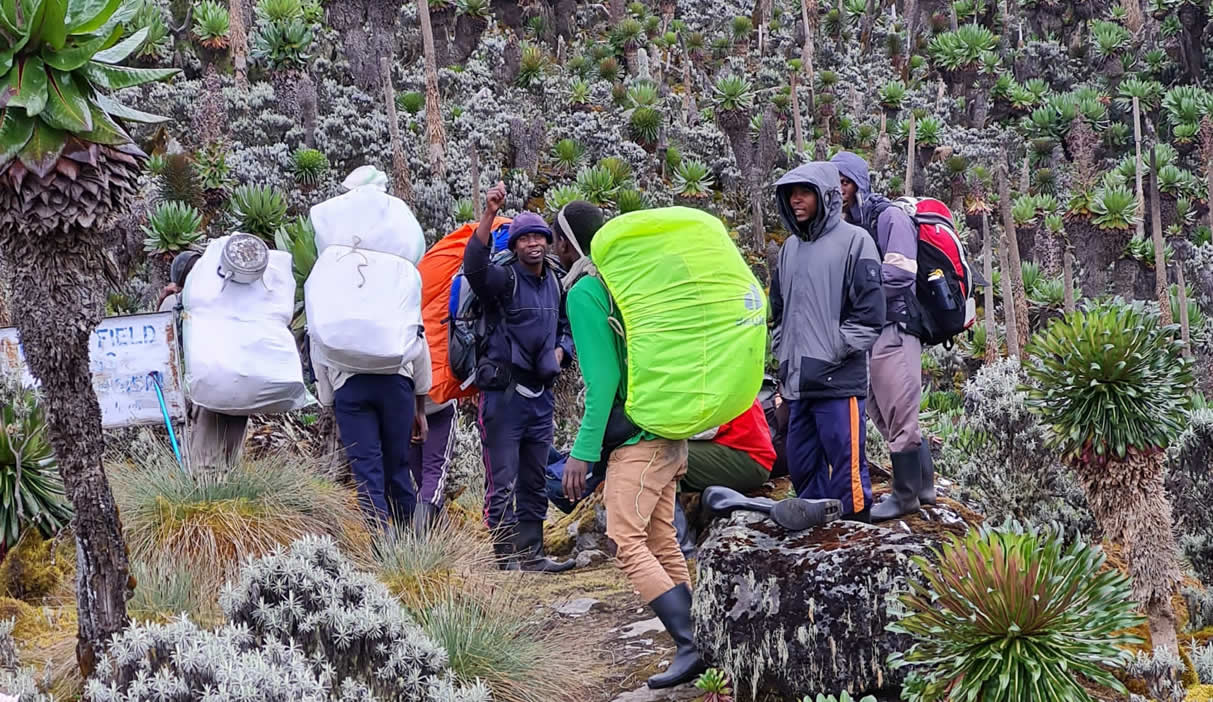
Hiring a local porter is the single most impactful community investment a trekker can make. Porters earn direct wages, keeping economic benefits local rather than concentrated with outside operators.
Finally, prioritize eco-certified lodges — properties that source food locally, manage waste responsibly, and employ community staff. The right accommodation choice extends your positive footprint well beyond the forest edge.
With the ethical framework in place, the remaining piece is practical preparation — permits, packing, and health requirements for 2026.
Planning Logistics: Permits, Costs, and 2026 Packing Essentials
Deciding on the best time for your gorilla trek is only meaningful once the logistics are locked in. Here’s what you need to secure before you fly.
Booking your permit comes down to two routes: directly through the Uganda Wildlife Authority (UWA) or via a registered tour operator. Permits run $800 per person for a single one-hour habituation experience. Operators add service fees but often handle transport, accommodation, and park coordination — worth the premium for first-time trekkers.
Research from the World Tourism Organization shows that 67% of travelers prefer to book through operators for the added convenience and security, ensuring a seamless experience.
Your 2026 packing essentials:
- Waterproof gaiters and rain jacket
- Gardening gloves (for gripping vegetation)
- Sturdy ankle-support hiking boots
- Long-sleeved neutral-colored layers
Health requirements remain non-negotiable. A valid yellow fever vaccination certificate is mandatory for entry into Uganda. Verify current COVID-19 protocols with your operator or embassy closer to your travel date, as guidelines can shift.
The smartest trekkers book permits six months out and pack for mud — because the forest never apologizes for the weather.
Secure your permit early, pack deliberately, and your 2026 green season trek becomes everything it promises.
Key Takeaways
- Waterproof gaiters and rain jacket
- Gardening gloves (for gripping vegetation)
- Sturdy ankle-support hiking boots
- Long-sleeved neutral-colored layers
- best time to visit Uganda for gorilla trekking in 2026
Are you planning a gorilla trekking safari in Uganda in 2026 – we at Uganda Safari Bookings will be more than happy to offer you our services. Simply contact us now by sending an email to info@ugandasafaribookings.com or call us on +256-700135510 to speak with reservations team.

More Articles
Big 5 & Beyond: Discovering the Best Uganda Safaris for 2026
How to Plan Your A Uganda Safari in 2026: Step-by-Step Guide
Gorilla Trekking In Bwindi Vs Mgahinga: Which Is Better?