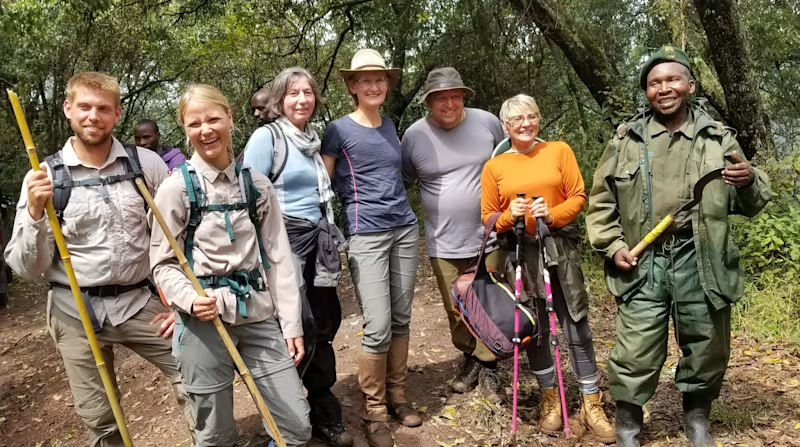
The ‘Long and Light’ Philosophy: Why Traditional Safari Gear Fails in Uganda
Picture yourself stepping off a game drive vehicle in the Serengeti — open sky, golden grass, a gentle breeze. Now erase that image entirely. Uganda’s Bwindi Impenetrable Forest is its absolute opposite: a dense, dripping canopy where visibility drops to a few feet, the air sits at near-100% humidity, and the undergrowth fights back.
That contrast is precisely why a standard safari wardrobe will fail you here, and why every serious gorilla trekking packing list starts with one foundational rule: long and light.
Long doesn’t mean warm — it means protected. Bwindi’s slopes are blanketed in stinging nettles and patrolled by safari ants (also called siafu), which can swarm and bite aggressively within seconds. Exposed skin isn’t just uncomfortable; it’s a genuine hazard. Think of full-length sleeves and trousers as mechanical defense — a physical barrier that no insect repellent alone can replicate.
Light addresses the heat. Heavyweight cotton traps sweat, causes chafing, and takes hours to dry in a rainforest environment. Lightweight, technical fabrics move moisture away and keep you functional on a trek that can last anywhere from two to eight hours.
Getting this philosophy right sets the foundation for everything else — starting with the three specific gear categories that make or break a primate trek.
The Primate Trekking ‘Holy Trinity’: Essential Gear for Bwindi and Kibale
Any solid Uganda safari packing list has to treat primate trekking as a completely separate discipline from savannah game drives — because it is. Tracking mountain gorillas through Bwindi Impenetrable Forest or following chimpanzees across Kibale’s root-tangled trails demands gear that performs under punishment. Three categories define whether your experience is transformative or miserable.
Hiking Boots: Your Most Critical Purchase
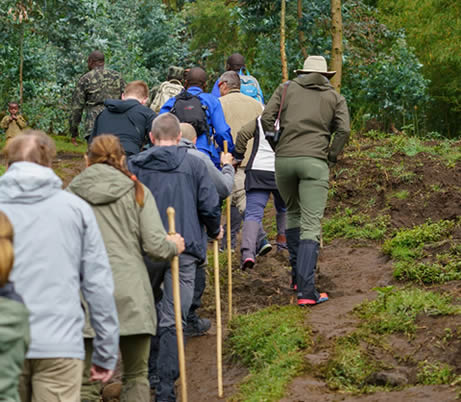
Forget trail runners. The ridges of Bwindi are steep, narrow, and frequently coated in red mud that behaves like wet concrete. High-ankle boots with deep lug soles are non-negotiable — they lock your ankle against lateral rolls on uneven terrain and provide genuine grip where a low-cut shoe simply slides. Look for boots that are already broken in before departure; blisters at altitude in humidity are a serious problem, not a minor inconvenience.
Kibale presents a slightly different challenge. The terrain is less steep but equally wet, with exposed tree roots creating unpredictable footing. The same boot specification applies, though the shorter duration of many chimp tracks means fatigue is less of a factor than grip.
Moisture-Wicking Layers: Fighting Humidity From the Inside Out
Rainforest humidity in Uganda hovers near 100%, which means cotton becomes your enemy the moment you start moving. Wet cotton stays wet, bunches, and creates friction against skin — a recipe for chafing on a trek that can last anywhere from one to eight hours. Moisture-wicking synthetic or merino wool base layers actively pull sweat away from skin, keeping you comfortable and reducing the risk of skin irritation on multi-hour exertions.
The Raincoat: Breathability Beats Pure Waterproofing
In the tropics, a non-breathable waterproof shell is essentially a personal sauna. The goal isn’t to stay perfectly dry — it’s to stay functional. A breathable, waterproof-membrane jacket manages both precipitation and internal heat buildup simultaneously. According to Travel Beyond’s packing guidance, a lightweight rain jacket is consistently among the highest-priority items for forest trekking environments.
Getting your foundation gear right in the forest sets up everything else — including how you manage the dramatic temperature swings you’ll encounter across Uganda’s contrasting landscapes.
Navigating Microclimates: From 86°F Savannahs to 45°F Highlands
Uganda’s climate refuses to follow a single script — and your packing list needs to reflect that reality. The country compresses dramatically different environments into a relatively compact area, which means gear decisions that work perfectly at Murchison Falls can leave you dangerously underprepared at Bwindi.
The Highland Cold You Won’t See Coming
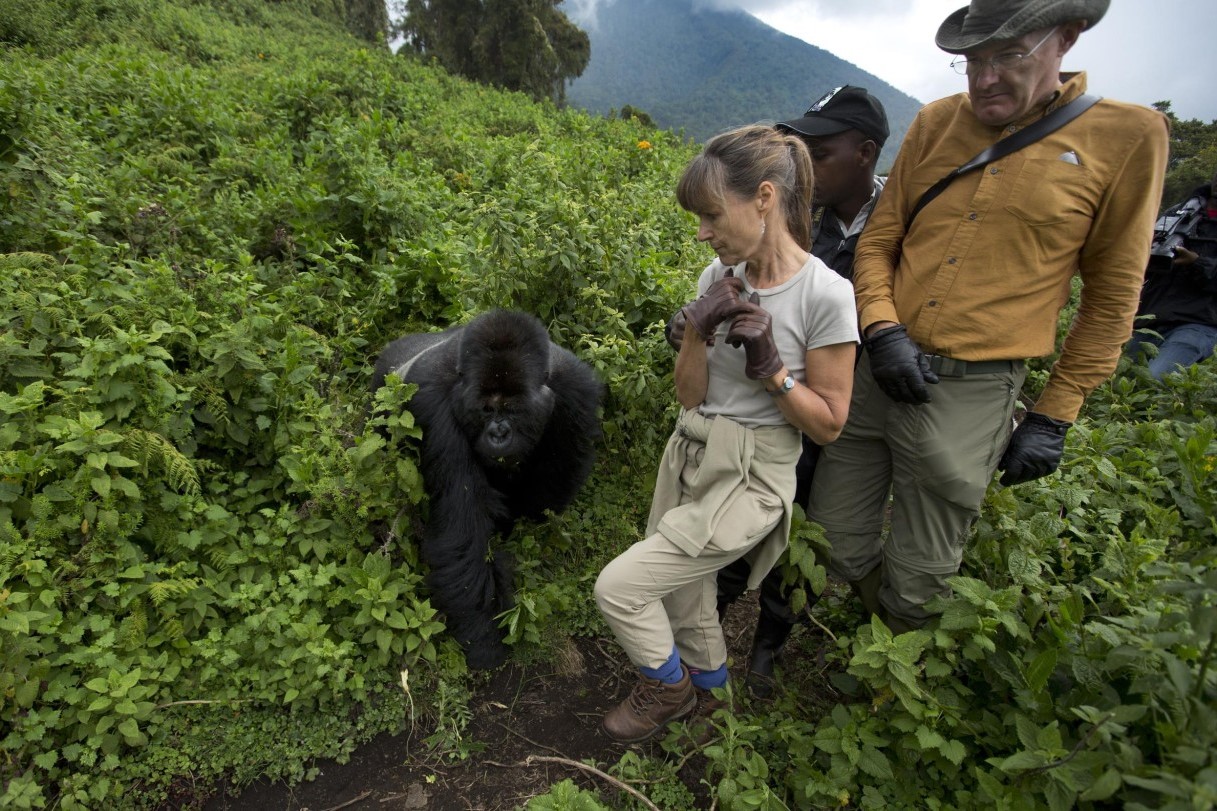
Bwindi Impenetrable Forest sits at elevations between 7,900 and 8,500 feet above sea level. Early mornings regularly drop to around 45°F, with mist clinging to the canopy and cold air settling into the valleys before a trek even begins. The same temperature dynamic applies when building your chimpanzee tracking packing list Uganda itinerary around Kibale — nights can feel genuinely cold by any tropical standard. Packing a fleece or light down jacket isn’t an indulgence in Uganda; it’s a non-negotiable piece of technical equipment.
The Lowland Heat Problem
Drop down to Queen Elizabeth National Park or Murchison Falls, and conditions flip entirely. Midday temperatures routinely push past 86°F with high humidity, making heavyweight layers genuinely dangerous. Breathable, moisture-wicking fabrics are essential here, and dark or heavy cotton becomes a liability fast.
The ‘On-Off’ Layering Strategy
Full-day game drives solve both problems through deliberate layering. A practical approach is to start your morning drive with a light base layer, mid-layer fleece, and a packable outer shell, then peel back as temperatures climb toward midday. Key layering principles:
- Base layer: Moisture-wicking, lightweight
- Mid-layer: Packable fleece or light down
- Outer shell: Wind-resistant and compressible
This on-off system keeps your daypack lean while preparing you for swings of 30°F or more within a single day. The next section digs into a few overlooked pieces of gear that experienced trekkers quietly rely on — and most first-timers never think to pack.
The ‘Secret’ Essentials: Gardening Gloves and Gaiters
Beyond the obvious layers and waterproofs, a handful of unexpected items separate genuinely prepared trekkers from those who struggle through Bwindi’s steeper terrain. Choosing the best clothes for Uganda gorilla trekking gets plenty of attention, but the accessories below that list are equally critical.
The Gardening Glove Hack
Steep gorilla trekking trails regularly require grabbing vegetation for balance — and that vegetation often includes thorny vines and stinging nettles. A pair of inexpensive gardening gloves (the thicker, rubberized-palm variety) gives your hands real grip on slippery roots while protecting against punctures and skin irritation. Lightweight leather hiking gloves work too, but the added dexterity of gardening gloves makes them a surprisingly smart trail choice.
Sealing Against Safari Ants
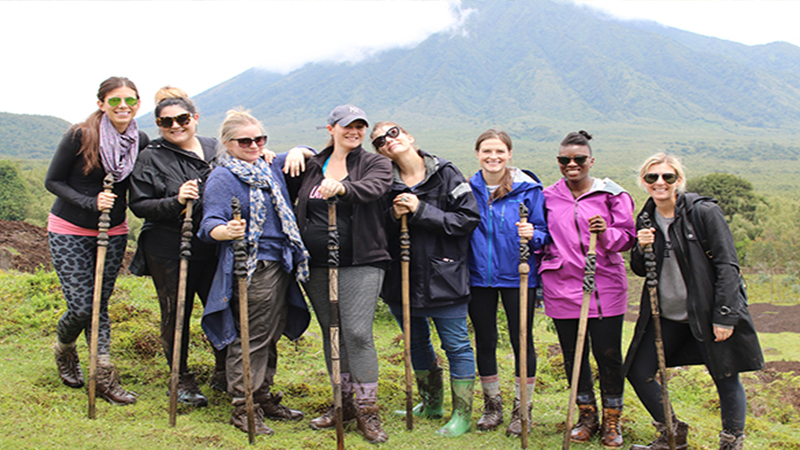
Safari ants are relentless, and Ugandan forest floors are full of them. The strategy is simple: gaiters paired with long socks create a physical seal at the ankle, preventing ants from marching up inside your trousers. Pull your socks over your trouser cuffs, then secure gaiters on top. According to the Ker & Downey primate trekking packing list, long socks specifically designed for trekking are a non-negotiable recommendation for forest environments.
Repellent and Sun Protection
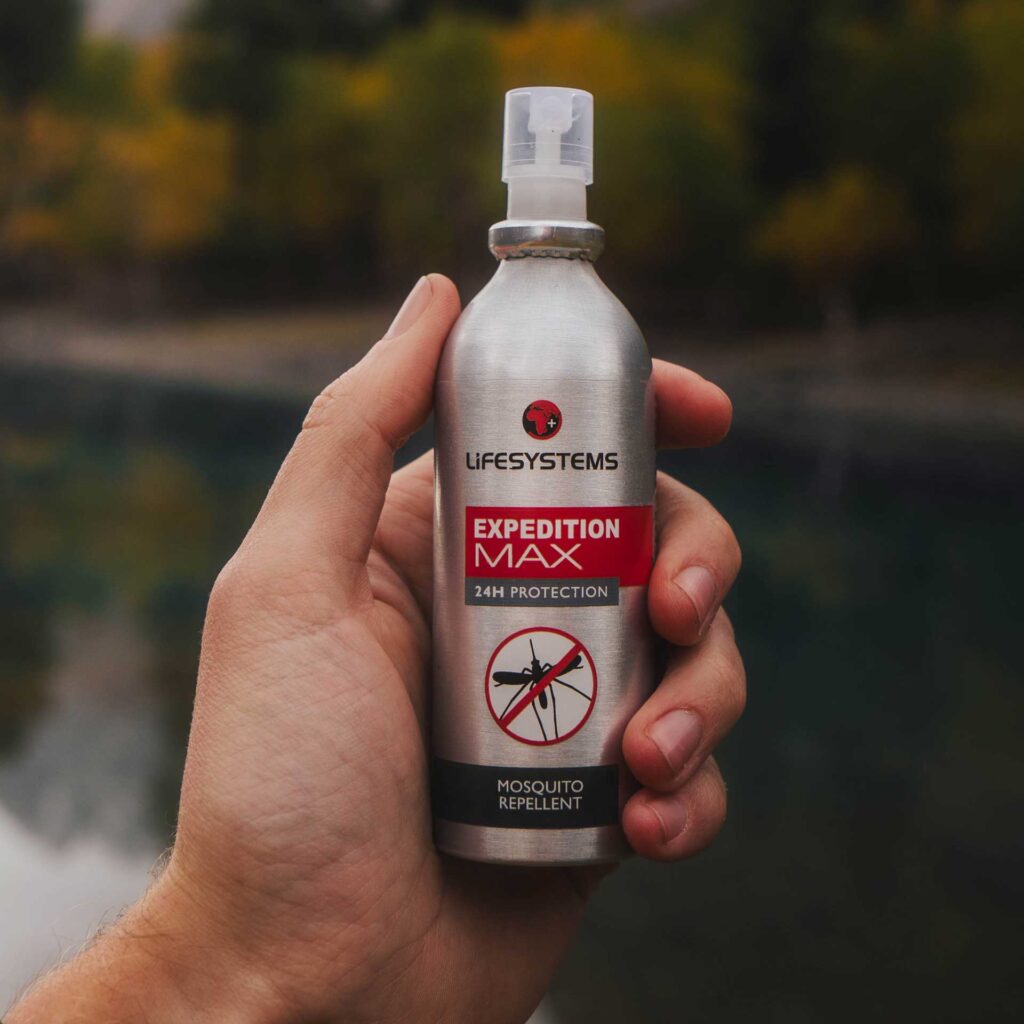 In jungle terrain, opt for a DEET-based repellent (30–50% concentration) for reliable protection against mosquitoes and biting insects. Natural picaridin alternatives are a reasonable option for those avoiding DEET on skin. On open savannah stretches and Uganda’s highlands — where elevation pushes UV exposure significantly higher than most travelers expect — SPF 50 sunscreen, UV-blocking lip balm, and a wide-brim hat are essential daily items.
All of this gear, of course, still needs to fit inside your bag — which raises a very real challenge given the strict weight limits on Uganda’s internal bush flights.
Luggage Logistics: Managing the 15kg Limit on Bush Planes
Knowing what to pack for a Uganda safari is only half the battle — fitting it all within the strict weight limits of bush aviation is the other. Most internal charter flights operating between Entebbe, Kigali, and remote airstrips impose a 15kg (33lbs) total baggage allowance, which includes both checked luggage and carry-on items. Exceed that, and you’re either paying significant overage fees or leaving gear behind at the lodge.
Duffel Bags Are Non-Negotiable
Forget rolling suitcases. Small bush planes store luggage in curved, irregular cargo pods where rigid hard-sided cases simply don’t fit. Soft-sided duffel bags are the only practical option — they compress, bend, and squeeze into tight spaces that hard luggage never could. Most operators specify this requirement explicitly, so it’s worth confirming your bag type well before departure day. According to the Africa Packing List from Ker & Downey, soft bags are strongly recommended for exactly this reason.
Wear Your Heaviest Gear on Flight Days
One practical strategy for staying within limits: wear your bulkiest items rather than pack them. Hiking boots, your fleece, and a waterproof jacket can add 3–4lbs to a bag — worn on your body, they weigh nothing on the scale.
Let the Lodge Do the Work
A common pattern among experienced safari travelers is packing for roughly three days of clothes, then relying on laundry services available at most mid-range and luxury lodges. Turnaround is typically 24 hours, meaning a 10-day trip requires far less clothing than most travelers assume.
Smart weight management here sets the foundation for everything covered in the complete checklist coming up next.
The Ultimate Uganda Safari Checklist: 2026 Edition
Everything covered in this guide comes down to one simple truth: smart packing for a Uganda safari is a technical exercise, not a fashion one. The right gear protects you in Bwindi’s dense undergrowth, keeps you comfortable on the savannah, and clears every bush plane weigh-in without drama.
Use this consolidated checklist before you zip that bag shut.
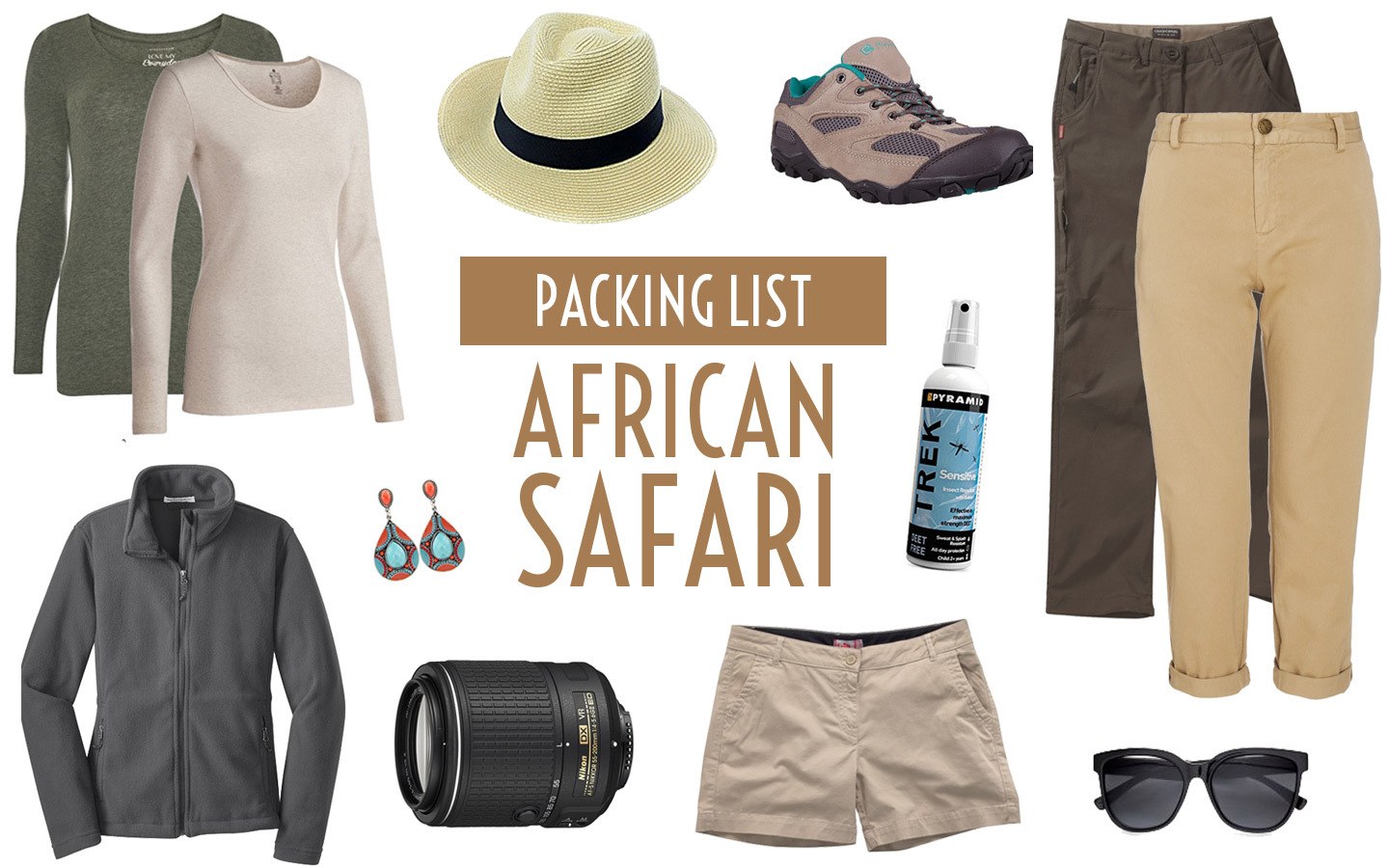
Clothing & Footwear
- 3x long-sleeve shirts (neutral tones, moisture-wicking fabric)
- 2x trekking trousers (convertible zip-offs earn their weight)
- 1x mid-weight fleece for cool highland mornings
- 1x waterproof jacket — non-negotiable in Bwindi
- 1x pair broken-in hiking boots with ankle support
- 1x pair sandals or camp shoes for lodge downtime
- 4x moisture-wicking socks (merino wool prevents blisters on long ascents)
Health & Documents
- Yellow Fever vaccination certificate — Uganda requires proof of vaccination at entry
- Malaria prophylactics prescribed before departure
- Personal first aid kit: blister pads, antihistamine, rehydration salts
Tech Essentials
- Extra camera batteries: as the Ker & Downey primate packing guide notes, charging opportunities disappear entirely in remote forest camps
- High-capacity power bank (20,000mAh minimum)
- Binoculars for savannah game viewing
A well-built kit doesn’t just make the trek bearable — it makes it unforgettable. Review this list against your airline’s baggage allowance, weigh everything twice, and book your permits early. Uganda’s gorilla encounters sell out months in advance, and no amount of perfect gear compensates for a missed slot.
Key Gorilla Trekking Packing List Takeaways
- Base layer: Moisture-wicking, lightweight
- Mid-layer: Packable fleece or light down
- Outer shell: Wind-resistant and compressible
- 3x long-sleeve shirts (neutral tones, moisture-wicking fabric)
- 2x trekking trousers (convertible zip-offs earn their weight)\
Are you planning a gorilla trekking safari in Uganda this season- let Uganda Safari Bookings be your guide to the ancient Bwindi forest and misty Mgahinga ranges. Contact us now to inquire about availability of permits, gorilla tips or book a safari online by simply emailing to info@ugandasafaribookings.com or calling +256-700135510.

More Articles
Why Uganda Safari Bookings Is Your Best Travel Partner?
Big 5 & Beyond: Discovering the Best Uganda Safaris for 2026
How to Plan Your A Uganda Safari in 2026: Step-by-Step Guide