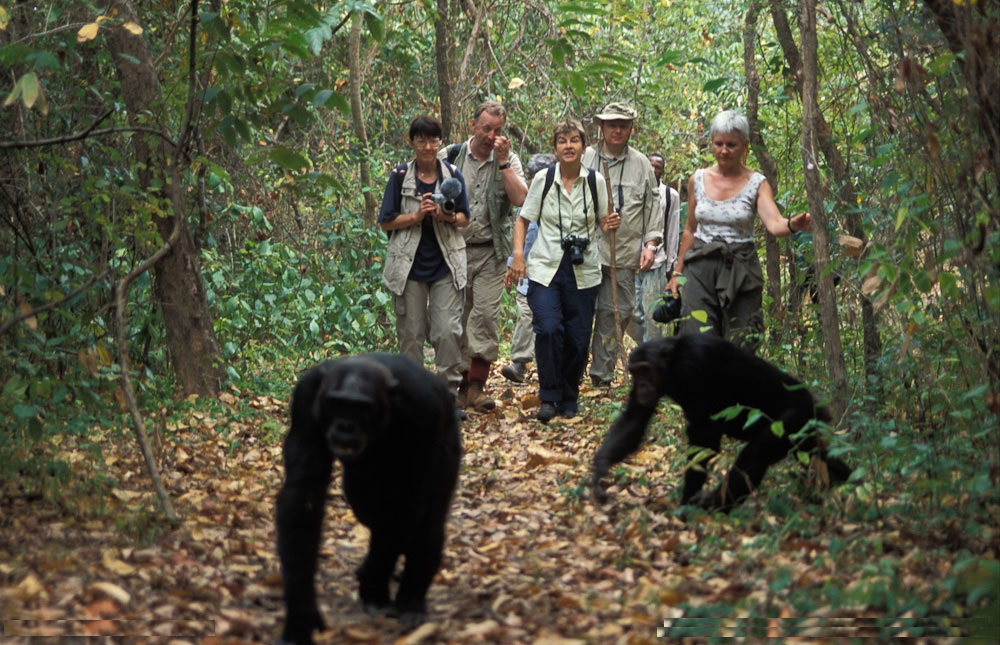
Kibale Forest National Park, often called the “Primate Capital of the World,” is Uganda’s premier destination for chimpanzee tracking. Spanning about 795 square kilometers in western Uganda, the park protects one of Africa’s largest populations of chimpanzees—around 1,500 individuals among over 13 primate species. In 2026, chimpanzee tracking here remains a bucket-list experience, offering an intimate glimpse into the lives of our closest relatives as they forage, groom, play, and vocalize through the canopy.
Unlike the more famous gorilla trekking in Bwindi, chimpanzee tracking in Kibale forest is more accessible, affordable, and often more dynamic due to the chimpanzees’ active behavior and larger group sizes. The experience highlights Uganda’s rich biodiversity, with dense tropical rainforest teeming with birds, butterflies, and other wildlife. Whether you’re a wildlife enthusiast, photographer, or family traveler, Kibale delivers profound encounters that emphasize conservation and the intelligence of these endangered apes.
What to Expect on a Chimpanzee Tracking Day
Chimpanzee tracking in Kibale typically begins early at the park headquarters near Kanyanchu, the main visitor center. Treks depart in two sessions: morning (around 8 AM) and afternoon (around 2 PM), with limited permits per group to minimize impact—usually 8–10 people per chimpanzee community.
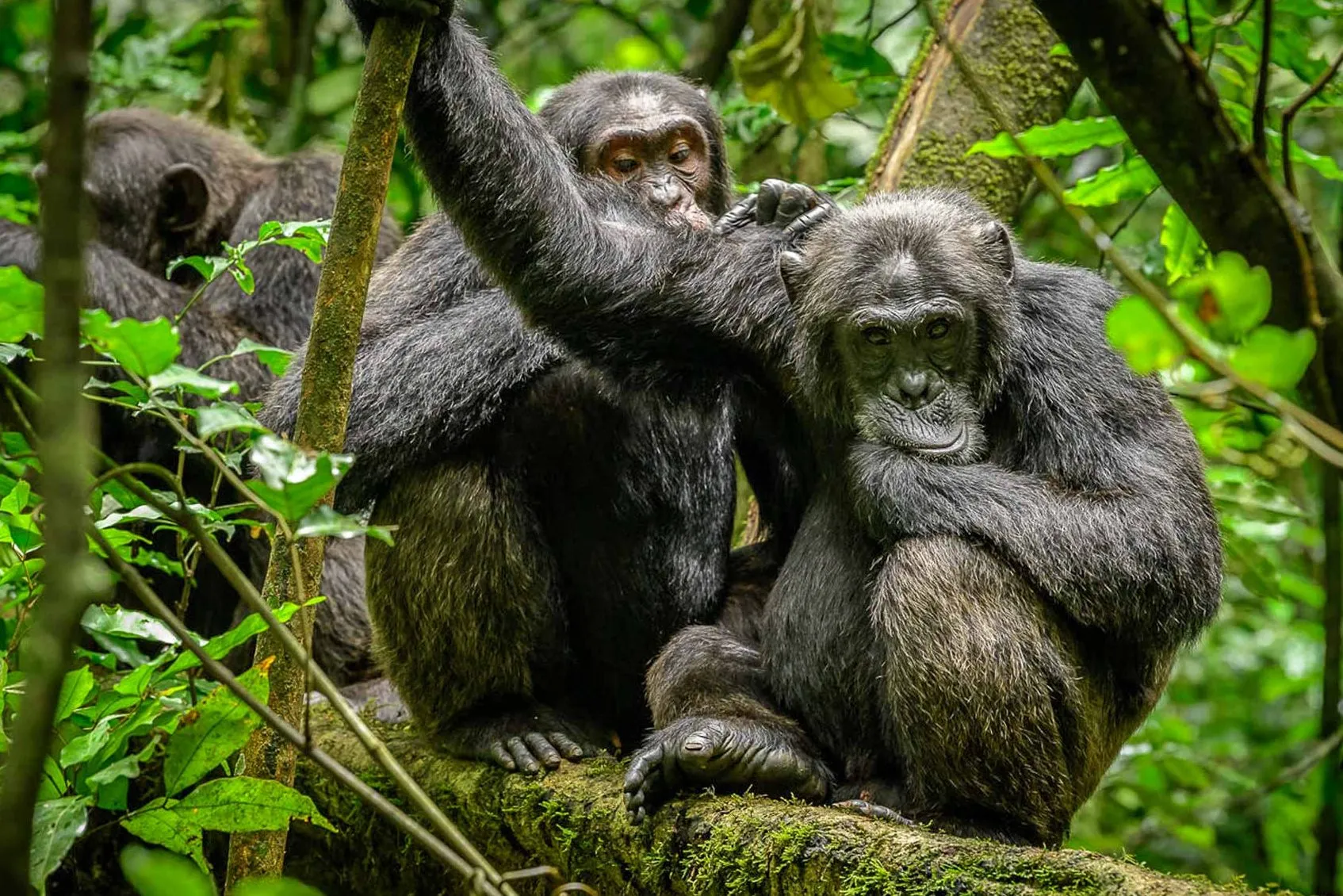
After a briefing from experienced UWA rangers, you’ll learn about chimpanzee behavior, safety rules, and the specific group you’ll track (several habituated communities exist, like the famous Kanyanchu group). The trek starts with a short walk into the forest, often along well-maintained trails. Tracking time varies greatly: 30 minutes to 3–4 hours, depending on where the chimps spent the night and their morning movements. In dry seasons, trails are firmer and easier; in wetter periods, expect mud, so sturdy boots and gaiters are essential.
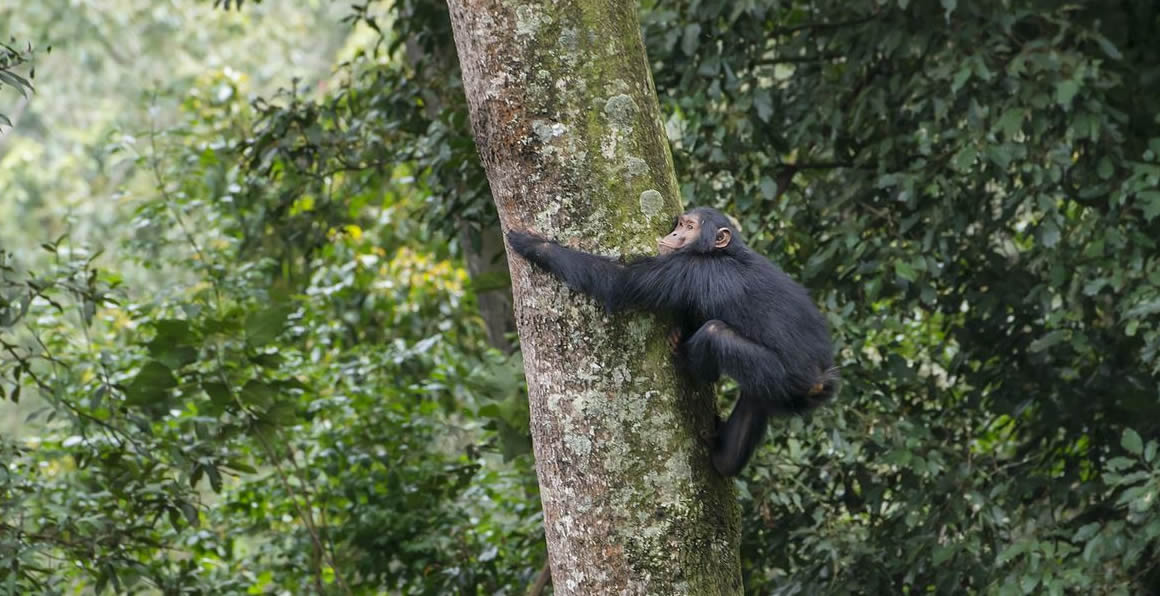
Once located, you’ll spend one magical hour with the chimpanzees at a minimum distance of 10 meters (about 33 feet). This is strictly enforced to prevent disease transmission (chimps are highly susceptible to human illnesses like colds or flu). Expect high-energy activity: chimps pant-hoot, drum on trees, swing through vines, forage for figs and leaves, groom each other, or engage in playful chases. Juveniles tumble and wrestle, while alpha males display dominance. The sounds alone—the whoops, screams, and branch-drumming—are unforgettable.
Additional perks: The tracking permit includes a guided nature walk on the same day, allowing you to spot red colobus monkeys, black-and-white colobus, or even elusive forest elephants. Porters (around $15–20) are recommended to carry water, snacks, and rain gear, easing the physical demands.
For a more immersive option, consider the **Chimpanzee Habituation Experience** (a full-day activity starting pre-dawn). It costs more but lets you spend up to four hours with semi-habituated chimps, following them as researchers do—ideal for photographers or those seeking deeper insight.
Practical Details & Preparation
Age & Fitness: Minimum age is 12 years (some sources note 15 for certain groups). Moderate to good fitness is required—treks involve uneven terrain, roots, and possible inclines, though no extreme climbing like gorilla treks.
What to Bring: Long-sleeved clothing and pants (for insects and nettles), sturdy waterproof hiking boots, rain poncho (rain is possible year-round), insect repellent, hat, sunscreen, binoculars, camera (no flash), at least 2 liters of water, snacks, and a light daypack. Avoid strong perfumes or scented products.
Health Rules: You must be free of contagious illnesses—no tracking if you have a cold, flu, or similar. Masks may be required in close proximity.
Best Time to Visit in 2026: Year-round tracking is possible, but dry seasons offer the best conditions. June–August and December–February bring drier trails, more predictable chimp locations, and pleasant weather (24–28°C). Peak demand means book early. Wet seasons (March–May, October–November) feature lush greenery, vibrant birdlife, fewer crowds, and occasionally discounted permits (some operators offer low-season deals like $200 for foreign non-residents in April, May, or November).
How to Book Chimpanzee Tracking Safari in 2026
Permit Costs- (effective July 2024–June 2026, per UWA tariff):
Chimpanzee Tracking (Kibale): $250 USD for foreign non-residents, $200 for foreign residents, UGX 180,000 for East Africans.
Chimpanzee Habituation: $300 USD for foreign non-residents, $250 for foreign residents, UGX 250,000 for East Africans.
These include guide fees and (for Kibale) park entrance on tracking day. Park entrance is separate: $40 USD for foreign non-residents.
Booking Process:
Permits sell out quickly, especially in peak dry months—book 3–6 months ahead. Foreign non-residents must book through licensed tour operators (UWA directs bookings via operators for international visitors). Direct UWA bookings are possible for residents or East Africans, but operators simplify logistics, including transport, lodging, and combining with gorilla treks.
Contact reputable operators or visit the UWA website (ugandawildlife.org) for updates. Many pair Kibale with Queen Elizabeth National Park or Bwindi for multi-primate itineraries. Self-drive? A 4×4 rental from Uganda Car Rental Services works well for the drive from Kampala (about 5–6 hours).
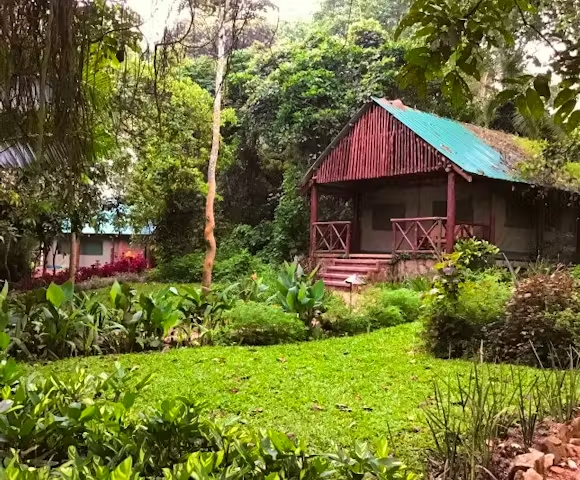
Lodging Options: Stay near the park at places like Kibale Forest Camp (mid-range), Primate Lodge (luxury), or budget-friendly Ndali Lodge for comfort after a day in the forest.
Chimpanzee tracking in Kibale is more than a safari—it’s a window into primate intelligence, social bonds, and the urgent need for conservation. With thoughtful preparation and early booking, your 2026 encounter will be ethical, rewarding, and unforgettable. Head to the treetops of Kibale, and let the chimps’ calls echo in your memory forever.
To book a chimpanzee tracking safari in Kibale forest this season, simply contact us now by sending an email to info@ugandasafaribookings.com or call us now on +256-700135510 to speak with the reservations team.

More Articles
Why Uganda Safari Bookings Is Your Best Travel Partner?
Big 5 & Beyond: Discovering the Best Uganda Safaris for 2026
How to Plan Your A Uganda Safari in 2026: Step-by-Step Guide